Markets & Finance
Wall Street, the Fed, earnings, crypto and energy — the money that moves the week.
Section RSS · Edited by Margaret Coyle
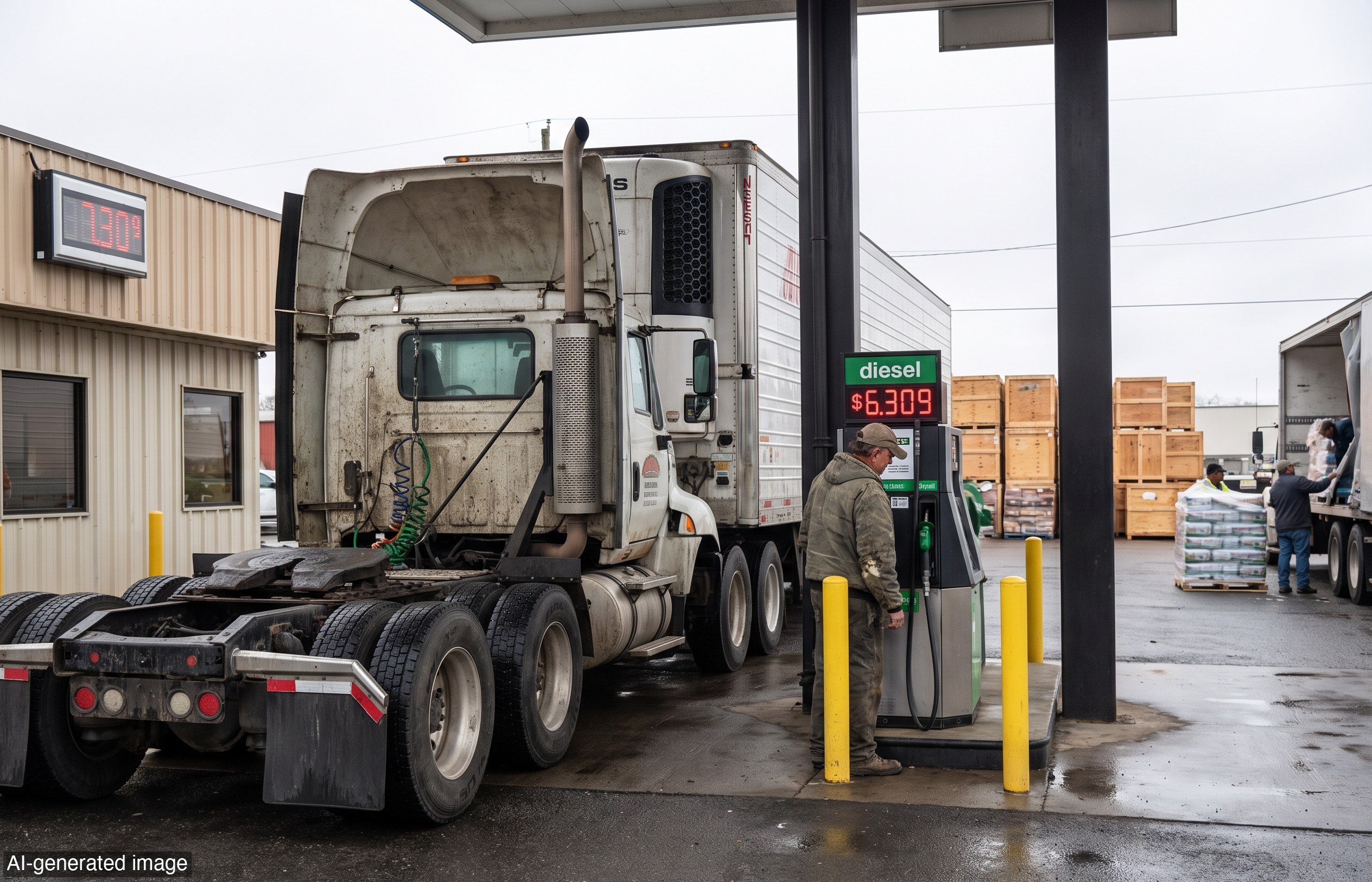
Diesel hits $6.30 a gallon as grocery shipping costs outrun lettuce
Average diesel prices reached $6.30 a gallon Wednesday, up about 68% from before the Iran war, and the Federal Reserve’s Beige Book says the shock is pushing freight, packaging and consumer prices higher. One regional grocery chain now pays more to move a head of lettuce than the lettuce itself.
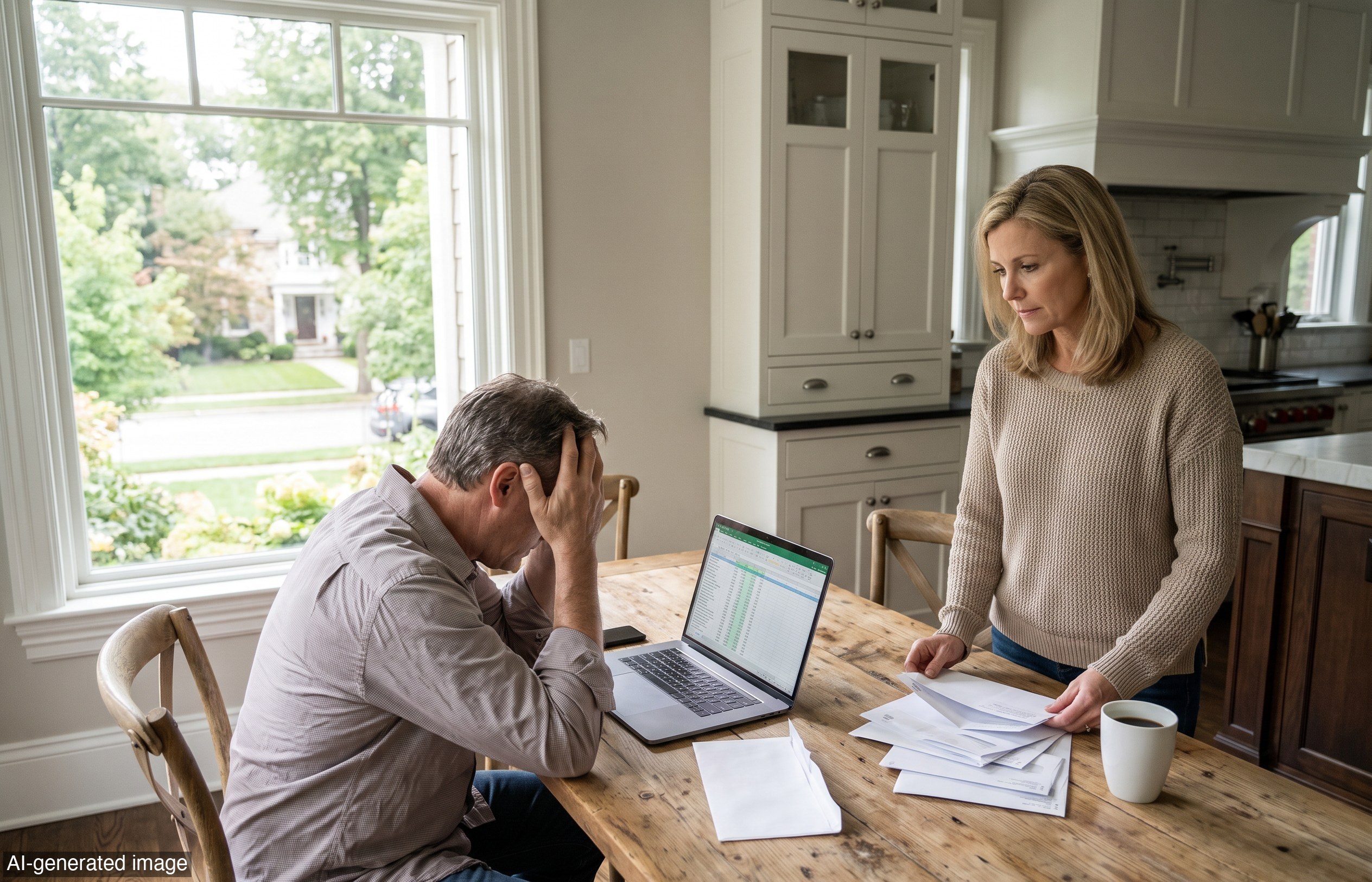
36.6% of Americans earning over $500,000 say they live paycheck to paycheck
France’s rising yields could trigger deposit flight at banks, analysts warn

OpenAI math breakthrough puts cryptography on watch as Bitcoin and banking face a new risk

U.S. private equity deal value falls 14.1% as exits stay thin
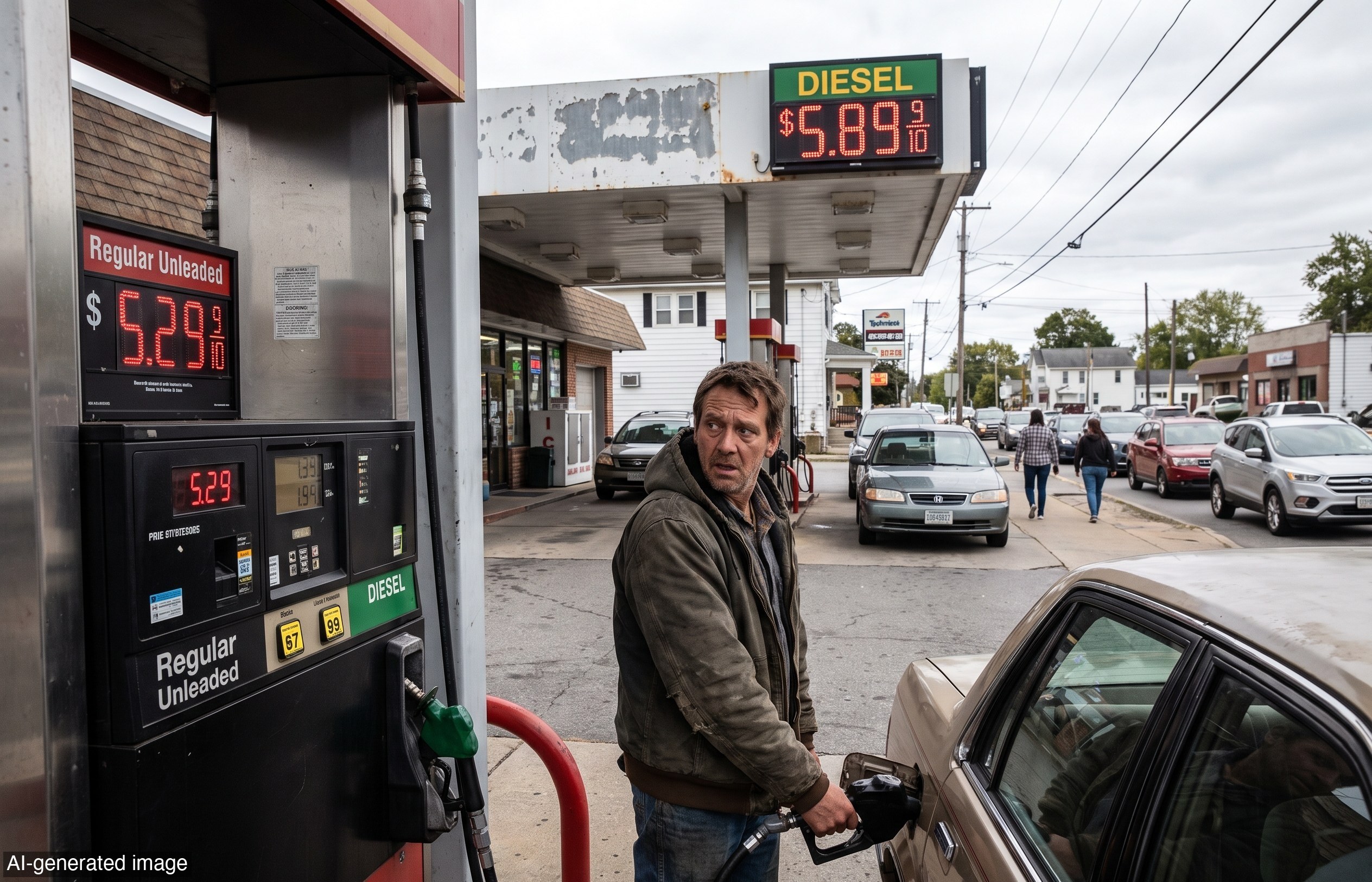
Oil Holds at $108.04 as Fuel Costs Keep Taxpayers on the Hook

China's debt interest reaches 19.2% of the budget as Beijing's growth model strains
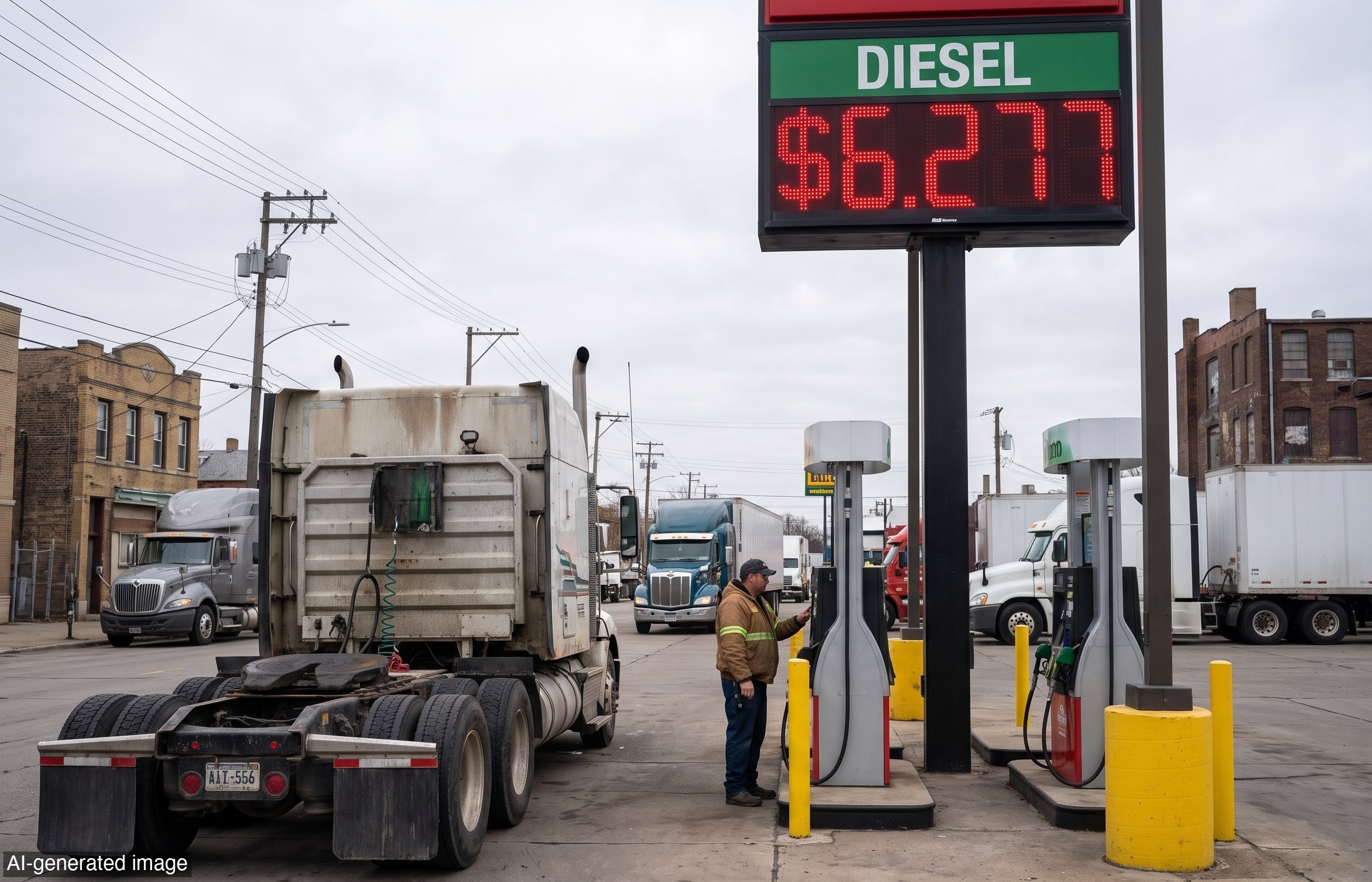
Trump’s diesel moves confront a $6.277 market as bond yields and inflation stay tight
Social Security’s 2032 funding gap is driving retirees to claim early
More from Markets & Finance
1.7 million trade jobs will open each year through 2035 as the labor pipeline leaks
A new workforce report says skilled trades will face 1.7 million openings annually through 2035, as retirements, weak retention, and a shrinking training pipeline strain employers. The numbers point to a labor market where free enterprise needs more workers than the system is delivering.
Oil holds at $105.72 as higher energy costs keep pressure on consumers
Brent crude was priced at $105.72 per barrel at 6:45 a.m. Eastern Time on October 9, 2026, down $2.61 from yesterday morning and about $40 above the level one year ago. Gas prices, shipping costs, and the broader cost of everyday goods can all move higher when oil stays elevated.
Shotwell’s $300 million SpaceX pledge opens a tax break for billionaire stock gifts
Treasury rules now let donated shares flow into Trump Accounts, creating a tax-advantaged route for the wealthy to move company stock through charities and into children’s accounts. The catch is concentration risk: kids may be left holding a single company’s fortunes.
Sequoia-backed Catalyst raises $30 million to automate retail trading with AI agents
Catalyst says its software turns plain-language intent into trading strategy and execution, with a human still required to approve each trade. The startup says a pilot produced hundreds of millions in trading volume over a couple of weeks.
Insiders Buy at a 23-Year Low as Bank Earnings Begin
VerityData found just 298 unique financial-sector buyers in the third quarter, the lowest level in nearly 23 years. The slowdown lands as JPMorgan, Goldman Sachs and Morgan Stanley prepare to report, while the IPO market has stalled and the Fed has kept pressure on dealmaking.
U.S. trade deficit hits $105.6 billion as Trump tariffs fail to shrink it
The trade gap widened 13.7% from July to August, reaching $105.6 billion, while imports rose faster than exports. The White House says reindustrialization is still paying off; economists point instead to AI-driven demand and volatile tariff policy.
Oil holds at $104.74 as higher energy costs ripple through the economy
Brent crude stood at $104.74 per barrel at 7:15 a.m. Eastern Time on October 7, 2026, up $3.31 from yesterday morning and about $38.60 from the same time last year. The price matters because crude remains the largest single driver of gasoline costs and feeds into shipping, refining and household expenses.
$13.1 Billion Reuben Move to Monaco Highlights the Cost of Britain’s 40% Tax
David Reuben has left the UK for Monaco after Britain ended its non-domicile regime and widened its reach to long-term residents’ worldwide assets. The move lands as California voters weigh Proposition 40, a one-time 5% levy on the state’s roughly 200 billionaires.
Robinhood Chain’s memecoin volumes hit $443 million, then fell 96%
Trading in memecoin-stock-token pairs on Robinhood Chain surged to $443 million in early September before dropping 96%. Circle’s Arc also saw more than $336 million in first-day memecoin launchpad volumes as the latest crypto boom quickly cooled.
Oil Holds at $105.81 as Higher Energy Costs Feed Through the Economy
Oil traded at $105.81 per barrel at 7 a.m. Eastern on October 5, 2026, up $2.44 from yesterday morning and about $40 over the past year. Higher crude prices tend to filter into gasoline, shipping and other costs that consumers and businesses ultimately pay.
U.S. 10-year yields rise 112 bps as Wall Street warns debt can’t keep climbing
Bond markets are flashing a warning as France and the U.S. see 10-year yields rise sharply over the year. Some on Wall Street argue a crisis could force change before debt pressures turn into something worse.
Social Security Faces Insolvency by 2032 as Economists Target Higher Earners
Two economists debating Social Security agreed on one thing: the system will need more money, and the burden is likely to fall on Americans at the top. The trust fund is set to become insolvent by 2032 under current policy.
Gen Z’s AI Anxiety Reaches 51% as Retirement Fears Rise
A new TIAA survey says 51% of Gen Z believes AI threatens their ability to save for retirement, with 42% worried it could disrupt careers or cut earnings. The numbers come first, and they show how fast technology risk is turning into personal-finance risk.
SPR Drops to 284 Million Barrels as Oil Market Faces a Thin Buffer
The Strategic Petroleum Reserve has fallen to about 284 million barrels, the lowest level since 1982, while oil executives disagree sharply on where the practical floor sits. The numbers come first: when the buffer gets thin, prices and taxpayer exposure can move fast.
Gen Z Sent $52% of Investors Into Sports Betting, but the odds still look brutal
Bank of America and other surveys show younger investors are moving money from savings and investing into betting apps at scale. The result is weaker balances, more delinquencies, and returns that still fall far short of break-even.
Bill Gross says avoid long bonds as $84 trillion in credit drives volatility
The former 'Bond King' says the debt market has become unbalanced, with government, mortgage and corporate credit now totaling about $84 trillion. He warns that higher yields can squeeze margins, lift volatility and punish investors who stay long duration.
US debt tops $40 trillion as bond market warns Washington
The 10-year Treasury yield hit 5.04%, the gross national debt crossed $40 trillion in August, and net interest payments reached $970 billion in fiscal year 2025. Congress remains stuck with no 2026 appropriations bills enacted and the budget fight punted to December 11.
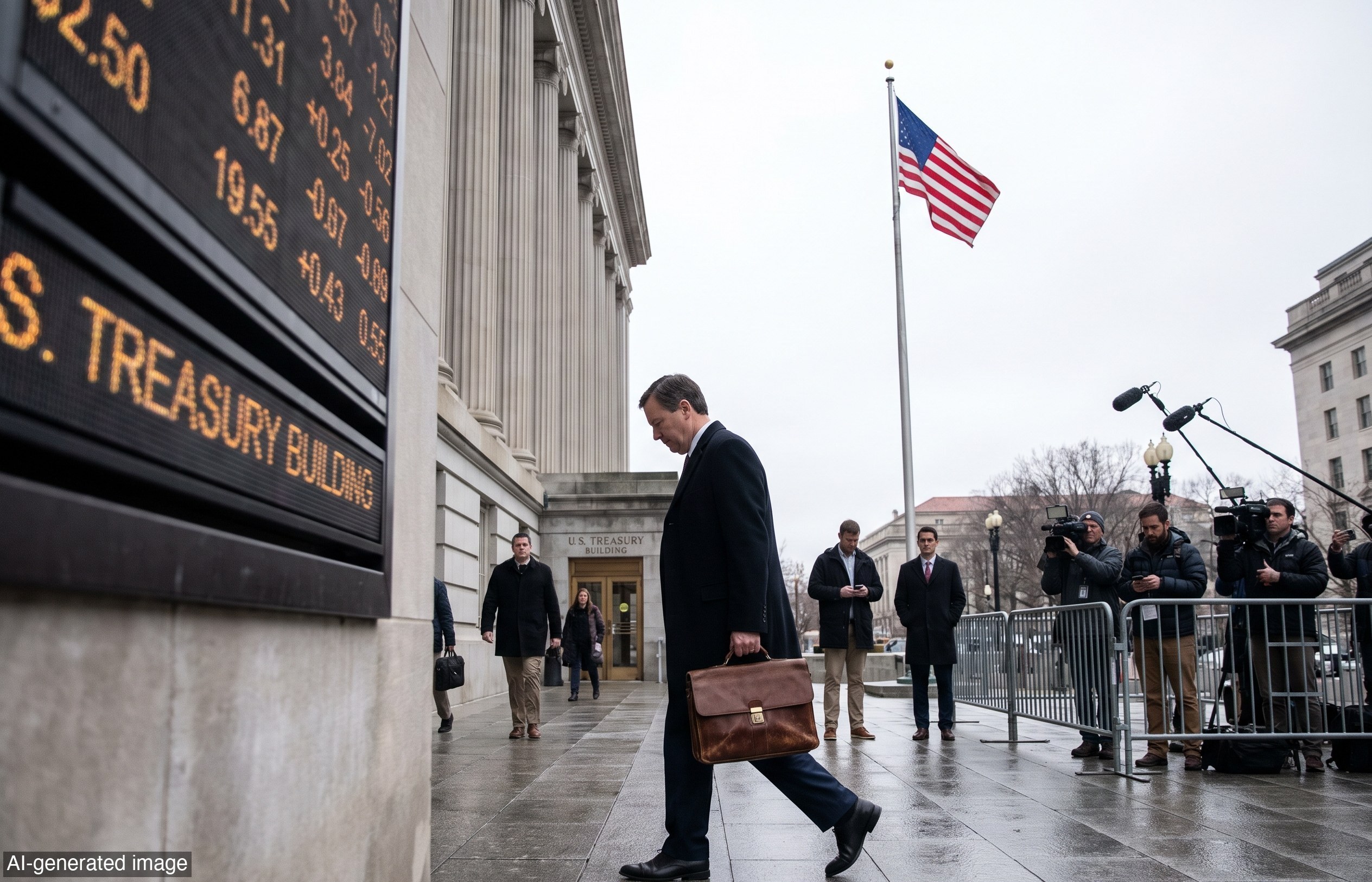
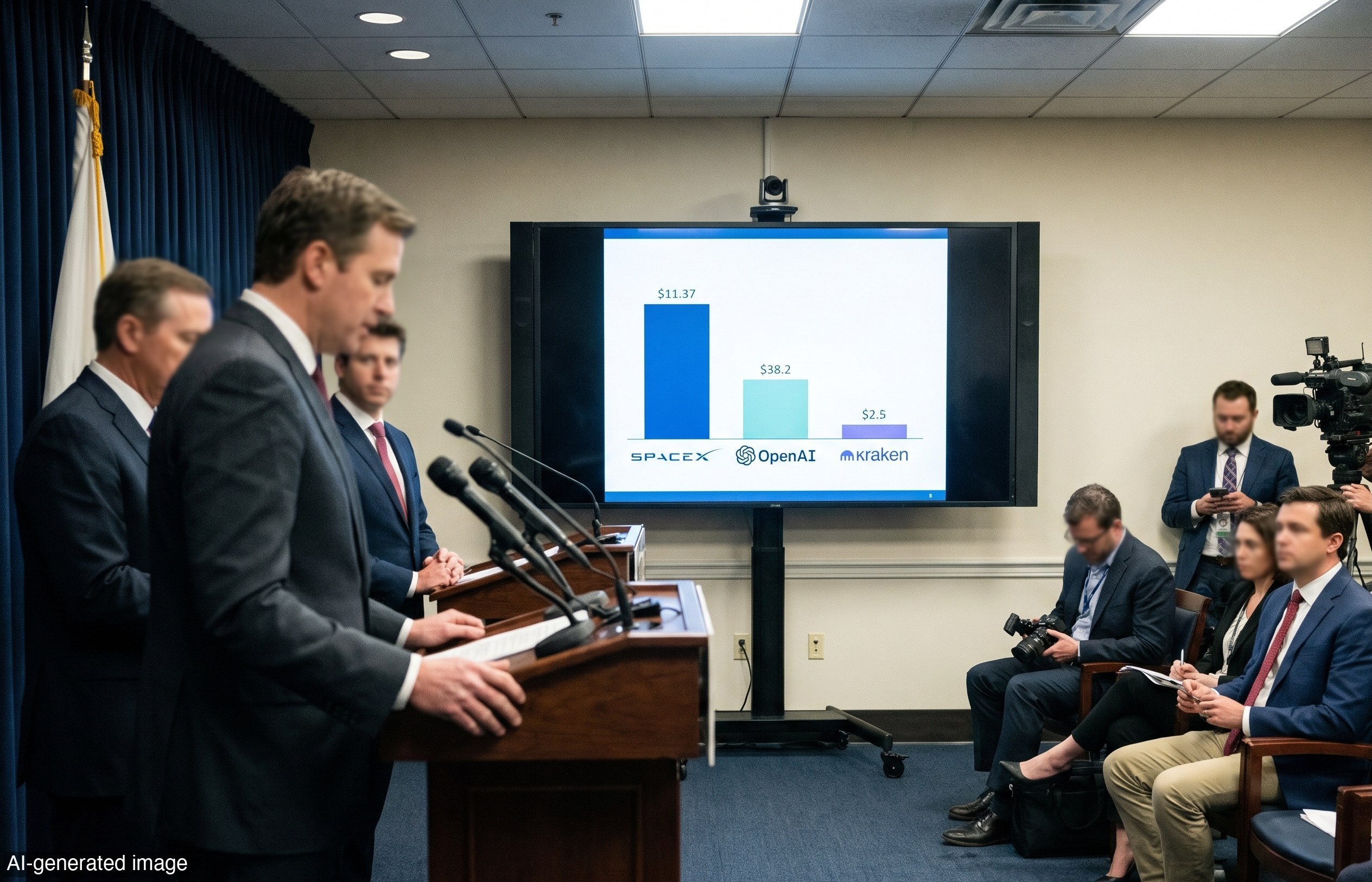
SEC says 35 investors lost more than $8.7 million in phantom pre-IPO deals
The SEC revealed cases tied to fake stakes in hot startups, including SpaceX, OpenAI and Kraken, as demand for pre-IPO shares keeps rising. The numbers come first: one case involved $8.7 million in alleged investor losses, while another included claims of diverted fund money and fake account statements.
Argentina Offers $350,000 Citizenship Path as Milei Hunts Dollars
Argentina will let wealthy foreigners seek citizenship with a nonrefundable $350,000 contribution to the Treasury or an $800,000 bond investment held for seven years. The move is aimed at bringing in dollars as the debt-burdened country faces nearly $25 billion in foreign-currency debt payments due in 2027.

Oil settles at $102.56 as higher fuel costs ripple through the economy
Brent crude stood at $102.56 per barrel at 9:25 a.m. Eastern on Sept. 30, 2026, up $2.37 from the prior day and about $35.87 from a year earlier. The move matters because crude still drives more than half of each gallon's cost and feeds through shipping, taxes and margins.
Citigroup lifts Bitcoin forecast to $113,000 as ETF inflows return
Citigroup raised its 12-month Bitcoin target from $82,000 to $113,000, citing renewed crypto demand, improving market sentiment and stronger ETF inflows. The bank also pointed to a weaker U.S. dollar and the Treasury Department's bond-buyback plan as tailwinds for digital assets.

Edward Jones CEO says 'giving while living' is gaining traction as 9 million clients rethink inheritance
Penny Pennington says more families are moving money before death to test values, help younger relatives and avoid messy inheritance decisions. The trend also reflects a broader shift: wealth is being managed more actively, with advisors and AI tools now part of the transfer process.
Iran’s rial sinks to a new low as war sanctions and a blockade choke its economy
Traders in Tehran are now exchanging more than 2.5 million rials to the U.S. dollar, a fresh record low. The collapse reflects years of sanctions, plus a U.S. naval blockade and new penalties imposed since the war began.

Bond market history exposes a $40 trillion debt machine
Robin Wigglesworth says the bond market is the 'actual beating heart' of the financial system, and his new book traces how credit helped finance war, empires and the modern United States. The backdrop is America’s $40 trillion national debt and a market that still moves the world.
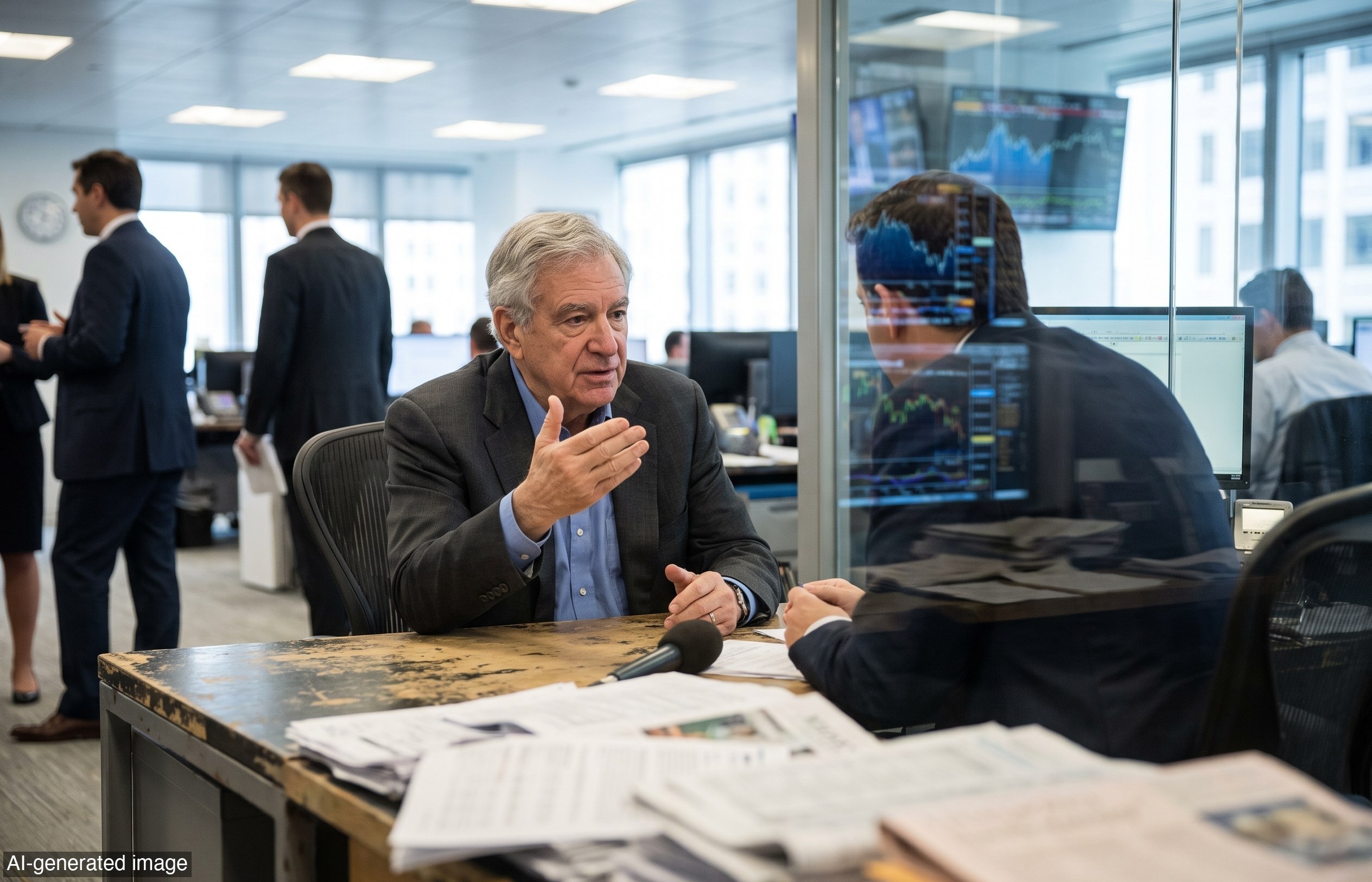
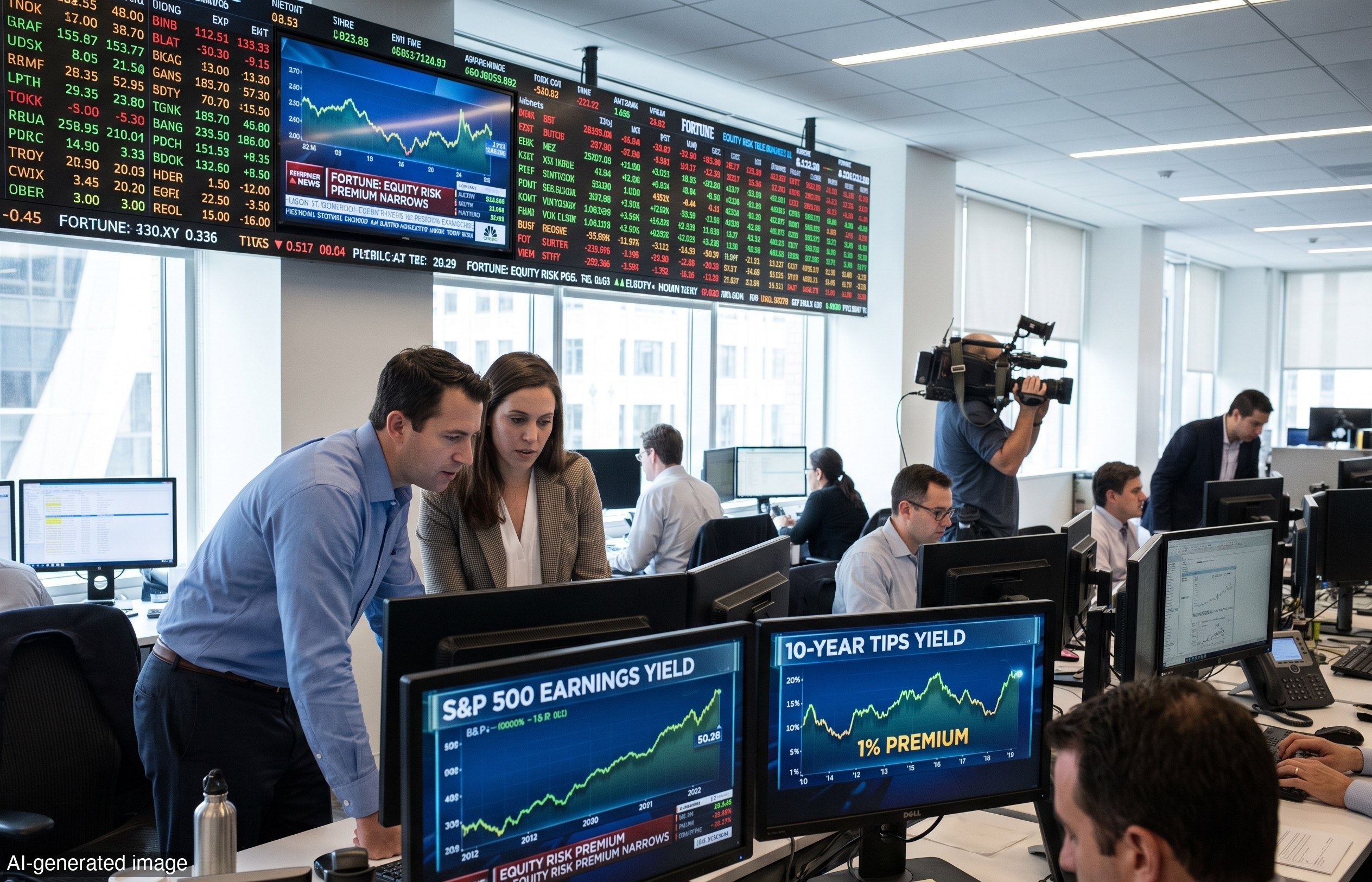
Stocks’ edge over Treasuries shrinks to 1% as the equity risk premium nearly vanishes
Fortune says the S&P 500 now offers only about a 1% premium over 10-year TIPS, far below the roughly 3.5% historical average. The numbers come first, and capital is paying a much thinner reward for equity risk than it did for much of the last decade.
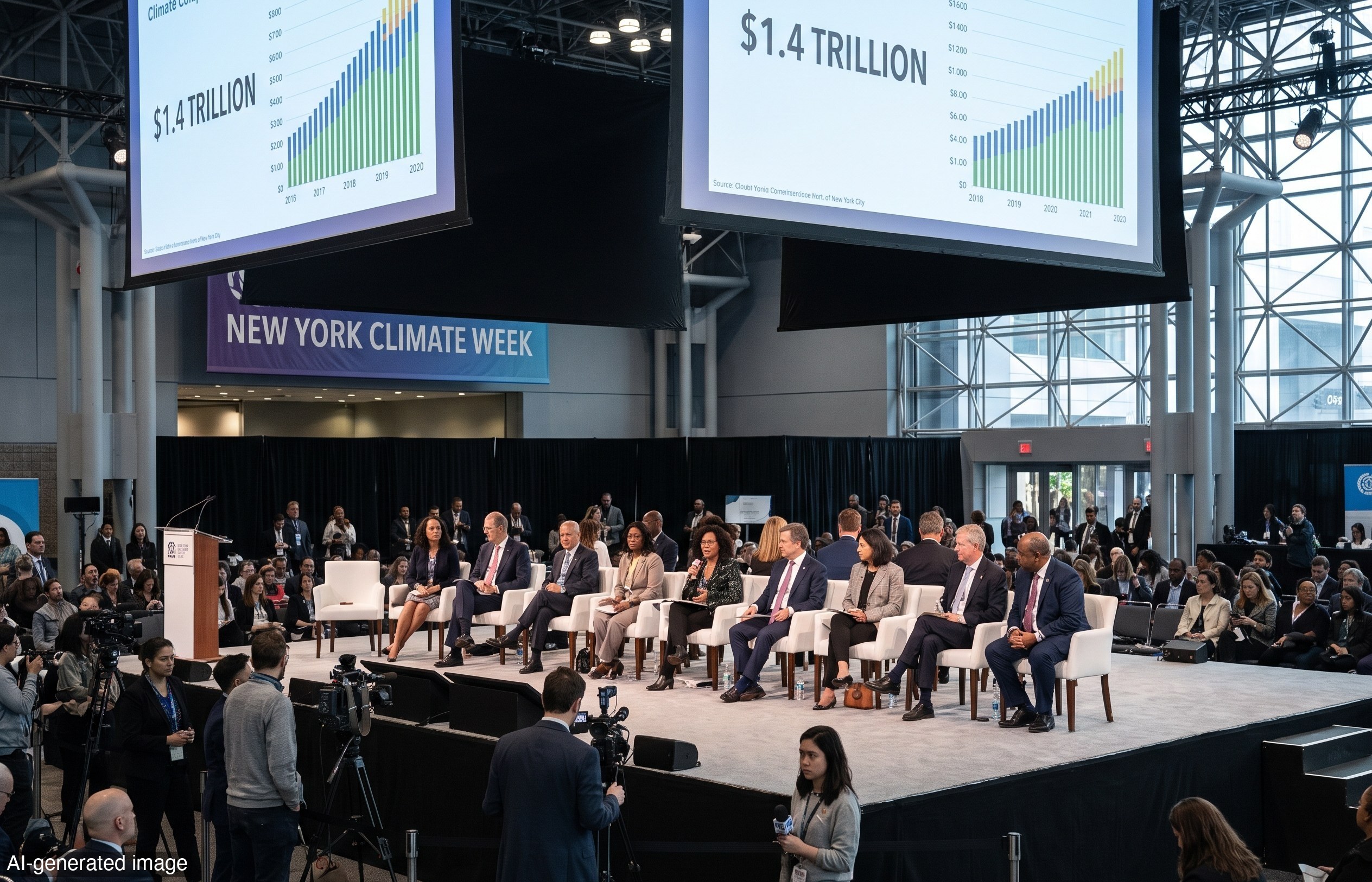
Climate mitigation’s bill lands at $1.4 trillion, and no one wants to pay
New York Climate Week underscored a hard truth: mitigation is costly, and the people calling for it are still struggling to say who pays. The economic case may be strong, but the financing gap is real.
Zcash jumps to $1,600 as privacy demand pushes the token to a 10-year high
Zcash briefly topped $1,600 on Wednesday, rising 88% over the past month and more than 28% this week. The move reflects investor demand for financial privacy, plus a fresh institutional push through a new exchange-traded product in Europe.
Oil rises to $104.46 as supply risk keeps gas prices elevated
Brent crude traded at $104.46 per barrel at 11 a.m. Eastern Time on Sept. 28, 2026, up $1.71 from the prior business day and about $37.13 over the past year. The price matters because crude still makes up more than half of what drivers pay at the pump, even before taxes and other markups.
37% of parents are relying on family money as childcare costs strain household budgets
Nearly two in five parents with young children expect help from grandparents or other relatives over the next year, according to BMO. The numbers come first: rising childcare, housing and everyday costs are pushing more families toward the Bank of Baby Boomers.

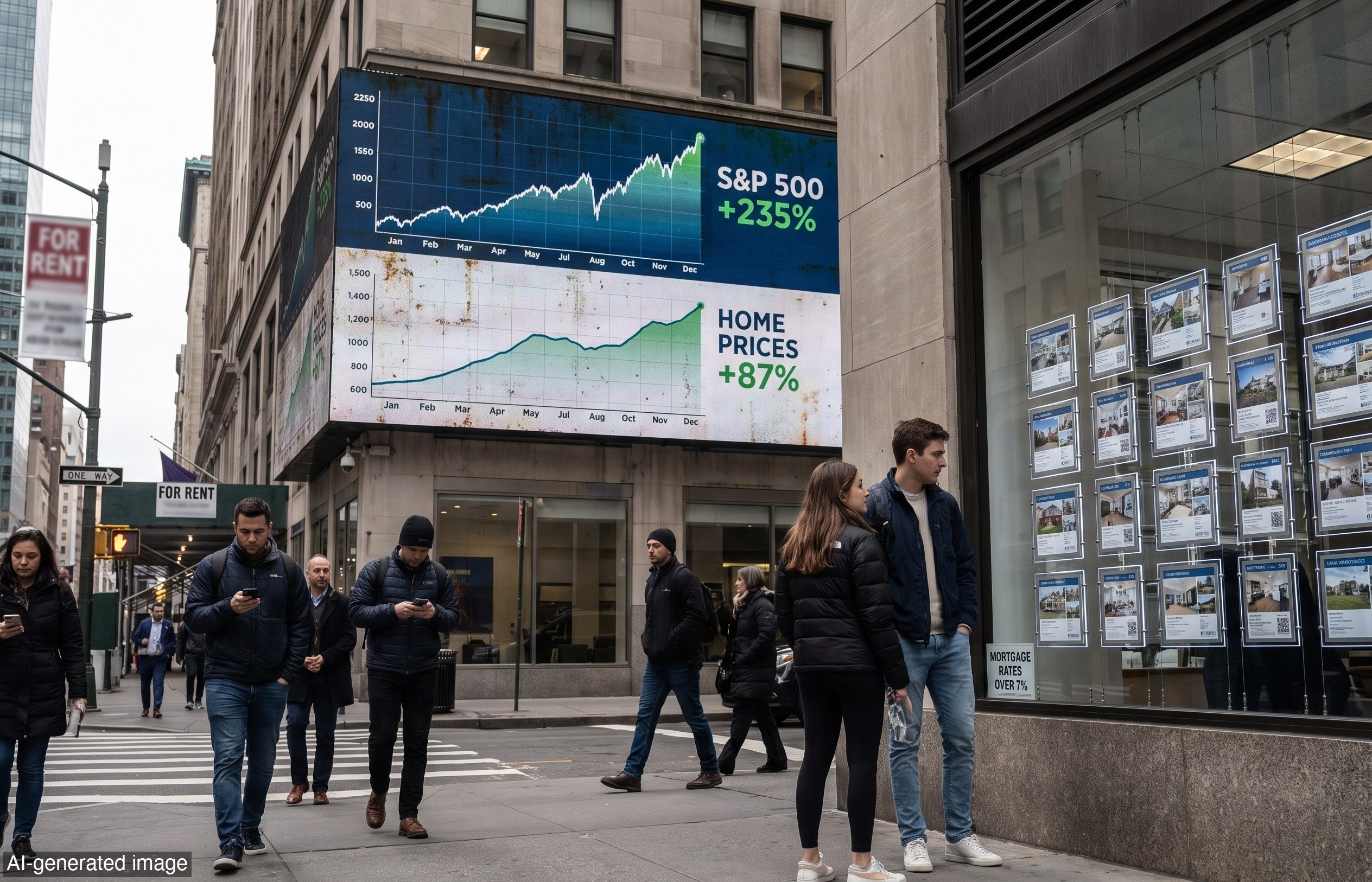
S&P 500 Beats Home Prices 235% to 87% as 7% Mortgages Freeze Buyers
The market has favored stocks over housing for a decade, and mortgage rates above 7% could widen the gap further. Younger Americans are increasingly renting and putting their savings into equities instead of chasing a down payment.
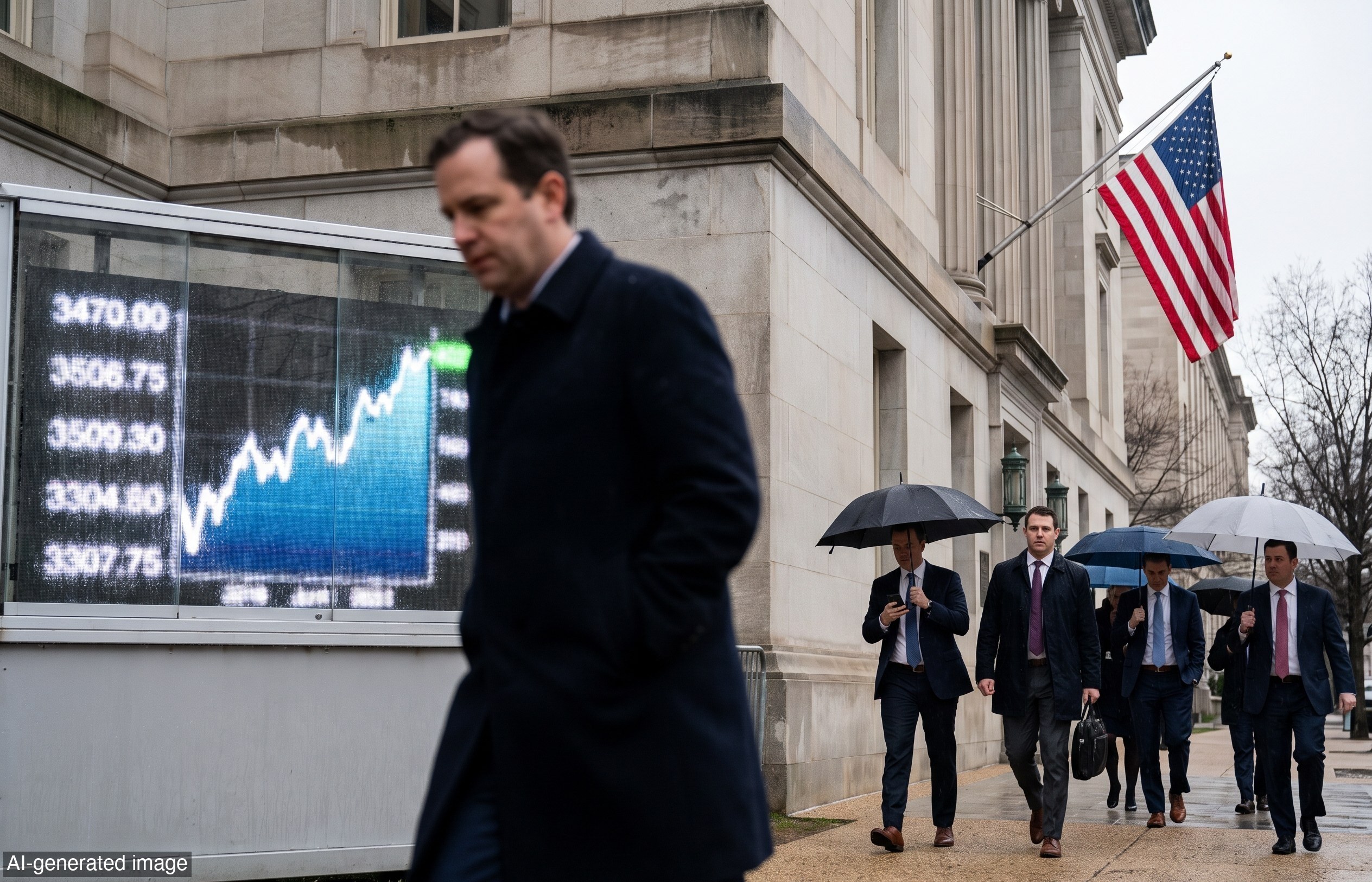
U.S. growth stays ahead of 5.16% yields as debt costs climb
The economy is still expanding faster than borrowing costs, but higher Treasury yields are squeezing Washington’s financing math. The numbers come first: if nominal growth slips behind rates, the debt burden gets harder to outrun.
France Unveils $512 Million Energy Aid as Fuel Costs Squeeze Bakers, Drivers and Rural Workers
Paris is moving to cushion households and businesses as soaring fuel prices hit commuting, heating and food production. The package targets the rural economy, where transport and energy costs are hardest to absorb.

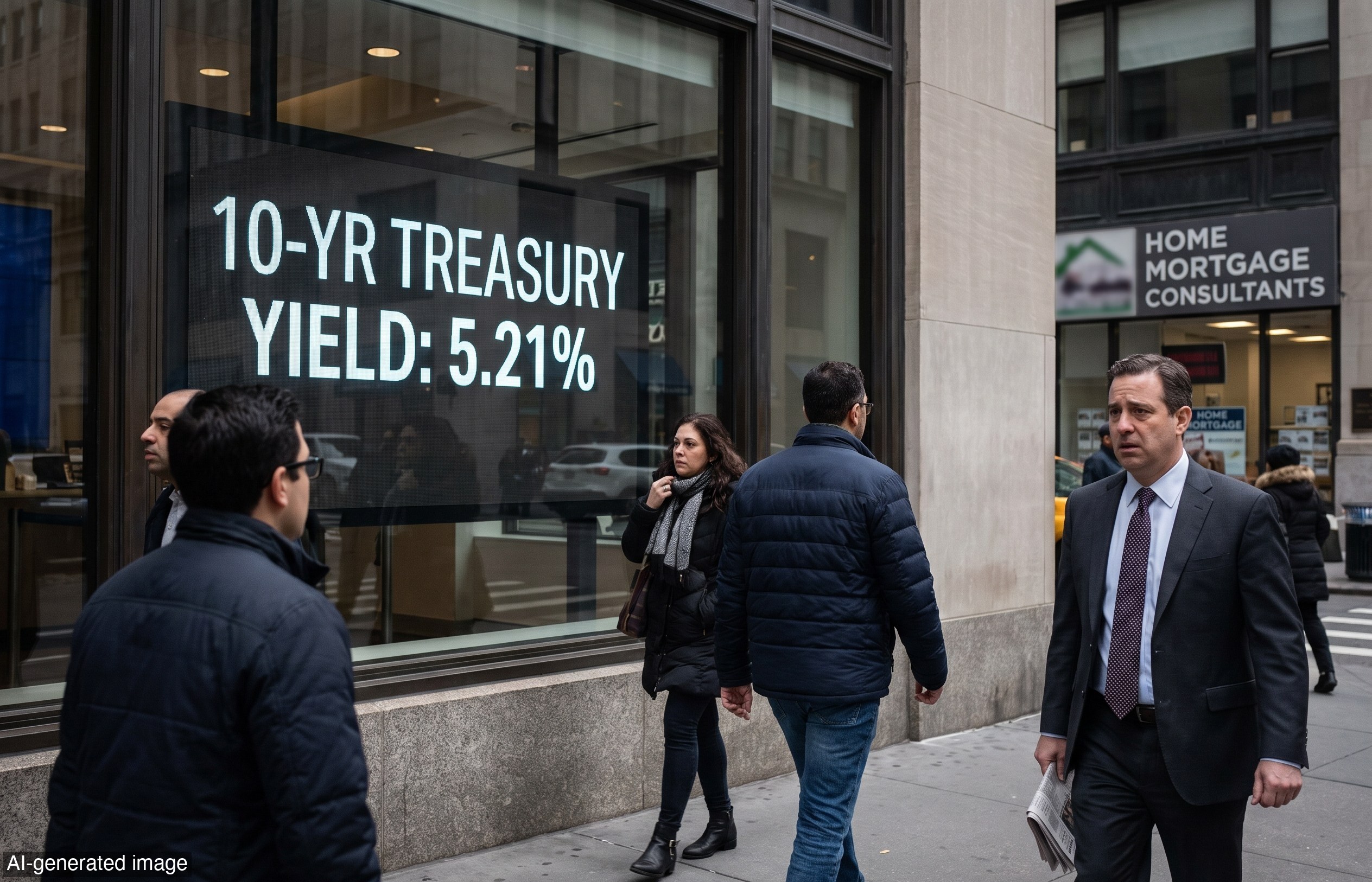
10-year Treasury yield hits 5.21% as Washington’s borrowing stress meets higher mortgage costs
The 10-year Treasury yield reached 5.21%, its highest level since 2007, while the average 30-year mortgage rate climbed to 7.45%. Wall Street is split on whether that reflects a strong economy or rising doubts about U.S. debt.
Oil Hits $104.67 as Supply, Geopolitics and Policy Keep Prices Hot
By 10 a.m. Eastern Time on September 24, 2026, Brent crude had reached $104.67 per barrel, up $2.64 from yesterday morning and about $36 from a year earlier. The market is still being driven by supply, demand, geopolitics and policy choices that eventually reach the pump.
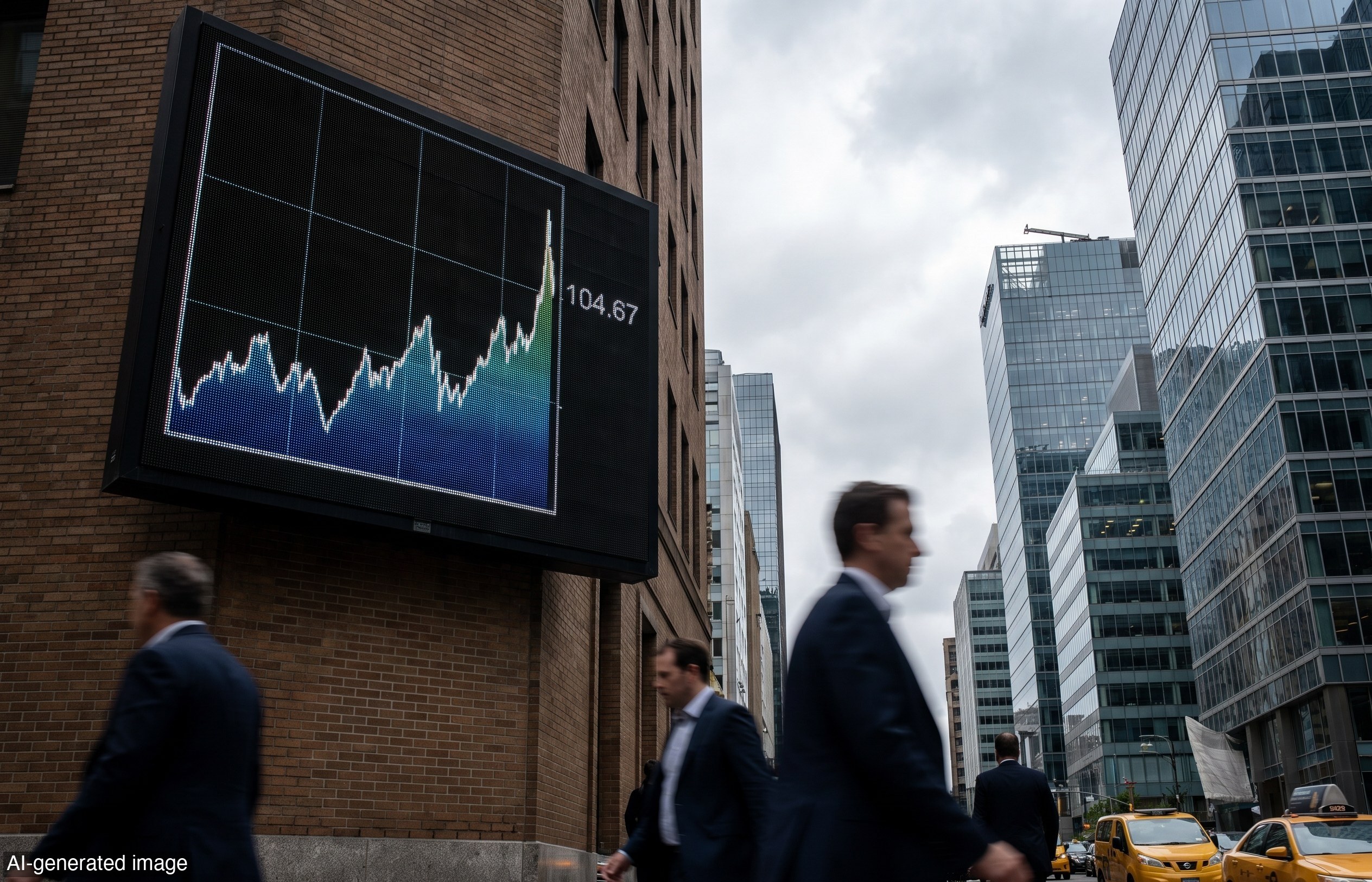
Small currencies gain ground as the dollar loses trust
As the U.S. uses tariffs, payment systems and financial leverage more aggressively, investors are looking harder at smaller nations with open capital markets, floating exchange rates and strong institutions.

Kalshi could reach $42 billion as Supreme Court fight threatens its model
Prediction market Kalshi has drawn a $1 billion investment that valued it at $22 billion, and analysts say it could reach $42 billion if it clears a looming Supreme Court case. The legal risk is blunt: states may get the right to regulate its business.
Gen Z Skips Meals as 85% Say Healthy Food Is Too Expensive
A survey of 1,000 students found that 85% wish they ate healthier, while nine in 10 who completed at least one year of college cut back on food or skipped meals to cover bills, rent, or tuition. The numbers come first: rising grocery costs are forcing young consumers to trade nutrition for survival.
Bill Perkins says inheritance works best at 28 to 33, not at death
The hedge fund multimillionaire argues that money can have its biggest impact before children are older and less able to use it for housing, debt, or opportunity. He says the common habit of waiting until death often turns inheritance into an autopilot decision.
A $40 trillion debt could lift household income by $36,000, study says
The Committee for a Responsible Federal Budget says deficit reduction could ease inflation, lower interest rates, and strengthen private investment. Its modeling puts the long-run household gain at nearly $36,000 versus rapidly rising debt.
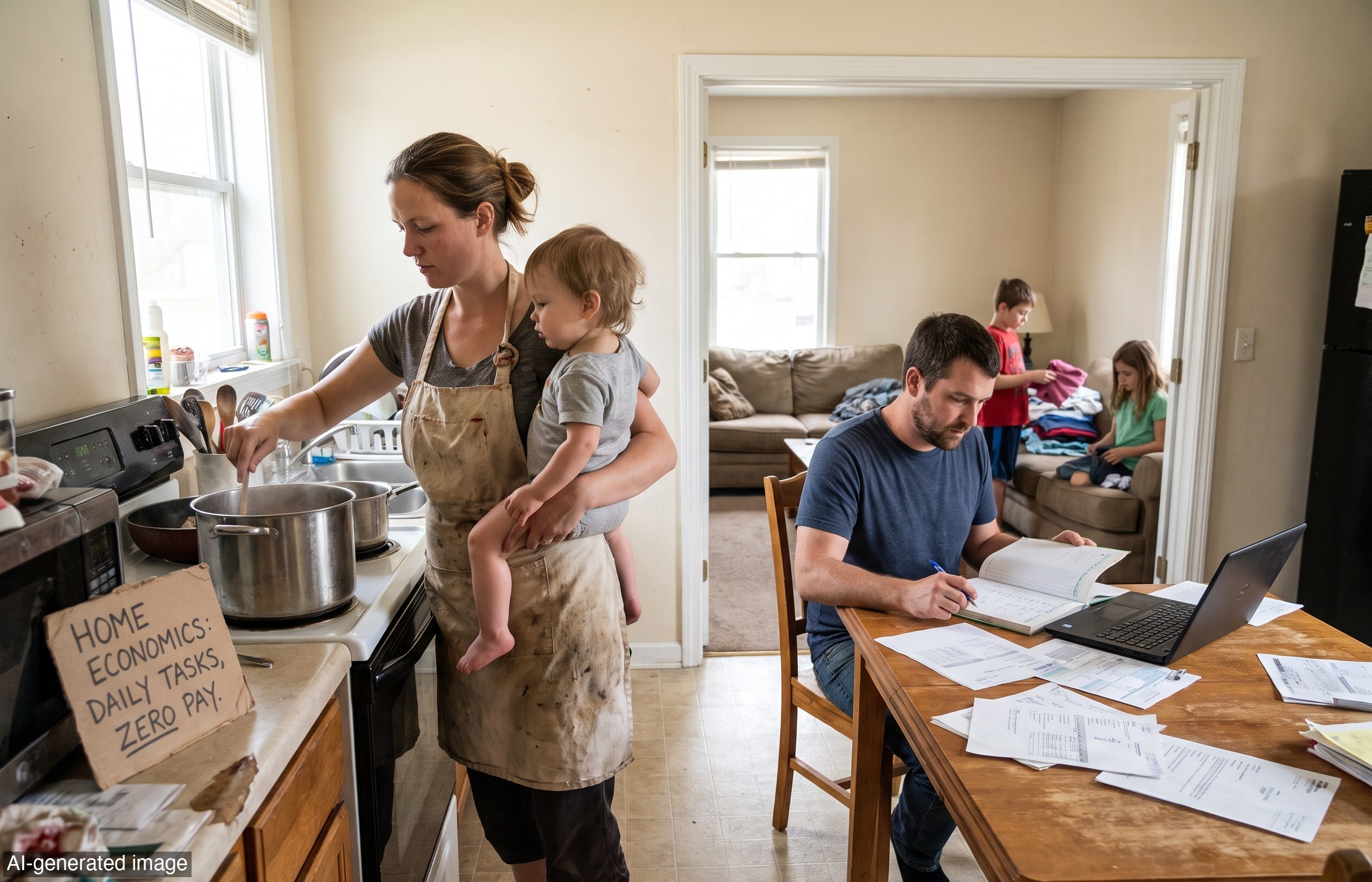
$6 trillion of unpaid labor shows GDP is missing a huge part of the economy
A GAO report says unpaid household work is worth up to $6 trillion a year, yet it does not count in GDP. The gap can distort how policymakers and investors read growth, living standards and productivity.
Gift-of-equity home sales can cut the down payment bill by the appraised gap
Families can transfer part of a home's value to a buyer by selling below appraised value, turning paper equity into a down-payment tool. The tradeoff is paperwork, lender review and possible tax consequences later.

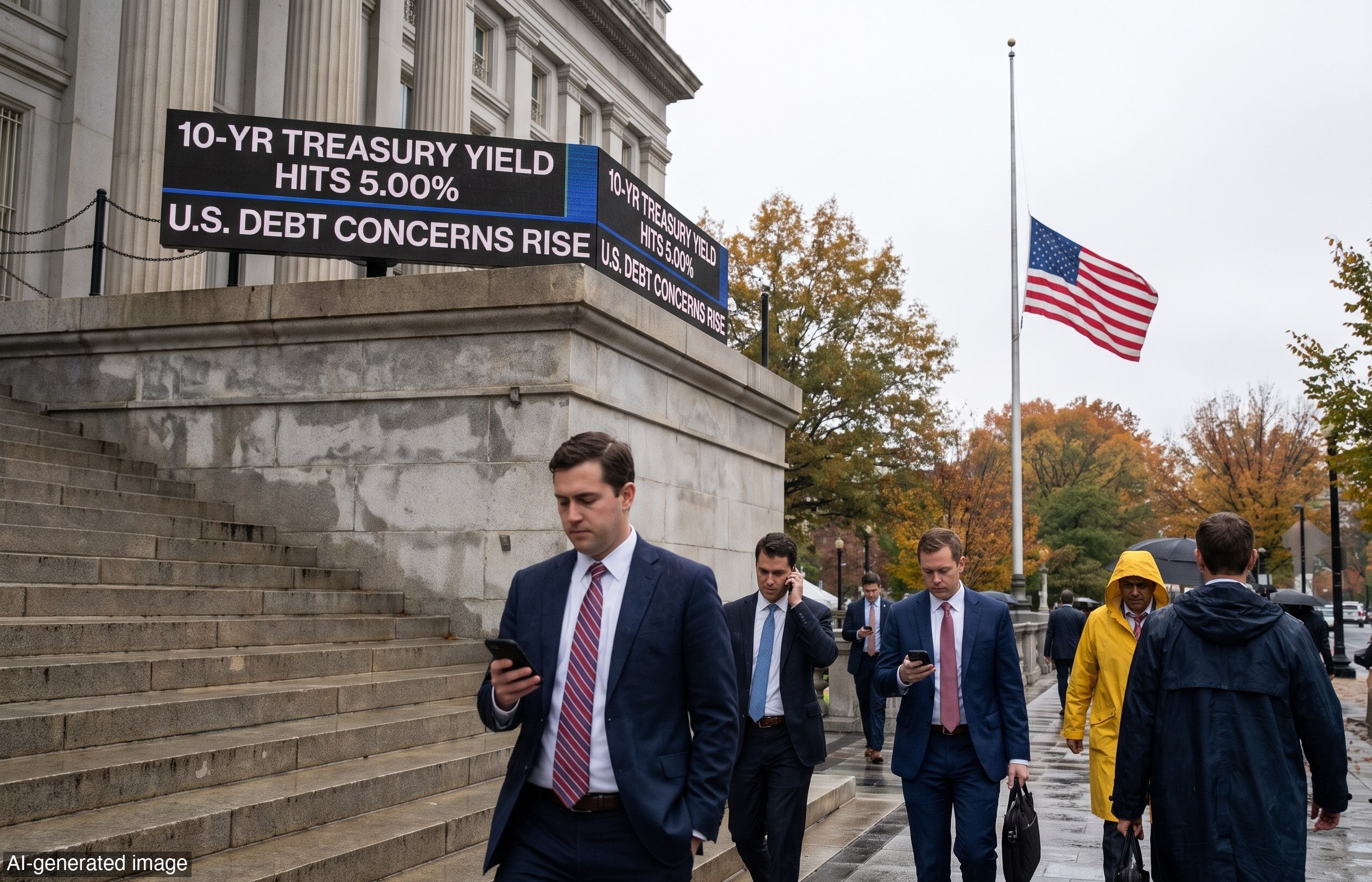
10-year Treasury yield tops 5% as $40 trillion debt pressure hits the bond market
The 10-year Treasury yield hit its highest level since 2007, forcing a sharper rethink of U.S. debt costs and deficits. Rising borrowing costs are already pressuring the Treasury market and making the federal bill look far more expensive.
China's 1.4 Billion-Barrel Stockpile Keeps Oil Prices From Spiking Higher
Oil remains volatile, but analysts say the market could have been far worse if China had not spent years building a strategic reserve of about 1.4 billion barrels. That cushion is now helping soften the price shock as pressure around the Strait of Hormuz and the Middle East spreads.
Jet fuel at $4.71 pushes American, United and Southwest to cut marginal routes
Airlines are trimming low-profit flights as fuel costs climb near a 20-year high, squeezing capacity and pushing fares higher for travelers. The numbers come first: higher input costs are forcing carriers to protect margins and free cash generation.
Gen Z is putting AI in charge of money as betting surges to nearly $17 billion
A generation that says AI threatens its job security is still handing algorithms power over financial decisions, while some of the same users redirect investing money into sports betting. The result is a sharper warning for anyone watching risk, incentives, and the cost of bad judgment.

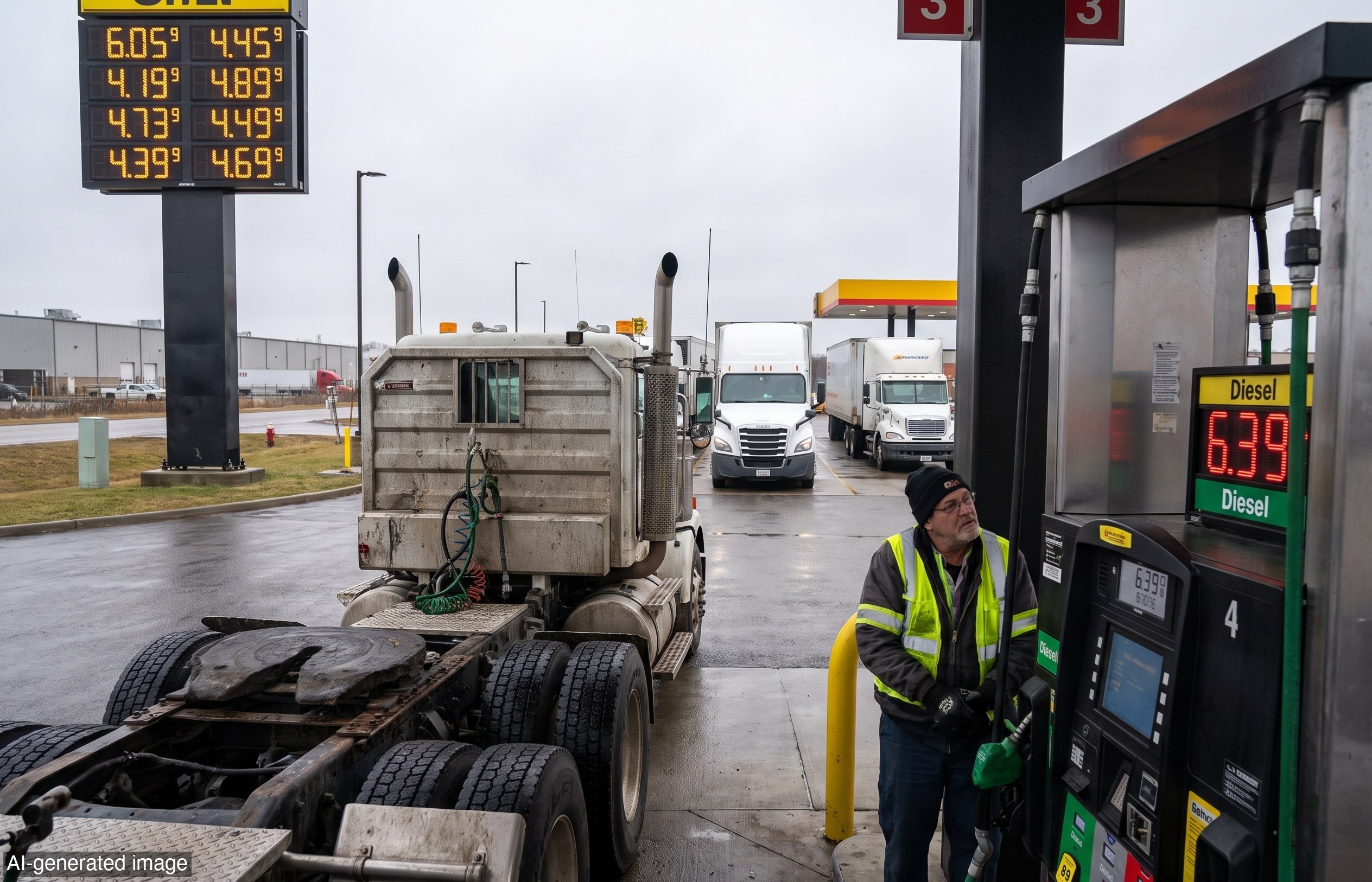
Oil Tops $100, but Diesel at $6.39 Is the Real Tax on Growth
Economists say the $100 crude benchmark is less dangerous than the higher gasoline and record diesel prices already hitting consumers and businesses. The market has already voted: the real pressure point is fuel costs that squeeze spending, shipping, and production.
Goldman puts $2.3 trillion in issuance behind its AI earnings bubble warning
Peter Oppenheimer says AI infrastructure spending and government borrowing are competing for the same pool of capital, pushing up the global cost of capital. Goldman’s credit team now sees record $2.3 trillion in U.S. investment-grade issuance this year.
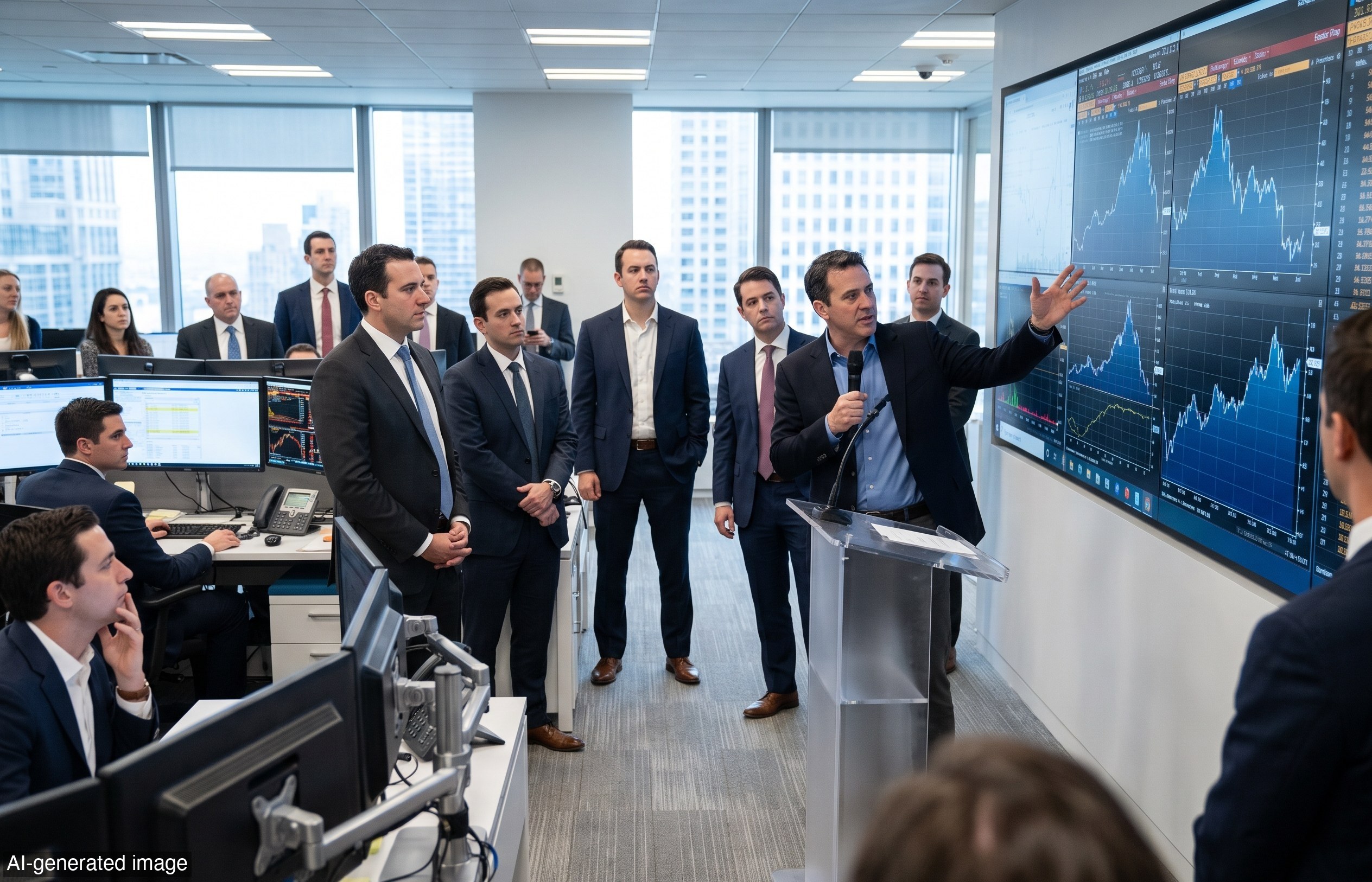
AI is closing the entry-level ladder for 22-to-24-year-old grads, and 12% fewer are getting hired
Census papers show early-career hiring in the most AI-exposed industries fell 12% after ChatGPT's release, while many graduates from those majors ended up in retail and food service. The market has already voted: when the white-collar rung disappears, earnings fall and the taxpayer is left with the bill for a weaker labor pipeline.

Tight mortgage rules and 6.76% rates squeeze buyers as home sales slide
The benchmark 30-year fixed rate mortgage rose to 6.76% from 6.71% last week, the highest rate since June 2025, while existing-home sales fell 2% in July to a seasonally adjusted annual rate of 3.98 million units. A Pew study says lending standards are so tight that many buyers now need 'pristine' credit histories to qualify.
Oil falls to $103.98 as supply, demand and policy keep fuel costs volatile
Brent crude traded at $103.98 per barrel by 8 a.m. Eastern on September 17, $4.36 below the prior morning and about $36 above a year earlier. The price still feeds directly into gasoline, shipping and the broader cost of goods.
Fed rate hike pushes borrowing costs higher as CFOs brace for a cycle
The Federal Open Market Committee raised its benchmark rate by a quarter point to 3.75%-4%, and officials now see the median rate ending 2026 at 4.1%. For corporate finance chiefs, the message is simple: this looks less like a one-off and more like a new cost of capital cycle.
America's couch economy is reshaping spending as 58% of domestic purchases move online
Visa data show U.S. domestic spending online and in-app rising from 48% to 58% between 2019 and 2026. The shift is helping convenience-first businesses while deepening the costs of isolation, lost productivity and weaker community life.
Unpaid work trials turn hiring into a hidden tax on job seekers
Companies are increasingly asking candidates to perform unpaid work trials before an offer letter, a practice that can exclude workers who cannot afford to give up a week of pay.

Oil Holds at $106.57 as Supply Rules the Energy Bill
As of 9 a.m. Eastern Time on Sept. 15, 2026, oil was trading at $106.57 per barrel, $3.85 below yesterday morning and about $39 above a year ago. The numbers come first: when crude moves, gas, shipping, and broader prices tend to feel it.
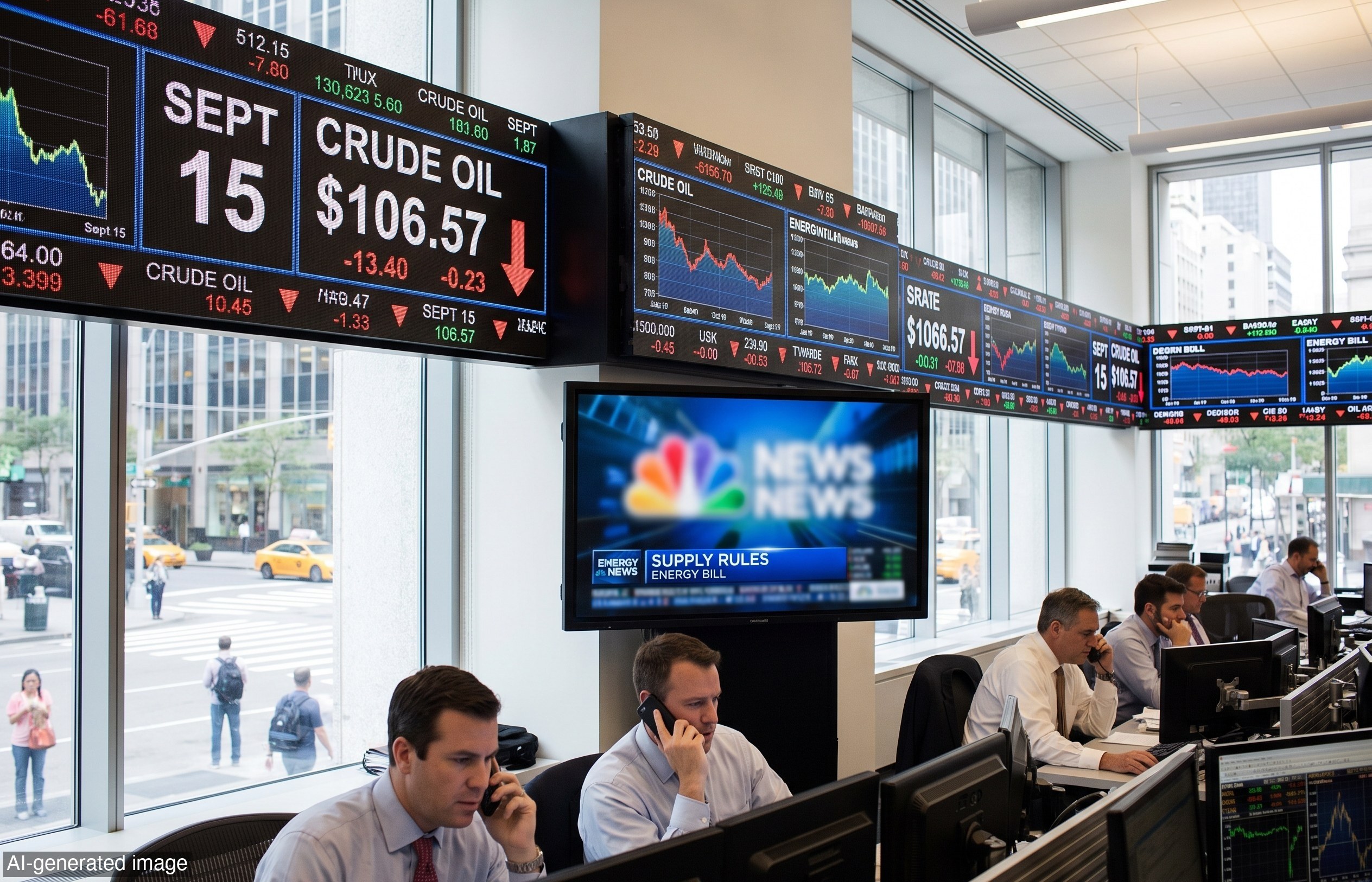
Oil spike pushes 10-year U.S. yields past 5%, and the debt bill is getting bigger
Brent crude jumped as high as 4% to nearly $110 a barrel, and the benchmark 10-year Treasury yield briefly topped 5% for the first time since 2023. The market is now pricing a harder path for the Fed, and a more expensive one for taxpayers.
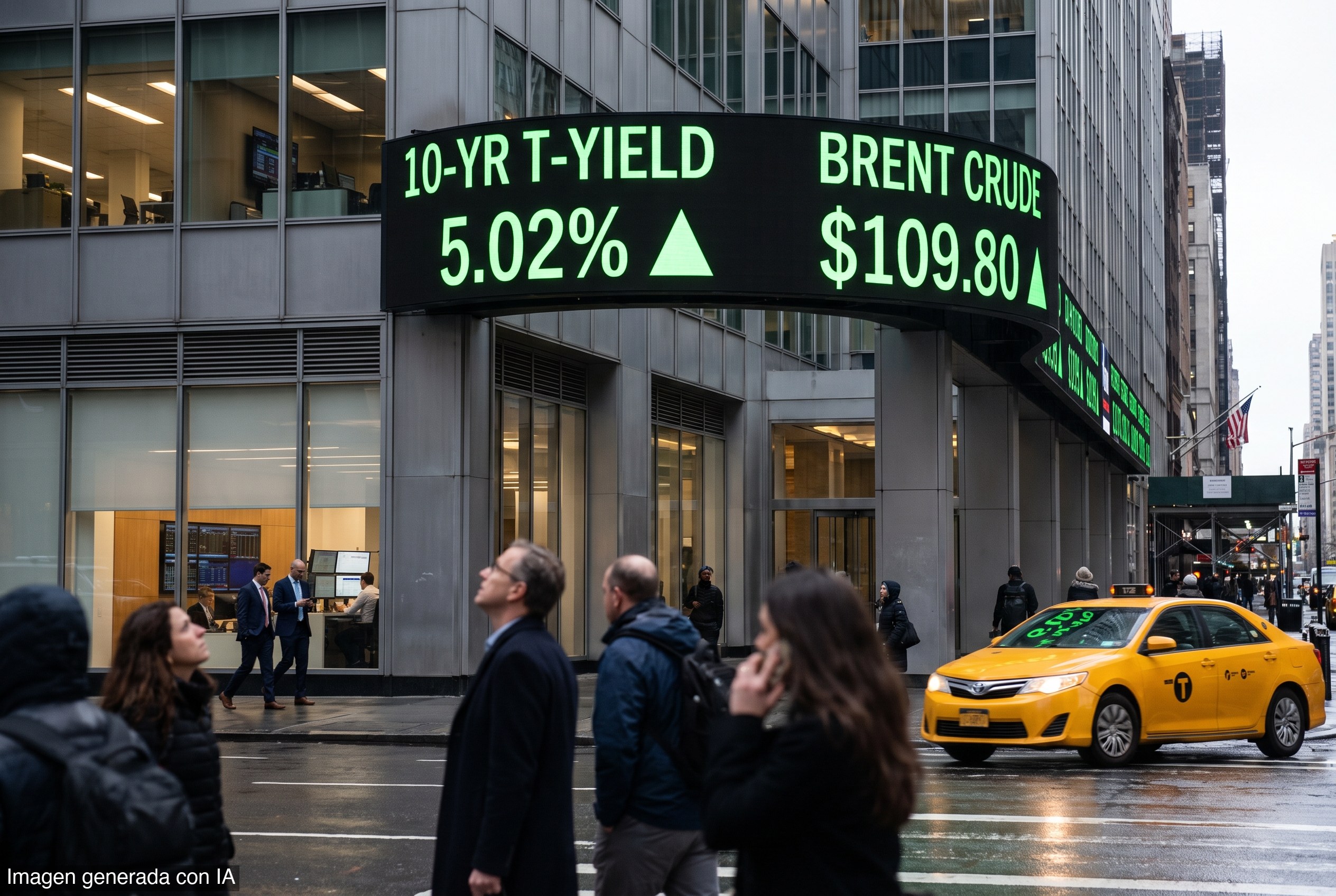
Fed rate hike could puncture a $450 billion AI stock swing
Wall Street is calling the moment 'crazy days' and 'silly season' as one firm warns the AI trade has reached 'late-stage bubble' territory. The Federal Reserve is expected to raise interest rates for the first time since July 2023, with two governors reportedly set to dissent.
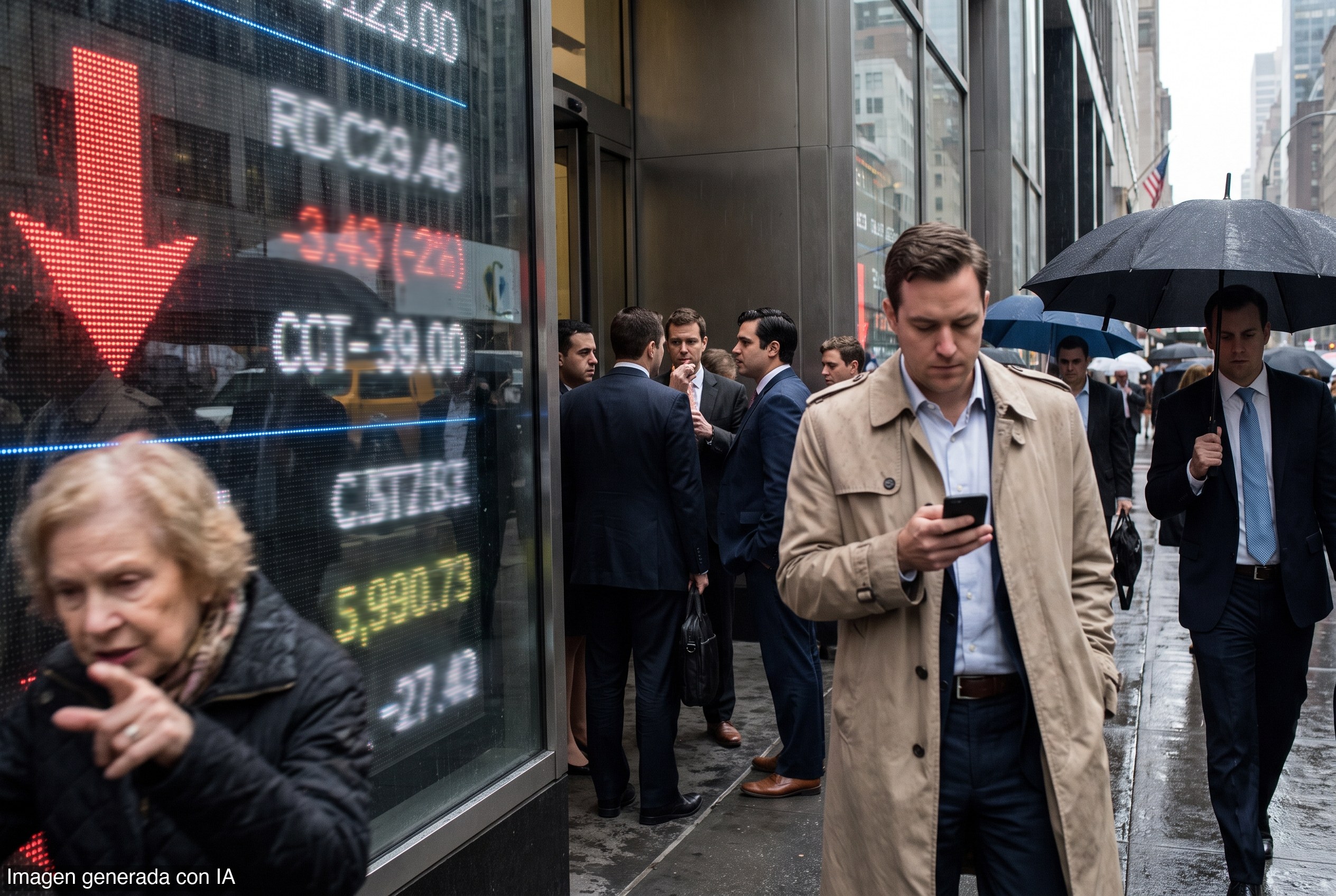
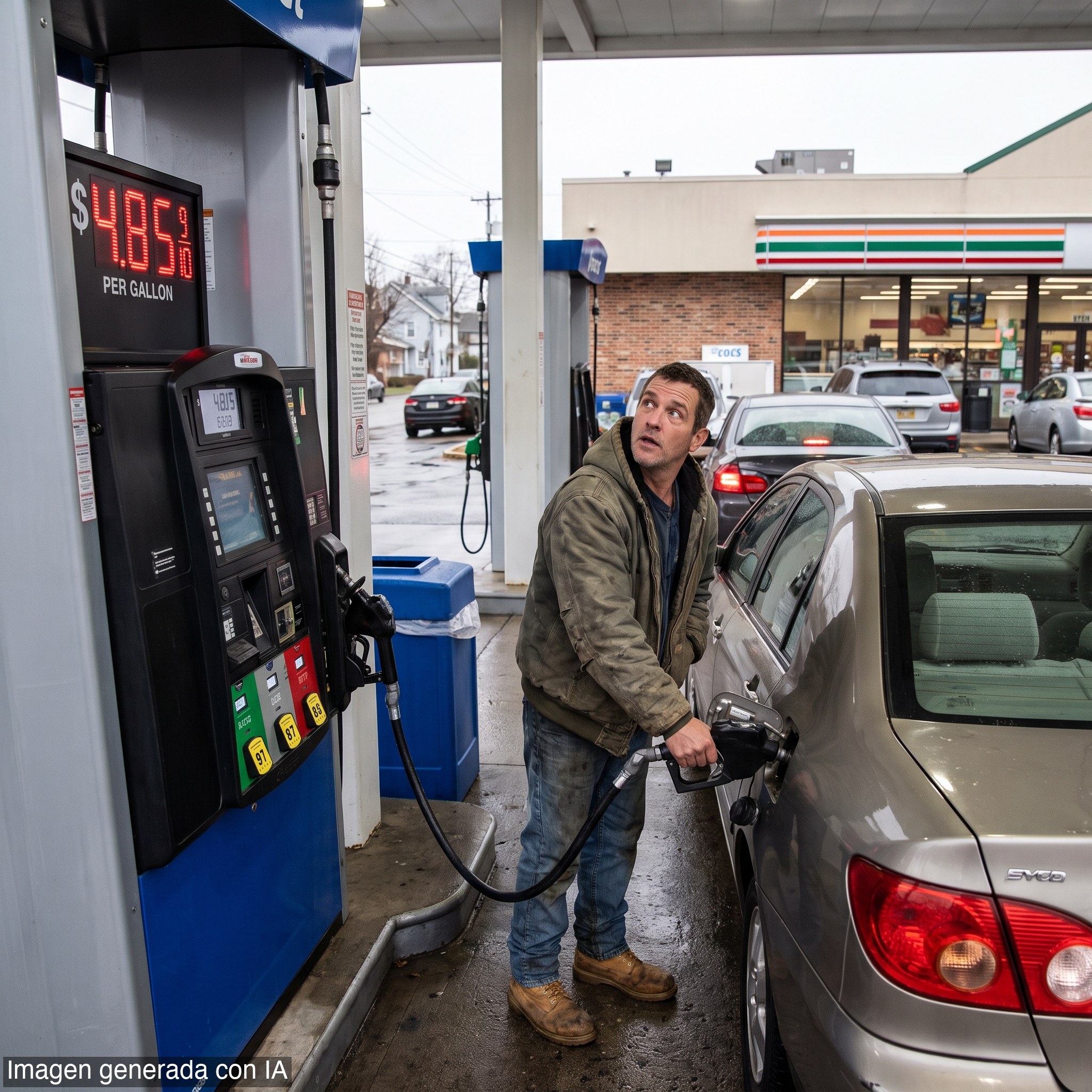
Diesel Prices Jump 60% as the Iran War Drives Up Farm Costs
U.S. diesel prices have climbed 60% from prewar levels, squeezing farmers already paying more for fertilizer, seeds and equipment. One Missouri farmer said he is paying twice as much for fuel and expects the higher costs to cut into his bottom line.
$155,600 earners now call themselves working class as affordability squeezes America
A Pew analysis found 60% of U.S. adults now identify as 'working class', including half of upper-income adults earning above $155,600 a year. The shift captures how inflation, housing costs and weak wage growth have pushed even top earners into financial strain.
Stocks Could Drop 21% as Bubble Signals Flash and Treasury Yields Near 5%
Capital Economics says the S&P 500 could end 2026 higher before falling 21% by the end of 2027, while 10-year Treasury yields near 5% would point to tighter money and a more expensive era for borrowing.
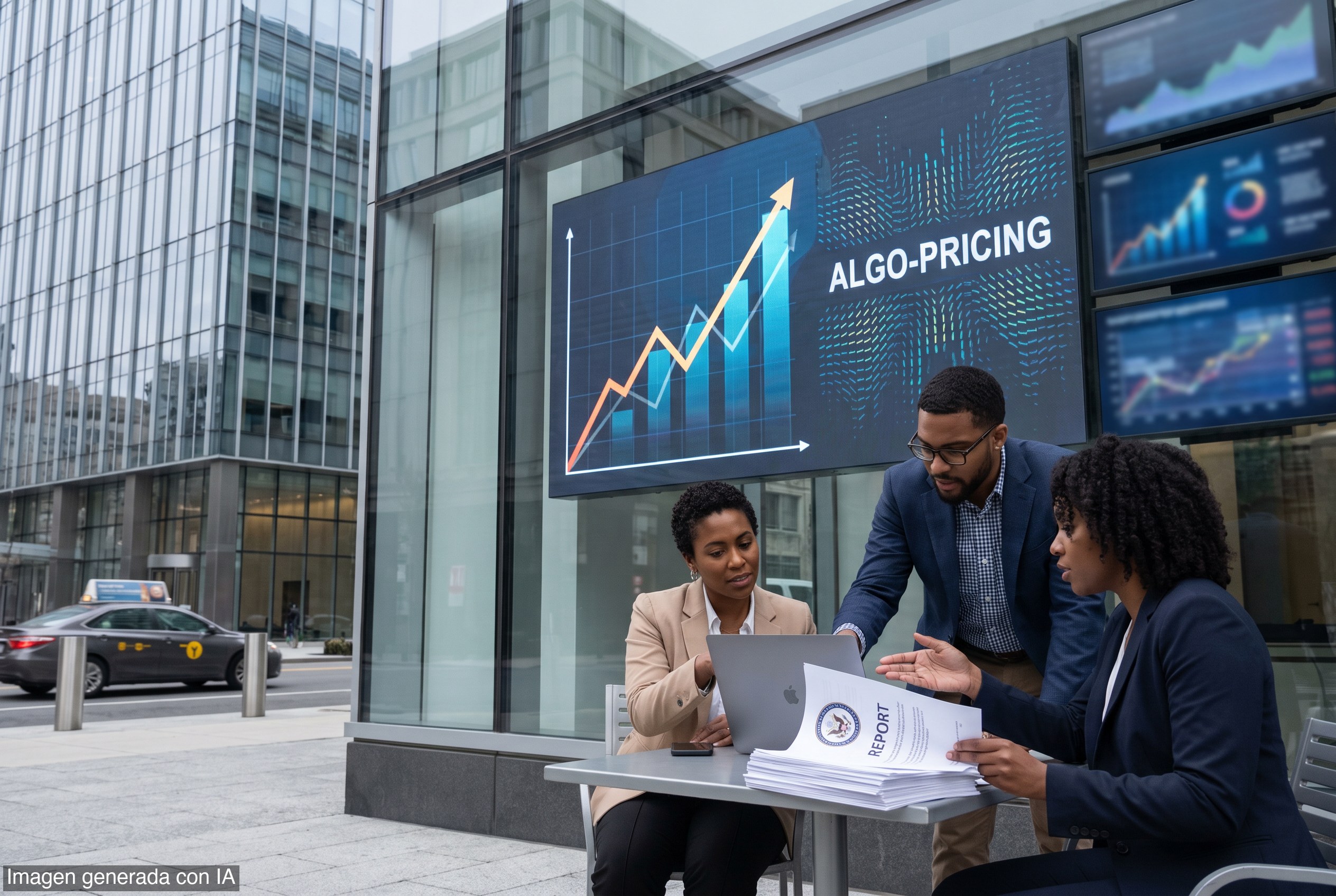
Algorithms may raise prices without any human cartel
FTC claims, German gasoline data and controlled experiments all point to the same risk: pricing software can learn to stop competing and lift margins without a meeting, a message or a formal agreement.
Peter Levin uses 500,000 cards as a hedge against a $40 trillion debt problem
A venture capitalist says his lifelong collecting habit has become part passion, part investment strategy, as heavy government borrowing pushes investors to hunt for alternatives. Levin says his trading cards, comic books and collectibles may hold value even when the bond market looks strained.
Brent Crude Hits $102.05 — Up $35 From a Year Ago as Supply Pressures Mount
Oil's year-over-year surge of roughly $35 per barrel is already working its way into consumer costs, from the gas pump to the grocery shelf.
Latitude Raises $35 Million to Route Stablecoins Into Local Bank Accounts Across 80 Countries
The Texas-based payments infrastructure startup, founded by Stripe and Uber veterans, closed a Series A led by Oak HC/FT to eliminate the last mile between stablecoins and local currency.

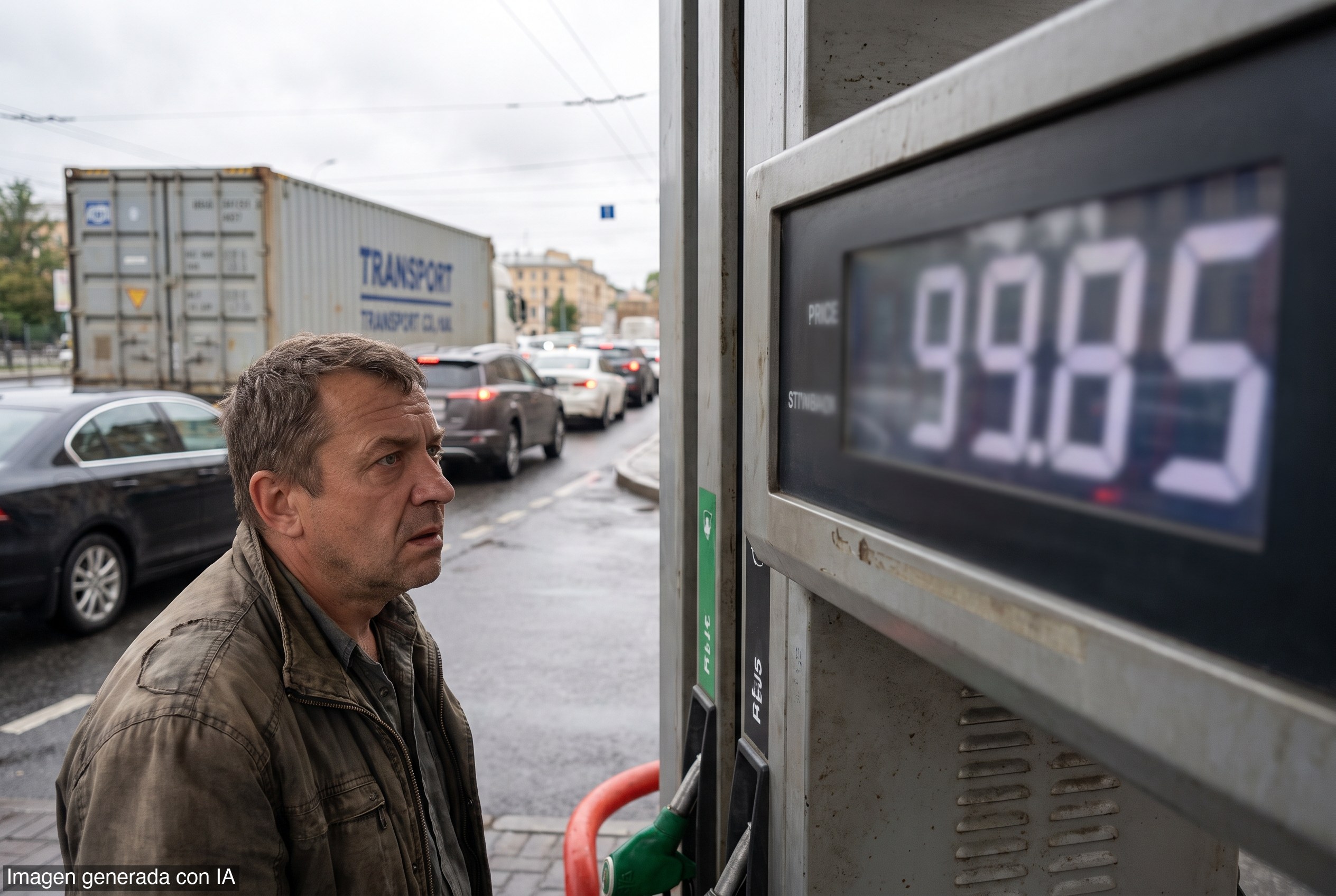
Oil Hits $99.85 a Barrel — Up More Than $33 in a Year
Brent crude crossed the $100 threshold in early September 2026, squeezing consumers at the pump and raising the cost of nearly every good that moves by truck or ship.
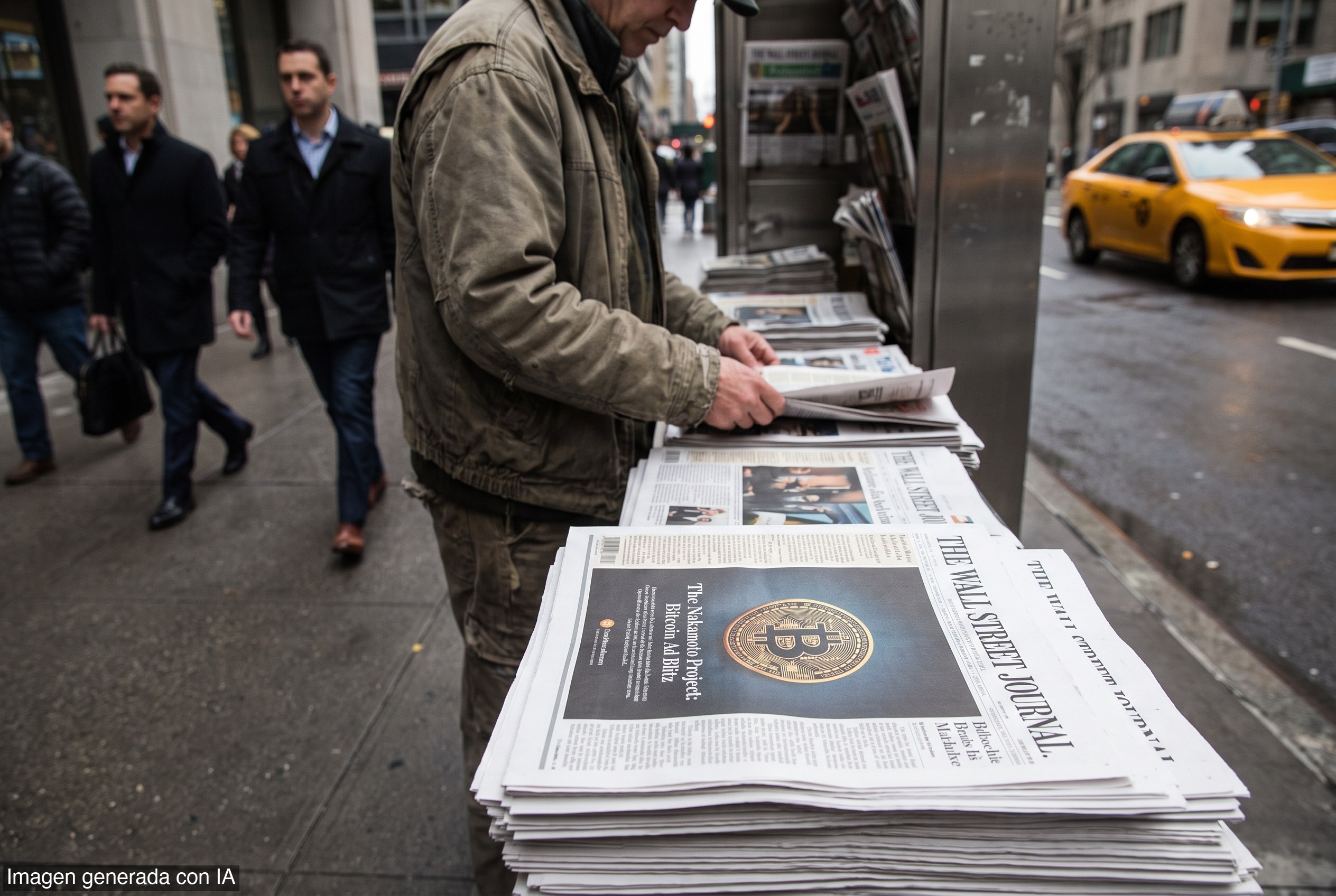
Mystery Nonprofit Drops $2M Bitcoin Ad Blitz in the Wall Street Journal — and Nobody Will Say Who's Paying
The Nakamoto Project, a three-board-member 501(c)(3) founded in 2023, is running a 12-week print campaign in the nation's largest business daily. Its leaders won't answer questions about the money.
O'Leary's 15% Rule Turns a $68,000 Salary Into a Millionaire Retirement
Kevin O'Leary says disciplined savers who invest 15% of every paycheck in the market can retire with millions — but inflation, taxes and the cost-of-living crisis are eating the margin before it ever reaches the brokerage account.

Gas Prices Jump 90 Cents as Mideast Conflict Taxes Labor Day Travelers
While government offices, courts and schools shut down for the holiday, private retailers stay open and cut deals — even as the Iran conflict pushes fuel and airfare costs sharply higher for the American traveler.

Diesel Hits an All-Time $5.85 a Gallon as Iran War Squeezes Freight and Food Costs
Six months of conflict with Iran has driven diesel to a record price, and the bill is already headed for the grocery aisle as fuel costs run 15% to 30% of what Americans pay for food.

Workers' Share of U.S. Income Sinks to Record-Low 52.8% as Corporate Margins Hit 14.9%
Fresh government data shows labor's cut of national income has never been smaller, even before the AI investment boom fully lands — and the economist who tracked it says there is no floor.

Brent Crude Jumps to $99.38 a Barrel, Piling a Hidden Tax on Every Pump in America
The global benchmark surged $3.27 overnight and now sits $31.50 above last year's price, a spike that flows straight into gas prices, shipping costs and grocery bills for the American consumer.

Wright Says Oil Flow Hit a Record; Tanker-Tracking Data Puts It Below Pre-War Levels
An administration claim that Middle East oil exports beat pre-war volumes ran into independent tanker data showing traffic still well short of that mark — a reminder that markets price facts, not talking points.

Singles Set a $139,000 Bar for Partners, Millennials Push It to $160,000
A new Northwestern Mutual survey finds single Americans want six-figure partners, but St. Louis Fed data analyzed by Investopedia show real median earnings running tens of thousands of dollars behind that wish list.