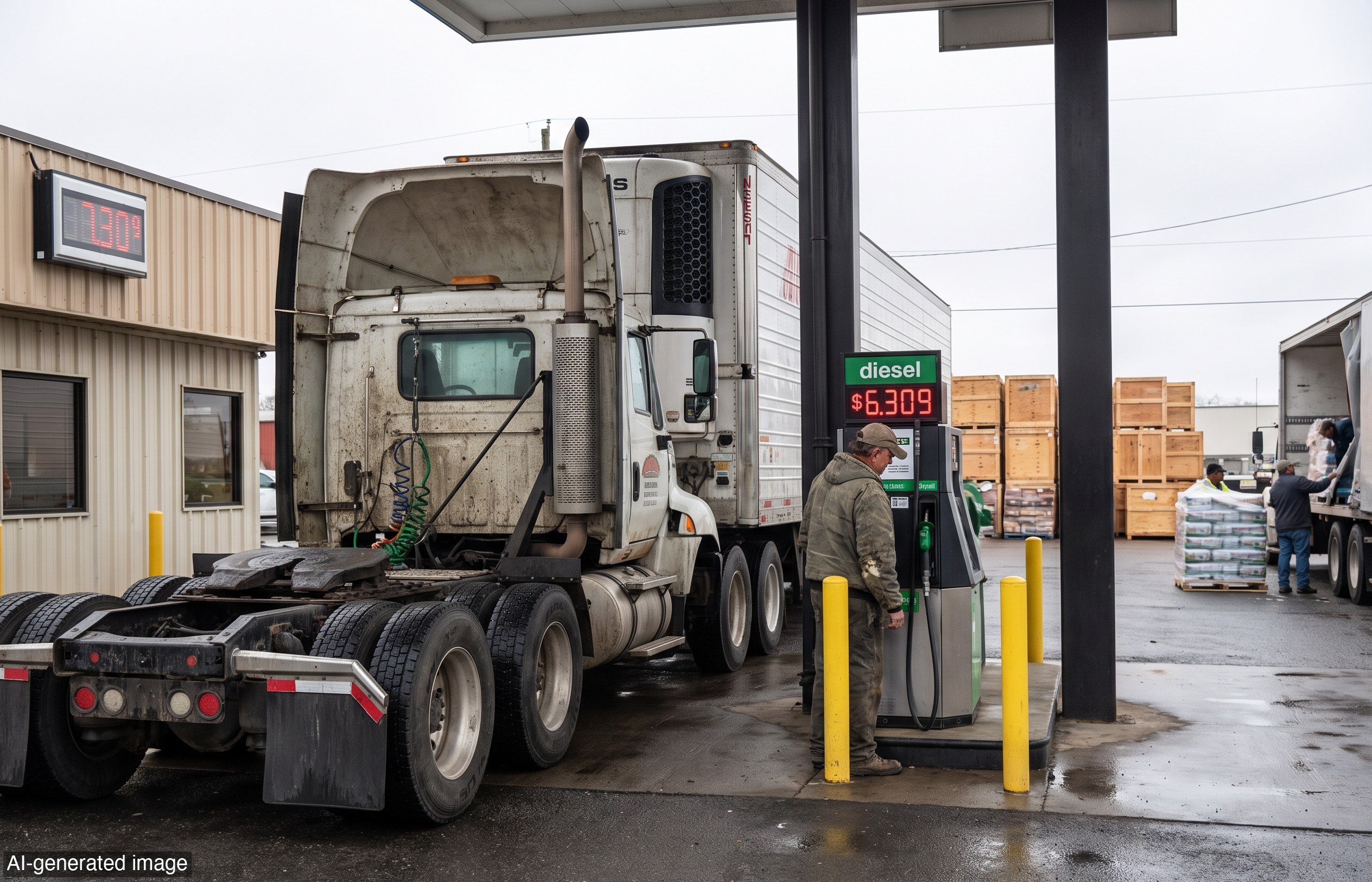
Brent crude, the world's primary oil benchmark, hit $99.38 per barrel by 8 a.m. Eastern Time on September 3, 2026, according to Fortune. That is $3.27 higher than the previous morning and roughly $31.50 above where the price stood a year earlier.
The numbers come first. Crude oil typically accounts for more than half of what drivers pay at the pump, with the remainder split among refining, wholesale distribution, government taxes and retail markup. Because crude weighs so heavily on the final price, sharp jumps like this one tend to show up at gas stations quickly. Declines, by contrast, arrive slower — the so-called 'rockets and feathers' pattern, where prices rise fast and fall gradually.
Brent is now the U.S. Energy Information Administration's primary reference benchmark in its Annual Energy Outlook, prized for capturing the pulse of global crude trading rather than just domestic supply. Its swings ripple beyond the pump. Higher oil prices push some industries toward natural gas as a substitute fuel, lifting demand — and price — there too. Add in higher shipping costs, and the effect cascades into everyday goods on grocery shelves.
When supply shocks hit — sanctions, storm damage, war — Washington's main tool is the Strategic Petroleum Reserve, a stockpile built to blunt short-term price spikes and keep essential services like emergency response and public transit running. Fortune's reporting is explicit that the reserve is not built for the long haul; it is a temporary buffer, not a substitute for supply.
The real long-term lever is domestic production. In 2025, the Trump administration moved to reopen more than 1.5 million acres in the Coastal Plain of the Arctic National Wildlife Refuge for oil and gas leasing, reversing the Biden administration's policy of restricting drilling there. U.S. shale reserves — untapped rock formations holding oil and natural gas — represent additional supply that, if accessed, can help cushion future price spikes by giving markets more crude to work with.
Prices themselves move constantly on the futures markets, where traders bid on contracts for oil to be delivered later. Every barrel price reflects not just today's supply and demand but bets on tomorrow's — OPEC+ decisions, geopolitical risk and how friendly a given administration is to drilling.
The market has already voted on which policy path lowers costs. An administration that opens acreage and shale reserves adds barrels to the global count; one that restricts leasing removes them. Fewer barrels chasing the same demand means higher prices at the pump, higher heating bills and costlier groceries — a tax on households that no one voted for and that hits hardest exactly when families can least afford it.
Capital rewards clear rules, and energy markets are no exception. The Trump administration's Arctic leasing reversal signals that more supply is coming online rather than being locked away by regulation. Whether that translates into meaningfully lower prices at the pump will depend on how quickly that acreage — and America's shale fields — actually get developed. Until then, the taxpayer and the driver absorb the difference every time Brent ticks higher.