The numbers come first. Gaming accounts for roughly 45% of Macau's GDP and supplies about 80% of the government's tax revenue. That concentration is precisely why Macau's leadership is now spending 130 billion patacas — $16.1 billion — to change it.
Speaking at the Fortune Leaders Forum in Macau on Sept. 8, 2026, Alex Che Weng Keong, president of the board of directors of the Commerce and Investment Promotion Institute of the Macao SAR, laid out the ambition plainly: move the city from a 'tourism city' to a 'business city.' The model he cited was not Singapore or Zurich. It was Las Vegas — proof, Che argued, that a casino town can become a 'world-class venue…for business, exchange, conferences, and exhibitions.'
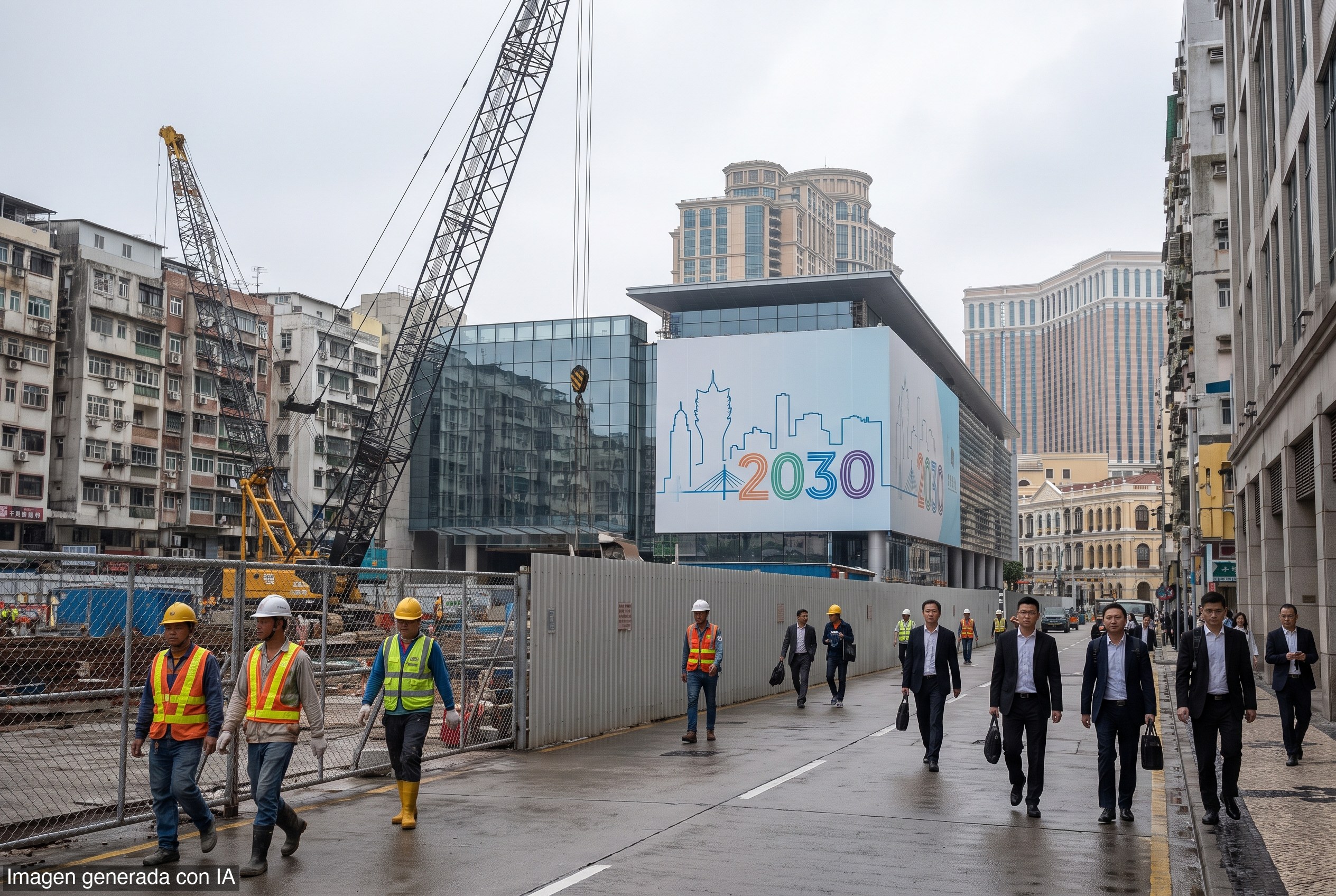
Macau's current five-year plan, the third since Portugal returned the territory to Chinese rule in 1999 and covering 2026 to 2030, sets a concrete target: non-gaming industries contributing 60% of GDP by 2030. That would require a structural reversal of the city's economic identity within four years.
The instrument Che pointed to is regulatory autonomy. As one of China's two special administrative regions, Macau keeps its own currency, legal system, and customs territory. 'Emerging industries often need different kinds of regulatory approaches and different ways for talent to move,' Che said, adding that Macau can 'leverage our position as an independent economy with an independent legislative system and independent regulatory system, and then invest a very large amount.'
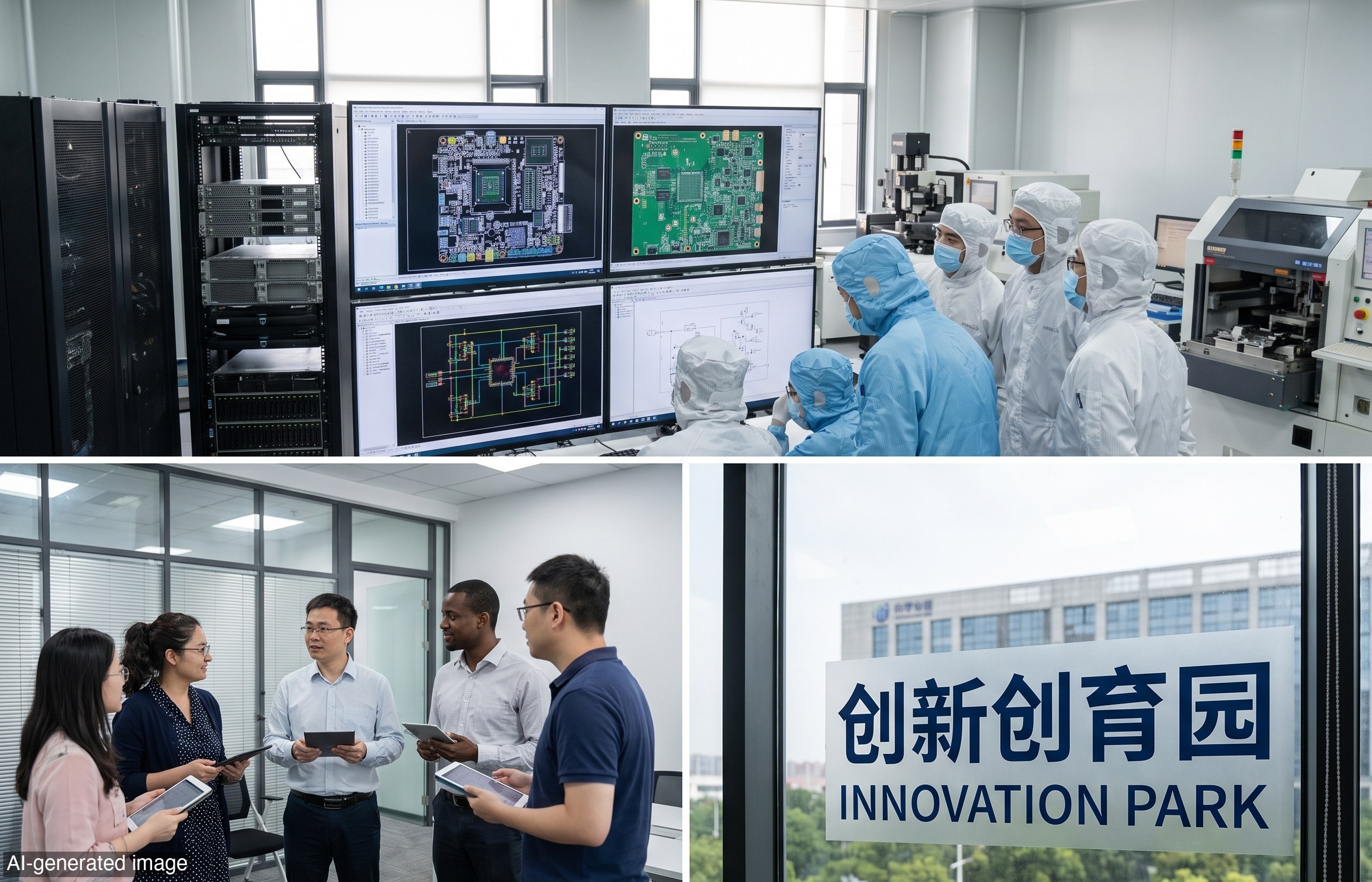
Central to the plan is the Guangdong-Macao In-Depth Cooperation Zone in Hengqin, a 106-square-kilometer island adjacent to the Macau border. Che called Hengqin 'a very important factor for the Greater Bay Area's future development' and 'a major national strategy for empowering Macau.' By 2036, he said, the external image of Macau would encompass both the peninsula's 33.4 square kilometers and Hengqin's 106 square kilometers — a unified 'tech city.'
Macau's Portuguese colonial heritage adds a second differentiator. The city retains Portuguese as an official language and a civil-law legal system, which Che said 'gives us a real convenience when it comes to trade and building partnerships with European countries or Portuguese-speaking countries.'
Edward Au, southern region managing partner for Deloitte China, joined Che on the panel and offered a candid diagnosis of the broader Greater Bay Area — an 11-city cluster including Hong Kong, Shenzhen, and Guangzhou that counts 87 million residents and generates roughly $2 trillion in output. 'We already have a lot of world-class points of innovation, but we don't yet feel that they're connected into a world-class innovation network,' Au said. His prescription: a 'clearer division of labor,' with Macau and Hengqin carving out a niche in traditional Chinese medicine, big health, and the data-technology market.
The market has already voted on what Macau is. The question is whether $16.1 billion in directed investment and a regulatory arbitrage play can rewrite that verdict before the next decade closes. Capital rewards clear rules — and Macau is betting its autonomy is the clearest rule it has. If the plan delivers, the taxpayer-funded diversification will look prescient. If gaming remains the only engine that actually runs, the bill will still come due.