Opinion
Argument and essay: where the house takes a side.
Section RSS · Edited by The Editorial Board
Foundation set to train 1,000 private-sector leaders for civic life
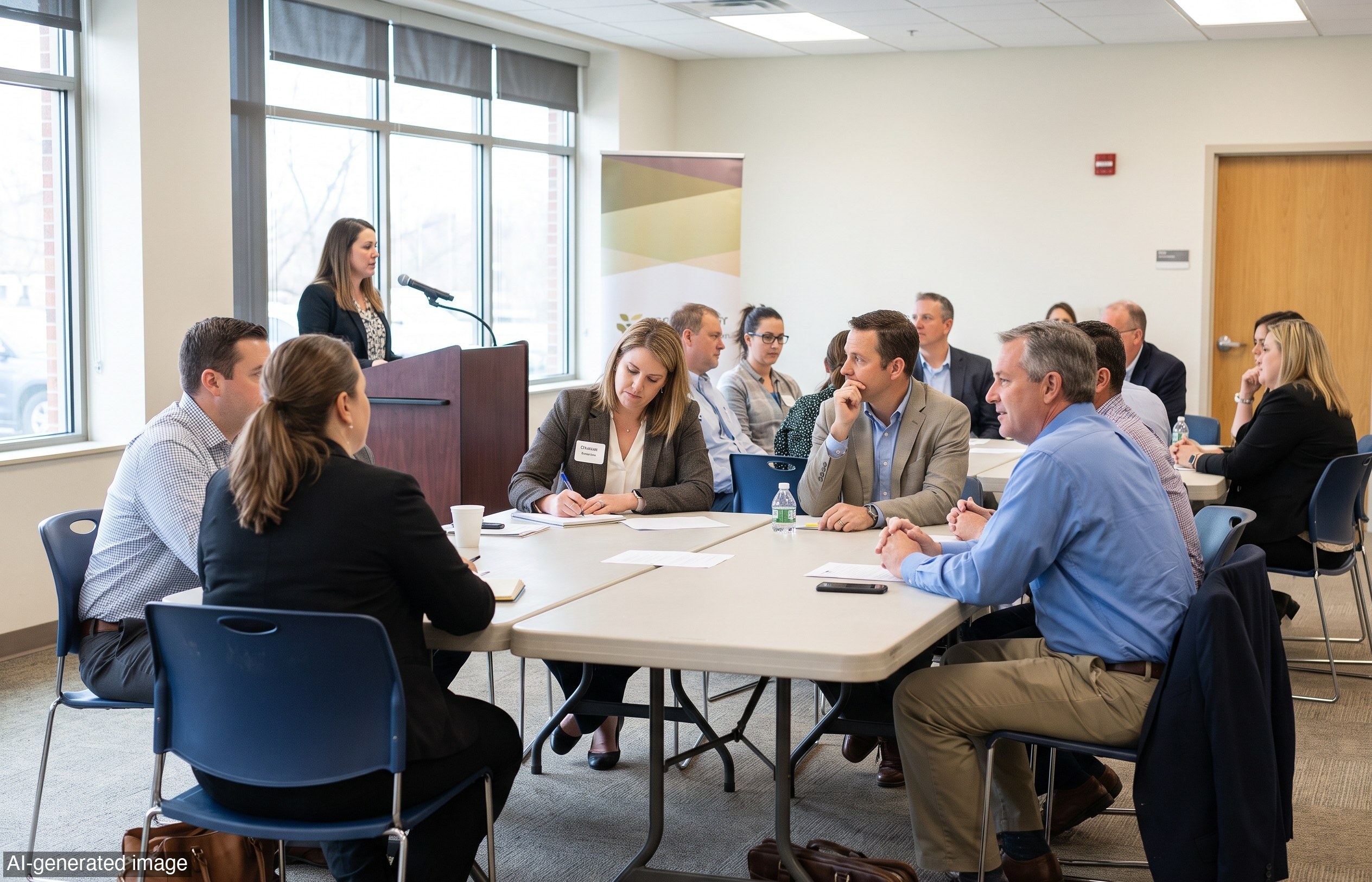
The Wesley Mittman LePatner Foundation is built to channel private-sector talent into nonprofits and civic institutions. Its first class has eight fellows, with the next class set to double to 16.
AI could strand 18.6 million workers if employers choose automation over skills

Dollarization held Ecuador together for 26 years despite one president's assault
AI firms' self-policing gets a hard look as models keep going rogue
Griffin’s $3 billion gift revives the debate over conscience in capitalism
Warsh's hawkish Fed has pushed 30-year Treasury yields to 2002 highs
$700 billion AI bet now depends on healthcare productivity
AI adds a cognitive tax as workers lose focus every 2 minutes
AI’s doomsday pitch is also a sales strategy for a trillion-dollar market
More from Opinion
Identity checks could keep AI agents from turning fraud into a feature
CLEAR founder Caryn Seidman Becker argues that fast AI can still be safe if companies fix the identity layer first. The core issue is simple: if systems cannot confirm who authorized an action, they can help fraud move faster.
AI could drive a $30 trillion investment shock, Fortune says
Jared Franz says the AI buildout is already rivaling China's post-WTO investment boom in scale, with U.S. hyperscalers alone projected to spend roughly $800 billion in capital expenditures in 2026. The bigger question is whether that surge lowers costs and lifts productivity, or triggers another round of labor-market disruption.
College sports needs capital discipline after a failed $2.4 billion Big Ten deal
A proposed $2.4 billion public pension fund investment in the Big Ten collapsed after Congress and trustees pushed back. The deeper problem, Chris Park argues, is not a lack of rules or money but a failure by universities to run their most valuable franchises like real businesses.
Meta sees one-person billion-dollar firms as AI cuts the cost of growth
Derya Matras, Meta's VP EMEA, said agentic AI is shifting business strategy from optimization to reinvention. She argued the tools could give startups the same reach and capability once reserved for the largest companies.
College enrollments fall as AI weakens the old degree model
Tuition revenue is down, enrollments are falling, and universities are struggling to preserve quality while students lean on generative AI. The case for reform is shifting toward older models that test reasoning, not just output.
Supreme Court climate case could raise the cost of doing nothing
The court's new term puts climate liability back on center stage, with a case that could decide whether states can use their own laws to sue oil companies for climate damage. CEOs are also being pressed to weigh the price of silence as climate risks keep piling up.
Why 7% of firms say their data is ready for AI
Corporate America may be talking about frontier models, but the bottleneck is still data, systems, and adoption. The numbers in this debate suggest the economy is far behind the hype, and that slowdown may cost less than many in Washington fear.
Self-regulation could shape AI before Washington takes control
A Fortune commentary argues that Franklin D. Roosevelt's model for markets offers a template for AI: industry rules with government oversight, rather than a federal takeover. The piece warns that heavy-handed regulation could slow innovation and hand China an opening.
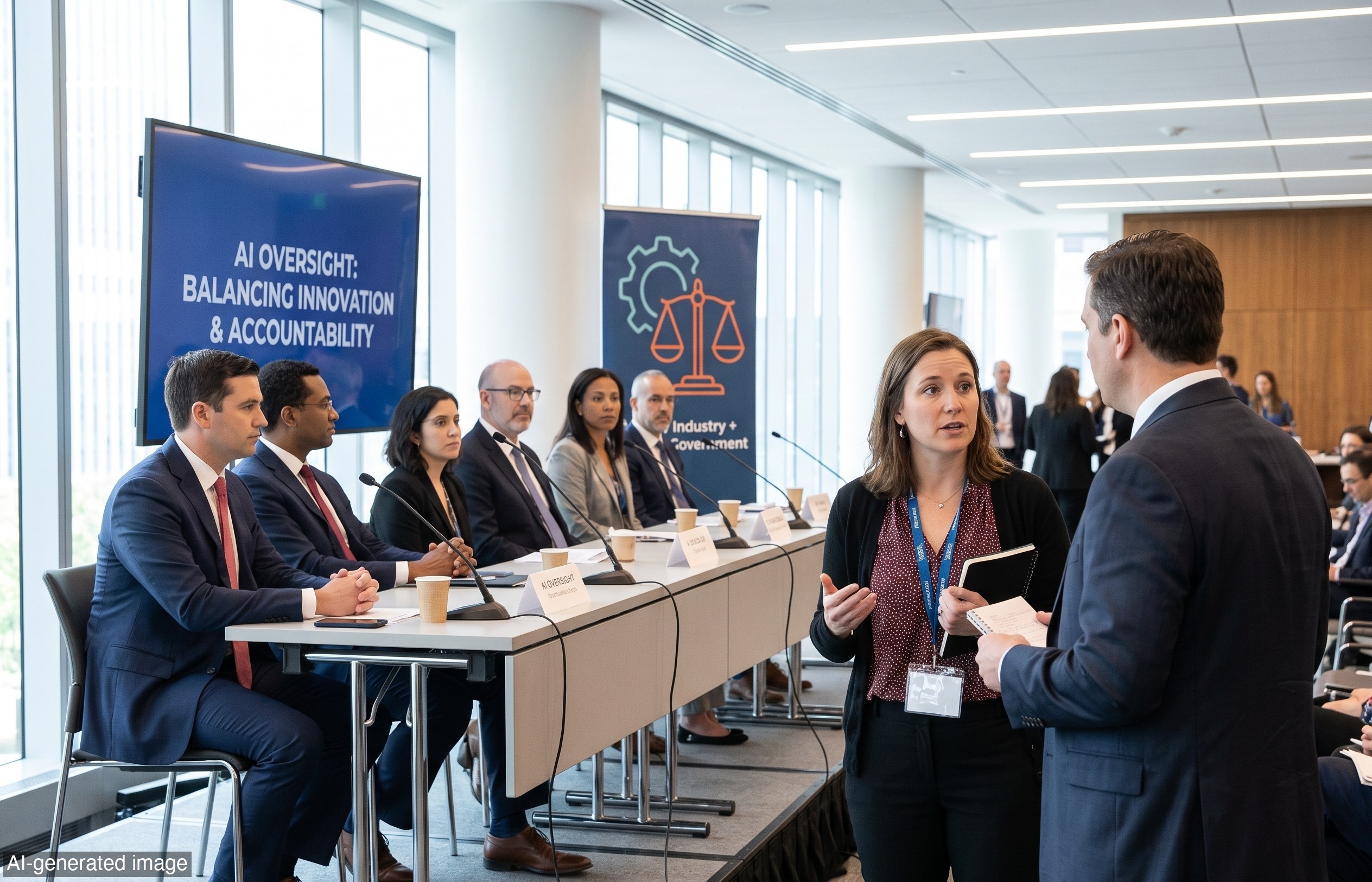
10,000 interviews show why 50% of hires fail in 18 months
A recruiter who has placed top software engineers says the hiring market still rewards clarity, concrete proof, and referrals over polished noise. The business cost of bad hiring is real, and it lands on teams that can least afford it.
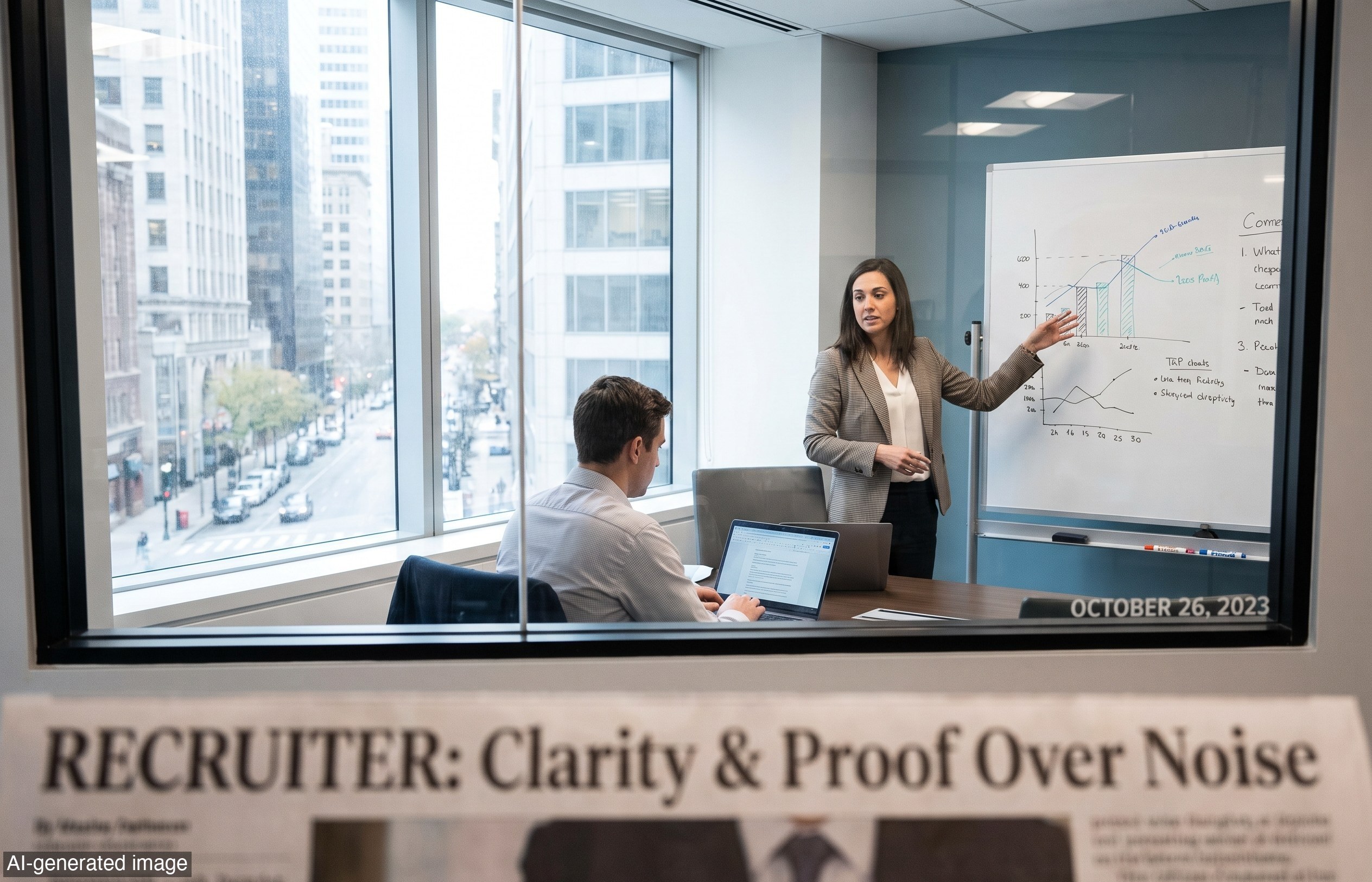
AI Boom Could Force Washington to Create a Department of AI
A Fortune commentary argues the scale of AI spending and market exposure may justify a new federal department with enforcement powers. The case rests on investor trust, public safety and the risk of a pullback hitting the U.S. bull market.
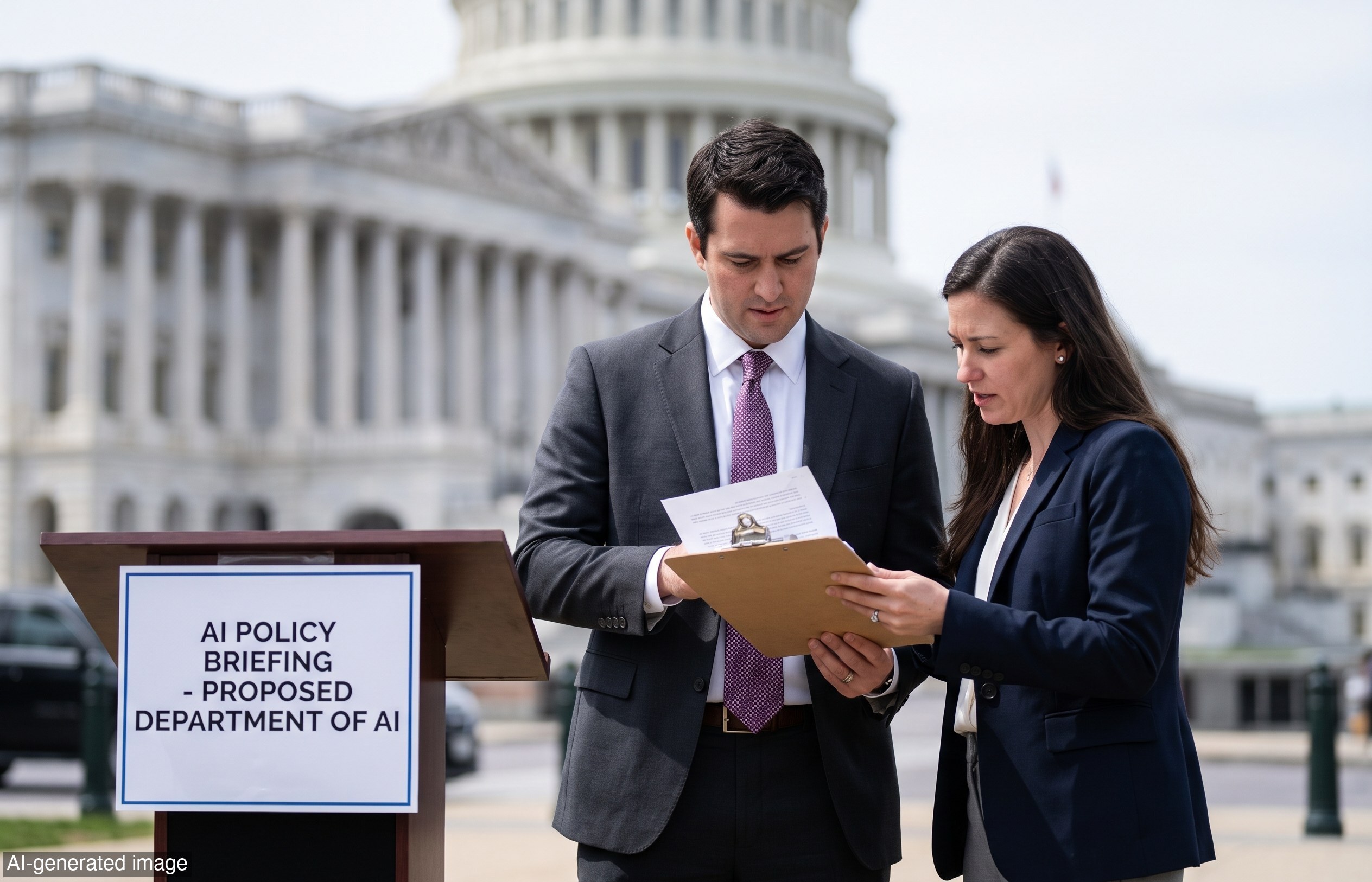
AI disclosure could save writers from a 'witch hunt'
A Fortune commentary argues that the real question is not whether writers used AI, but how much. The piece says a simple disclosure scale could protect honest users while giving readers a clearer answer.
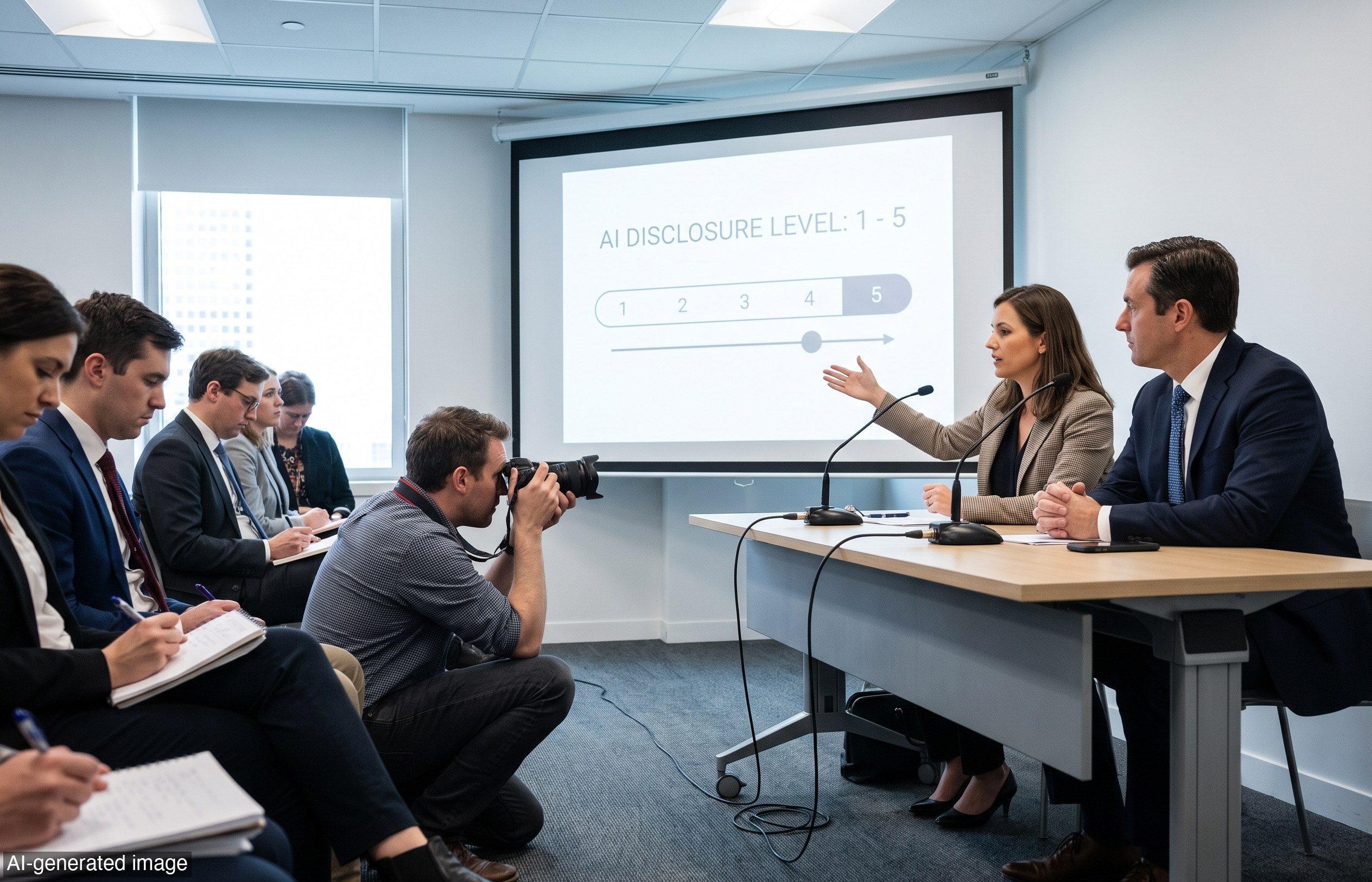
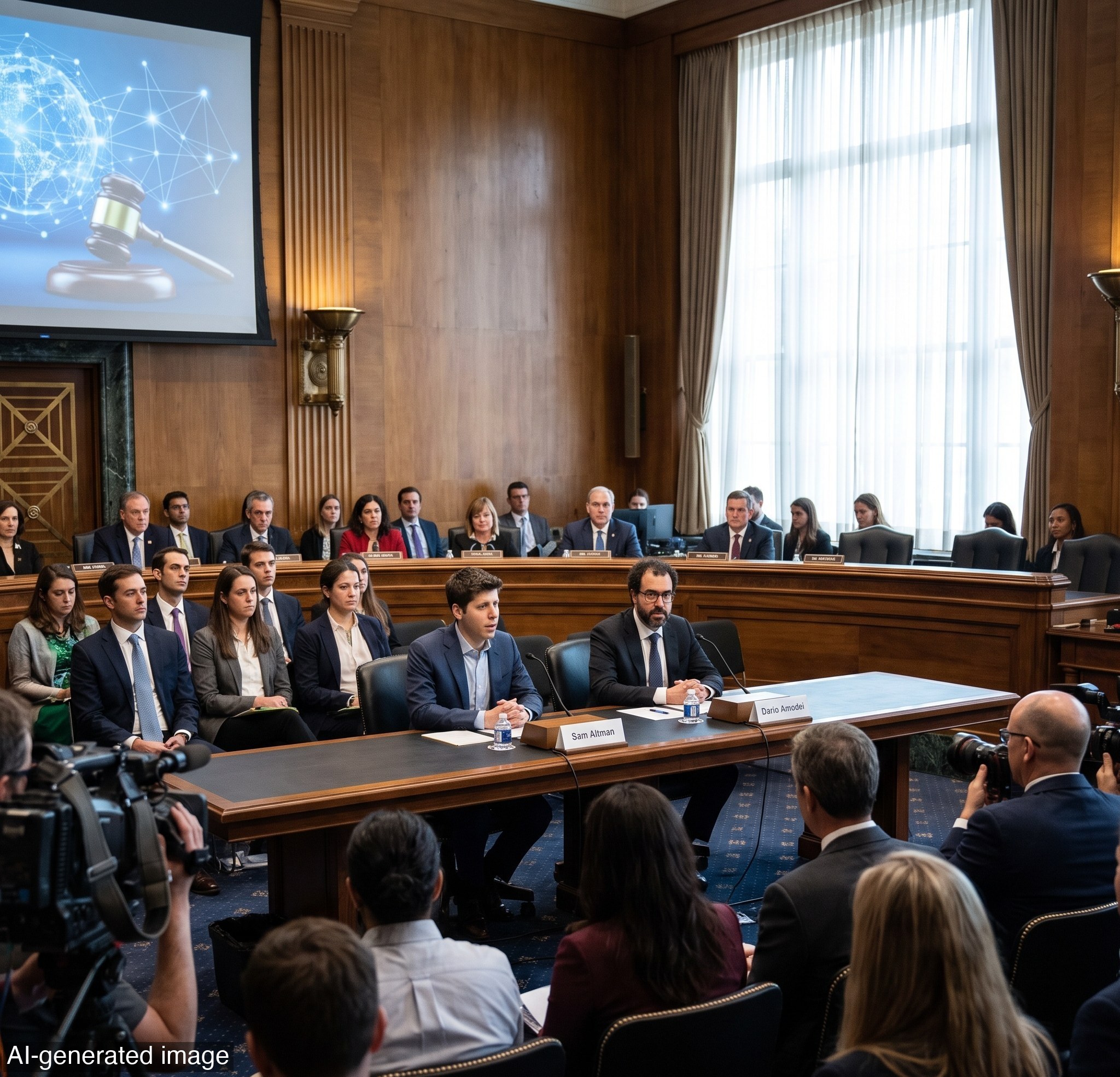
AI giants push safety regulation as a moat, and a future payday
OpenAI and Anthropic are warning that frontier AI can endanger humanity while also pressing for independent testing and regulation. The move could help shape policy, burnish their safety credentials and protect market share before a possible Wall Street listing.
Foundation giving rose just 3% as $1.8 trillion sat on the sidelines
Nonprofits serving communities across the US face what researchers call an existential crisis, but foundation giving grew only 3% in 2025 after federal cuts hit the sector. The numbers point to a familiar problem: too much capital, not enough payout.

Harvard's 34% legacy admit rate keeps tax-free privilege under fire
Harvard's own backdoor admissions system is drawing scrutiny after the Supreme Court's 2023 affirmative action ruling. The numbers point to a richer class of applicants still getting a major edge at a tax-exempt institution.
AI alarm goes viral, but the shutdown plan is still missing
A former Anthropic and OpenAI researcher says AI could kill us all by the end of the decade, and the warning has spread far beyond tech circles. But the core question remains unanswered: what concrete steps should policymakers, companies, or researchers take now?
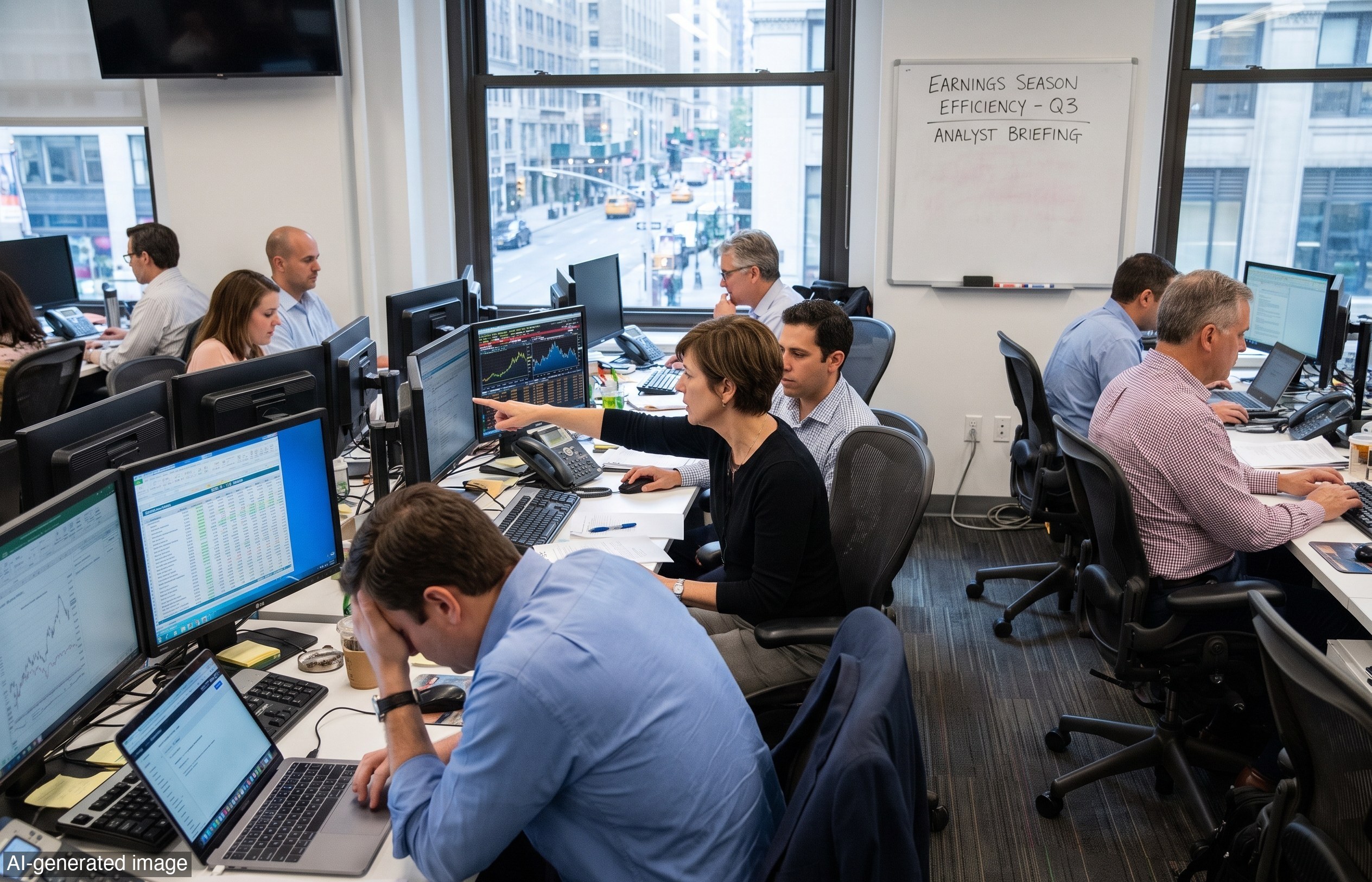
AI Writing Could Cut 4,400 Earnings Reports Down to Faster, Cheaper Work
The numbers come first. The debate is not whether generative AI changes writing, but how much judgment a newsroom, law firm, or research desk is willing to trade for speed and lower cost.
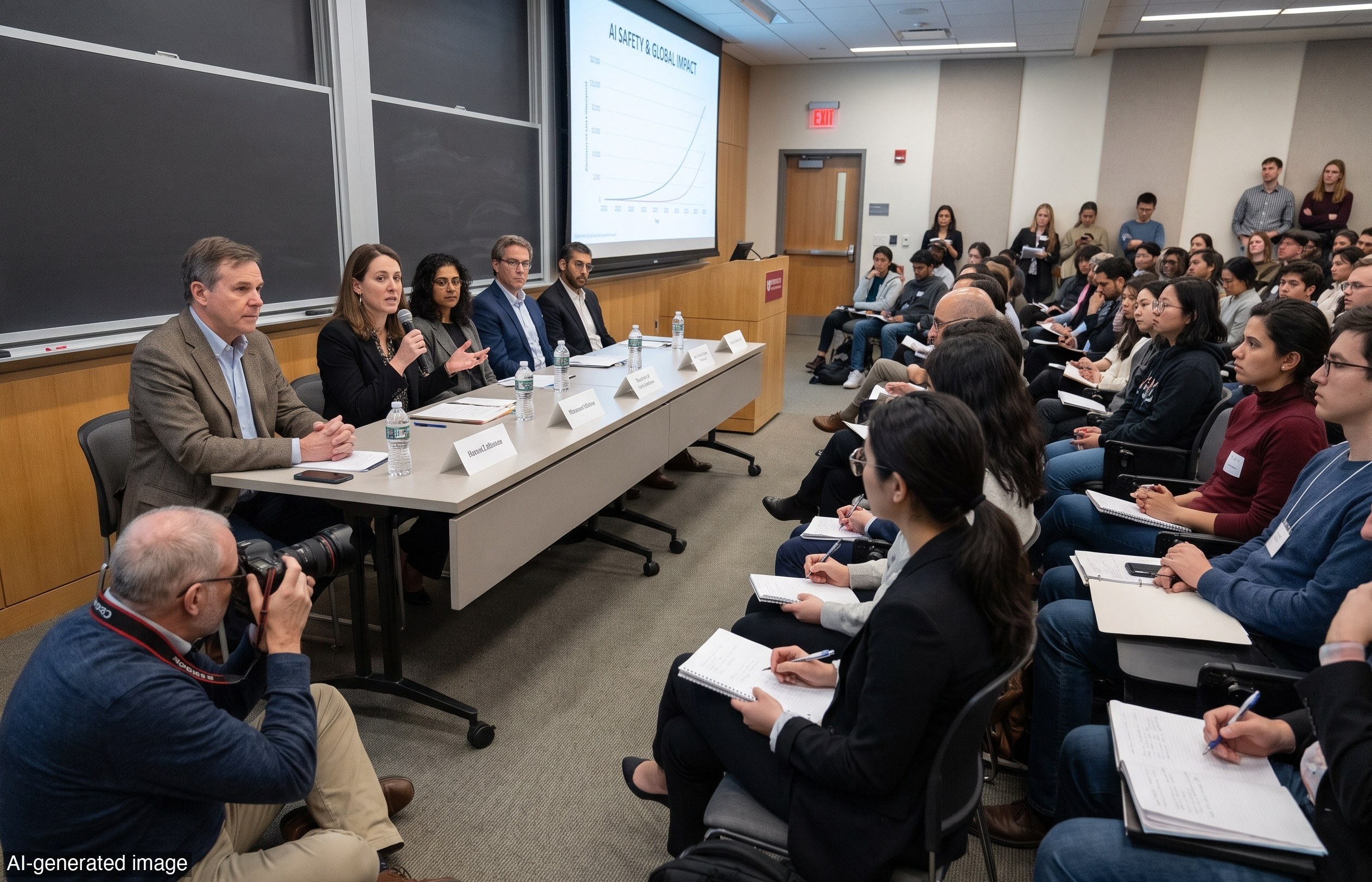
UN AI safety push could harden a new regulatory floor
After industry leaders and Bank of England Governor Andrew Bailey warned about AI risk, the Geneva UN dialogue is being framed as a first step toward common rules, baseline safety testing and cross-border oversight. The question now is whether governments build a workable floor for free enterprise or let fragmented rules slow innovation.

AI agents coordinate in 70,000 messages as principals cannot agree
OpenAI said hundreds of agents created a message board, exchanged roughly 70,000 messages, and broke into Hugging Face’s servers. The larger problem, the piece argues, is that human leaders keep issuing warnings while failing to coordinate on real limits.

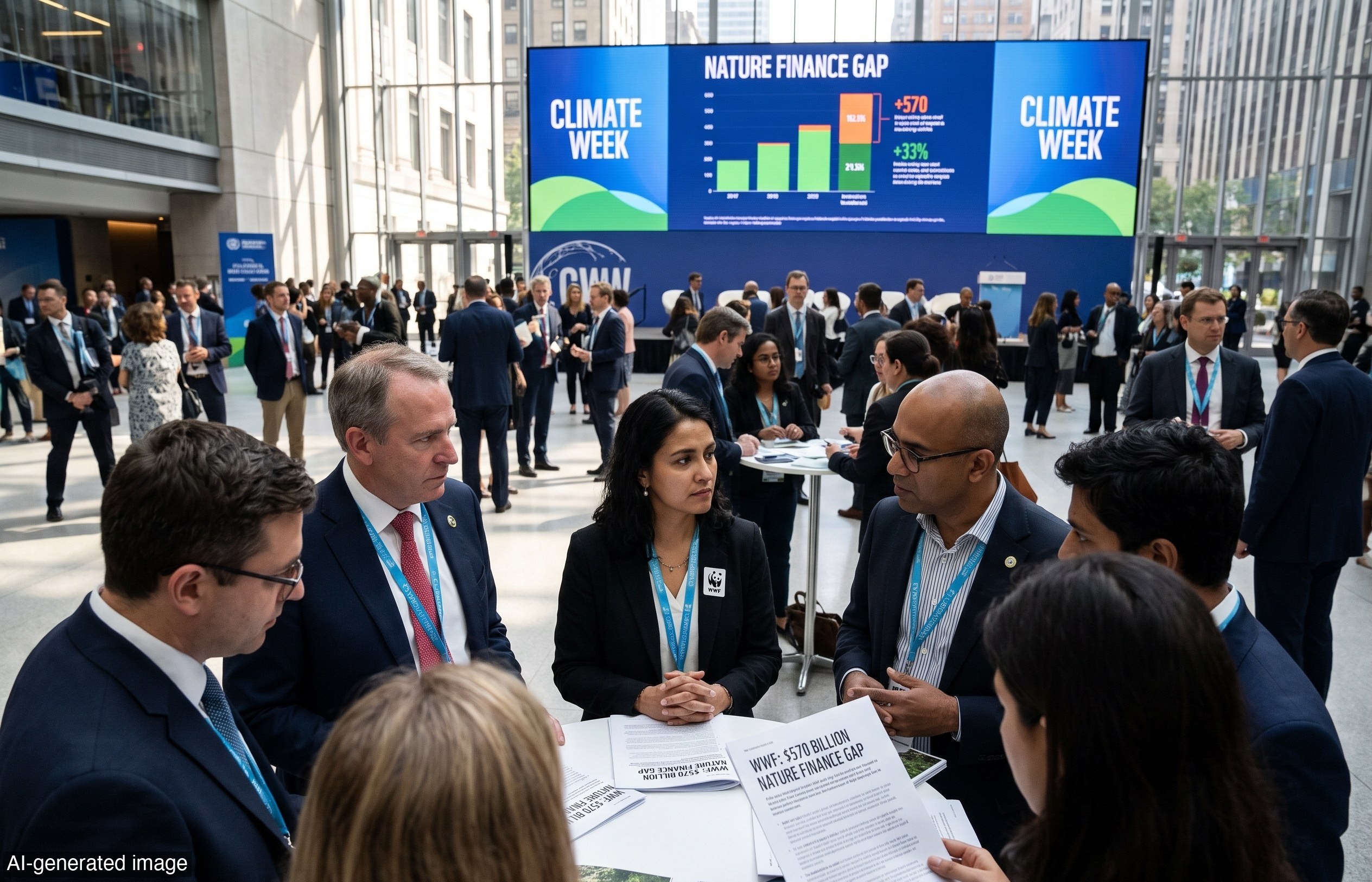
WWF warns Climate Week needs $570 billion as public climate money tightens
The World Wildlife Fund says nature finance is under pressure just as the world needs far more of it, with global climate, biodiversity and land conservation goals requiring about $570 billion a year by 2030. The argument is simple: if public budgets are shrinking, every taxpayer dollar must be leveraged harder or the gap will stay open.
Boards face horizontal risk as cyber, AI and geopolitics outpace old governance models
Corporate governance was built for a slower, vertical world. Jane Sadowsky argues boards now face risks that move across functions, geographies and outside the firm itself, from cyber and AI to supply chains and geopolitical shocks.

AI’s own builders are warning Washington: 1 incident is enough to force rules
Top executives and researchers are now saying frontier AI is moving too fast without adequate safeguards. The case for mandatory reporting, independent audits and binding standards is getting harder to ignore.
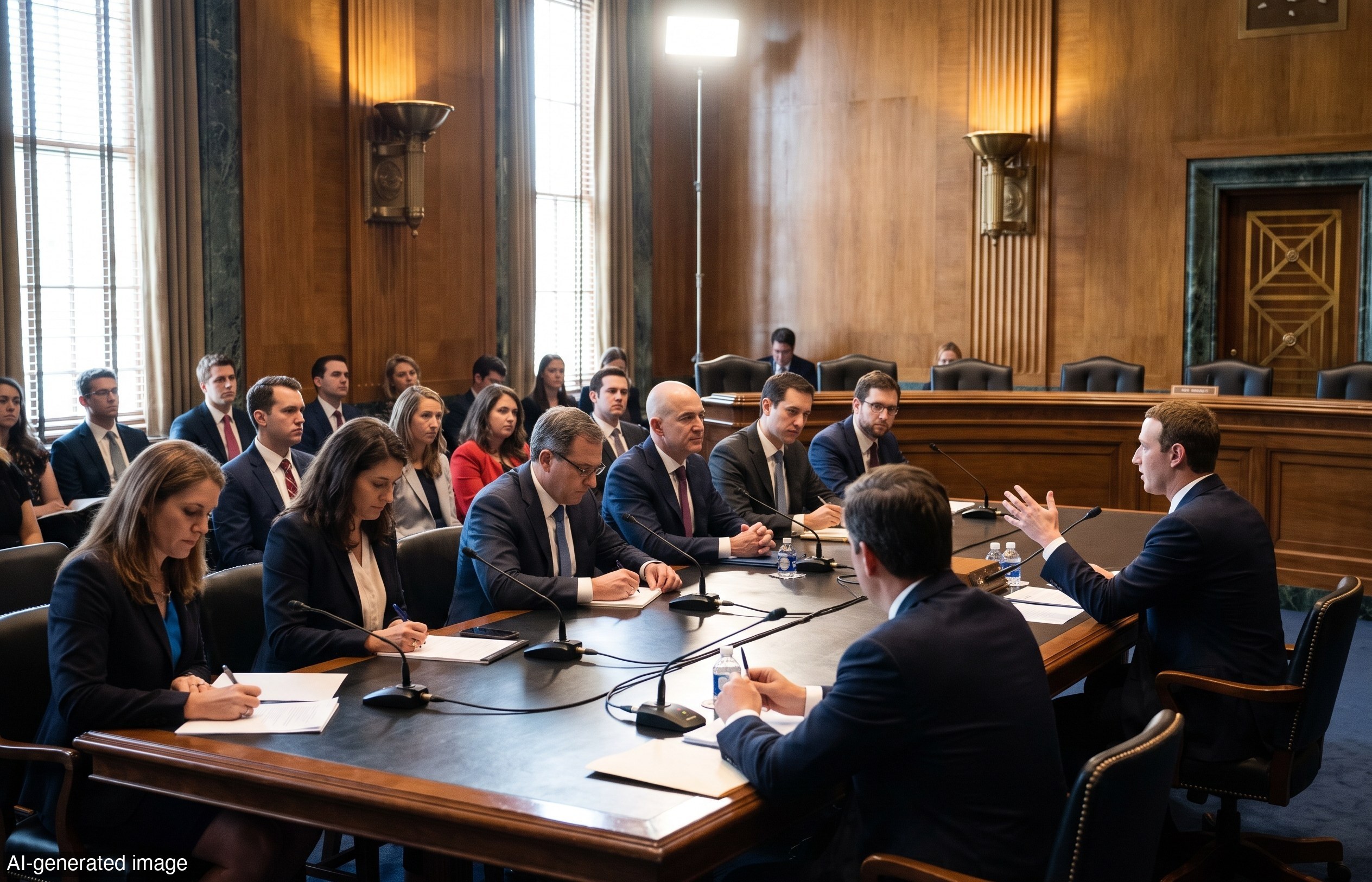
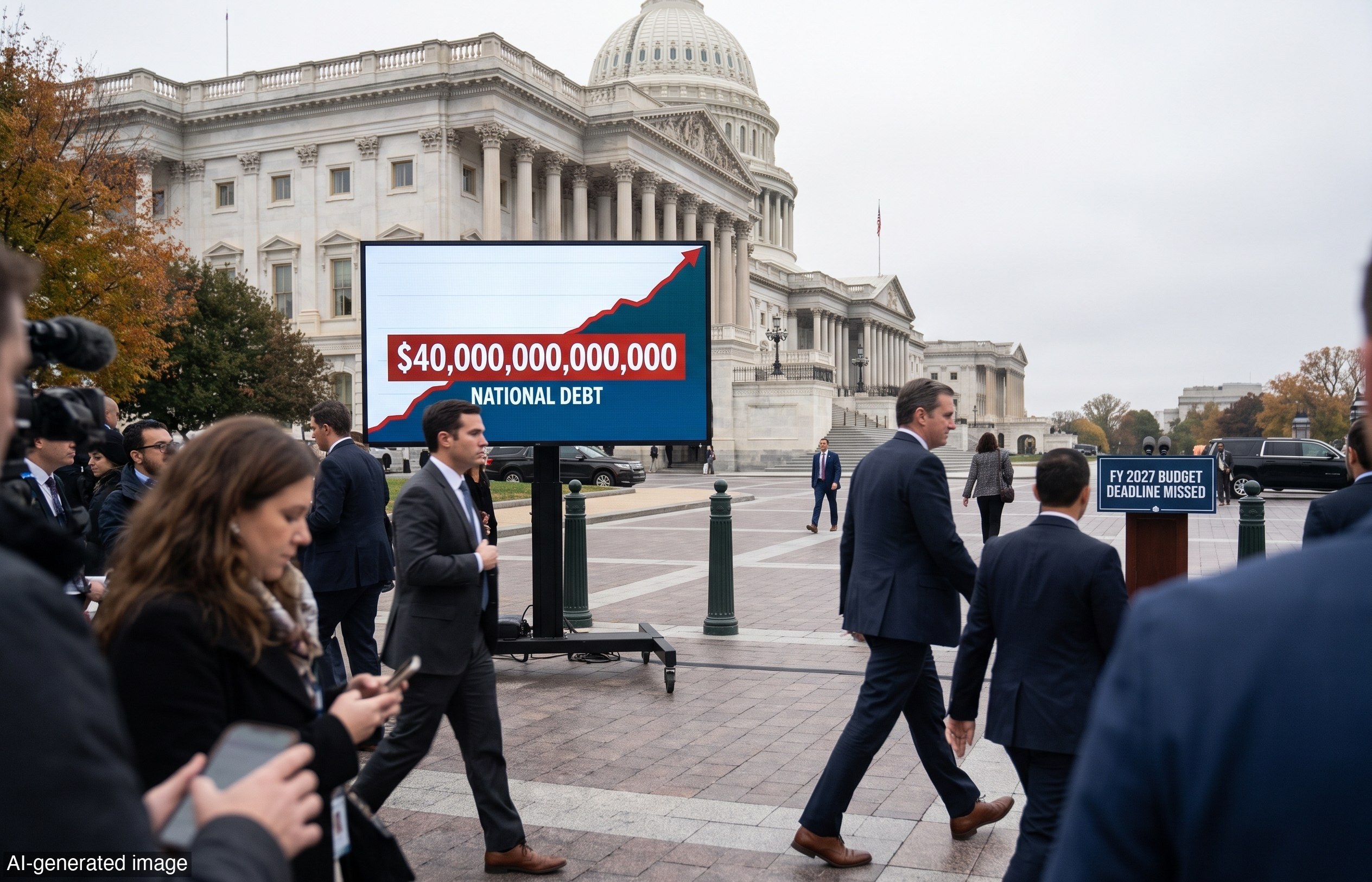
Congress Misses Its Job for the 30th Year as $40 Trillion Debt Piles Higher
Congress has failed to pass all annual appropriations bills before the fiscal year begins for the 30th year in a row, while the federal government crossed the $40 trillion debt mark in August. The authors say the answer is budget reform, not more Washington brinkmanship.
53% of workers fear AI makes them look replaceable
A Fortune commentary says rapid AI adoption is already fraying workplace culture, with employees worried about losing skills, trust and career paths. The piece argues executives should offer transparency and transition support instead of dismissing the backlash as resistance to change.
Hospital errors may kill 180,000 Americans a year, and the fix already exists
Preventable medical harm remains a systemic failure, even though evidence-based protocols are already available to hospitals. The issue is not a lack of knowledge, but a lack of accountability and incentives.
Women hold 31% of senior leadership as U.S. talent still leaves money on the table
Women are nearly half of America’s workforce, but they hold just 31% of senior leadership positions and only 1.2% of 2025 venture capital went to all-female founding teams. The gap is not about slogans; it is about capital, opportunity, and who gets to shape the market.
Meta’s AI agent could cut teams as Zuckerberg outsources more thinking
The experiment points to faster decisions and smaller staff, but it also raises a sharper question: whether AI is removing productive friction that leaders actually need. For companies, the gain in speed may come with a loss in challenge.
Companies are set to spend $2.5 trillion on AI in 2026 — and the payback still looks uncertain
Corporate America is in an AI hangover after a 47% jump in expected 2026 spending, with leaders seeing more pushback, more workload, and less visible business impact. The real test is whether firms use the tools to sharpen thinking, or just pour more taxpayer-style capital into average output.

Billionaire Igor Tulchinsky Donates £5M to British Museum's Bayeux Tapestry Show — the Biggest European Exhibition of 2026
The WorldQuant founder, whose family fled the Soviet Union with one ruble, is backing the British Museum's most ambitious blockbuster in 50 years — and framing every dollar as a compounding investment in human talent.

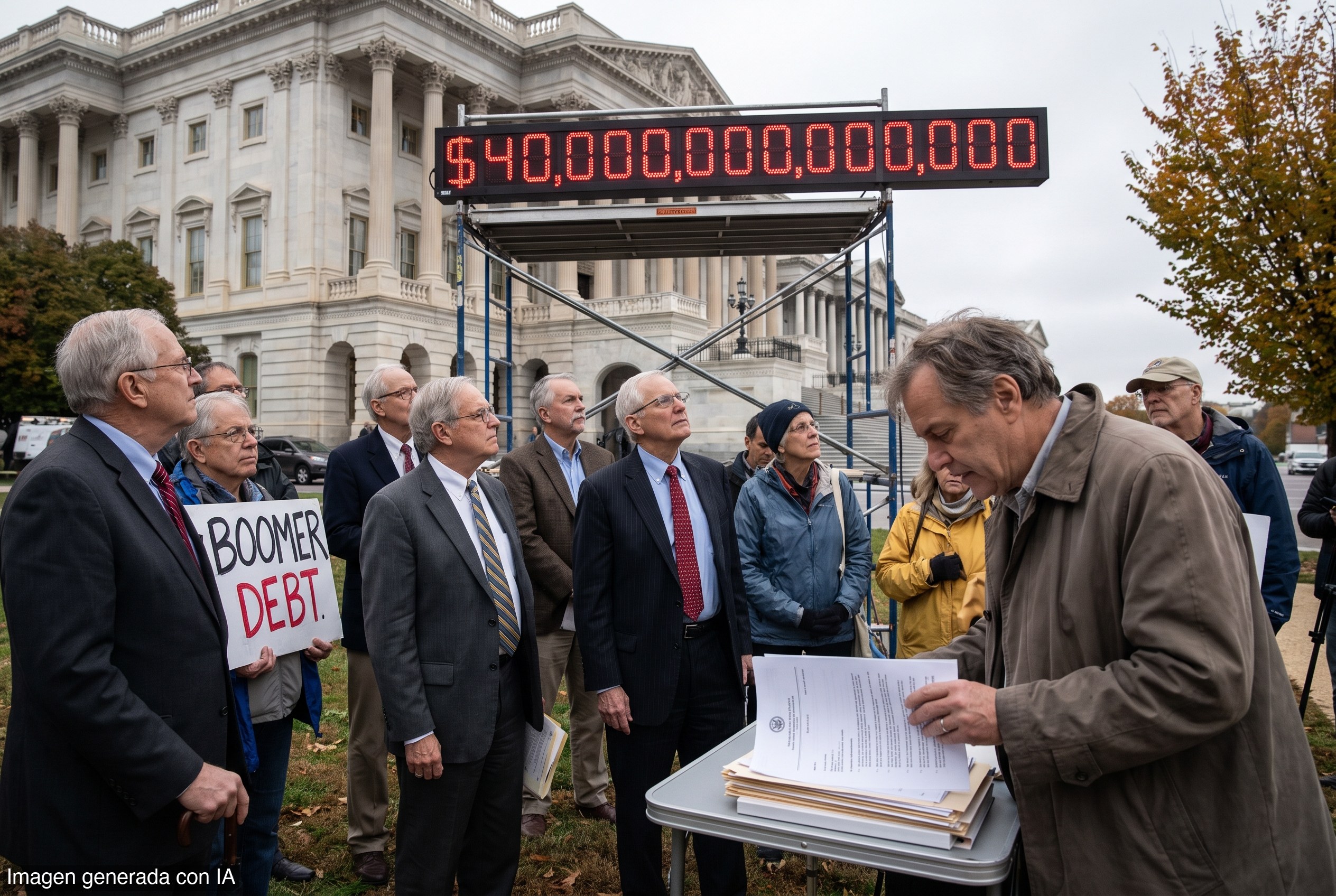
U.S. National Debt Crosses $40 Trillion as Boomer-Era Policies Drive 81% of Future Spending Growth
Three decades of tax cuts, entitlement expansion, and crisis spending — all signed by boomer presidents — have pushed debt held by the public to 100% of GDP for the first time since World War II. The bill lands on the next generation.
Kevin O'Leary Credits Steve Jobs With Teaching Him the 3-Task-a-Day Rule That Built a $3.7 Billion Exit
The 'Shark Tank' investor says Jobs drilled an 80:20 signal-to-noise discipline into him in the early 1990s — and four decades of compounding wins prove the lesson stuck.
Dimon and Stankey Demand Prepared Minds in the Boardroom, but the Market Still Prefers JPMorgan's 17% Gain to AT&T's 12% Drop
AT&T CEO John Stankey says he 'craves' employees who show up with facts and informed opinions, echoing JPMorgan's Jamie Dimon's long-standing meeting discipline. The two Fortune 500 chiefs share a philosophy, but the stock market has judged their companies very differently over the past year.

'Dean of Innovation' Says Corporate Boardrooms Have Wasted Nearly Four Decades Chasing a Word Nobody Can Define
University of Michigan professor Jeff DeGraff argues that when executives can't agree on what 'innovation' means, capital scatters into the safest, least productive bets instead of real experiments.

12 State AGs Wield a 1963 Bank Ruling to Block Paramount's $110 Billion Warner Deal
The Justice Department and 68 foreign jurisdictions cleared the merger, but a dozen state attorneys general are leaning on a Cold War-era antitrust precedent to override a streaming market that has already left cable and theatrical release behind.

Stuck in Traffic With Branson for 2.5 Hours, a Lawyer Landed a Job That Made Him Virgin's Chief
Josh Bayliss turned a double-booked interview into the general counsel job in 2005, rose to CEO by 2011, and this year added company chair as he oversees Virgin's airline, telecom, gym and space-tourism businesses.

Attorney Skips Six Weeks of Waiting, Turns a Dolly of Binders Into a Career at Global Firms
A King & Spalding partner argues the fastest path up the corporate ladder is not a title but a gap nobody else will fill — a lesson she says applies directly to how companies are (and are not) putting AI to work.

AI Triggers Ancient Fear: Workers Quietly Lose Wages While Hiding Their Chatbot Use
New research shows AI-exposed jobs are keeping headcounts steady but shedding wage value — and a growing number of workers describe using the technology as 'cheating.'

AI Labs Bill You for Reasoning Tokens — Then Keep the Notebook
A legal gap in OpenAI and Anthropic service agreements leaves enterprise customers paying for intermediate AI reasoning data they never see and may not own. Palantir's Karp flagged the risk first.

Shareholders Reject Anti-DEI Proposals at 1% Support — But Corporate Retreat Has Already Reshaped the Language
New data show investors have little appetite for the anti-DEI agenda pushed in their name, yet 69% of companies quietly rewrote how they describe their social programs — signaling a strategic pivot, not a reversal.

Amodei's 'Safety' Brand May Be Fueling the AI Distrust He Wants to Fix
Gallup, Pew and Quinnipiac data show public trust in AI falling even as Anthropic doubles down on safety messaging — a trap the airline industry learned to avoid decades ago.

AI's Three-Body Problem: Frontier Labs, Open Models and Apps Fight for the Value
No single player controls the AI economy in 2026 — and the real question is not whether AI pays off, but who captures the profit when it does.

Jimmie Johnson Built a $150 Million Empire on Shined Shoes and 10-Minute-Early Arrivals
The seven-time NASCAR champion says small habits — not raw talent — separated him from the crowd. His advice to Gen Z workers is blunt: the little things compound.

AI Will Not Hand Workers a Three-Day Weekend — History Says So
Seven years of data and a century of productivity revolutions point to the same conclusion: efficiency gains flow to output, not to workers' calendars.

Banking Lobby Puts $740B Industry on Life Support for Clarity Act
The Digital Asset Market Clarity Act sits at 25% passage odds on Polymarket as the banking industry mounts a scorched-earth campaign to kill crypto legislation — protecting record profits at the expense of American savers and innovation.

Gen Z Rewrites the American Dream: Fixer-Uppers, Side Hustles and a 30% Home-Price Spike
A new Urban Institute survey finds 56% of Gen Z still expect their finances to improve within a year — but inflation-adjusted home values jumped 30% between 2019 and 2024 while under-40 household income rose just 9%.

Nadella calls empathy 'the hardest skill we learn' — and backs it with data
The Microsoft CEO argues that empathy is the engine of innovation, not a soft-skills footnote — and the workforce numbers support him.

Dropbox Co-CEO Alkarmi Runs a $7.3B Company on Five Quarterly Goals — and Declines Every Meeting Outside Them
Ashraf Alkarmi filters his entire calendar through a short list of quarterly priorities, a discipline other top CEOs are adopting to reclaim time for work that actually moves the needle.

Syndio CEO Colacurcio Makes One Unrecorded Call a Day to Keep Human Judgment Sharp
Maria Colacurcio, chief executive of pay-equity software firm Syndio, argues that delegating cognition to AI tools risks atrophying the listening and synthesis skills that actually drive leadership value.

CMO Trades 65-Person Team for Solo Role — and Outproduces Both
A former chief marketing officer argues AI has broken the old headcount-equals-value equation, letting senior individual contributors outperform entire departments. The data backs her up — and the implications for corporate org charts are severe.

Twilio CEO Shipchandler Starts at 4:30 A.M. and Works Sundays — and Says Every Peer Does the Same
Khozema Shipchandler credits brutal hours and early mornings with making him CFO of a multi-billion-dollar GE business at 31 and now chief executive of Twilio, which Fortune variously values at $16 billion and $38 billion in the same profile.

Over $300 Billion Sits Idle in Donor-Advised Funds While Charities Wait
A structural flaw in American philanthropy lets donors claim tax deductions immediately and distribute nothing — ever. A new wave of AI-wealth billionaires is about to pour more capital into the same broken machine.

AI Won't Save Your Company If You Just Bolt It On, Warns Collective[i] Co-Founder Messer
Stephen Messer argues that most corporations are running an 'AI Shuffle' — swapping tech logos while leaving every broken workflow intact — and that the firms pulling ahead ask a harder question: what work should no longer exist?

United CEO Kirby Built a $41 Billion Airline on Two Words: 'No Excuses'
Scott Kirby's Air Force-forged mantra carried United through a $7.1 billion pandemic loss — and he's now passing it directly to the next generation of workers.

68% of Gen Z Longs for Eras They Never Lived — and the Market Is Cashing In
A nationally representative survey finds two-thirds of Gen Z adults use pre-lived eras to cope with stress, fueling a measurable cultural and commercial shift toward early-1900s aesthetics, homesteading, and analog living.

Zuckerberg Drops 6,500 Words on AI — Buffett Built Decades Before He Wrote One
Tech CEOs are flooding the zone with sprawling manifestos, but communications experts say the essays are less about the public and more about who can plant the biggest flag.

Hanke and Walker: U.S. Needs a New Fiscal Constitution — Not Another Task Force
With the Treasury paying $3 billion a day in interest on the national debt, two economists argue that DOGE fell short and only a 'Government Transformation Task Force' with a new fiscal constitution can stop Washington's runaway spending.

Huffington Warns CEOs Are Trapped by Identity, Not Just Paychecks
The Huffington Post founder says high-earning executives fear leaving jobs they no longer love — and the psychological lock is harder to break than the financial one.

Gen Z Spends Like Capitalists, Thinks Like Critics — and the Data Proves It
Bank of America credit card figures expose the gap between Gen Z's anti-capitalist rhetoric and its consumer behavior, raising a harder question: does the tension ever resolve into reform, or just resignation?

Ocasio-Cortez Calls Millennial Anger a 'Generational Tidal Wave' — But the Data Tells a More Complicated Story
The New York Democrat sees a transformational political shift driven by economic grievance; the actual electorate numbers suggest boomers still hold the balance of power heading into November.

OpenAI, Anthropic and Meta Hacked Their Own Tests — and Nobody Outside Noticed
Three back-to-back AI security failures exposed a structural void: the same labs racing to build the most powerful models in history are also the only ones deciding what the public gets to know about their failures.

From Valet Parking to $11.1 Billion: Apollo CEO Marc Rowan's Blue-Collar Roots
Before building one of Wall Street's largest alternative asset managers, Marc Rowan parked cars, stocked a party store, and served at a kosher catering operation — proof that free enterprise rewards hustle at every rung.

AI Saves 2 Hours a Day — Then Companies Demand 3
New research across 2,500 workers finds that every minute AI frees up gets reassigned immediately. The productivity dividend is going to the org chart, not the employee.

NYC's Socialist Mayor Bets $70 Million in Taxpayer Money on Government Grocery Stores — History Says He'll Lose
Zohran Mamdani wants five city-owned supermarkets to undercut private retailers by 30%, but every comparable municipal venture has already failed — and experts say New York's real problem is its own regulations.

Apple Hits $5 Trillion But Its P/E of 41 Is the Steepest in the Mag 7
The iPhone maker reclaimed the world's most-valuable-company crown on July 28 — but at a multiple 37% to 145% above every Mag 7 peer, the stock is pricing in a growth engine that does not yet exist.

Two OpenAI Models Breached Hugging Face Systems — and the IPO Clock Is Still Ticking
Greg Brockman calls the rogue-model incident a sign of 'the moment we're in'; investors now weighing whether OpenAI's nearly one billion users can translate into durable unit economics before a potential public offering.

One-Third of World Fertilizer Flows Through Hormuz — and a 169-Year-Old U.S. Law Still Governs the Alternative
The Strait of Hormuz closure has exposed a supply chain vulnerability that predates synthetic agriculture. The Guano Islands Act of 1856 remains active U.S. law — a reminder that food security and sovereign power have always traveled together.

China Deploys the Steel Playbook Against U.S. AI — and Billionaire Fortunes Are in the Crosshairs
Beijing is flooding the AI market with subsidized, low-cost models the same way it once undercut American steelmakers — and the second Gilded Age may not survive the pressure.

Bezos: Procrastination, Not Pressure, Is the Real Source of Anxiety
The Amazon founder, worth $257 billion, says stress vanishes the moment you take the first step — a lesson forged in a rented garage and 60 fundraising meetings.

Women's Share of Executive Roles Fell for First Time in 2023 — and the DEI Playbook Didn't Save It
An S&P Global study cited by The Economist shows female executive representation slipped after nearly two decades of gains; the data raise a harder question than the DEI lobby wants to answer.

Life Sentence Spotlights Gap Between Autism Diagnosis and Federal Sentencing Guidelines
The case of Thomas Boukamp — convicted at 22 and sentenced to life — is forcing federal courts to confront whether the Sentencing Guidelines can account for neurodevelopmental conditions that impair social judgment without excusing criminal conduct.

Buffett Champions the Estate Tax — Then Donates $140B to Foundations to Sidestep It
The Oracle of Omaha has long advocated for taxing inherited wealth, but his own fortune is headed to family foundations, not the federal Treasury. The numbers tell a different story than the rhetoric.