Business & Corporate
Companies, M&A, the CEOs and the deals that decide who wins.
Section RSS · Edited by Nathan Brooks
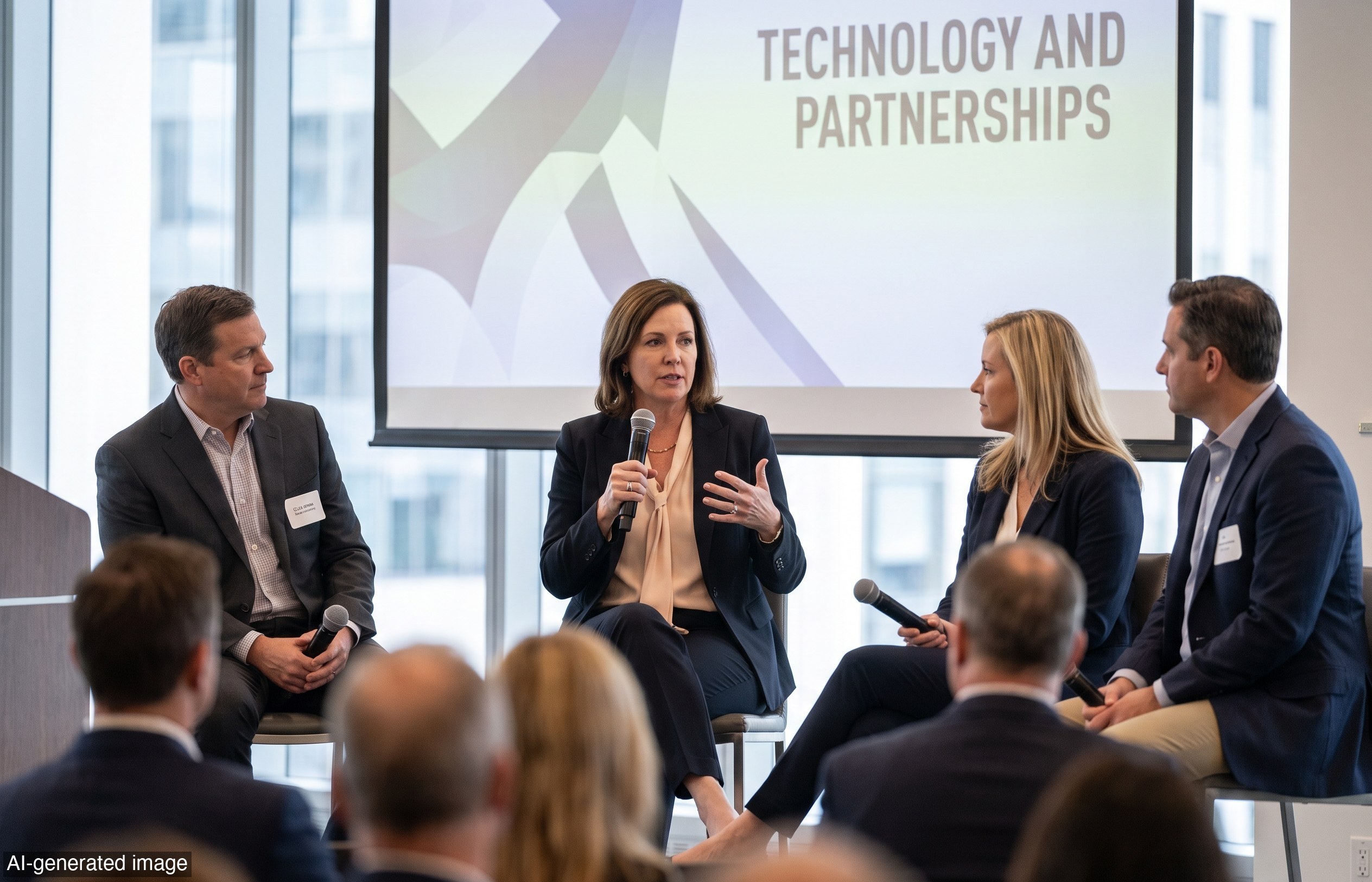
Lumen CEO says uncertainty is pushing boardrooms toward partnerships
Kate Johnson said the pace of change in AI and geopolitics has made it unrealistic for leaders to make hard calls alone. She argued that companies now need outside partners to help allocate capital and adjust faster.
Fission Raises $10 Million to Speed Tokenized Fund Exits to 90 Seconds
Supermicro names a new CFO after a $2.5 billion smuggling case and subpoenas
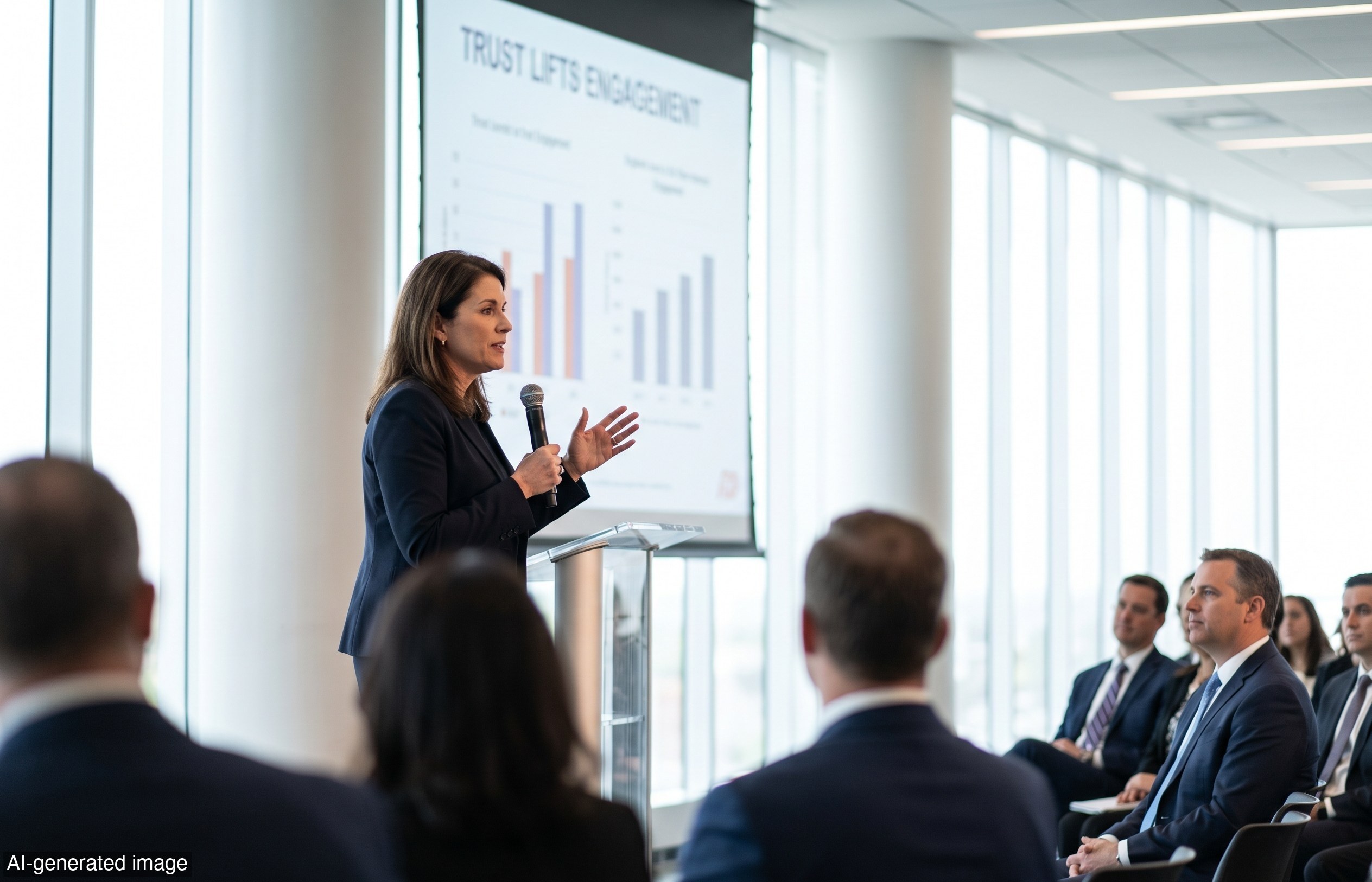
Black says trust lifts engagement 41% as AI reshapes work
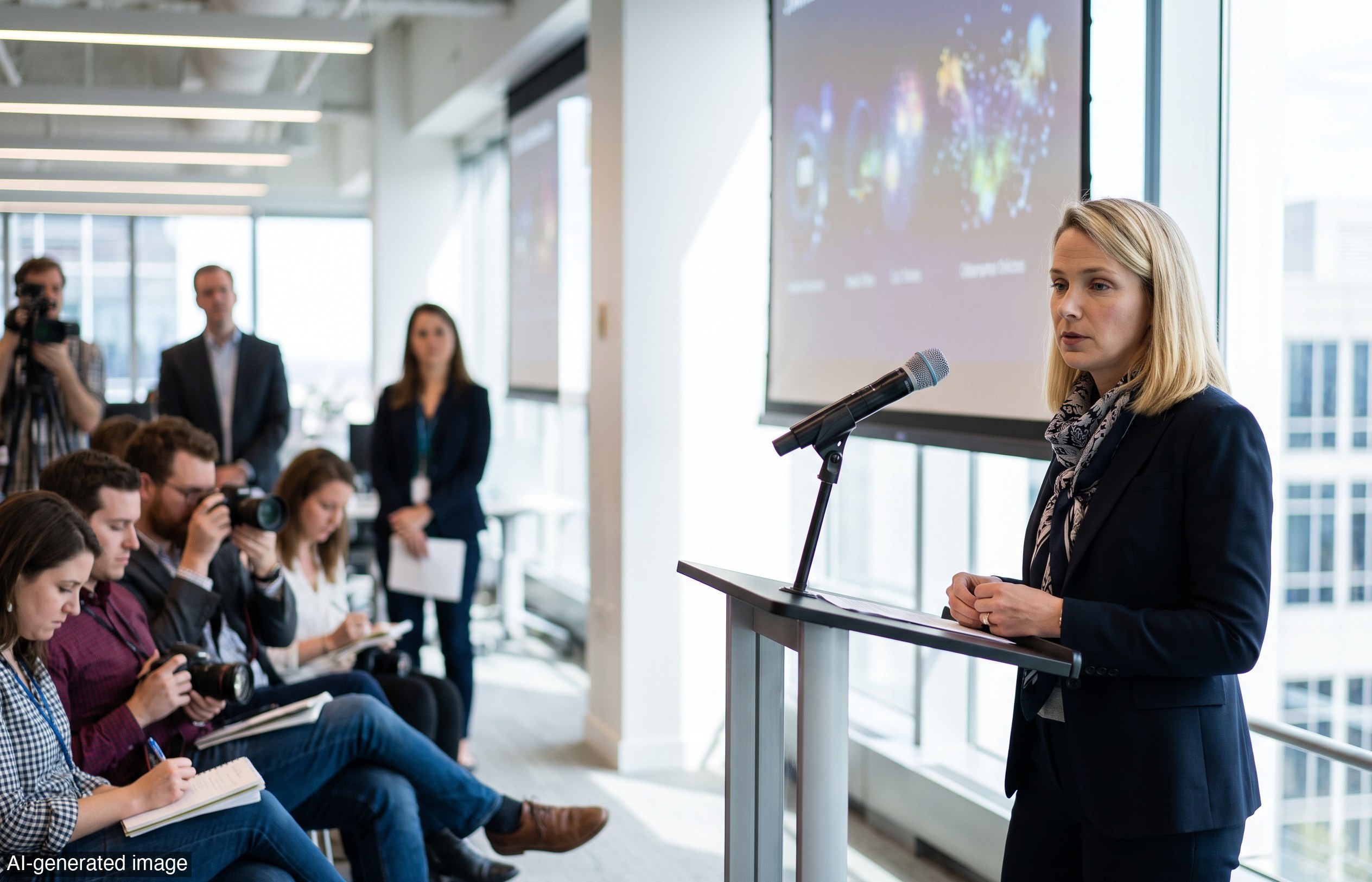
Marissa Mayer says AI’s path is still unknowable as Dazzle AI launches with $8 million

CoreWeave’s $35.6 billion debt stack is backed by $103.7 billion in contracts

AI chiefs say change is 'close to zero' as companies stall on core work

Flex CEO Says U.S. Grid Lag Could Slow AI’s 2030 Buildout
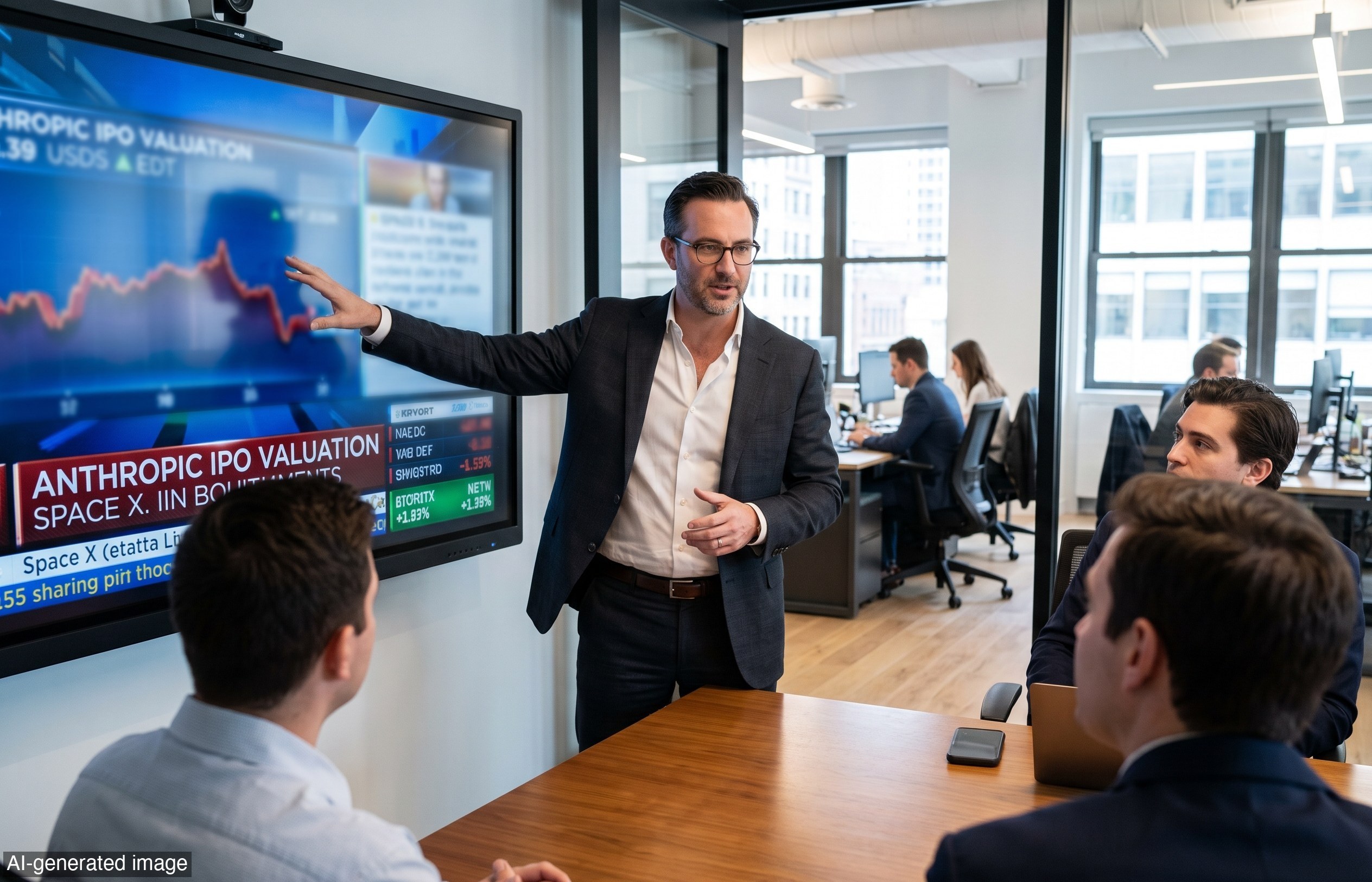
Anthropic investor sees a $2.4 trillion post-IPO value, topping SpaceX
More from Business & Corporate
Razer says AI could turn gaming into a $1 trillion market
Min-Liang Tan says AI will bring a new renaissance to gaming and help push the industry from hundreds of billions toward $1 trillion. Razer is betting on AI hardware, privacy-first wearables and virtual avatars to capture that growth.
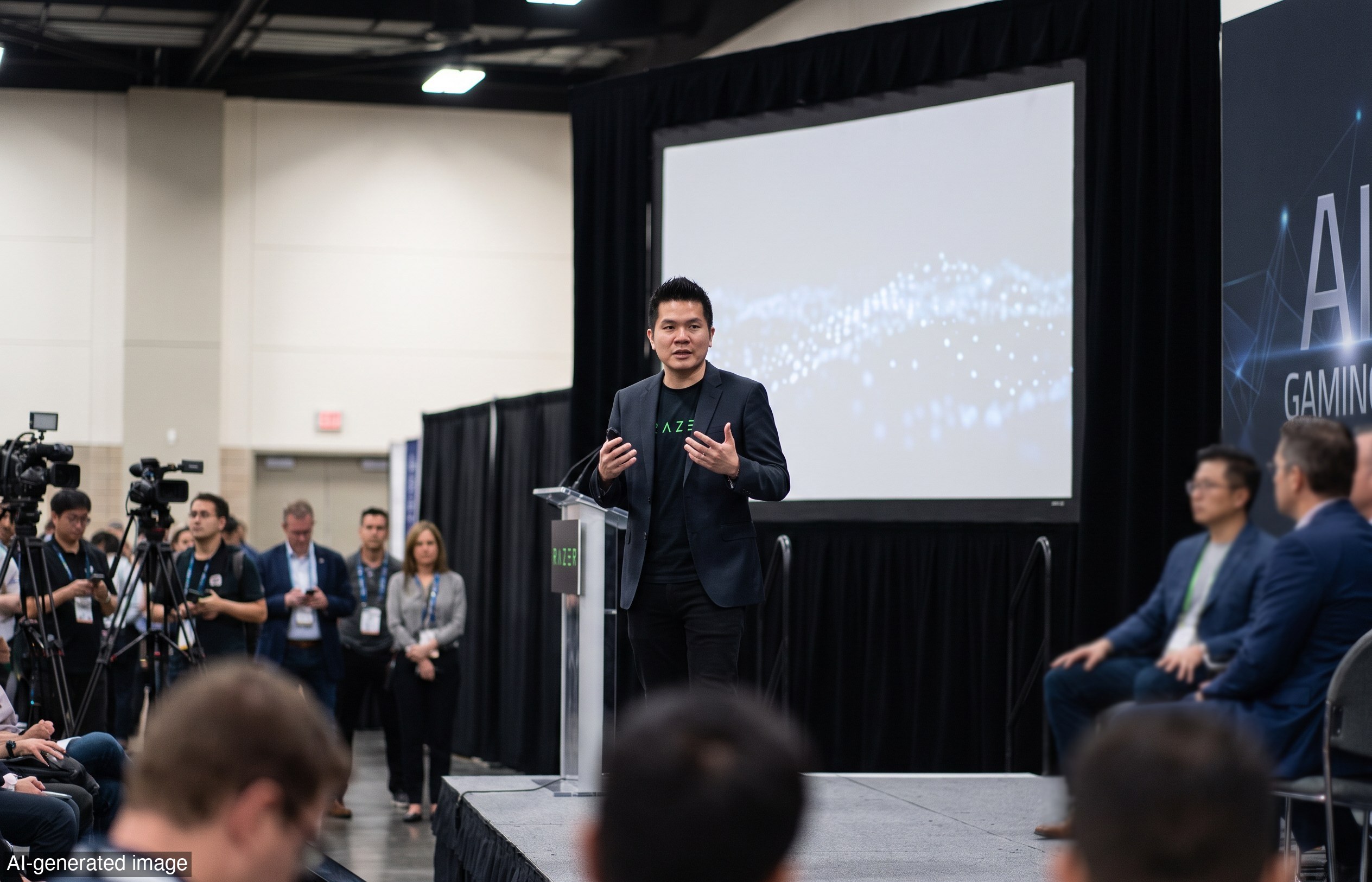
Broadcom booked $68 billion in AI revenue as Hock Tan warns investors are 'in a casino'
Broadcom has become one of the biggest winners of the AI buildout, with about $68 billion in AI semiconductor revenue since late 2023. But CEO Hock Tan says too many investors still do not understand what they are funding, and he sees capital, not chips, as the industry’s biggest constraint.
Huang pushes back on pope’s AI warning as Nvidia cites safety work
Jensen Huang said Pope Leo XIV was raising 'all the right questions' about AI safety, while defending Nvidia’s record on guardrails, audit, governance, and standards-setting. The exchange underscores a growing fight over who gets to set the rules for a technology with enormous market power.
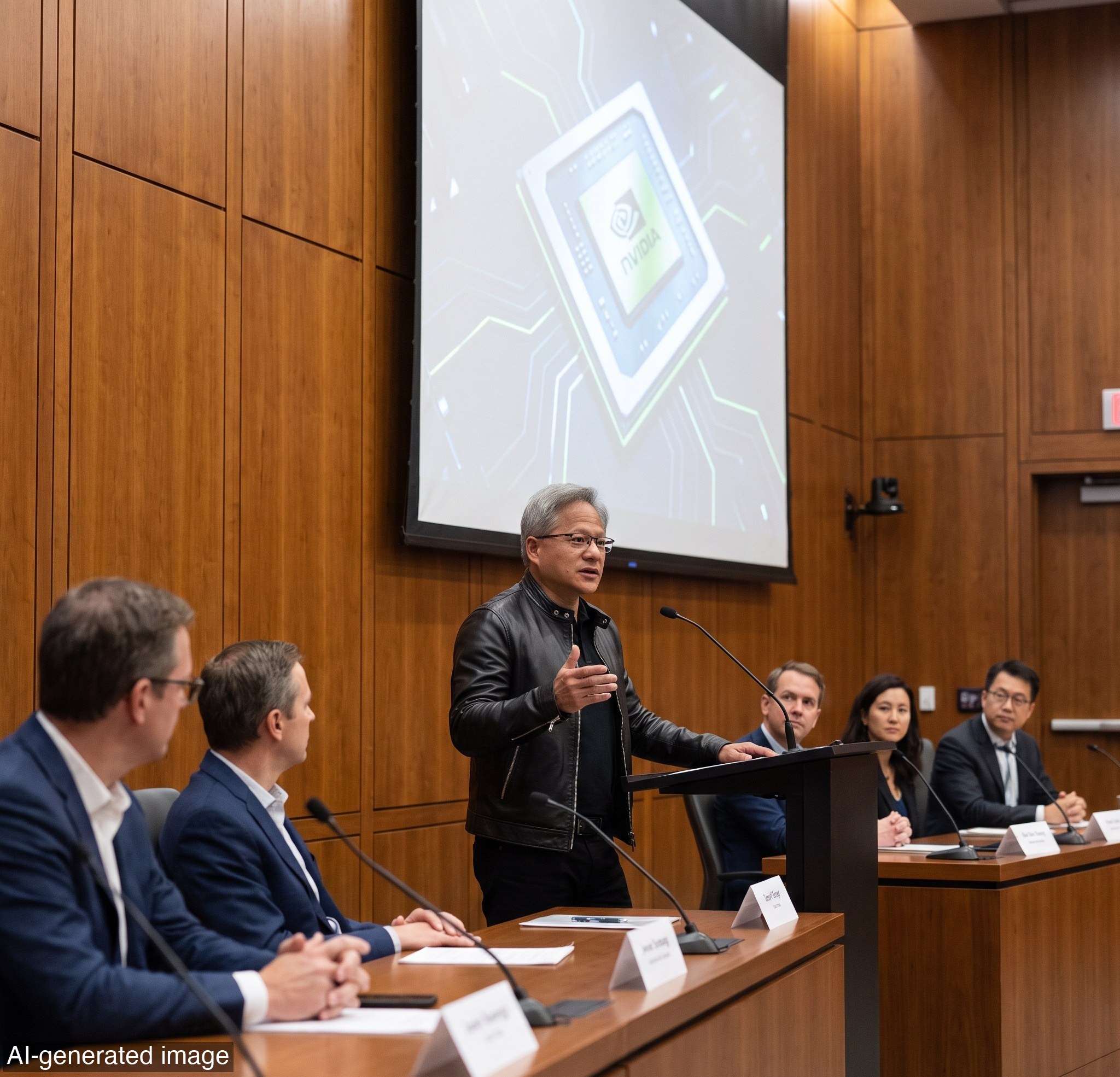
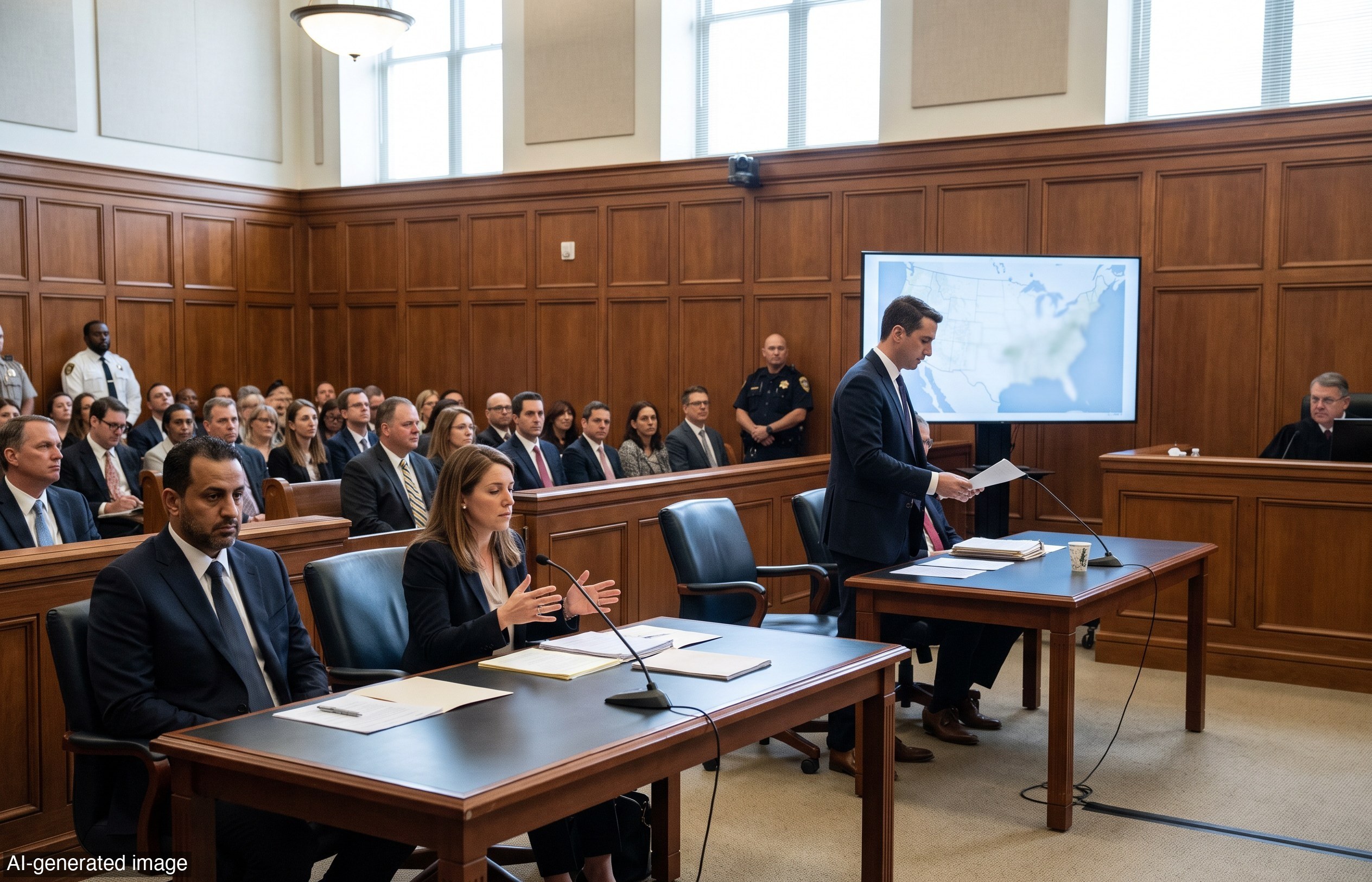
OpenAI engineer faces 5 years as prosecutors cite one-way Saudi trip
Prosecutors say Abdulrahman Alfozan booked a one-way flight to Saudi Arabia before his arrest, while his lawyer says the allegations are 'wholly out of character' and that he is entitled to due process.
Goldman posts $18.68 billion in third-quarter revenue as JPMorgan and BofA miss
Goldman Sachs delivered its second-highest quarterly net revenue ever in the third quarter, while JPMorgan Chase and Bank of America fell short of expectations. The split shows where Wall Street’s earnings power is still holding and where costs, trading weakness and regulatory pressure are biting.

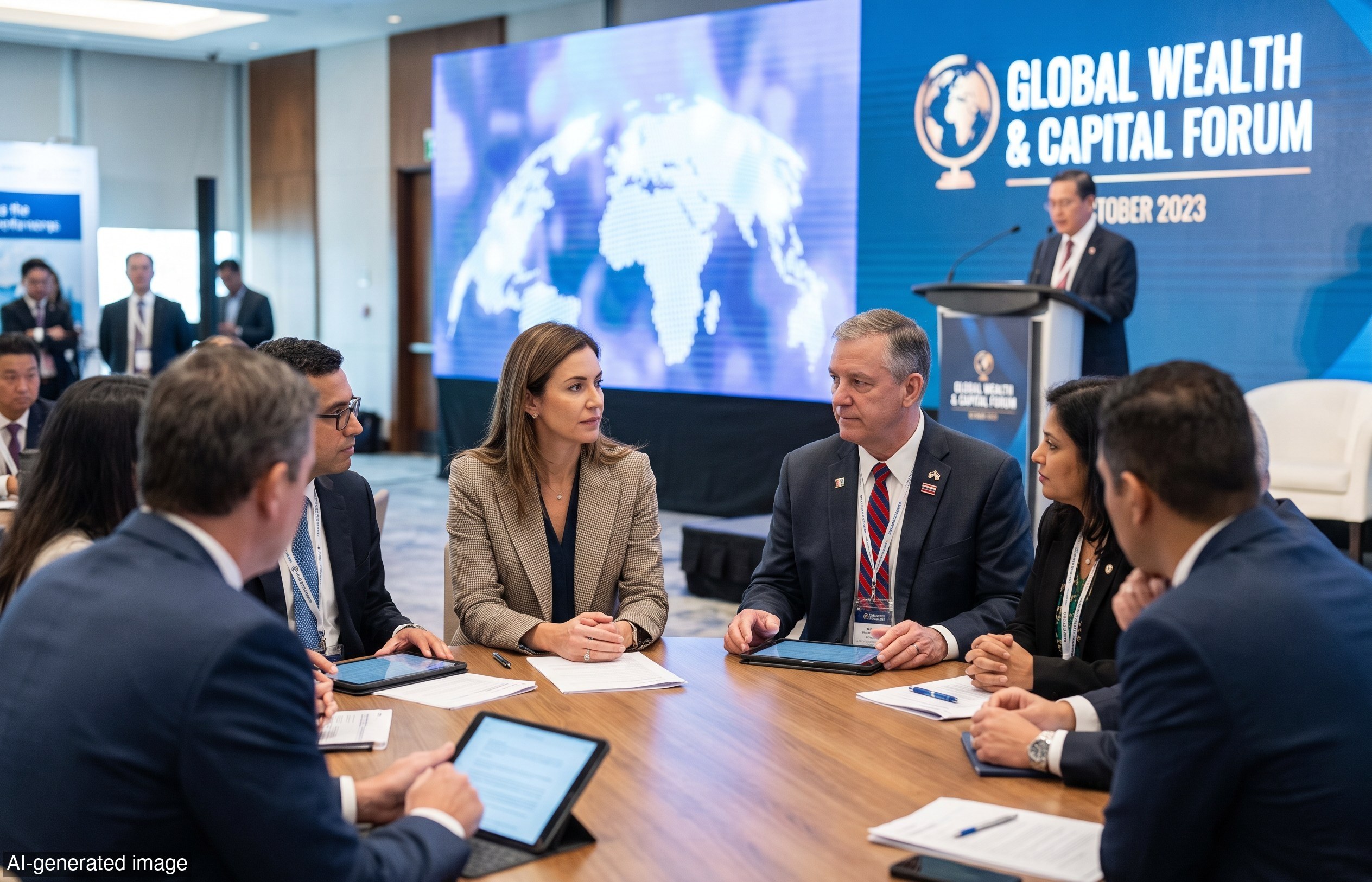
$124 Trillion Wealth Shift Puts Women and Veterans at the Center of Capital
Fortune says the Great Wealth Transfer could move $124 trillion by 2048, with $54 trillion going to women, $52 trillion to children, and $18 trillion to charity. Executives at its Most Powerful Women conference said women entrepreneurs and veterans are already changing how wealth is invested and spent.
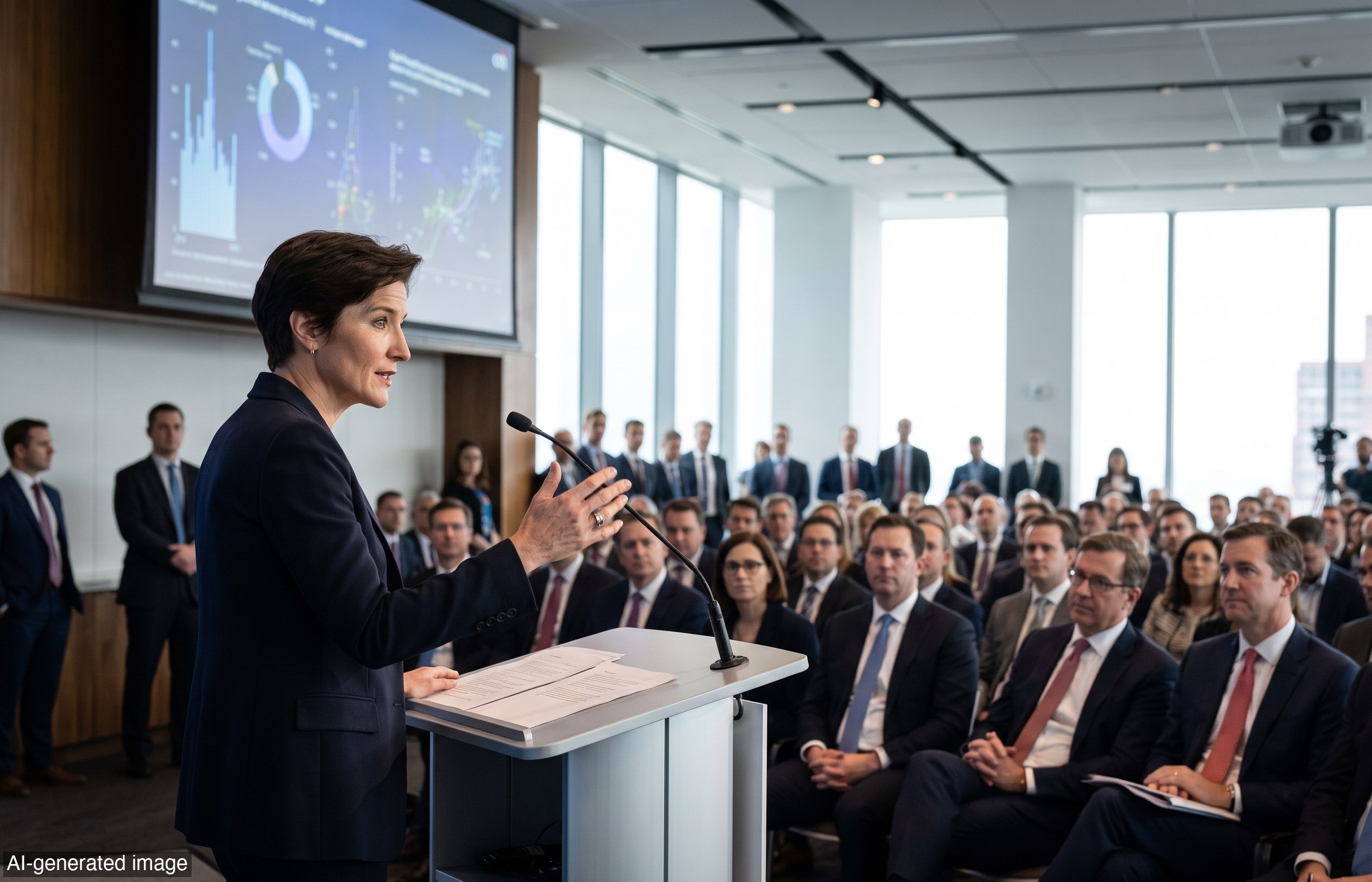
Citi posts its best third-quarter revenue in a decade as Fraser pushes AI, cuts 20,000 jobs
Jane Fraser says Citigroup has already done much of the heavy lifting after a years-long turnaround. The next phase centers on AI, tighter risk controls, and a bank that must 'beat the best' to stay ahead.
Cécred’s family-built launch hit Ulta with 89 awards
Tina Knowles says the hair care line she launched with Beyoncé was financed without outside investors and built on decades of salon work, research and development. Since debuting, Cécred has posted Ulta Beauty’s most successful prestige hair care launch, won 89 awards and expanded into the U.K.

Lean In Says 93 Women Got the Promotion to Manager for Every 100 Men
Bridget Griswold says the 'broken rung' remains one of the most entrenched barriers to women’s careers, with 93 entry-level women promoted to manager for every 100 entry-level men in 2025. She argues the gap at the first step up still shapes who reaches leadership later.

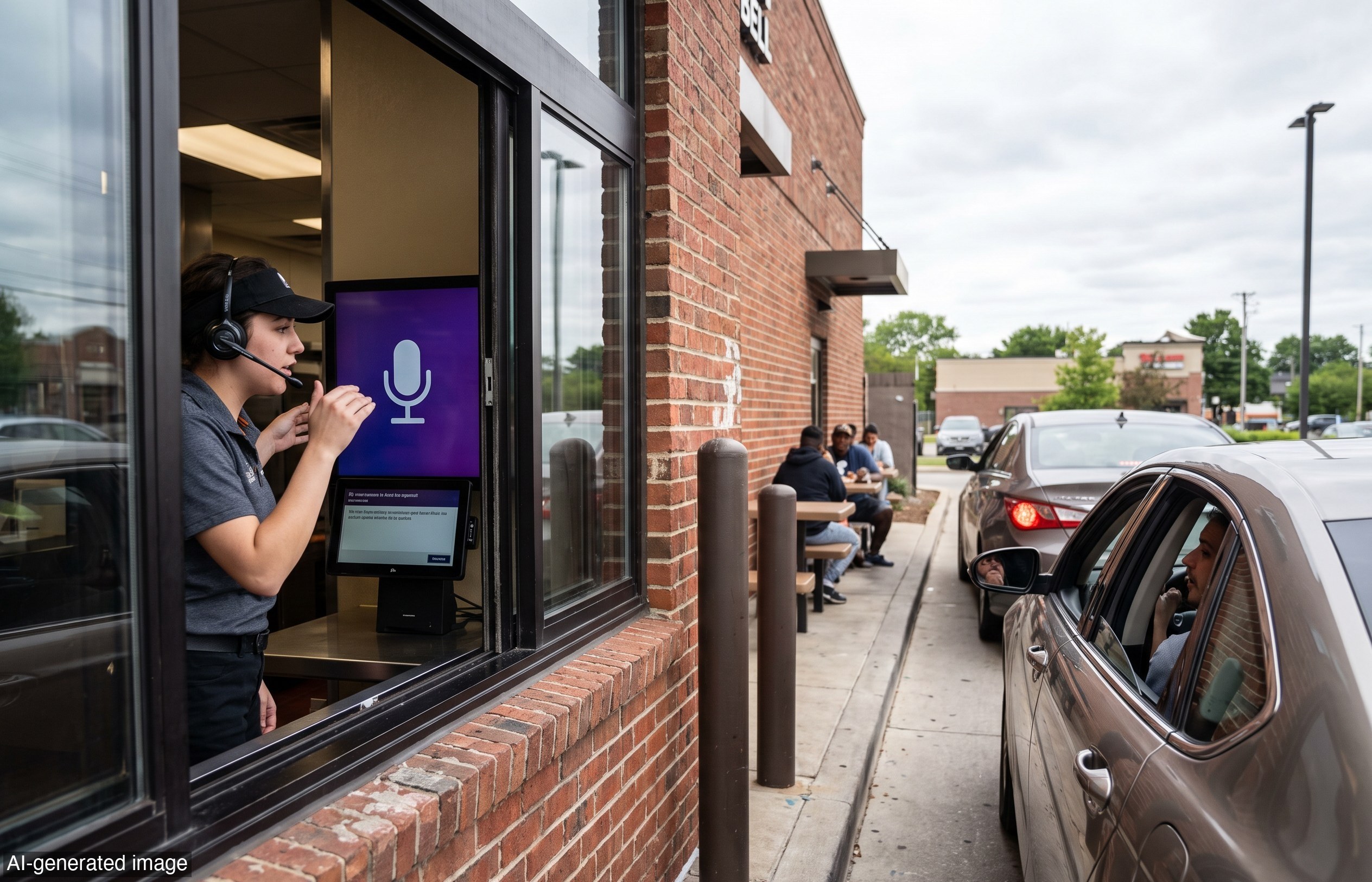
Yum! says Taco Bell’s AI drive-thru bot is lifting retention at nearly 900 locations
Erika Burkhardt says the system has made jobs easier for restaurant workers by cutting friction in the ordering process. Taco Bell expanded Omilia Voice AI in drive-thrus to nearly 900 locations in July.
Rhode sale to e.l.f. hit $1 billion as Bieber kept control of the brand
Hailey Bieber said her main fear in the acquisition was losing control of Rhode, not losing the price tag. e.l.f. kept the founders in place as the brand pushed toward global retail scale and roughly $390 million in net sales in fiscal 2026.

California's proposed 5% billionaire tax pushes a 23-year-old millionaire out of San Francisco
Emil Barr said California's regulatory and tax climate, including Proposition 40, convinced him to cancel a planned move to San Francisco. Supporters say the measure would help fund healthcare; critics see a warning sign for entrepreneurs and investment.
Koch backs Emanate’s AI sales push as industrial buyers race for speed
Koch Disruptive Technologies is making a strategic investment in Emanate, a San Francisco startup that says AI can help industrial suppliers answer faster, price better and win more orders. The company says the software can lift customer revenue by 60% to 80%, though it would not name clients or disclose revenue.
Kalshi Says Flat Management Helped Drive a $4 Billion Revenue Run Rate
Kalshi cofounder Luana Lopes Lara says the company skipped VPs and 'heads of' to move faster, even as annualized revenue rose to $4 billion from $775 million in December. The market has already voted, but the company still faces lawsuits from state governments over whether its sports wagers are legal.
Gen Z mechanic outearns her friends by $3 an hour after quitting college
Victoria Madsen left a law path for ski-lift work in Utah and says the job paid $3 more an hour than her previous position. Fortune reports she now makes more money than most of her friends and has gained the financial security to move out, rent an apartment and buy a new car.
Women Hold 30% of C-suite and Board Roles as Promotion Stalls
Women’s share of C-suite and board roles has stalled at about 30%, even as the Fortune 500 now has 56 companies led by women. The slowdown is tied to weaker leadership development, a shakier labor climate, and less attention to executive pipelines.

Amodei warns of AI ‘catastrophic or existential risk’ as Anthropic floats IPO plans
Anthropic CEO Dario Amodei said AI capabilities should move more slowly, warning of losing control of models, cyberattacks and bioterrorism. The company’s IPO prospectus also warned its technology could pose a ‘catastrophic or existential risk to humanity.’
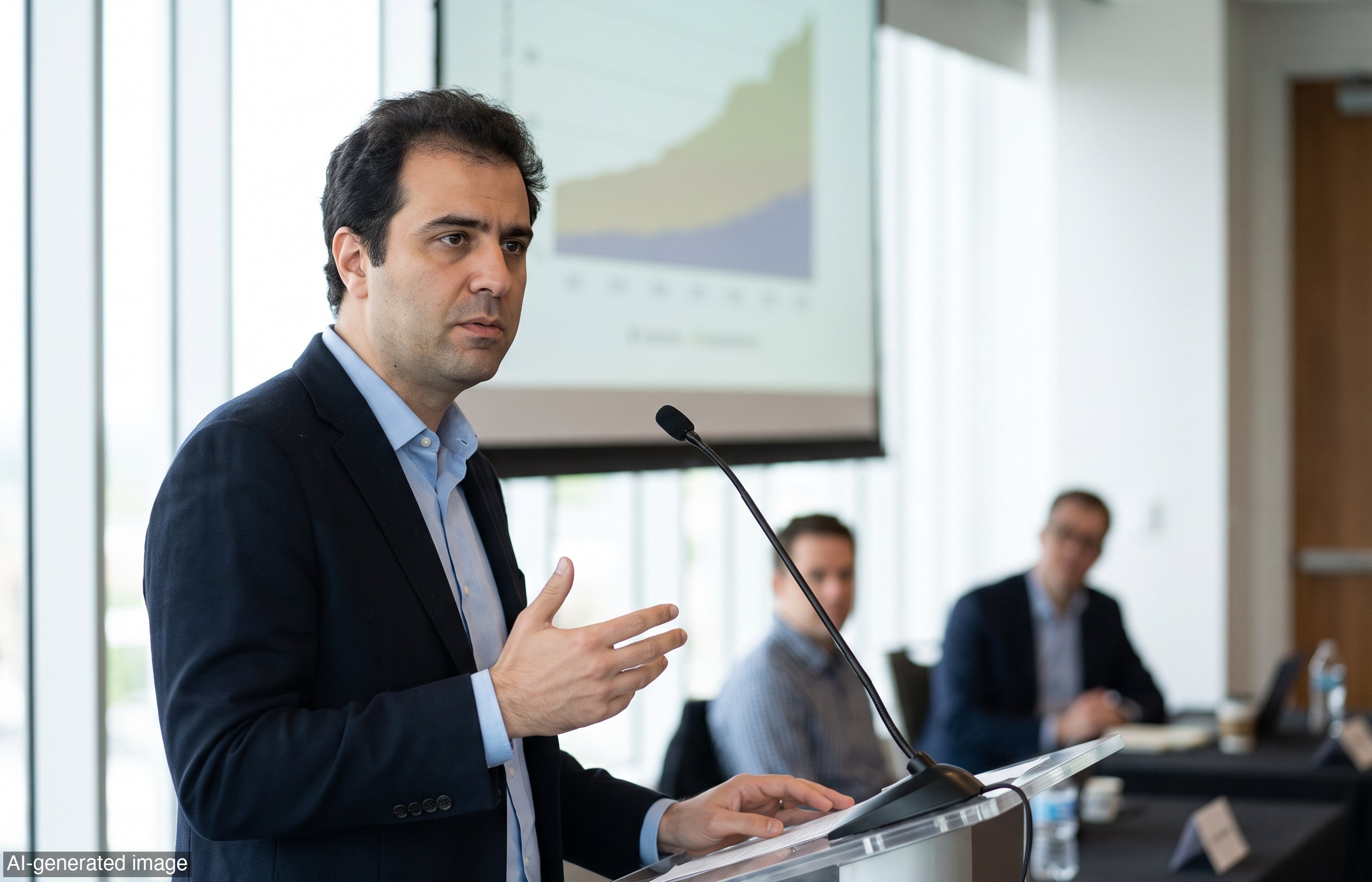
Applied Materials puts $5 billion behind an AI chip lab to slash development time
The Sunnyvale project is designed to cut the 'concept to commercialization' cycle for new chip architectures from 10 to 12 years to as little as six years. Applied Materials says the EPIC center is its largest-ever U.S. investment in advanced semiconductor equipment R&D.
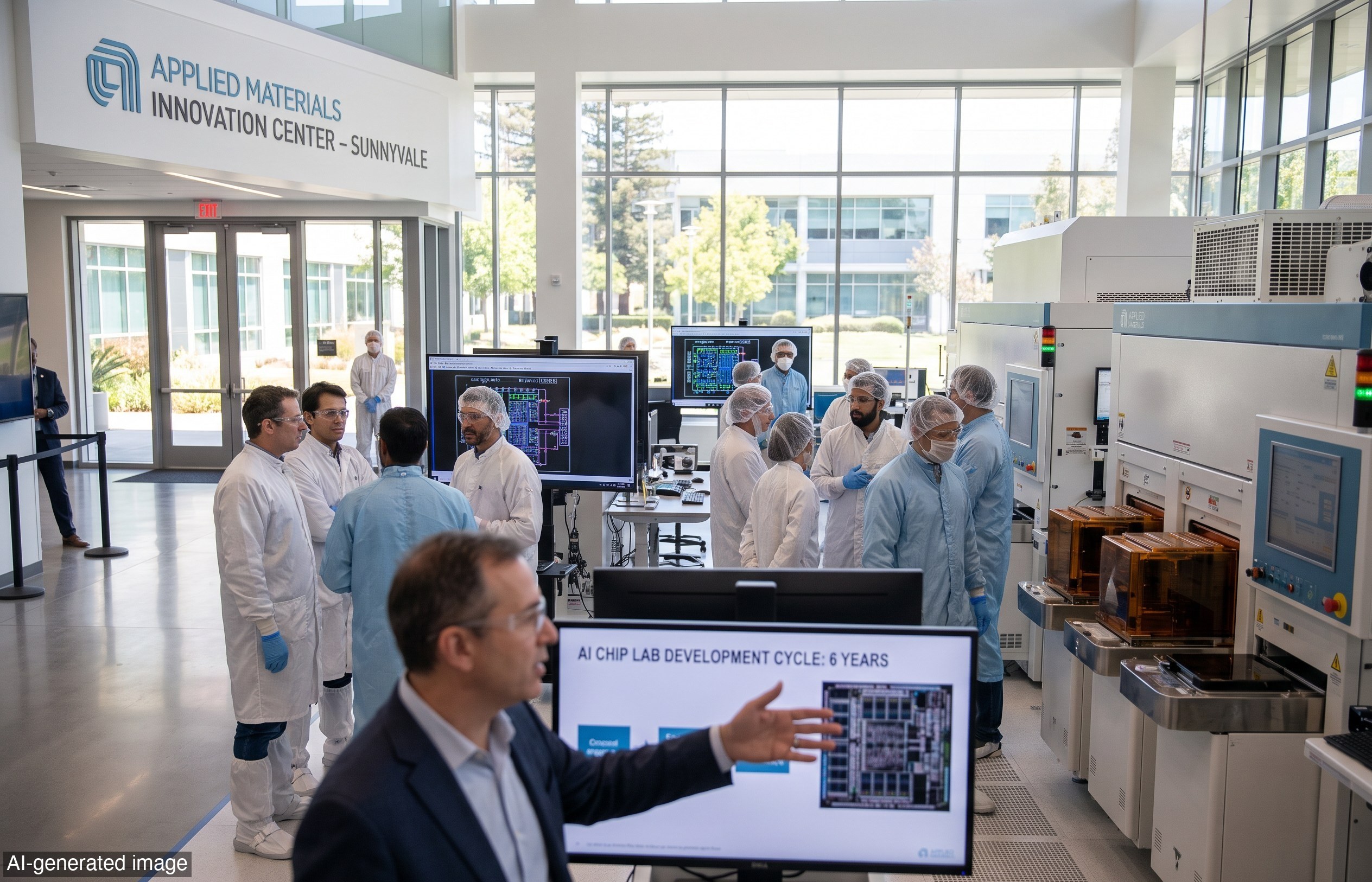
AI Is Saving Time, and Workers Fear the Payroll Cut
AI can make employees faster, but the bigger question is who captures the savings. A Norway-backed agreement and worker safeguards are being pitched as one answer, while U.S. workplaces remain far more union-light.
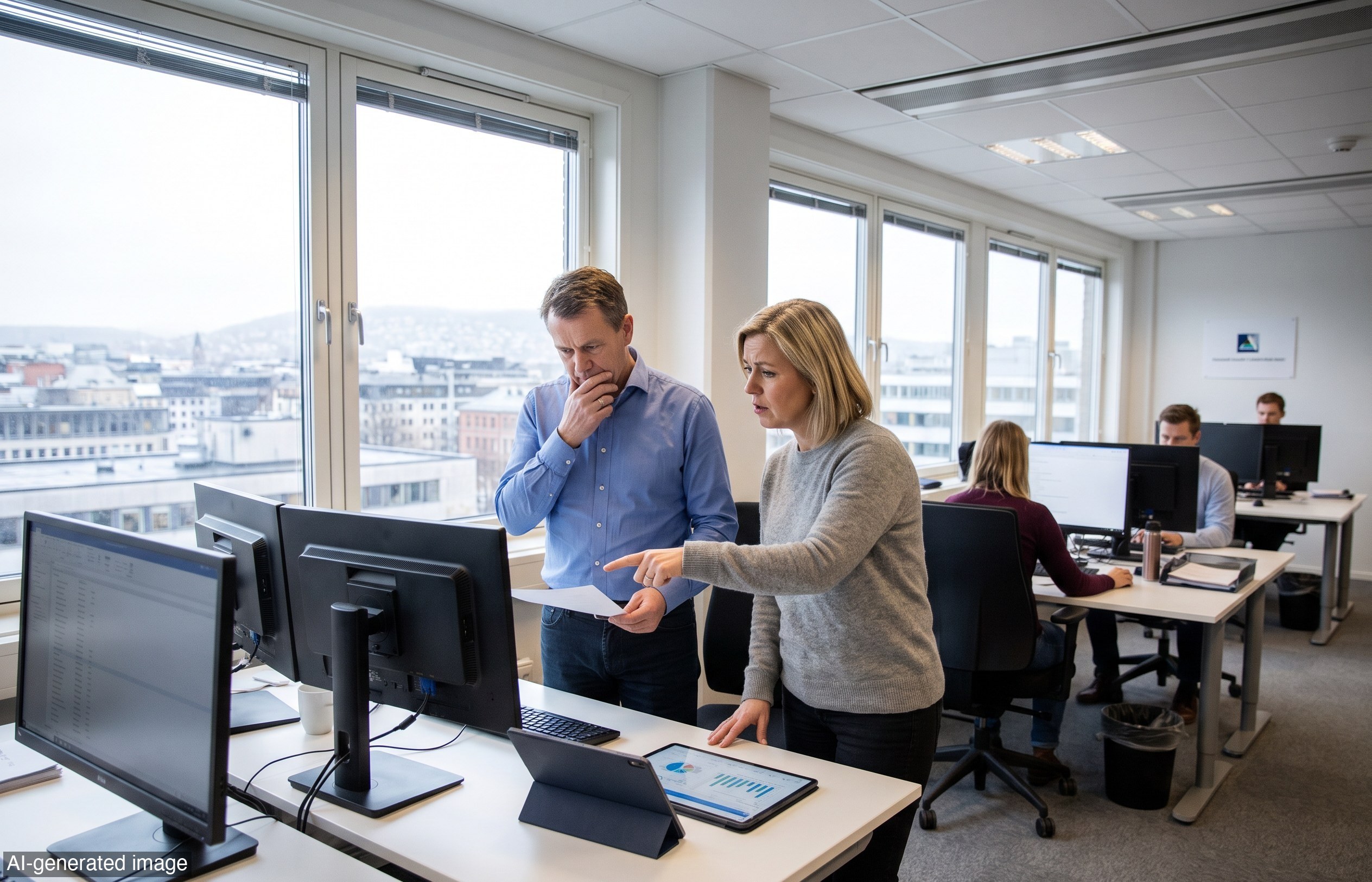
Block Says AI Agents Could Land on Org Charts as Spending Tops $730 Billion
Tech companies are restructuring to justify their AI bills, and Block CFO Amrita Ahuja says that could soon mean 'agents' listed alongside human workers. The push is being sold as efficiency, but the real test is whether the investment produces revenue.

Watkins says leadership pays when 51-year-old executives invest in people
Sam’s Club CEO Latriece Watkins says her greatest sense of power comes from watching the people she has invested in move up. She also says leaders need clarity, not improvisation, from the top.
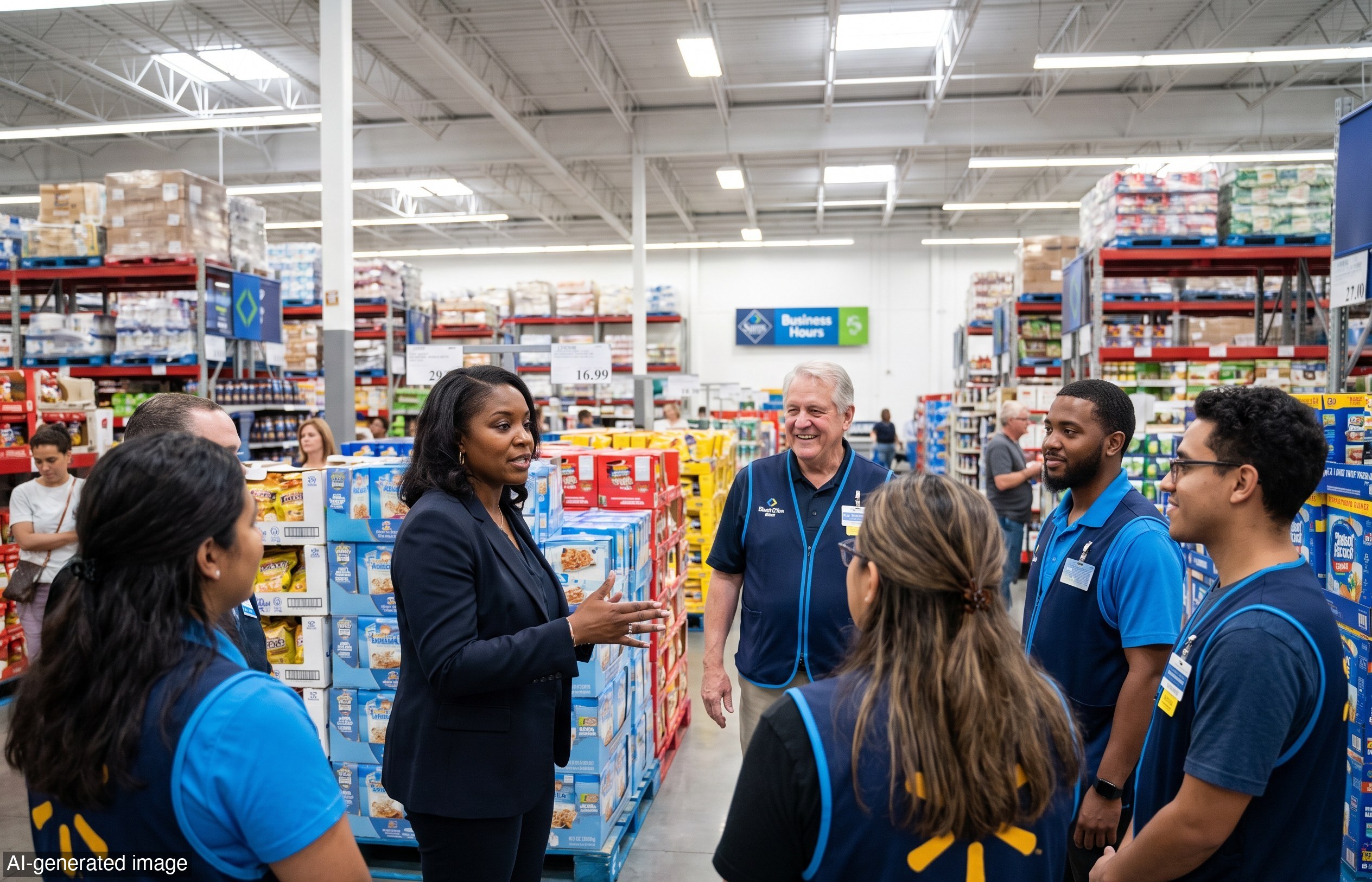
Grede Says She Never Second-Guesses as Skims Reaches $5 Billion
Emma Grede said intuition and speed helped her build Skims into a $5 billion company and launch Off Season, while she warned that waiting to feel ready can be one of women’s 'most expensive habits.'

Albertsons pulls forecasts as sales slip 0.8% under Whitman turnaround push
Albertsons withdrew its financial forecasts during a strategic review as second-quarter net sales fell to $18.9 billion and identical sales dropped 0.8%. The company says 'dramatic improvement is needed now' as Meg Whitman takes a hands-on role in the overhaul.

Causa Prima raises $20 million to automate billing disputes across companies
The startup says its AI agents are built to speed payments between buyers and suppliers, a market where manual approvals still slow cash flow. The new funding lifts total backing to $30 million as it prepares to open a New York office.

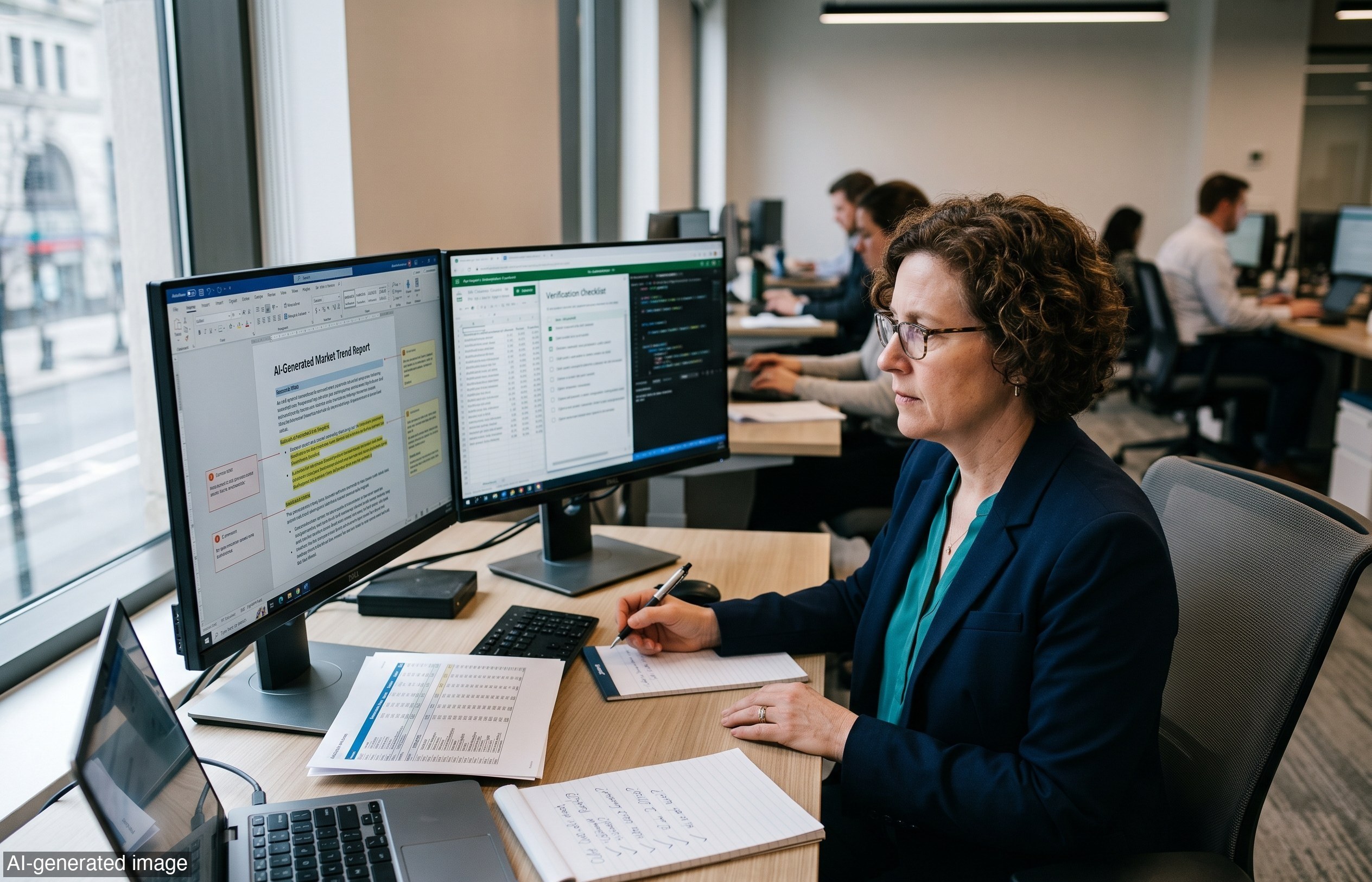
Wharton finds 62% of managers use AI daily as verification becomes the bottleneck
Managers at large U.S. companies are using AI more often, but the real issue is shifting from generating output to verifying it. The survey says 80% reported positive financial returns, even as caution rose and responsibility for mistakes stayed blurry.
Data centers could demand 3.6% of U.S. GDP a year as AI buildout accelerates
A VC says the winners in the AI race will be the countries that can build the infrastructure, not just the best models. He compares data centers to railroads and warns that execution will matter more than invention.

$210 million Kormotech founder says power now slows the company
Rostyslav Vovk says the Ukrainian pet food maker grew from a family startup into a $210 million business, but his own decision-making became a bottleneck. He is now backing a board with the power to block him as Kormotech pushes to globalize.
Alphabet Readies Even Bigger AI Capex After $200 Billion Spree
Ruth Porat said Alphabet expects capital expenditures to 'increase significantly' next year as the company stays 'capacity constrained' on compute demand. The numbers come first: AI spending is already hitting cash flow, even as Google Cloud growth shows where the payoff may be.
Microsoft science chief exits for Mercedes F1 AI role after 16 years
Peter Lee is set to leave Microsoft after 16 years and join Mercedes Formula 1 in a new AI advisor role. The move shows how the AI race is pulling senior talent beyond Silicon Valley and into industries where data, regulation, and speed now matter just as much as code.
Minus33 says profits quadrupled as a 39-year-old leaves 80-hour consulting weeks for family socks
Lawson Glidden says the New Hampshire maker's profits have roughly quadrupled since he joined in 2018, after he left regulatory-software consulting and moved into the family business. Fortune could not independently verify the figures, but the company says a focus on fit and wool helped turn around a once-struggling mill.
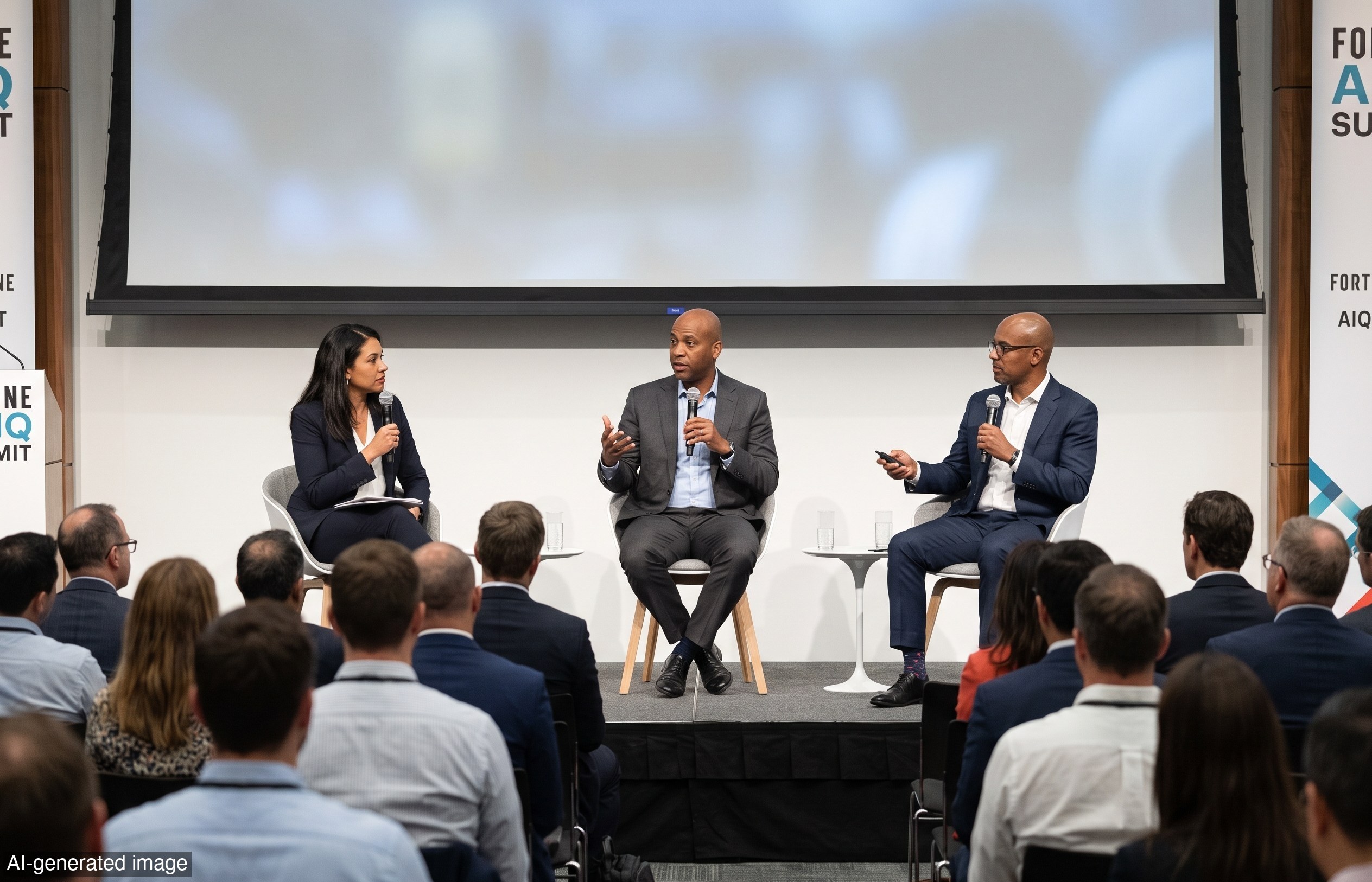
AI leaders say execution now matters more than pilots as 57% of top firms upskill
At Fortune's AIQ Summit, executives said the real test is no longer whether firms deploy AI tools, but whether they redesign workflows, train workers, and build the discipline to turn capital into measurable value.
Amata says Laos could become its largest industrial park focus
Vikrom Kromadit says Laos has the land and power base to anchor Amata’s next phase of expansion. The company already operates in Thailand, Vietnam and Laos, and says its long-term Laos vision could reach 200 square kilometers.

Delta says 60% higher fuel costs may leave travelers paying more
Delta CEO Ed Bastian says higher ticket prices could stick if demand holds up, even after fuel costs rose 60%. The airline’s revenue per seat mile climbed 15% as passengers kept buying.

Eightfold AI says recruiters could screen 1 candidate’s digital twin first
Ashutosh Garg, CEO of Eightfold AI, says a candidate's digital twin could handle the first interview screen before a recruiter meets the real person. The pitch is built around faster screening, fewer résumé checks, and more focus on human judgment.

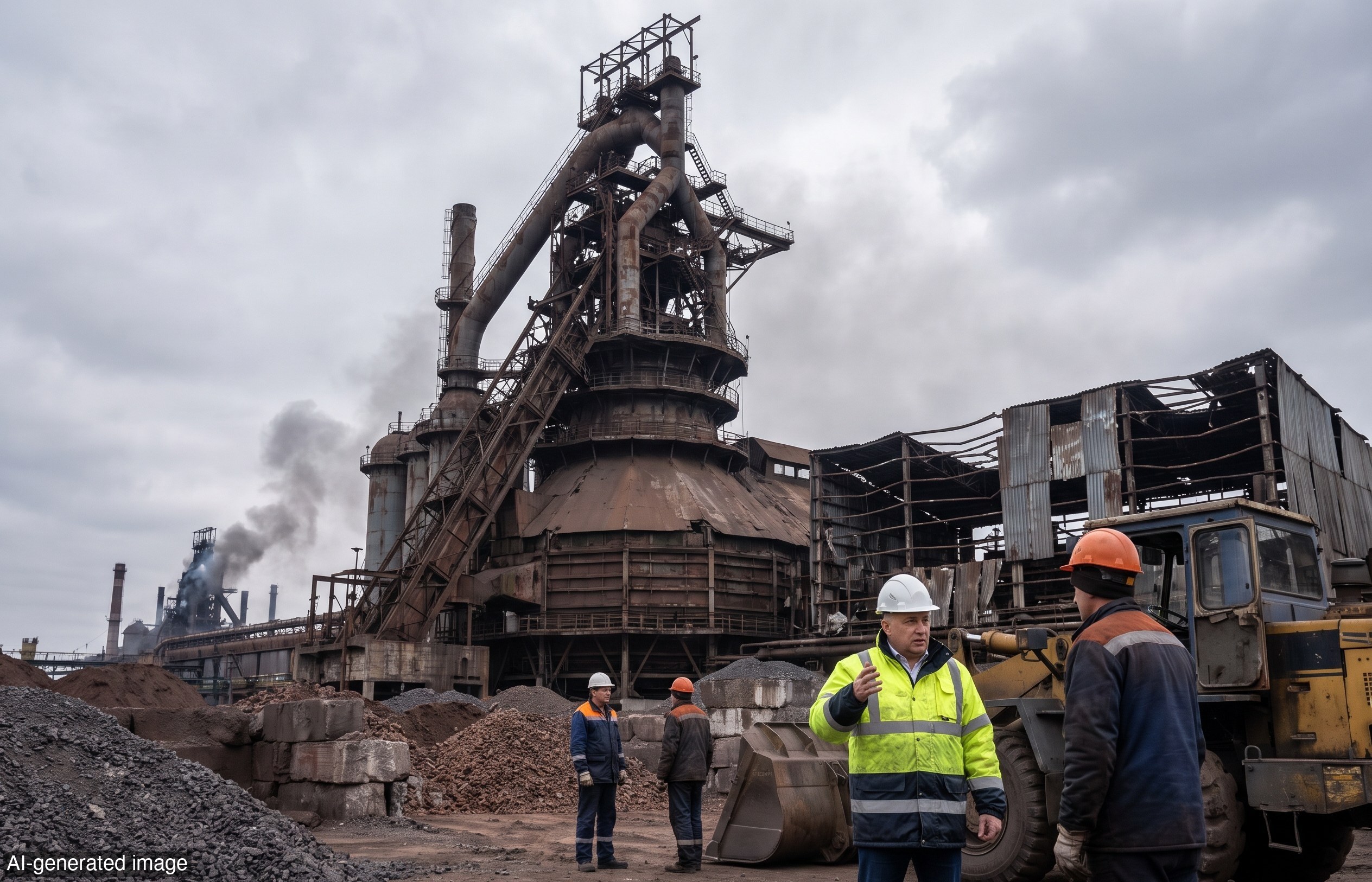
Ukraine steel output falls to 7.4 million tons as war and EU tariffs squeeze Metinvest
Metinvest says Russian bombing and tighter EU quotas have pushed Ukraine’s steel sector toward collapse. Yuriy Ryzhenkov says the industry needs market access and investment, or 'everything comes to an end eventually.'
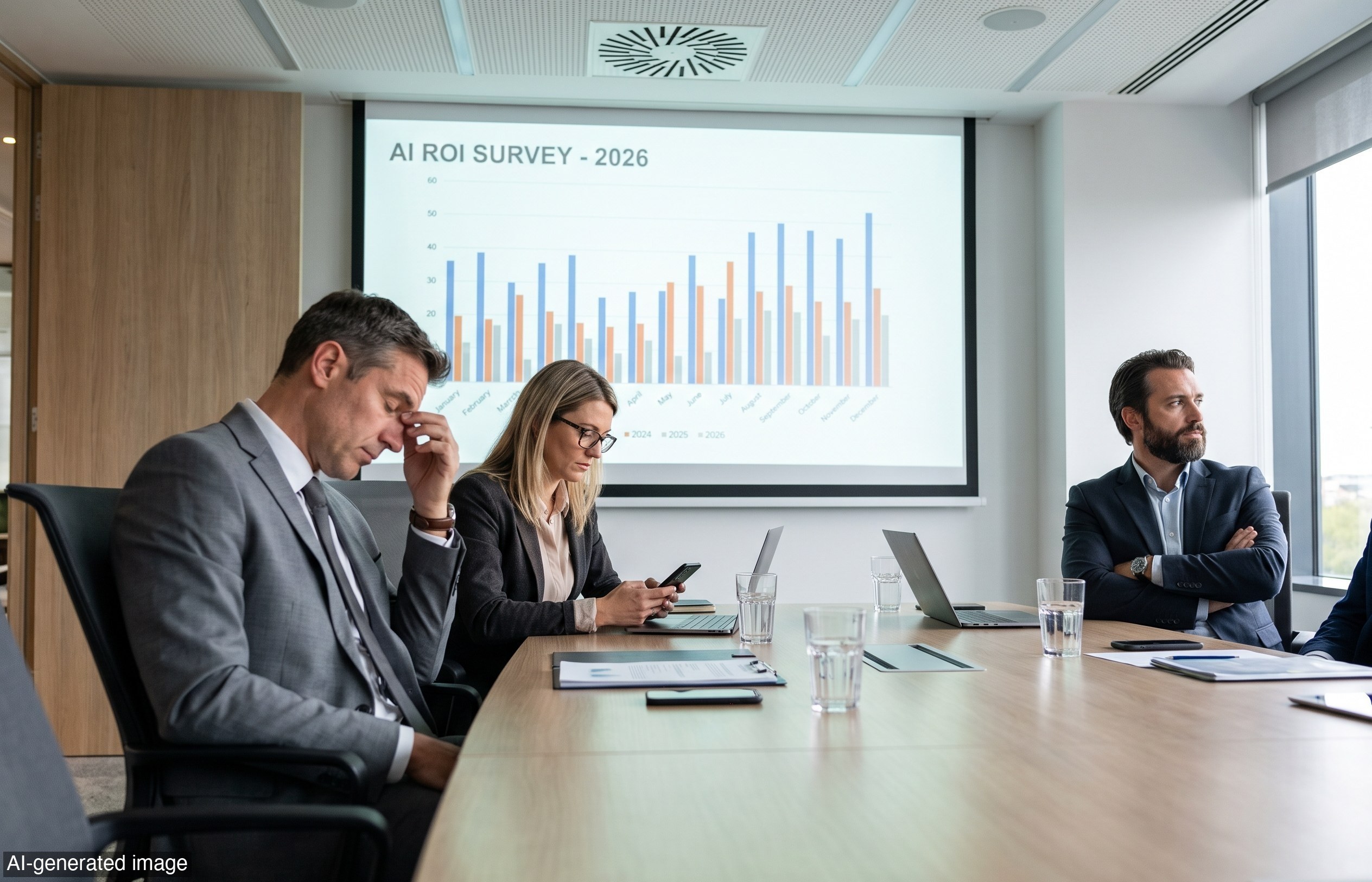
AI is spreading fast, but 88% of CFOs say the payoff is still 'Not so much'
A Fortune commentary says the AI boom is colliding with weak productivity gains, with McKinsey's 2026 survey finding that 88% of chief financial officers answer 'Not so much' when asked how AI is transforming the bottom line. The piece argues that heavy overhead, regulation and corporate complexity are slowing the economic payoff.
Oil theft hits 47% of Permian firms as crude nears $100
Nearly half of firms focused in the Permian Basin said theft has affected their operations, and 47% of impacted executives described the crime as targeted and organized. The market has already voted: higher oil prices have turned West Texas into a bigger target for theft and enforcement costs.

Twilio CEO flags two interview mistakes that can cost candidates the job
Khozema Shipchandler says senior hires can get a 45-minute dinner interview, but failing to ask questions or leaning too hard on 'I' can count against them. The hiring test is less about polish than curiosity, chemistry and whether the candidate sounds like a team player.
Ancestry CEO Says Lunch With Workers Yields 'Unfiltered Information'
Howard Hochhauser says a habit picked up at Bear Stearns helps him avoid the executive bubble and hear honest feedback from employees. The market lesson is simple: access matters, and hierarchy can hide the information management needs most.
AI could add jobs by 2035, but 11 million Americans may still need a new path
McKinsey says the U.S. economy will have more jobs by 2035 than today, but the mix will shift sharply. Roughly 11 million Americans may need to leave shrinking occupations, and many will need retraining, credentials, or both.
Blankfein Says Harvard at 16 Was the Launchpad That Changed His Wealth Path
The former Goldman Sachs CEO says education is the 'real accelerator' for most people into the middle and upper classes. His story puts the college debate back in the spotlight as AI rattles white-collar work.
Hormuz freight rates hit $1.3 million a day as danger pay and war risk squeeze margins
Ship crews crossing the Strait of Hormuz are earning far above normal wages, but the cost of keeping oil moving has also pushed freight rates to record levels. The market is charging more for risk, and the bill is landing on shipping, refiners, and ultimately energy supply chains.
Nvidia Reaches $5.6 Trillion While Employees Still Pay for Cafeteria Meals
The chipmaker offers discounted stock and a hybrid-work setup, but not the free meals common at other Big Tech firms. The contrast shows how disciplined costs and equity upside can coexist at the world’s most valuable company.
AI lifts patent drafts by 0.38 standard deviations, but leaves junior skill behind
David Autor's latest research suggests AI may be a performance equalizer without being a skill equalizer. In a three-month study of 133 lawyers, the gains showed up in stronger drafts, while the deeper skill lift went only to experienced practitioners.
AI could reshape 167 million U.S. jobs, but the winners will be the ones who adapt
Ali Kashani argues that artificial intelligence will displace some work, transform most of it, and create new jobs that cannot yet be imagined. His message to young workers is simple: learn the tool, do not fear it, and do not sit out the transition.
Google launches 4 AI chips into orbit as space data centers race heats up
Google’s Project Suncatcher sent a refrigerator-sized satellite into low Earth orbit on a SpaceX rocket, testing whether AI chips can operate in space. The bet is aimed at meeting rising compute demand while avoiding constraints on power, water and land on Earth.
Apple cuts iPhone 18 Pro orders by 15% as a $100 hike meets weaker demand
Apple has told some suppliers to trim production of the iPhone 18 Pro and iPhone 18 Pro Max after raising prices by $100 on each model. The move comes as memory-chip costs climb and buyers show less appetite for premium phones.
Bending Spoons drew 800,000 applicants by stripping away bonuses and titles
The Italian tech company says its culture prizes speed, accountability, and high standards over perks. The market has already voted: 800,000 CVs chased 286 jobs last year.
Musk loses $63 billion in 3 days as SpaceX shares swing
Elon Musk fell out of the trillionaire club for the second time after a $63 billion drop tied to SpaceX and Tesla stock moves. He says the number is just ownership on paper, not cash in a bank account.
Bezos Says AI Could Push Workweeks to 3 Days as Amazon Spends Over $200 Billion
Jeff Bezos says AI-driven productivity could let some families live on one income and cut the workweek to three days. Amazon is also set to spend over $200 billion on capital expenditures this year while cutting about 30,000 corporate roles.
McDonald's Tests AI Drive-Thrus as a Pricing Algorithm Lands in Court
Chick-fil-A says it will keep humans at the speaker while McDonald’s pushes deeper into AI ordering and defends a separate pricing system in litigation. The fight is about more than speed: it is about control, accountability, and who pays when automation misses.
Ultra Raises $62 Million as Robots-as-a-Service Model Gains Ground
The Brooklyn startup said the money will help expand a warehouse robotics business that avoids large upfront customer costs and now pairs its hardware with Physical Intelligence software. The deal underscores how capital is favoring models that cut deployment friction and put machines to work faster.
Broadcom’s reported $30 billion AI debt deal shows chips are no longer the whole race
The competition in artificial intelligence is now running through financing, equity stakes and customer lock-in, not just hardware. Broadcom, Nvidia and AMD are all using capital structures to keep buyers attached as the AI market scales.
Sweden’s startups target $5 billion in 2026, backed by a 150-year innovation playbook
Swedish startups are on track to raise $5 billion in 2026, up from $3.2 billion in 2025, as Business Sweden points to a long-running mix of inventor-friendly rules, heavy R&D spending and a state safety net. The market has already voted on one lesson here: capital follows clear incentives.
Disney's $2 Million Offer to Jason Weaver Became a Royalty Stream That Still Pays 32 Years Later
Jason Weaver’s mother turned down a one-time $2 million check from Disney and negotiated about $100,000 upfront plus royalties instead. Three decades later, the Lion King deal is still sending him payments.
23% of security pros say MFA is optional as phishing gets harder to spot
A survey of 1,890 technology and security professionals found that 82% had employer security training, yet 23% said multifactor authentication was not required across all applications and services. The numbers point to a simple lesson: training alone is not enough when login controls stay loose.
IBM cyber chief says burnout may matter more than AI as attacks speed up
IBM's cyber response chief says AI-enabled attacks rose 56% in the past year, but the bigger risk inside security teams is exhaustion. The real test, he says, is whether companies invest in people fast enough to keep pace with machine-speed threats.
Martha Stewart says Kmart paid $65 million a year, and the royalty machine funded an empire
Martha Stewart said Kmart once sent her as much as $65 million a year in royalties, money she says helped finance her magazine and broader business. The deal shows how a strong licensing model can turn retail distribution into real capital.
Amazon launches $499.99 Alexa tablet to challenge Apple and Samsung
Amazon is moving its tablet business upmarket with a new Alexa line led by the $499.99 Alexa Tablet 12 Pro. The company is betting on premium hardware, Android access, and Alexa+ as tablet shipments fall and memory costs push prices higher.
AWS turns an 18-tab pricing model into a chatbot, and the work changes
Amazon Web Services’ finance chief says the shift is moving AI from simple productivity gains to redesigning how deals are evaluated. The pricing team now uses a chatbot built from an 18-tab Excel model to explore customer scenarios and test every contract, not just a sample.
Heineken cuts up to 6,000 jobs as Europe’s beer market shrinks 3.2%
European beer consumption fell 3.2% in 2025 and is down 9.2% since 2019, forcing Heineken to lean on price increases, cost cuts and alcohol-free brands. Europe still delivers 38.4% of first-half sales but only a quarter of operating profit.
Only 48 of 100 apprentices finish as employers struggle to keep trades workers
New research says 1.7 million skilled trades openings will need to be filled every year through 2035, but only 48 of every 100 people who start an apprenticeship finish. The gap is no longer about selling young people on the trades; it is about whether employers make completion worth it.
Ellison and Zuckerberg spent over $110 million each to keep staff close
The ultrawealthy are not just buying trophy homes. They are also buying nearby houses, using LLCs and compound-style setups to keep household staff close while preserving privacy and leverage.
Two incomes, no kids yet: SPLITs are reshaping household finances
A growing number of couples are keeping separate bank accounts while sharing a long-term plan, according to Facet president and COO Shruti Joshi. The setup can reduce money fights, but mortgage providers and tax codes still favor joint finances.
Nvidia keeps 3.7% turnover with a flat structure and two extra days off each quarter
The chipmaker says 'the mission is always the boss' and reports 3.7% global turnover, far below the technology industry average of 21.9%. Employees also can buy shares at a 15% salary discount and receive two additional days off every quarter.
Siemens Healthineers cuts resignations 25% as 200 staff join its borderless network
The German medical tech company says employee feedback, monthly surveys and a new international staff network have helped lift retention and recruitment. Its experiment shows how the right workplace rules can beat bureaucracy and keep capital and talent moving.
Marriott uses a leadership pipeline to fight Europe’s 10% hospitality labor gap
Marriott International says employee development, apprenticeships and internal promotions are helping it recruit and retain workers in Europe, where 10% of hospitality roles are unfilled on average across EU member states.
Hilton’s 1.8 million volunteer hours show why service firms cannot afford turnover
Hilton says its people-first strategy helped it reach No. 1 on Fortune’s 100 Best Companies to Work For — Europe list. The company is also widening benefits and training as the travel industry faces a worker shortage projected to exceed 43 million by 2035.
Wealthy Gen Z spent $328,880 on art in early 2026, but kept it off Instagram
The youngest rich collectors surveyed outspent boomers, millennials, and Gen X, while treating privacy as part of the asset itself. The numbers come first, and they point to a generation whose money is moving into art, jewelry, handbags, and whisky without the public display.
Gen Z’s $347,460 art habit shows who is winning the wealth transfer
UBS says Gen Z spent more on fine art than any other generation in 2025 and the first half of this year, with average spending rising 19% to $347,460. The numbers point to a wealth transfer that is already shaping buying habits, tax planning, and family balance sheets.
OpenAI posts 370 math solutions as mathematicians split on the fallout
OpenAI says it published AI-generated full or partial solutions to more than 370 outstanding mathematical problems using an unreleased internal model. The volume impressed many mathematicians, but the push to turn deep research into an AI marketing showcase has sparked a sharp divide.
Study Links Ozempic, Wegovy to a 40% to 70% Lower Alzheimer’s Risk
A new study in nearly one million Americans with type 2 diabetes found semaglutide users had a lower first-time Alzheimer’s diagnosis risk than patients on other diabetes drugs. Researchers said the finding is a link, not proof, and more research is needed.