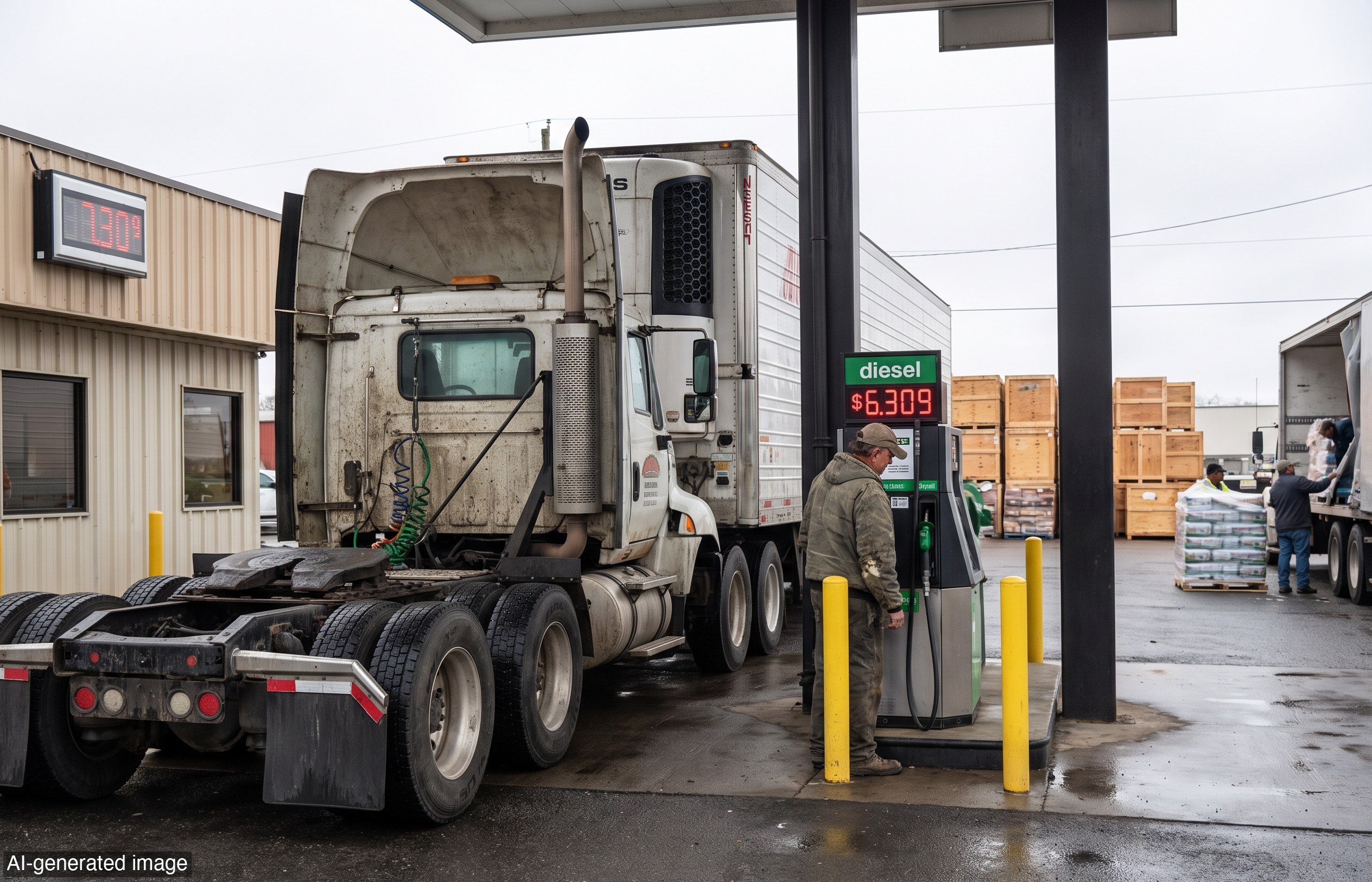
Brent crude closes in on triple digits
As of 9 a.m. Eastern Time on September 8, 2026, Brent crude sold for $99.85 per barrel — 79 cents higher than the previous morning and more than $33 above where it stood a year ago, according to Fortune.
The move is not a blip. A $33 annual rise represents roughly a 50% surge in the benchmark price, and the compounding effect on household budgets is direct: crude oil typically accounts for more than half the price per gallon at the pump, meaning the pain at the station tracks closely with what traders are paying on the futures market.
Supply, demand and the policy backdrop
Oil prices are driven by supply and demand — including expectations about future supply shaped by geopolitics and producer decisions. On the supply side, the Trump administration moved in 2025 to reopen more than 1.5 million acres in the Coastal Plain of the Arctic National Wildlife Refuge for oil and gas leasing, reversing the prior administration's restrictions on Arctic drilling. Greater domestic access to shale and other reserves can moderate price spikes by expanding the available supply base.
The U.S. Strategic Petroleum Reserve exists as an emergency buffer — a store of crude designed for energy security during disasters, sanctions or war. It can provide short-term relief during supply shocks but is not a structural answer to sustained price increases.
The downstream cost nobody talks about
When consumers pay at the pump, they are not paying for crude alone. Refinery margins, wholesale markups, taxes and local station pricing all layer on top of the raw barrel cost. Historically, prices rise faster than they fall — a dynamic sometimes called 'rockets and feathers' — meaning consumers absorb spikes quickly but wait longer for relief when prices ease.
Beyond gasoline, elevated oil prices ripple through logistics. Shipping costs rise, and those costs eventually show up on grocery shelves and in utility bills. Natural gas markets are not immune either: when oil becomes expensive, some industries shift toward natural gas for portions of their operations, lifting demand and prices in that market as well.
CEO Times take
The numbers come first, and these numbers are uncomfortable. Oil at $99.85 is a tax on every American who drives, heats a home or buys anything that travels by road or rail — which is to say, every American. The market has already voted: a $33-per-barrel rise in twelve months is not noise, it is a structural signal about supply constraints and geopolitical risk.
The case for expanding domestic production — Arctic leasing, shale development, streamlined permitting — has never been easier to make. Free enterprise and clear rules around property rights in energy development are not talking points; at $100 a barrel, they are the most direct path to protecting the purchasing power of the American consumer. Capital rewards clear rules, and right now the rules around domestic supply are the single most powerful lever Washington can pull.