Labor Day traces back to Sept. 5, 1882, when roughly 10,000 workers marched in a parade organized by the Central Labor Union and the Knights of Labor in New York City. It took more than a decade before President Grover Cleveland signed a congressional act in 1894 making the first Monday of September a legal holiday.
More than a century later, the split between the public sector and free enterprise on the holiday remains sharp. Government offices, post offices, courts and schools are closed. Standard FedEx and UPS pickup and delivery service will not run, though some critical services remain available at certain locations.
The private sector tells a different story. Most major national retailers and grocery stores stay open on Labor Day, according to the Associated Press, and many are running promotional sales to draw customers through the door. Costco is the exception among the majors, closing for the day. Hours vary by location.
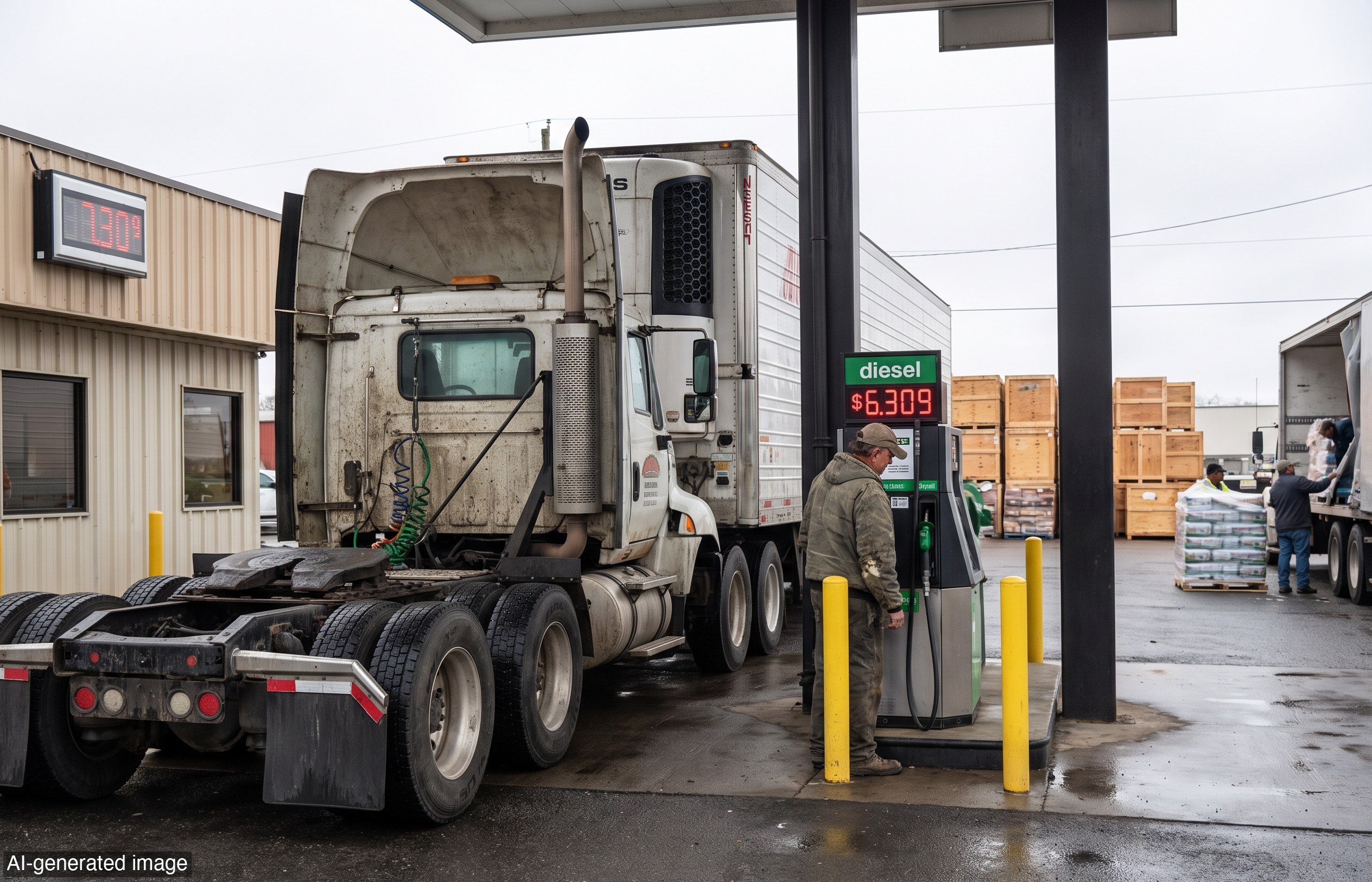
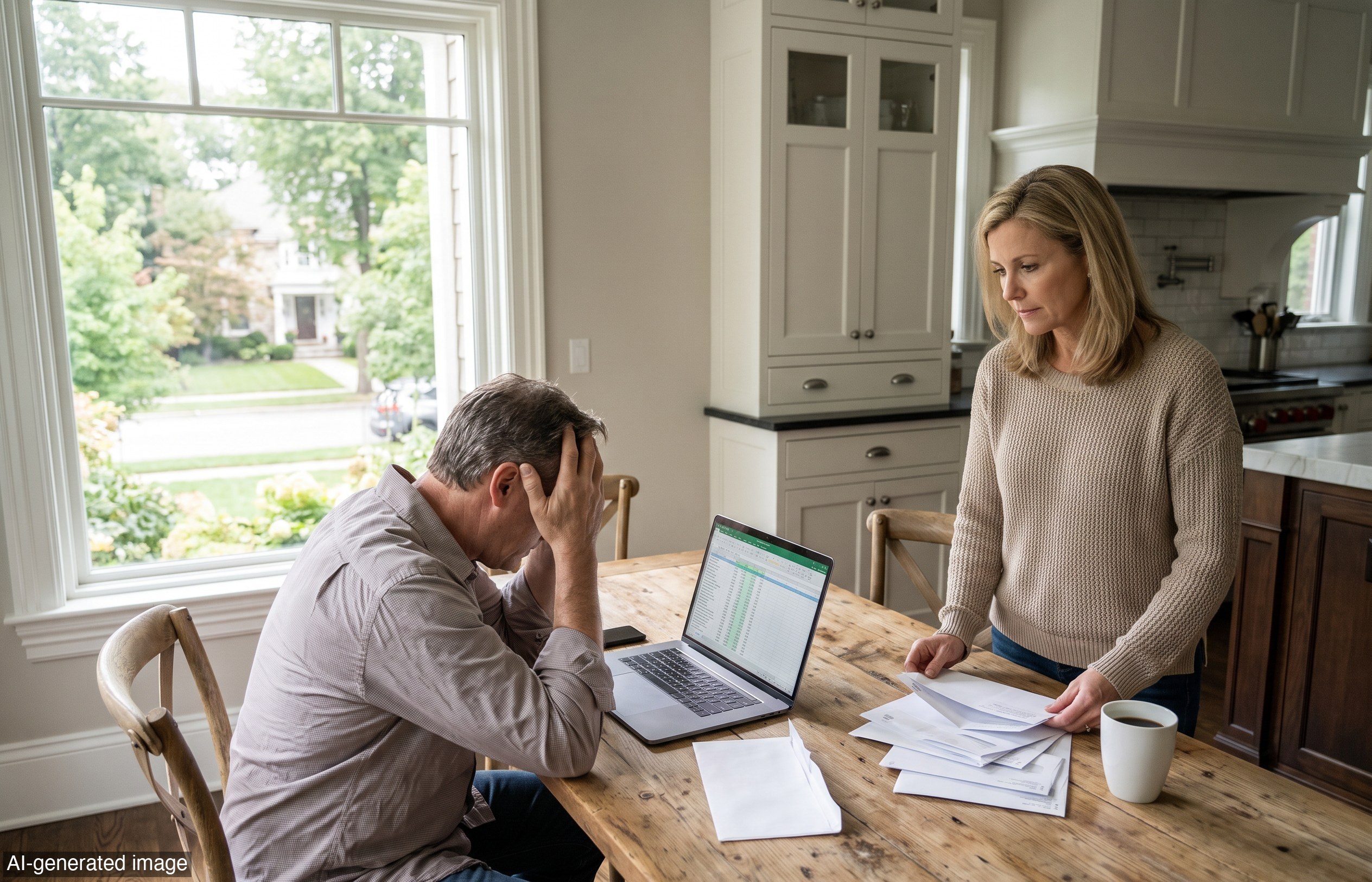
The numbers come first on travel costs, and they are not friendly to the family budget. AAA says prices for flights to top domestic destinations are running nearly 20% higher than a year ago, and hotel rates have climbed as well. The average U.S. price for a gallon of regular gas stands at just under $4.10, up 90 cents from the same weekend last year — a jump AAA and the AP tie directly to higher fuel costs stemming from the conflict in Iran.
Not every mode of travel is more expensive. Cruises departing from U.S. ports are running about 4% cheaper than last year, AAA says, offering budget-conscious travelers one bright spot for the last big summer travel weekend.
AAA's practical advice for anyone hitting the road: watch the weather, inspect tires, battery and fluid levels before departure, and pack an emergency kit with water, snacks, a flashlight and jumper cables.
The holiday itself was built to honor labor. What it exposes each year is the different rhythm of the public and private sectors — one that closes its doors entirely, the other that keeps competing for the customer's dollar even on a day off.
The 90-cent jump at the pump is the more consequential data point. It is not a tax passed by Congress, but American travelers will pay it all the same, a reminder that instability abroad shows up first in the family gas tank and the airfare receipt, long before it shows up in any policy debate in Washington. Capital and commerce did not pause for the holiday; geopolitics simply added a toll to the trip.