The U.S. national debt has reached $40.3 trillion, according to Treasury data, and the IMF is warning that economic growth alone will not solve the problem.
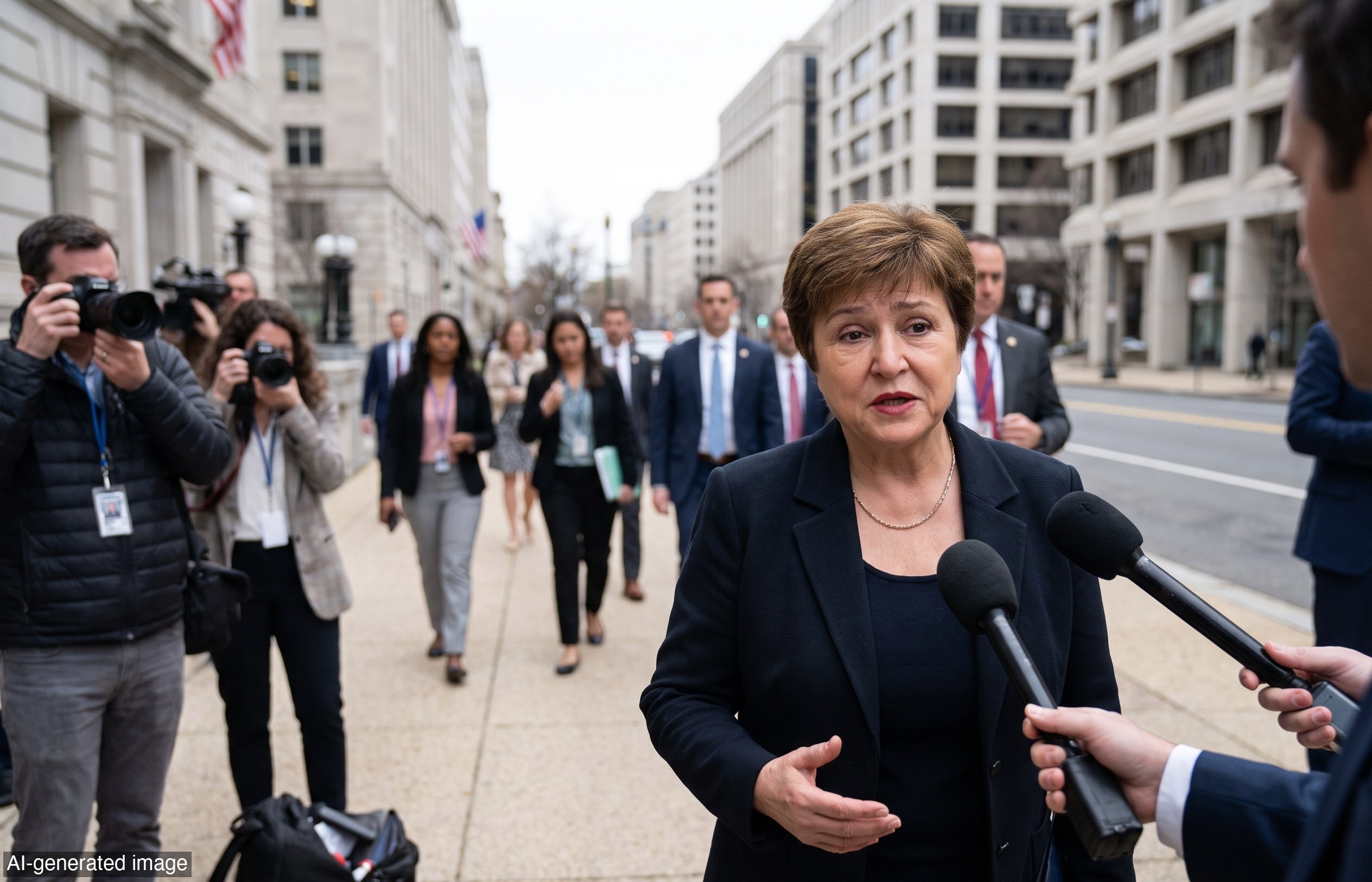
Speaking at the IMF's annual meetings in Bangkok, managing director Kristalina Georgieva said growth can ease the debt burden, but 'it cannot deliver fast enough the necessary adjustments.' She said the budget deficit must also come down.
Treasury responded by questioning the IMF's forecasting record. David Zervos, counselor to Treasury Secretary Scott Bessent, said in a statement to Fortune that it is worth remembering 'how messy their forecasts have been in the past.' He cited rosy predictions before the 2008 Global Financial Crisis and the 1997 Asian financial crisis.
The debt load is already visible in the federal books. Treasury data shows U.S. national debt at a record high and the largest in the world. The gross debt-to-GDP ratio stands at about 126%, according to the Treasury Department. Publicly held debt is lower, at 100% of GDP, but still the highest since shortly after World War II ended, according to the Committee for a Responsible Federal Budget.
The pressure is not just theoretical. Net interest payments made up about 15% of federal spending in fiscal 2026 and about 20% of revenue. As debt rises, a larger share of government money goes to interest instead of public services. By fiscal 2031, the Committee for a Responsible Federal Budget has predicted that the average interest rate on federal debt will exceed the economy's rate of growth, a setup that could push the country toward a self-reinforcing debt spiral.
Bessent has argued that consistent U.S. economic growth of 3%, helped in part by AI, can be enough to deal with the issue. 'There's nothing magic about the $40 trillion number,' he told CNBC in August. 'And we can grow our way out of that.' But the Congressional Budget Office director, Phillip Swagel, recently said, 'It's probably not plausible' that growth alone will stabilize the fiscal path, adding that real GDP growth would need to hit 5% to 6%.
The broader warning is simple: growth matters, but Washington's spending and borrowing choices matter more. Capital rewards clear rules, not wishful accounting. When interest eats more of the budget, the taxpayer pays for a government that keeps leaning harder on future revenue than on fiscal discipline.