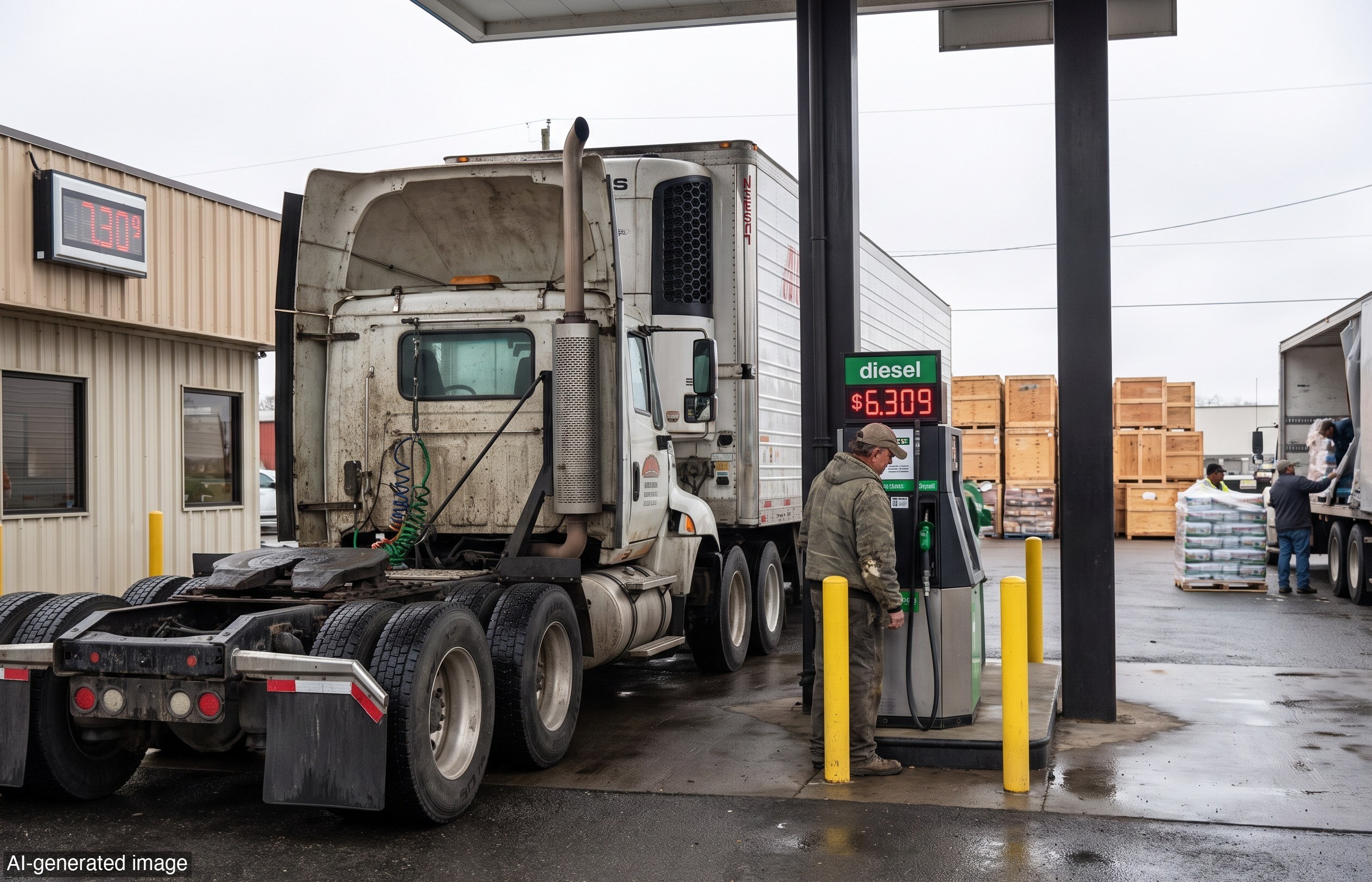
The latest fuel spike is moving well beyond the pump.
Average diesel prices hit $6.30 a gallon Wednesday, up about 68% from before the Iran war, according to AAA. The Fortune report said crude oil prices have moderated somewhat even as refining constraints have kept gasoline and diesel costs elevated.
The Labor Department’s consumer price index showed core inflation rose to 2.6% in September from 2.4% in August. Retail sales data also showed core spending outside gas stations rose just 0.2%, suggesting fuel is taking a bigger bite out of household budgets.
The Federal Reserve’s latest Beige Book added more evidence that higher fuel costs are bleeding through the economy. It said more fuel surcharges are appearing throughout the supply chain, while profit margins are getting squeezed and consumers are pulling back on spending to offset higher costs at the pump.
Several regional Fed districts described the same pressure in different forms. The New York Fed said one food manufacturer had not seen such broad-based inflationary pressures since the pandemic. The San Francisco Fed reported a manufacturer saying every material purchased in recent weeks came with a freight surcharge.
The Cleveland Fed said higher fuel costs remained the dominant driver of higher expenses, with several contacts noting spillovers into freight, packaging and petroleum-based materials. It also said one builder described high fuel costs and tariffs as a 'double whammy.'
The numbers get more striking in trucking and retail. The Richmond Fed said carriers struggled to turn a profit when diesel prices rose after they had locked in contract rates, forcing firms to draw down savings, cut maintenance spending or delay purchases of fuel-efficient trucks.
The same district relayed a hard example from a regional grocery chain: with diesel prices rising 30% since last year, the chain now pays more to transport a head of lettuce from California than the cost of the lettuce itself. The grocer also reported extreme customer price sensitivity and an inability to pass along those rising transportation costs.
Other districts reported similar strains. The Minneapolis Fed said a Montana timber company saw fuel costs more than double on a project contract signed several months ago. The Kansas City Fed said higher diesel costs have forced suppliers, distributors and customers to renegotiate contract terms, with a majority of firms expecting demand to weaken further if fuel prices stay elevated.
There were also reports of intermittent diesel shortages in rural Colorado, according to the Kansas City Fed, and of workers asking for higher pay as living costs rise. The Cleveland Fed said some employers gave raises because of higher gasoline and electricity costs, while the San Francisco Fed heard from employees seeking cost-of-living increases tied to higher fuel and food prices.
For consumers, the message is plain: energy inflation is no longer confined to energy. When diesel turns into a hidden tax on freight, groceries and construction, the market passes the bill forward until somebody stops paying or stops buying. Capital rewards clear rules, but it also punishes supply chains that cannot absorb a shock this broad.