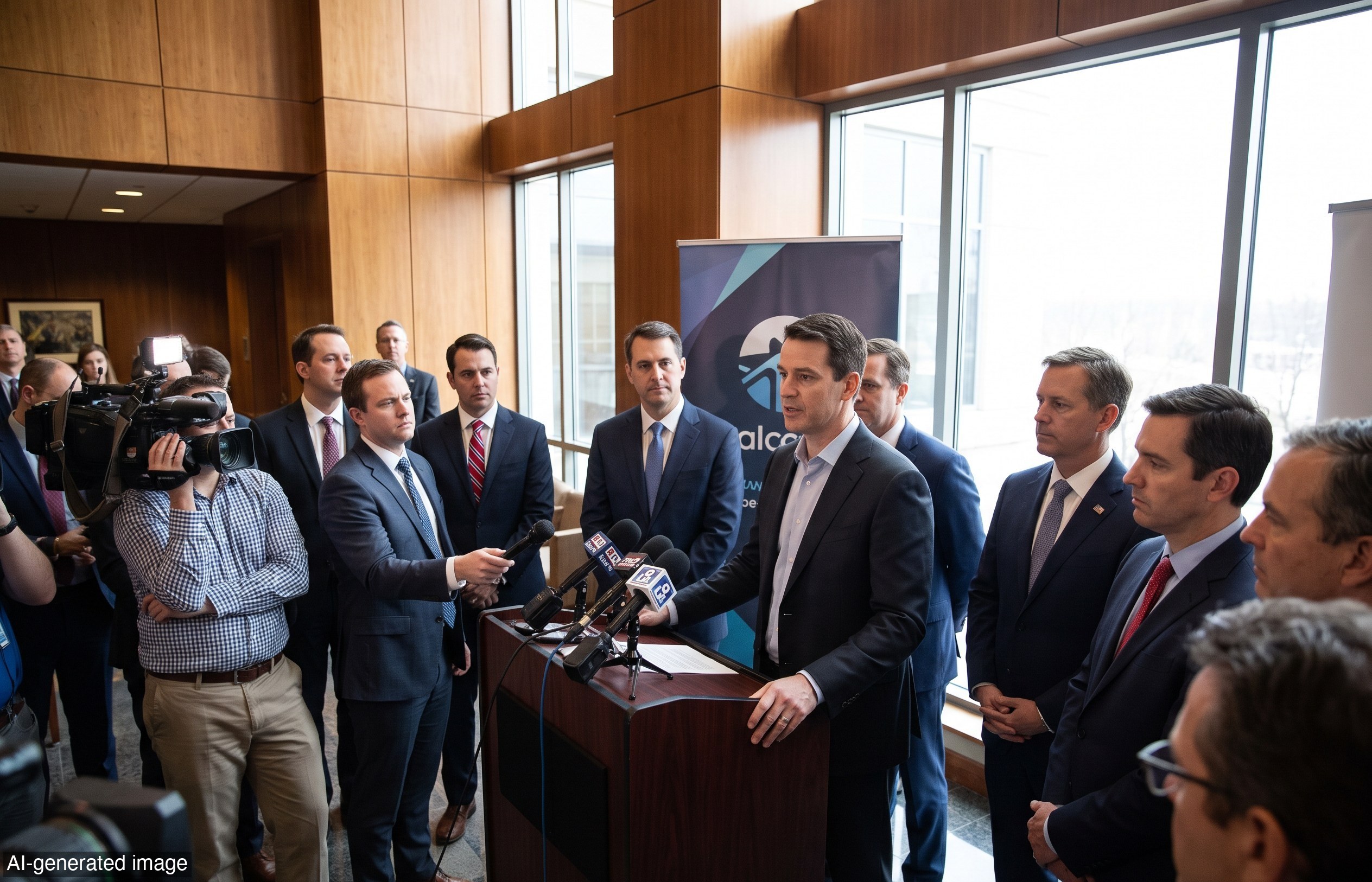
The Numbers Come First
Meta has agreed to pay up to $17.1 billion over the next decade to settle a landmark child-safety lawsuit brought by 29 state attorneys general, co-led by California's Rob Bonta. The suit alleged that Meta designed Instagram with intentionally addictive features, exposed younger users to serious mental harms, and misled the public about the platform's safety.
The figure is staggering by any measure. State attorneys general describe it as the largest state consumer-protection settlement outside the tobacco settlements of the 1990s. It is also the largest settlement ever reached with a single company in the New York attorney general's office — surpassing the $7.4 billion settlement with Purdue Pharma and the Sackler family over the opioid crisis in 2022.
How It Stacks Up
The $17.1 billion sum is more than 12 times larger than the previous highest big-tech privacy settlement of the past four years — a record Meta itself held with its $1.4 billion Texas biometric data privacy settlement in 2024. For context, the recent landscape of comparable deals includes:
- TikTok — $400 million COPPA children's privacy settlement (2026) - Meta — $1.4 billion Texas biometric data settlement (2024) - Google — $1.375 billion Texas data privacy settlement (2025) - Meta — $725 million Facebook user privacy settlement (2023) - Google — $391.5 million location-tracking settlement (2022)
None of those figures comes close to what Meta is now on the hook for.
Platform Changes Attached
Beyond the cash, Meta will make sweeping operational changes. The company will implement a default two-hour daily time limit on Facebook and Instagram for users under 18 and will bring on an independent auditor to oversee compliance. The structural commitments signal that the attorneys general were not content with a check — they wanted a change in conduct.
CEO Times Editorial Read
Free enterprise demands accountability, and when a company builds a product that allegedly harms children while telling the public otherwise, the market and the law are right to respond. A $17.1 billion settlement is not a rounding error — it is a liability that will sit on Meta's books for a decade and send a price signal to every platform engineer who has ever been asked to optimize for engagement over the well-being of a 13-year-old.
The harder question is whether a settlement, however large, substitutes for the kind of clear, durable federal privacy law that would give every company — and every parent — the same rules nationwide. State-by-state enforcement produces headline numbers; it does not produce predictable rules. Capital rewards clear rules. Until Washington writes them, the litigation industry will keep setting records, and the cost will ultimately flow through to shareholders, advertisers, and the consumers who fund both.