The Numbers Come First
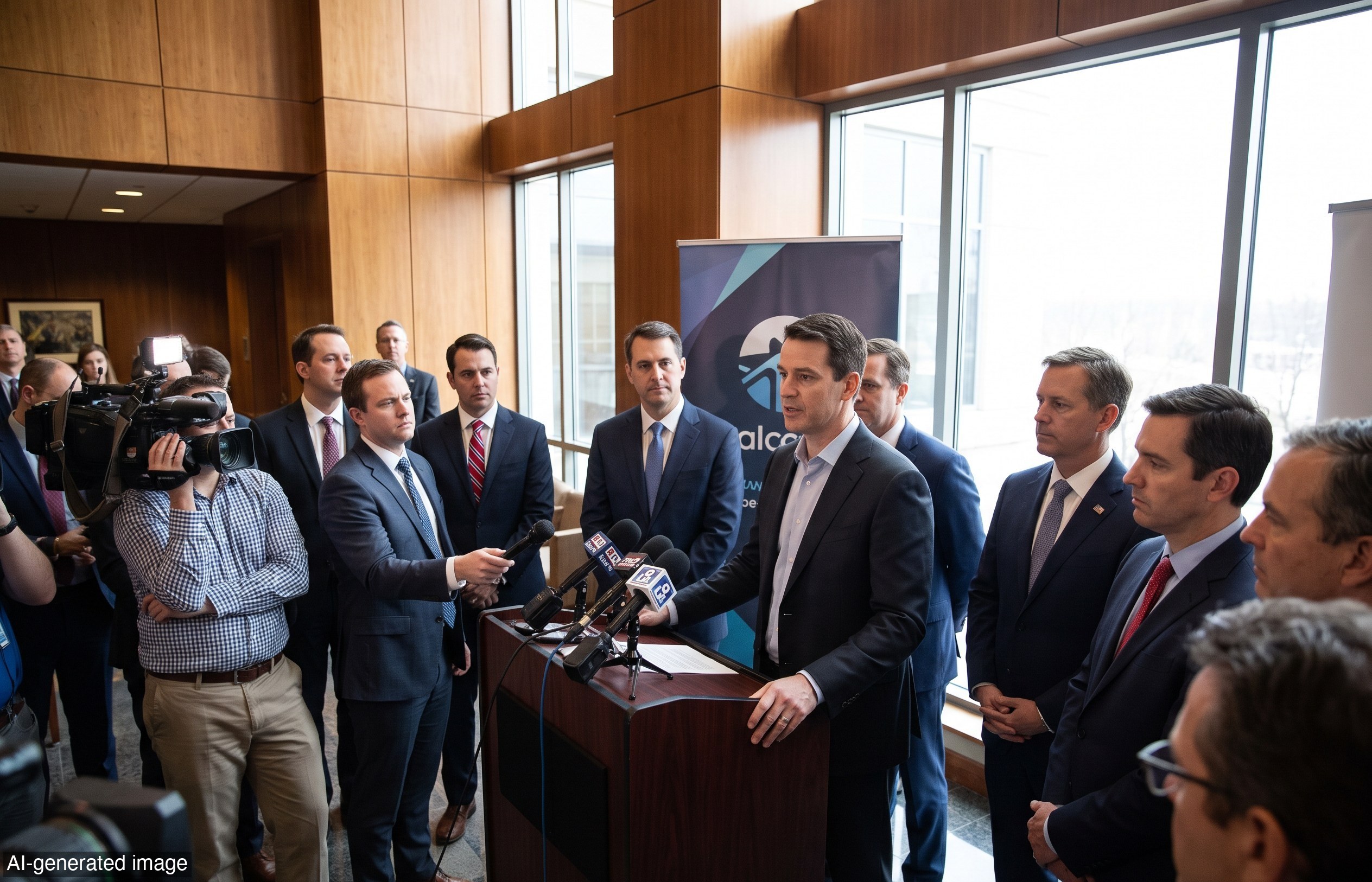
Meta has agreed to pay up to $18 billion over the next decade to settle a landmark child-safety lawsuit brought by 29 states. The annual payments amount to less than 1% of the company's 2025 revenue — a figure that, by any measure, represents a manageable line item for the parent of Facebook and Instagram.
The alternative was far more severe. Meta had warned that the Oakland lawsuit carried potential penalties of up to $1.4 trillion — enough, the company said, to wipe out its entire market capitalization. Measured against that exposure, the settlement is a financial victory.
Meta does not admit guilt under the terms of the agreement. Nearly a third of the fine is contingent on competitors — specifically TikTok and YouTube — adopting similar measures. The company framed the deal in a public statement as 'building on our longstanding efforts to empower parents and support teens,' and issued an open letter calling on those rivals to match its commitments.
What the Settlement Requires
Beyond the financial terms, Meta must make concrete design and policy changes. The agreement places restrictions on features including infinite scroll, autoplay, filters, and engagement-driven 'likes' when minors are involved. Meta is also required to authenticate the age of its users — a technical and operational challenge the platform has long resisted.
The settlement avoids a full jury trial, which would have put CEO Mark Zuckerberg on the stand alongside whistleblowers, grieving parents, and academic experts. Internal documents cited in the case showed that Meta officials were aware Instagram harmed teen girls and chose not to disclose it. The company had also disbanded the internal team responsible for investigating the negative effects of its products.
Nvidia Leads the Markets
Separately, Nvidia reported $96.2 billion in second-quarter sales, up 106% year over year, and projected 70% revenue growth for its next fiscal year — implying a final figure of roughly $700 billion, well ahead of Wall Street's consensus estimate of approximately $570 billion. 'We've got a huge year coming up next year, and it's going to be pretty extraordinary,' CEO Jensen Huang said. Nvidia shares rose 7% on the news. S&P 500 futures were up 0.5% on the morning of the report.
CEO Times Editorial Read
The Meta settlement is a case study in how regulatory exposure, not regulatory principle, drives corporate behavior. Eighteen billion dollars spread over ten years is the cost of doing business for a platform generating that sum in a matter of weeks. The real constraint going forward is not the fine — it is the design mandates and the age-authentication requirement, which will test whether Meta can enforce rules it spent years avoiding.
Free enterprise demands accountability alongside freedom. When internal documents show a company knew its product harmed children and chose silence, the market's trust mechanism — not just the legal one — has already been broken. The settlement removes the existential legal risk. Rebuilding the trust of consumers, advertisers, and regulators is a longer and less predictable ledger. Capital rewards clear rules; it does not reward companies that write their own.