Meta's $18 Billion Settlement: The Numbers, the Rules, and the Fine Print
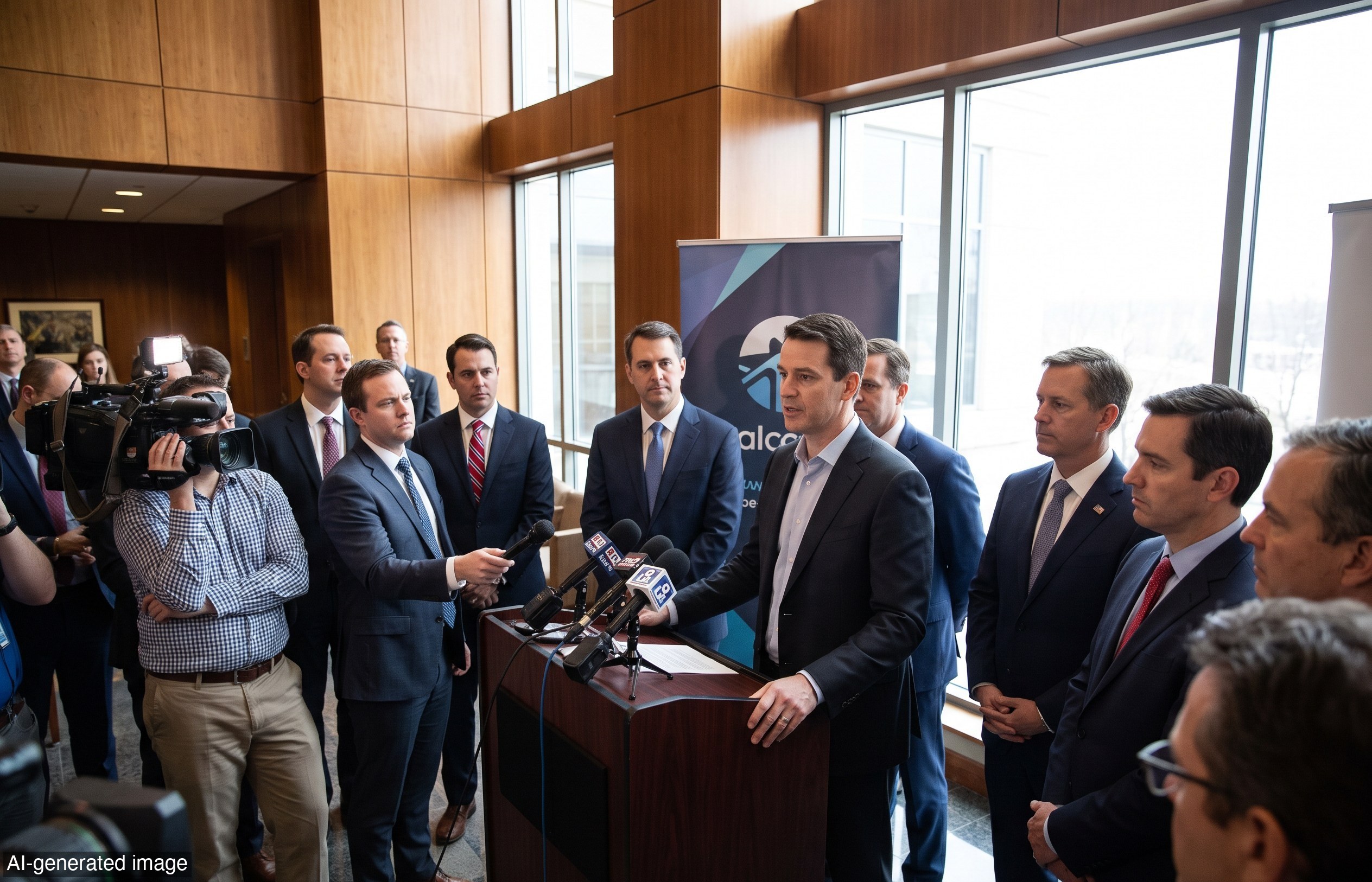
Meta Platforms reached an $18 billion settlement Wednesday with 48 U.S. states over child safety on Instagram and Facebook — the largest of its kind in the social-media era. The money will be paid out over a decade.
Beyond the dollar figure, the agreement mandates a hard two-hour daily screen-time cap for users under 18, a nightly blackout from midnight to 6 a.m., hidden 'like' counts, and strengthened age-verification technology backed by third-party audits. Most measures apply only in the United States and remain in force for 10 years. The two-hour limit is on by default and can only be disabled with a parent's permission.
What the settlement actually requires
Meta agreed to upgrade its age-estimation tools — combining its own artificial intelligence with outside services — and to meet specific targets on false-positive rates, meaning minors incorrectly cleared as adults. If a user under 13 is identified and removed, Meta must also check the ages of that user's friends.
Several protections, however, are opt-in rather than default. Turning off video autoplay and switching feeds to chronological order — instead of letting recommendation algorithms decide what children see — require users or parents to actively choose them.
A former insider's verdict
Arturo Béjar, a former Meta engineering director and the first witness to testify before the federal trial was cut short by the settlement, called it a 'significant milestone' but cautioned parents against treating Instagram as suddenly safe.
'The agreement has a big problem in that it allows Meta to define harm,' Béjar said. 'It's one thing to say, you only get like two hours of alcohol or two hours of cigarettes a day, but it's still as bad for you because of what's getting delivered.'
Béjar praised the age-assurance section for including measurement, independent testing, and stated goals. 'Meta should be measured on effectiveness, not effort,' he said. He also testified last week that Meta took a 'don't ask, don't tell' approach to users suspected of being under 13, despite operating 'one of the most sophisticated infrastructures in the world to detect fake accounts.'
Josh Golin, executive director of online safety nonprofit Fairplay, said the deal was 'too focused on offering tools to parents rather than restricting harmful features altogether,' adding that the settlement 'does not turn off by default recommendation algorithms that connect kids to predators and send young people down dangerous rabbit holes.'
The market and the principle
The numbers come first: $18 billion is real money, and the decade-long payment schedule means Meta's cash-flow exposure is manageable — a fact the market will price accordingly. What the settlement does not resolve is the structural question Béjar raised: when the regulated party controls the definition of harm, the regulator's leverage is limited from the start.
For free-enterprise readers, the lesson cuts both ways. Heavy-handed federal mandates on platform design carry their own risks to innovation and free expression. But a company that, according to its own former engineer, ran 'no goals, no metrics' on underage users while monetizing their attention was not operating in good faith with its customers — or their parents. Clear rules, honestly enforced, are what capital and families alike deserve. Whether this settlement delivers that depends entirely on the audits Meta just agreed to.