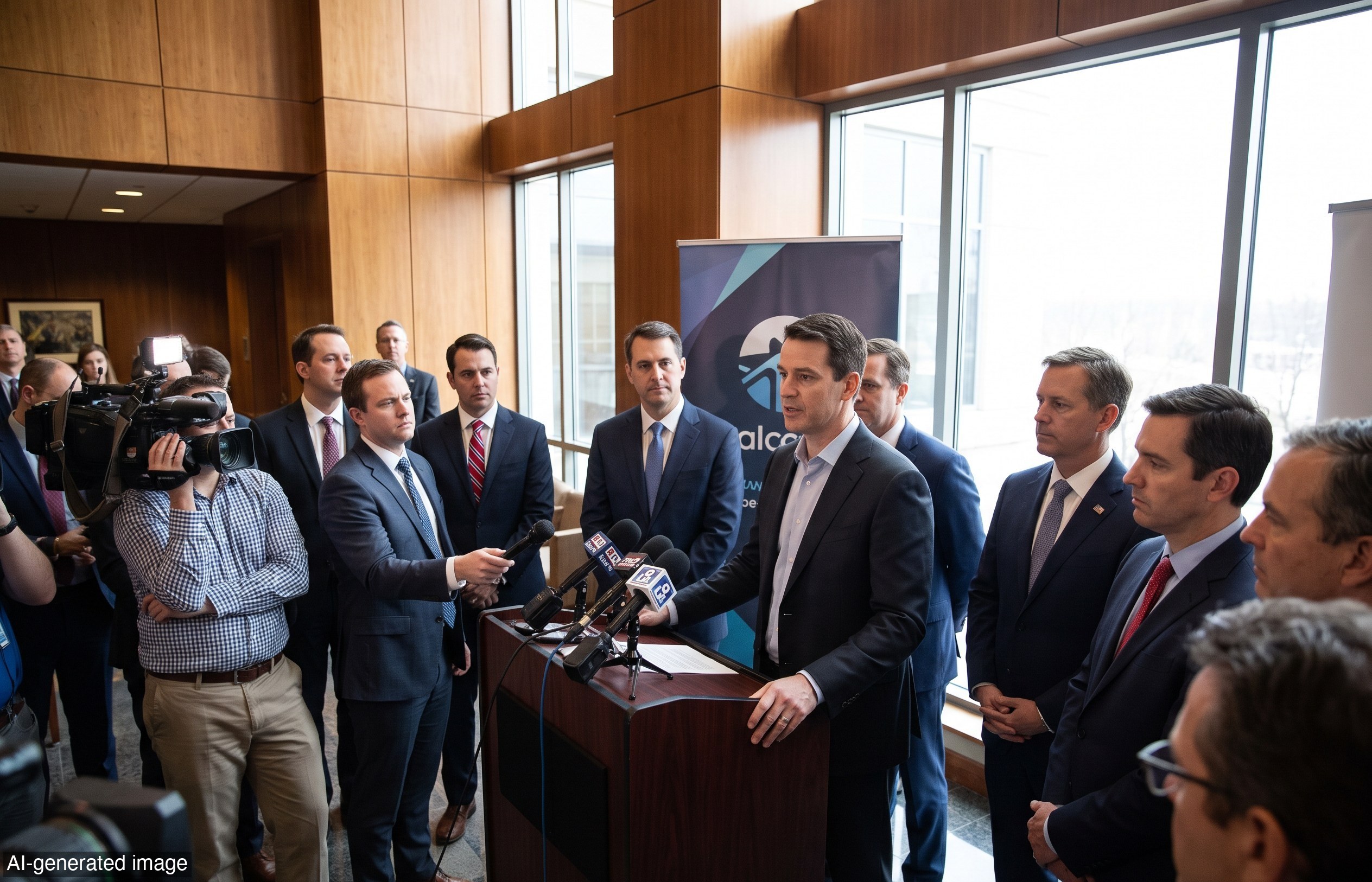
The revolving door spins again — this time with purpose
OpenAI has a new chief revenue officer, and the choice is unconventional. Dali Rajic, 53, previously president and COO at cloud-security firm Wiz, will take the helm of the company's revenue operation as OpenAI races toward a public-market debut targeted for 2027, according to Fortune.
The appointment follows the departure of Denise Dresser, former CEO of Slack, who stepped away after less than a year in the role. Fortune's sources indicate OpenAI decided to let Dresser go and take the CRO position in a different direction. The move marks the company's fifth C-suite shakeup in the past year — a cadence that would rattle investors at any other firm, but at OpenAI has become almost routine.
Who is Rajic?
Rajic keeps a low public profile, but those who have worked alongside him describe a leader built for exactly this kind of pressure. 'He is one of the most intense people you will ever meet,' one former friend and colleague told Fortune. Colleagues reportedly nicknamed him 'the Croatian Sensation.'
Born in Yugoslavia, in an area now part of Croatia, Rajic moved to Germany at age one and immigrated to the United States at 16, according to a 2022 episode of the Grit podcast cited by Fortune. He completed his undergraduate degree at California State Polytechnic University, Pomona, then earned an MBA from Northwestern University's Kellogg School of Management.
Four people who worked with Rajic previously described him to Fortune as 'disciplined, blunt, and intellectual.' Rajic declined to comment for the Fortune profile but confirmed the accuracy of the details included.
The IPO clock is ticking
The stakes are unusually high. OpenAI is targeting the public markets in 2027 and, according to Fortune, appears to be lagging behind rival Anthropic in that race. Rajic's mandate is straightforward: make the revenue match the valuation narrative that has defined — and at times strained — the company's credibility with institutional capital.
Enterprise sales at this scale demands exactly the kind of operational discipline Rajic built at Wiz. Whether he can translate that playbook to a company as structurally complex — and as publicly scrutinized — as OpenAI is the central question. 'It'll be interesting to see if Dali is there in 12 or 18 months, or if he will burn out like so many other people do at OpenAI,' one source told Fortune. 'That's the open question.'
CEO Times take
Free enterprise rewards execution, not narrative. OpenAI has generated extraordinary buzz and attracted enormous capital, but the IPO window demands something more durable: recurring revenue, enterprise contracts and margins that justify the multiple. Rajic's track record suggests OpenAI's board understands the difference between a visionary and a closer — and right now, they need the closer.
The broader lesson for the AI sector is the same one markets have always taught: hype opens the door, but disciplined sales leadership is what keeps the lights on when public shareholders start asking hard questions. The 2027 target is close enough that every quarter now counts.