The National Women's Soccer League has announced a 2027 calendar that starts more than a month earlier than usual, building in a two-month break so 138 players can join national teams for the FIFA Women's World Cup.
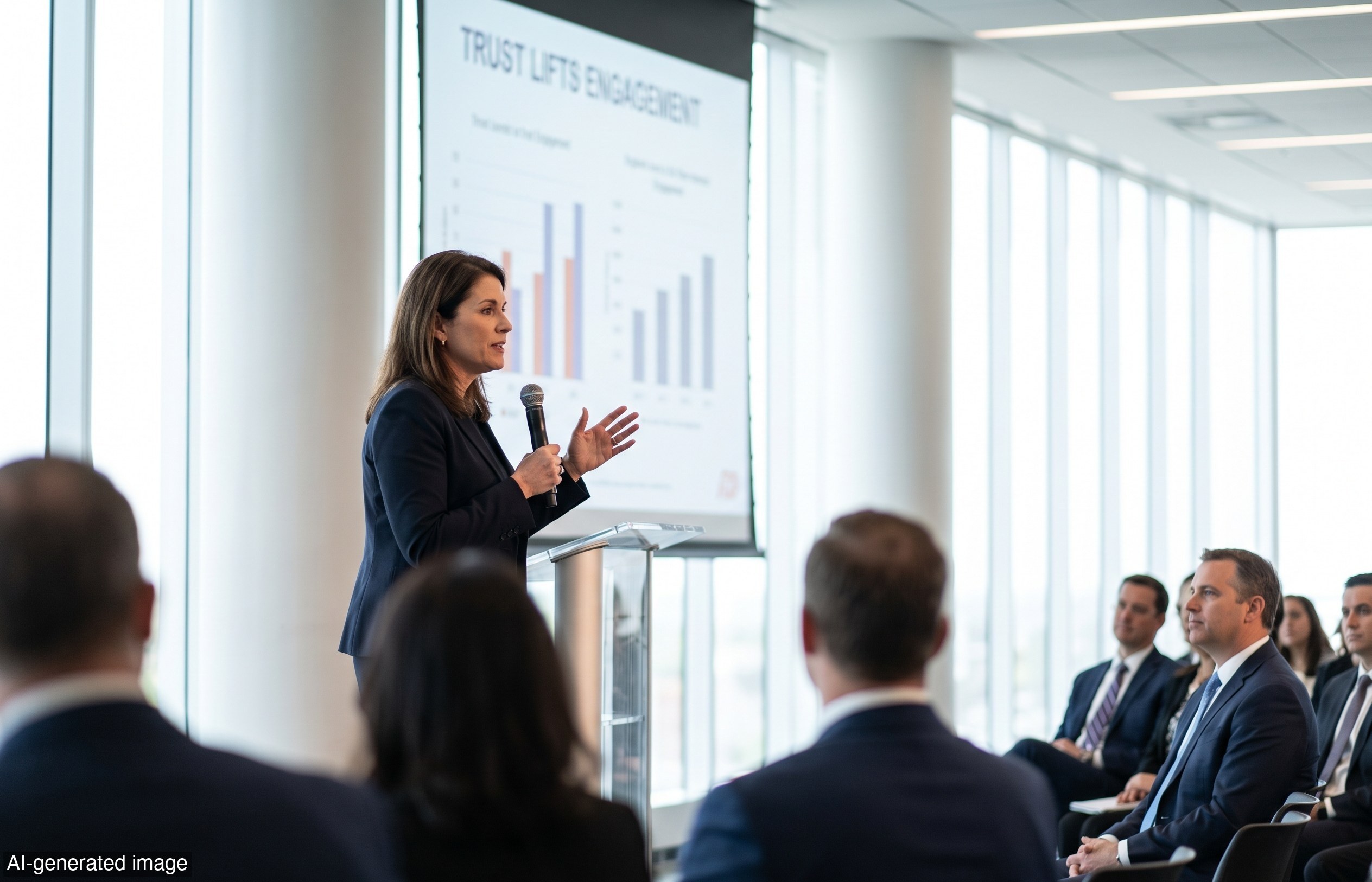
The numbers come first. As of the 2026 season's midpoint, the NWSL averaged more than 11,000 fans per match, up 10% year-over-year, while its social media following grew 24% to 3.1 million followers across major platforms, according to NWSL data.
The 2027 season will open Feb. 11 — its earliest start in the league's 14-year history — following an offseason of just six weeks after the 2026 championship. The regular season resumes after the World Cup, which runs June 24 to July 25, and closes with a championship on Nov. 20.
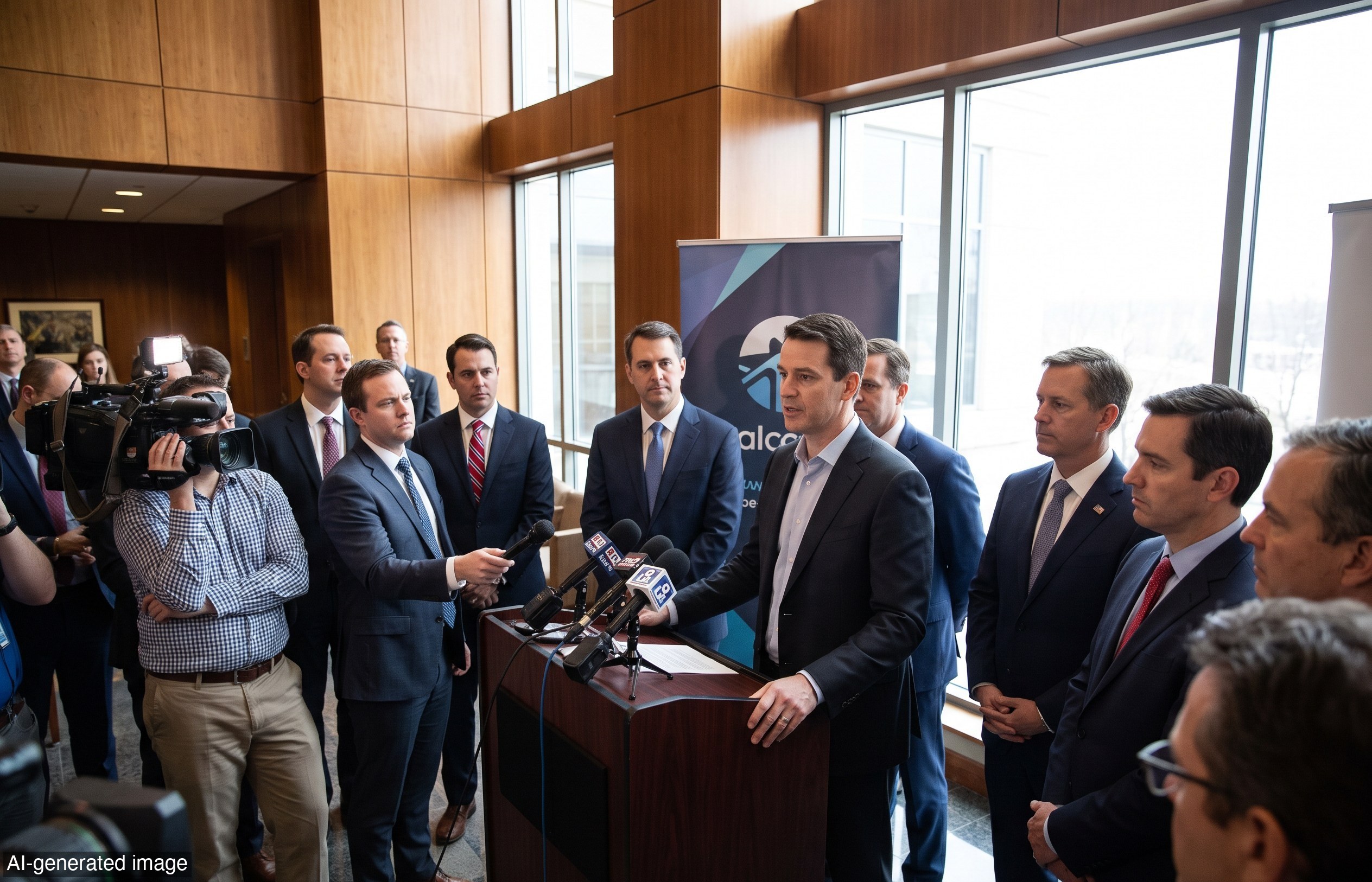
'That schedule was intentionally designed to position the NWSL at the center of one of the biggest years in the history of women's soccer,' NWSL Commissioner Jessica Berman told reporters. 'We've created the best possible environment for our players, clubs, partners, and fans to maximize the extraordinary opportunity presented by the FIFA Women's World Cup.'
COO Sarah Jones Simmer told Fortune the returning World Cup players represent 'a massive fan acquisition opportunity' that will 'contribute to the growth of the league.'
The bet carries operational risk. An earlier start forces cold-weather markets like Chicago, Denver and Boston into February play, a point of concern for players. 'I think there's way too many locations that are way too cold,' Washington Spirit forward Trinity Rodman said in April, warning that snowed-out games and cold conditions could hurt attendance. The league's players association tabled a vote on shifting to a fall-to-spring calendar after opposition tied to climate concerns.
Simmer countered that the league's geographic diversity allows warm-weather markets to absorb February games, similar to how MLS front-loads away matches for cold-climate teams and schedules later kickoffs. For 2027, the league will also flip to a summer-to-spring model to better align with the international calendar and compete for top talent.
Player health adds another variable. A 2025 study in the Journal of the American Osteopathic Academy of Orthopedics found that when the 2022 FIFA World Cup shifted to winter, injuries rose significantly in the Premier League and Bundesliga — a precedent the NWSL will have to manage as its own athletes juggle a 30-game season with a mid-year World Cup.
The league's calendar gamble is ultimately a private wager, not a public one. No taxpayer subsidy underwrites this expansion; the NWSL is scaling because attendance and sponsorship demand have already justified the bet, and its executives are betting the World Cup crowd converts into paying customers.
That is the discipline free enterprise imposes: growth must be earned through fans in seats and eyes on screens, not mandated by decree. If the schedule strains player health or empties stadiums in February frost, the market — not a regulator — will deliver the verdict, and the league will bear the cost of its own calculation.