Dubai International Airport opened 2026 with 8.7 million passengers in January, one of its busiest months on record. Weeks later, the hub that finished 2025 as the world's busiest for international traffic was fielding ballistic missile alerts as the Iran war spread across the Gulf.
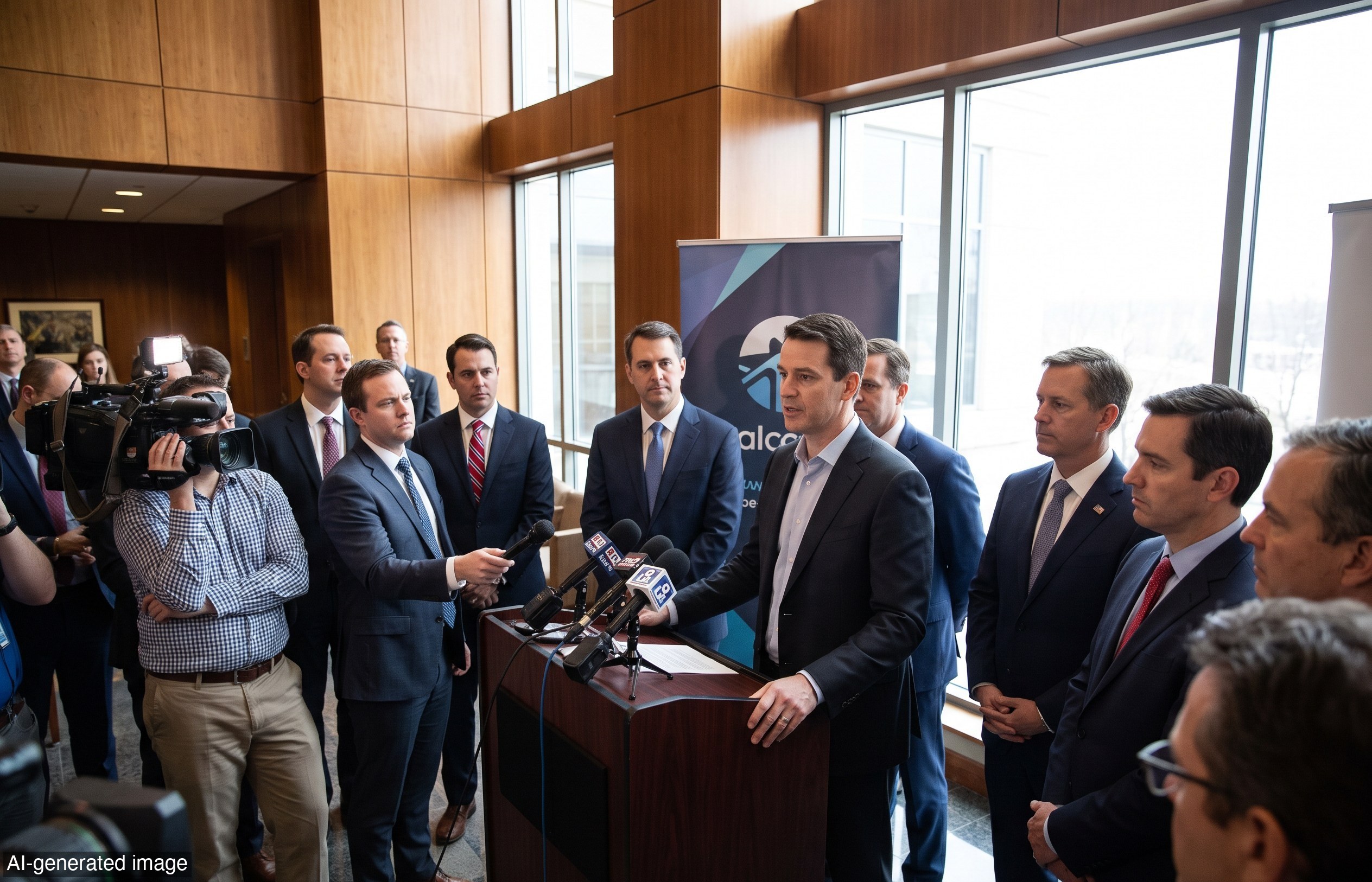
CEO Paul Griffiths told Fortune the airport received roughly 111 separate ballistic alerts during the crisis. 'How many CEOs have you interviewed that have been subjected to direct ballistic attack from an enemy to your infrastructure?' he asked.
The numbers come first. In the first half of 2026, Dubai International handled 31.5 million passengers, down 31.3% from a year earlier. Aircraft movements fell 32.1% to 150,600, and cargo volumes dropped 28.7% to 751,340 tons. That follows a record 95.2 million passengers in 2025, the highest annual international traffic ever logged by an airport.
But Dubai Airports says the recovery is gathering pace. Monthly passenger traffic climbed from 3.5 million in April to 4.5 million in May and 5 million in June. Griffiths said overall traffic is now back to about 80% of last year's level, with Emirates and Flydubai running near 90% of their 2025 volumes. 'My confidence level is not misplaced that we should be back to 100% of our operation by about the end of the year,' he said. Dubai Airports expects full-year traffic to land 'in the 70 millions,' well short of last year's record.
The disruption opened the door for rivals. Middle Eastern transfer traffic on Asia-to-Western-Europe routes fell 47% year over year by April, according to Alton Aviation Consultancy. Incheon International Airport said its transfer traffic rose 18% in the first half, enough to surpass both Dubai and Heathrow in preliminary international data. British Airways has suspended Dubai flights until the end of October; Lufthansa and Singapore Airlines are holding off until late October as well.
At the height of the crisis, when the airport could not fuel aircraft, Griffiths said operators used a 'splash and dash' workaround, departing Dubai International, refueling at Al Maktoum International 40 kilometers away, then continuing their journeys.
Despite the shock, Dubai's $35 billion buildout of Al Maktoum International remains on track to open in 2032. It is designed to become the world's largest airport, eventually handling 260 million passengers and 12 million tons of cargo annually. Griffiths said 10 million work hours have been logged on the project over the past 15 months, alongside 17,000 concrete piles and 45 million cubic meters of earth moved.
Capital rewards clear rules, and Dubai Airports is treating the war as a cash-flow event, not a strategic one. Asked whether the conflict changed the emirate's aviation ambitions, Griffiths said the chairman's answer was 'the shortest conversation' and 'absolutely not.'
The market has already voted with load factors: resumed flights into Dubai are running at 80% to 90% capacity, even as some Western carriers and their governments lag behind conditions on the ground. Griffiths openly questioned why travel advisories haven't caught up with reality, arguing plainly that 'it is safe' to fly into the UAE. That gap between bureaucratic caution and commercial demand is costing Western carriers market share to Seoul, Singapore, Hong Kong and Istanbul — a reminder that when governments move slower than capital, competitors move in.