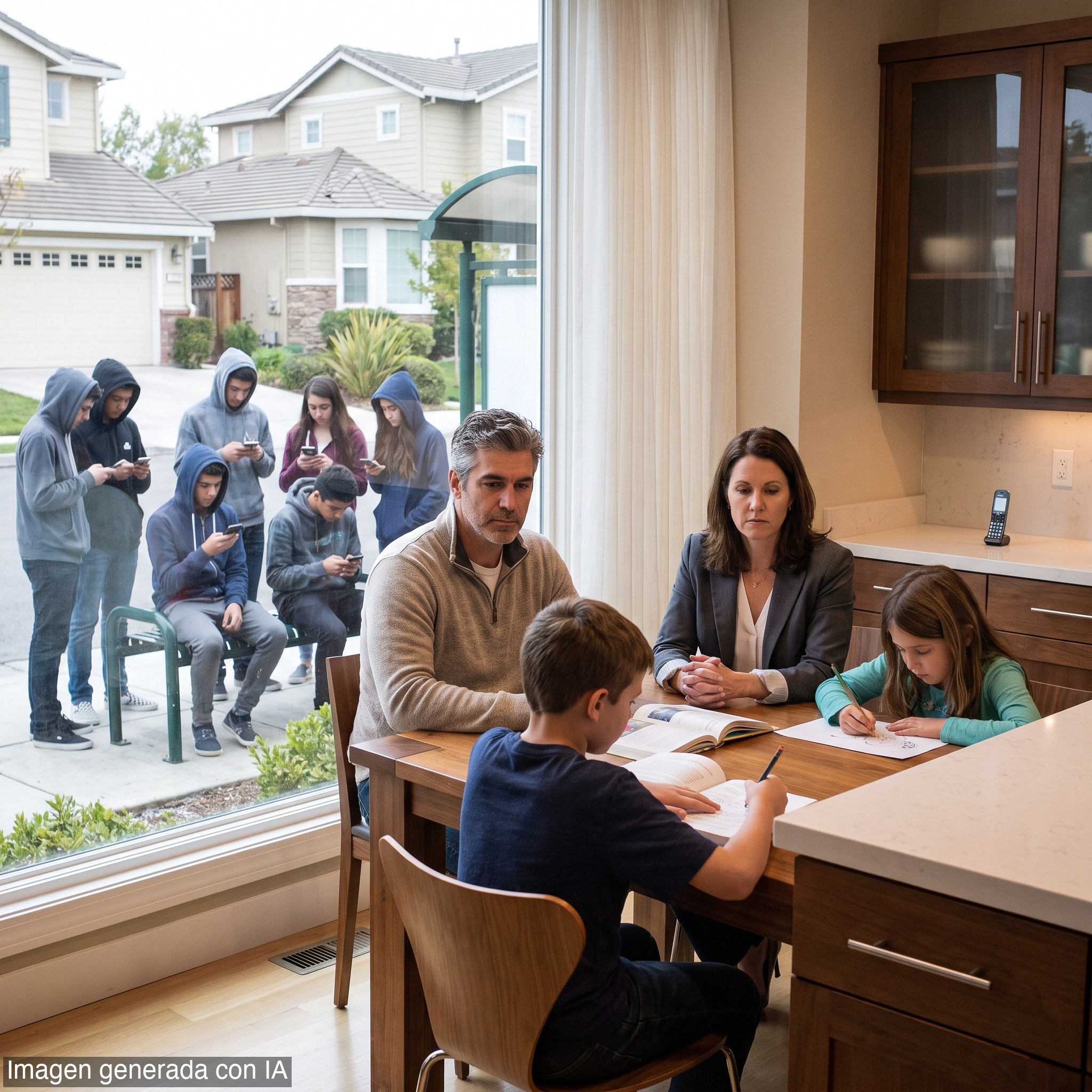
The numbers come first. American children ages 8 to 18 spend an average of 7.5 hours per day watching or using screens, according to the American Academy of Child and Adolescent Psychiatry. The executives who built the platforms driving that figure are, in their own homes, moving in the opposite direction.
Peter Thiel, the early Facebook investor and PayPal cofounder, has said he limits his two young children to an hour and a half of screen time per week — a figure that drew audible gasps from the audience at the 2024 Aspen Ideas Festival, according to Fortune.
Instagram CEO Adam Mosseri starts his three kids at a baseline of zero weekend screen and video game minutes. They can earn up to 90 minutes by completing three 30-minute homework sessions during the week. Mosseri said he avoids clawing back earned time because doing so made his kids act out more — a lesson in incentives any market economist would recognize.
Snap CEO Evan Spiegel and his wife, Miranda Kerr, take a more calibrated approach across their four boys, ages two, six, seven and 15. The two-year-old gets almost no screen time except during haircuts, when he's allowed to watch videos of Bobcat tractors. The four- and six-year-olds rarely use screens and have no phones, though they play on a ModRetro Chromatic handheld device. The 15-year-old, Flynn, is fully immersed in technology for school and socializing, including Snapchat.
YouTube CEO Neal Mohan said he and his wife restrict their three children's time on YouTube and other platforms, tighter on weekdays than weekends. YouTube cofounder Steve Chen has argued short-form content shrinks attention spans and suggested steering kids toward videos longer than 15 minutes.
The pattern predates the current wave. Apple cofounder Steve Jobs told The New York Times as far back as 2010 that his own kids had never used an iPad. Microsoft's Bill Gates withheld smartphones from his children until age 14 and banned phones at the dinner table. Tesla's Elon Musk, who owns X, said it 'might've been a mistake' not to set rules on social media for his own kids.
The science is catching up to the instinct. A 2025 study of nearly 100,000 people found short-form video use was consistently linked to poorer cognition and declining mental health across age groups, per the source material.
What these numbers reveal is not corporate hypocrisy so much as superior information. The people who engineered the algorithms understand their pull better than any regulator in Canberra, Jakarta or Washington ever will, and they are voting with their household rules. The market has already priced in what the product does — that's why the builders ration it at home.
Governments in Australia and Indonesia are now moving toward blanket bans on minors' social media use. But the more durable answer sits inside these executives' own kitchens: clear house rules, earned privileges and parental judgment, not a federal mandate, are what actually change behavior. Capital rewards clear rules, and so, it turns out, do children.