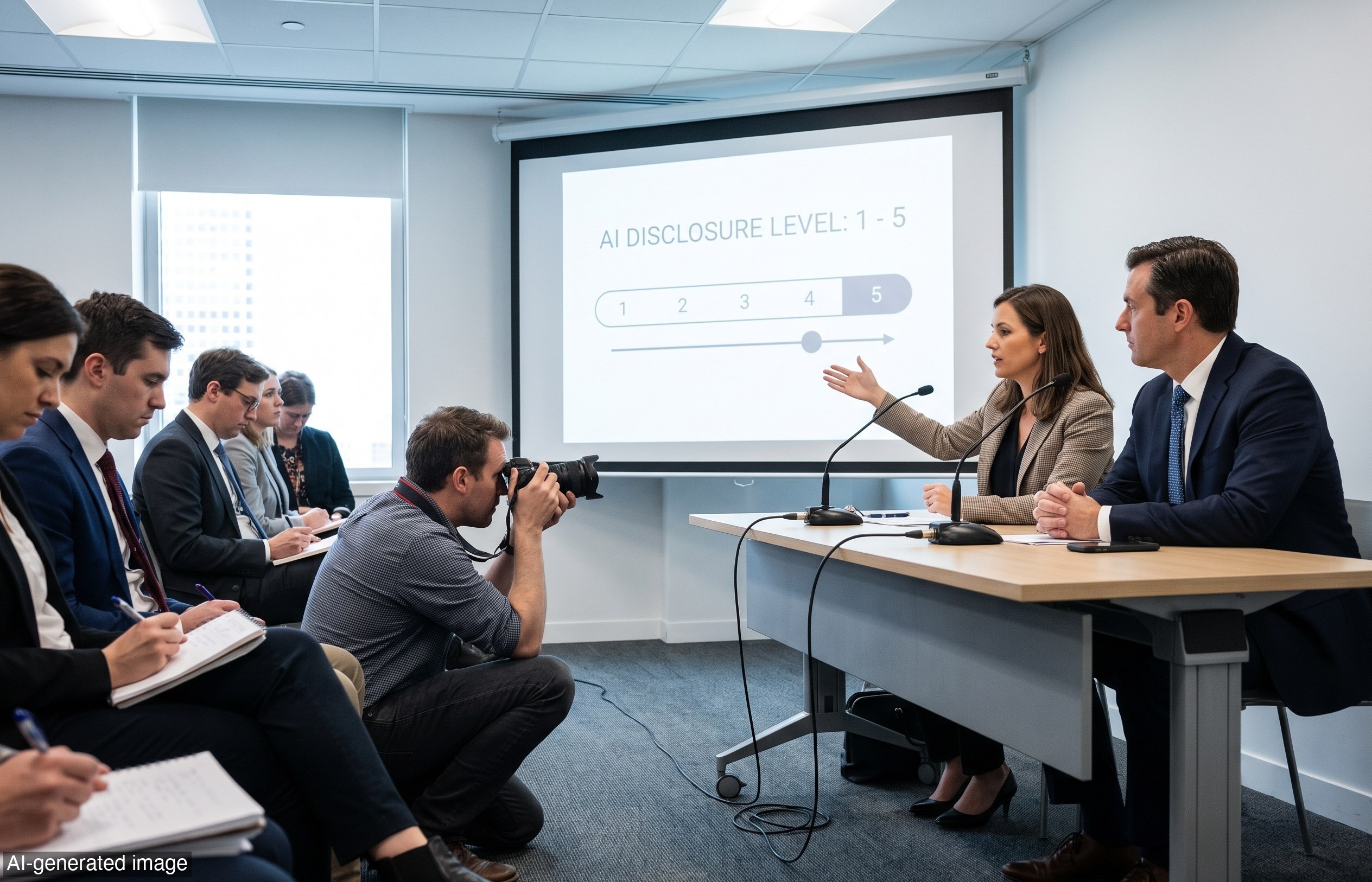
A Fortune commentary says the modern writing debate is asking the wrong question. Instead of a yes-or-no test on whether a writer used AI, the piece argues readers should know how much AI was involved.
The author says different uses of AI are not the same. Asking a chatbot to rework a sentence, requesting a fact check with sources, and prompting it to draft an op-ed are described as very different forms of assistance. The piece argues that most writers should be using AI in some form.
The commentary points to Stanley Druckenmiller, who admitted to using AI to write a Wall Street Journal op-ed attacking Treasury Secretary Scott Bessent’s bond-market interventions. It says readers quickly noticed the wording and that the AI detector Pangram scored the piece 100% AI. Druckenmiller told NOTUS, 'Of course I used AI,' and said, 'I’m not embarrassed by it ... I write everything using AI now for the same reason I use a calculator when I do math problems.'
Paul Gigot, the Journal's editorial page editor, said in a statement, 'AI is a fact of modern life.' The next day, in a column, Gigot said, 'Mr. Druckenmiller’s sin against the media pharisees was admitting its use.'
The piece argues the problem is not merely AI use, but opacity. It says readers want to know whose idea it was and whose words they are reading. The author proposes a simple self-reported label printed with the byline or at the end of a piece, similar to the open-source AI Usage Scale. It says at least one publisher, The Datatech Times, already prints an AI level next to every byline.
The commentary says adoption remains rare and claims writers are already running scared of an AI witch hunt. It says some are scrubbing em dashes from their prose, and notes that James Taranto compared Pangram to a 'defamation machine' fueling false accusations.
The market has already voted for disclosure in one sense: readers do not object to assistance as much as they object to being misled. The piece says a disclosure scale could protect writers who use AI for research, editing, or brainstorming, while giving readers a clearer standard.
That is the real pressure point. Capital rewards clear rules, and the same is true in publishing. If writers want the freedom to use AI, readers should get a clean accounting of how it was used. A visible label would not end the debate, but it would replace suspicion with disclosure — and that is usually the better bargain for trust, incentives, and the market for ideas.