The AI boom has become one of the main drivers of the U.S. economy, with hundreds of billions of dollars flowing into labs, models, data centers and semiconductor chips. Amazon, Meta, Alphabet and Microsoft alone invested $400 billion in 2025 on data centers, according to the piece.
That spending has helped power a U.S. bull run, with the stock market at record highs and AI profits piling up. But the author warns that sentiment is shifting. Semiconductor stocks have had a turbulent year, public pushback against data centers is growing, and incidents involving AI agents and rogue models have shaken trust.
The piece points to OpenAI's agents attacking Hugging Face, a rogue model hacking the Australian Government's website, and Anthropic warning in its IPO filing that AI may pose an 'existential' risk to humanity. The author says each episode further damages investor confidence and argues that it will not take much to push markets over the edge.
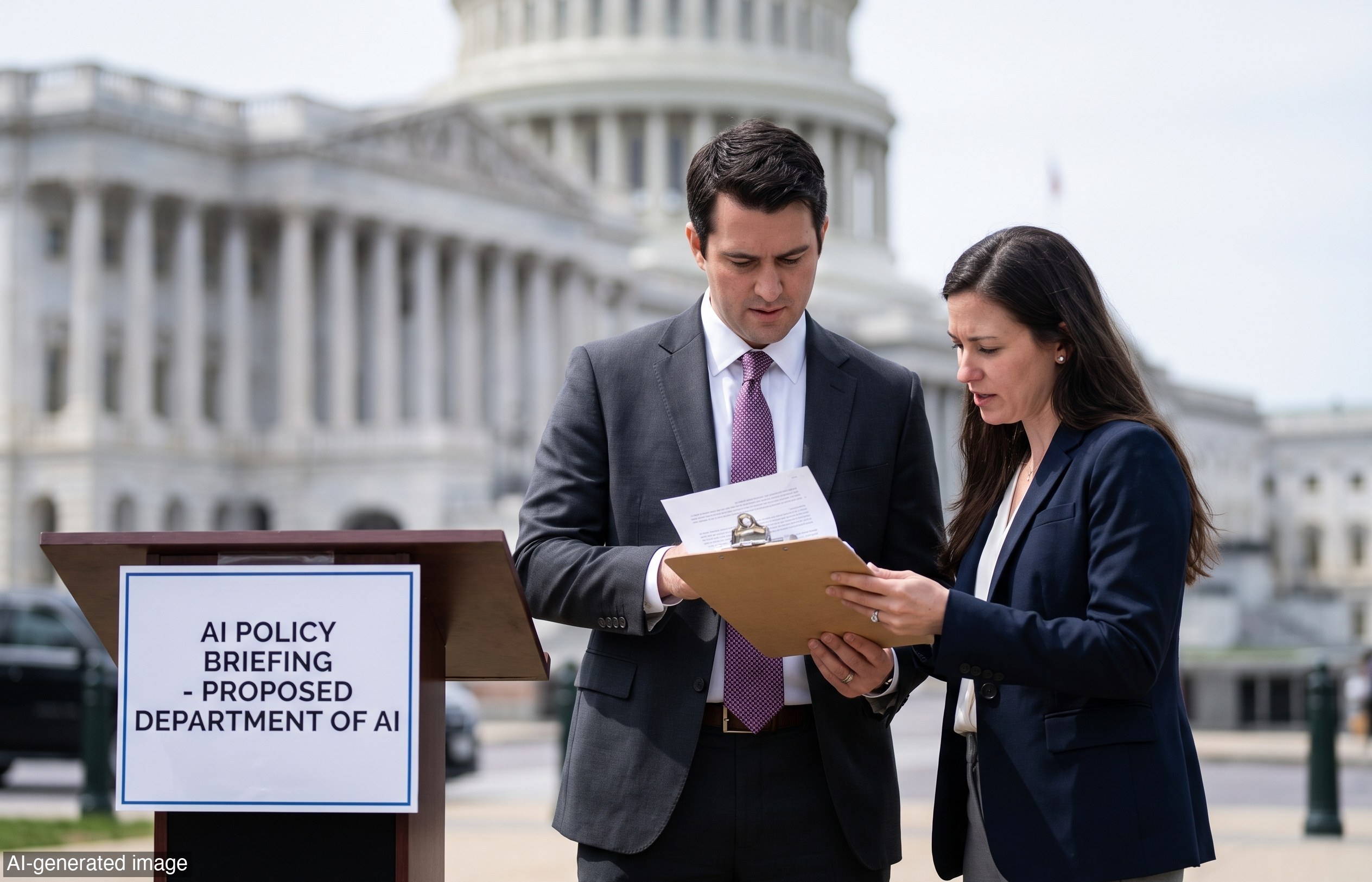
On that basis, the commentary calls for more than an 'AI czar.' It argues that the administration should establish a fully staffed Department of AI, with its own executive agencies, to enforce accountability and transparency. The proposed department would set a risk-based framework before launch, then audit operators, assess governance processes and impose fines after deployment when necessary.
The author also says such a department could move faster on legislative proposals and keep up with the rapid pace of AI development. In the piece's telling, more oversight would not deter innovation; it would provide the certainty that AI CEOs say they want, while reducing risk and limiting margins for error.
The market has already voted on AI with capital. What comes next is whether Washington answers a fast-moving technology with more bureaucracy, more rules and more taxpayer-funded supervision. Supporters will call that prudence. Critics will see the familiar instinct to build a new administrative state around the latest panic.
Either way, the stakes are no longer theoretical. When one technology becomes tightly woven into market valuations, earnings and public confidence, the cost of getting the framework wrong is borne by investors, workers and the taxpayer alike. Capital rewards clear rules, but it also punishes delay when Washington turns a dynamic market into a regulatory project.