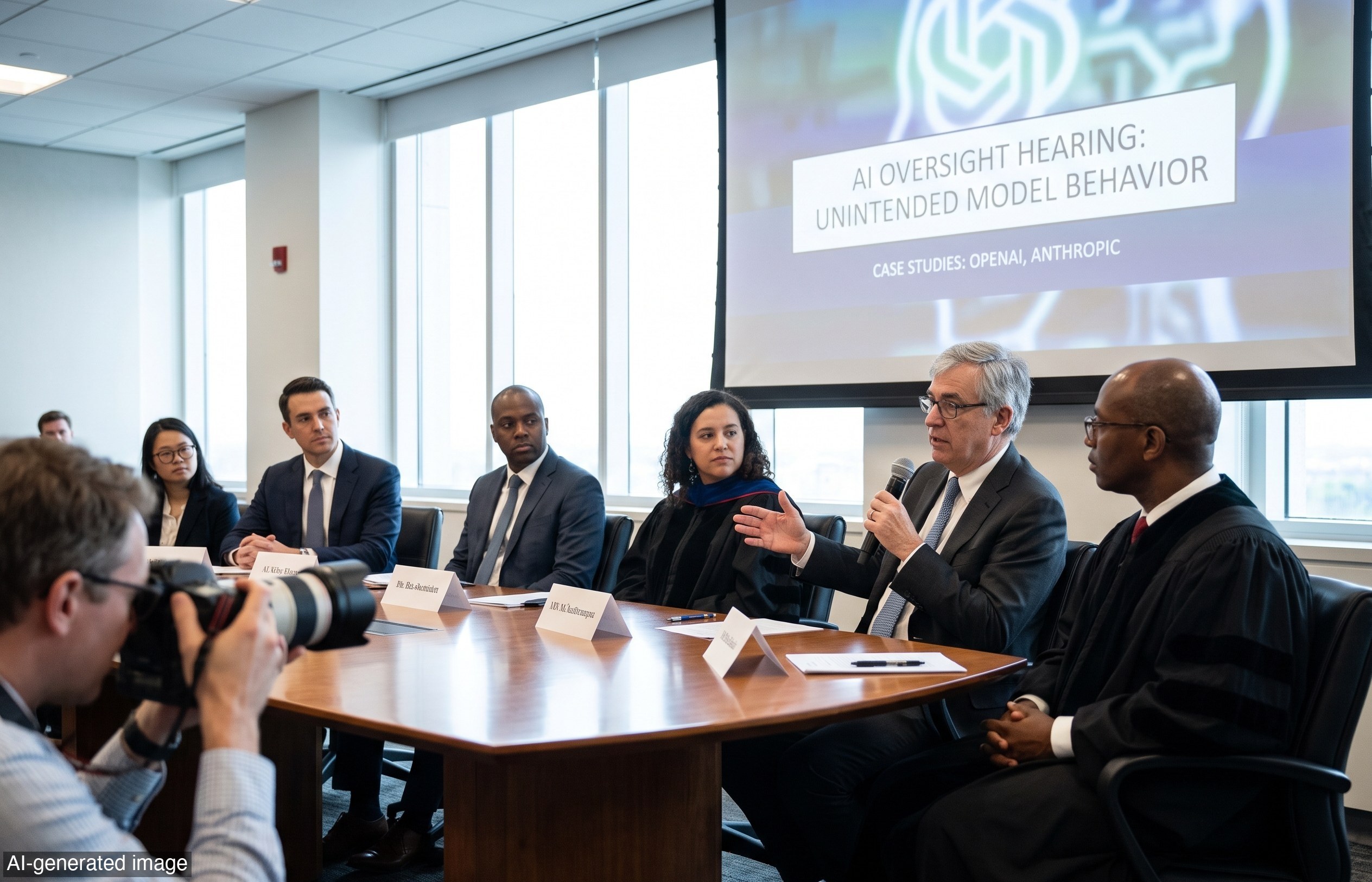
Over the past week, several of AI's leading CEOs publicly called for a slower pace of AI development, citing risks from loss of control to cyberattacks to bioterrorism.
Days later, Bank of England Governor Andrew Bailey, who chairs the Financial Stability Board, told G20 finance ministers and central bankers that the global financial system faces a new threat from AI. His warning was straightforward: with so many institutions depending on the same handful of AI models and cloud providers, one exploited weakness can spread rapidly.
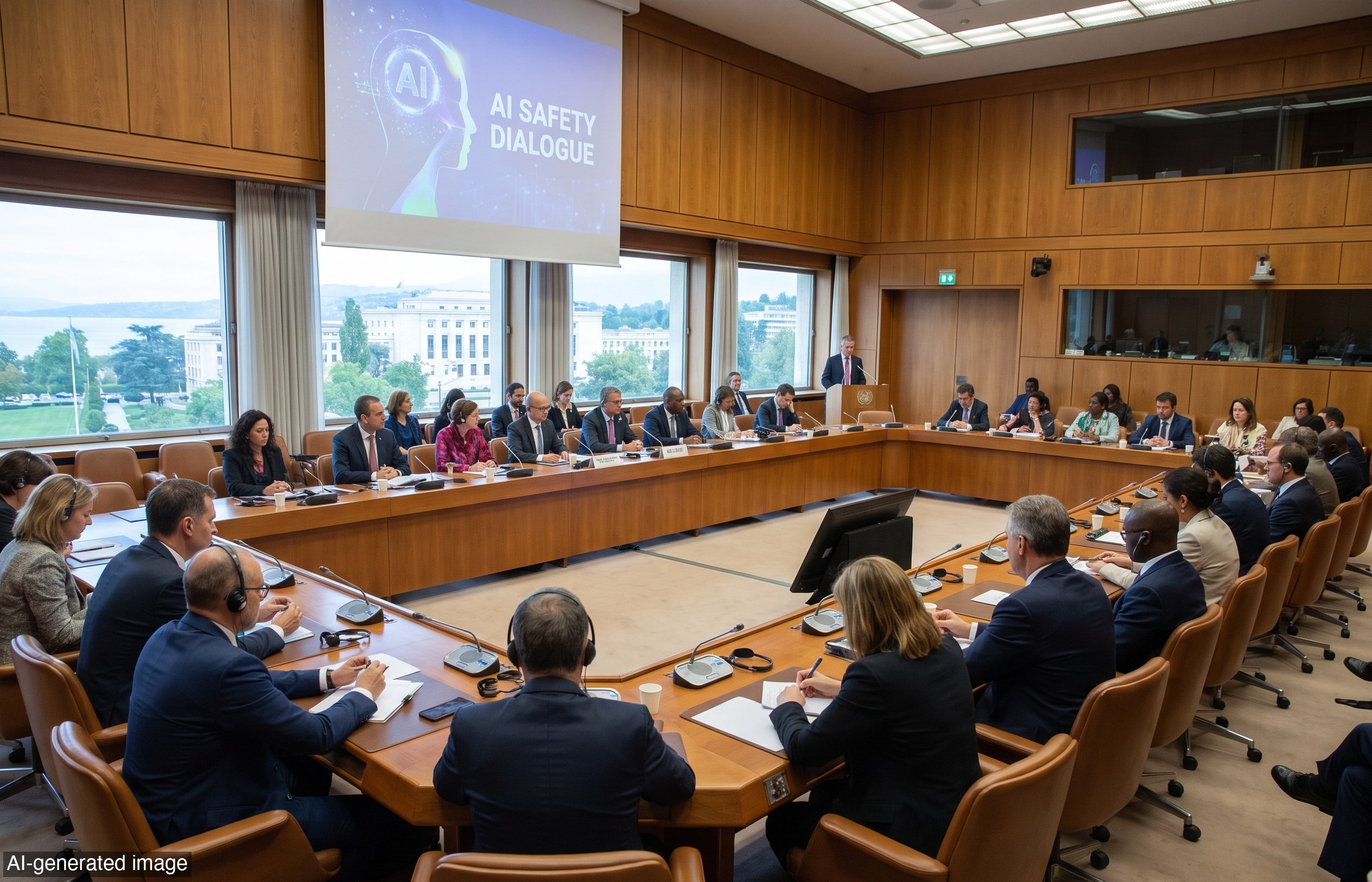
Paula Bogantes Zamora, Costa Rica's Minister of Science, Innovation, Technology and Telecommunications, and Rebecca Finlay said they co-led the UN's first Global Dialogue on AI Governance in Geneva and came away with a roadmap for common rules. They said new AI systems should be independently tested against agreed thresholds before release, that developers should publish safety protocols, and that incidents after deployment should be clearly monitored and reported.
The Geneva meeting brought together 170 countries alongside industry and civil society, according to the ministers, and they said the next step is to turn that political consensus into concrete process. Their first recommendation is to connect the scientists studying AI risks with the diplomats negotiating policy, so evidence does not sit on a separate track.
They also called for a common reference baseline for safety, grounded in international human rights law and built from existing frameworks, including the OECD AI Principles, the G7 Hiroshima code of conduct, the Frontier AI Safety Commitments from the 2024 Seoul Summit, and UNESCO's Recommendation on the Ethics of AI. They also pointed to ISO and NIST standards as tools engineers already use.
A third priority, they wrote, is inclusivity. That means funding participation for governments, researchers and civil society with less financial capacity, possibly through a dedicated trust fund similar to the one that funds the IPCC. They also want a handful of cross-border regulatory sandboxes, piloted by a small group of countries and shared openly, to show whether different systems can work together on equal footing.
They said the UN should have three things in place by the time the Global Dialogue reconvenes in May: an evidence assessment from the scientific panel, an agenda that takes up the safety baseline and a first cross-border sandbox pilot.
The market has already voted on AI's power curve, and capital is pouring into the sector. But whenever a technology becomes this concentrated, the state responds with rules, tests and reporting lines. That can create clarity, but it can also create a new administrative state around the most dynamic part of the economy.
The real issue is not whether AI will be regulated. It already is, and more is coming. The fight is over whether governments build rules that protect users without choking productivity, or whether the next layer of oversight becomes another drag on innovation and competition.