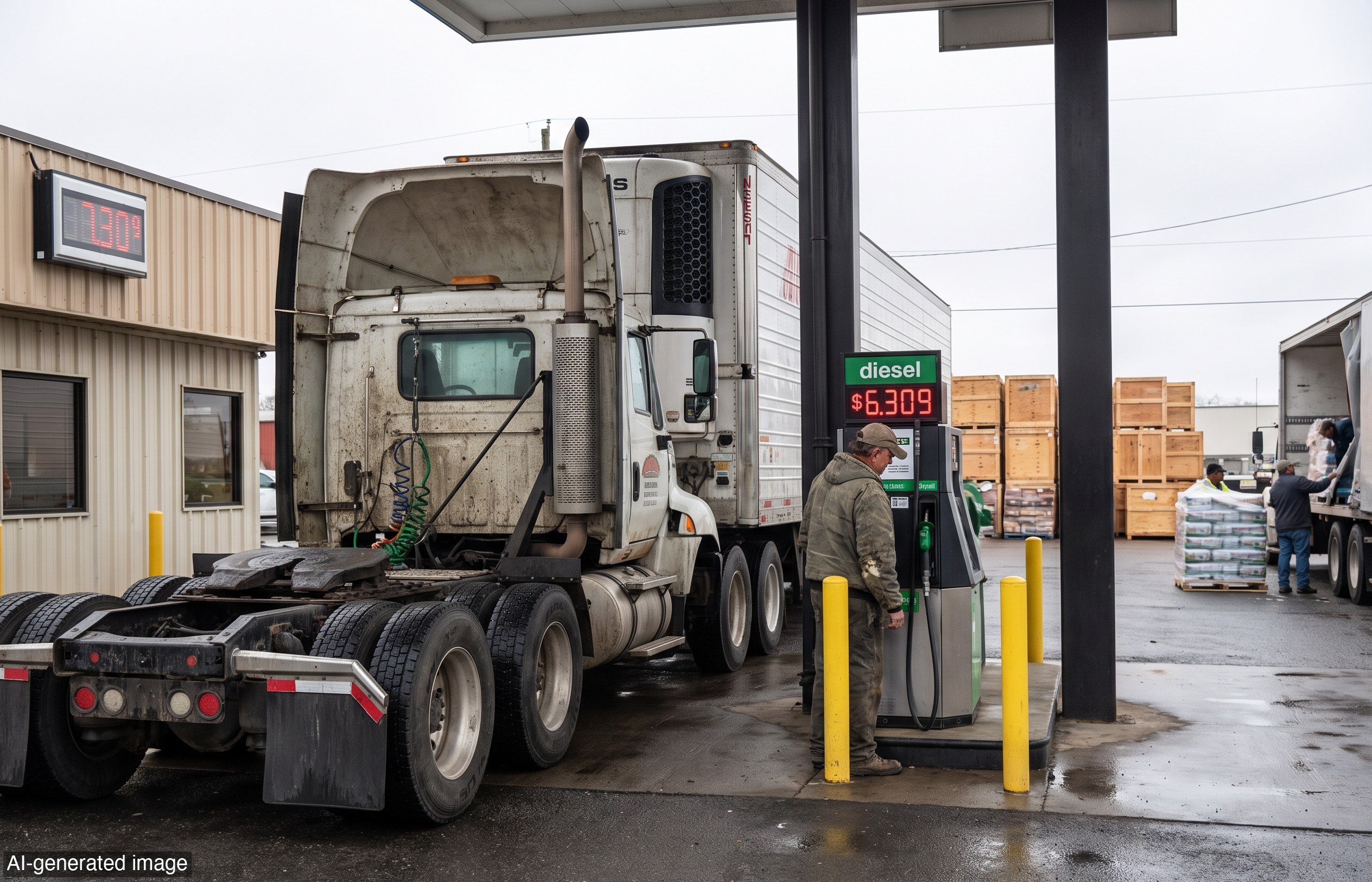
Oil Prices Surge Year-Over-Year as Brent Benchmark Climbs
By 6:15 a.m. Eastern Time on August 13, 2026, Brent crude had reached $90.28 per barrel — down $1.32 from the prior morning but sitting roughly $24 above where it traded a year earlier, according to Fortune.
That twelve-month climb is not a footnote. It is a tax on every American who fills a tank, heats a home, or buys groceries that traveled by truck.
What drives the number
Oil prices respond to the basic mechanics of supply and demand, but the signal is rarely clean. Wars, OPEC+ production decisions, recession fears, and domestic drilling policy all feed into the daily auction that sets the futures price. The Brent benchmark — now the U.S. Energy Information Administration's primary reference in its Annual Energy Outlook — reflects global traded crude and is widely regarded as the clearest gauge of worldwide energy conditions.
Crude oil typically accounts for more than half the cost of a gallon of gasoline. That means a $24-per-barrel rise over twelve months does not stay on a trading screen; it moves through refineries, wholesalers, and gas-station margins before landing in the consumer's wallet. The 'rockets and feathers' dynamic makes the pain asymmetric: sharp price increases pass through to the pump quickly, while declines tend to arrive slowly.
Policy has a direct line to the price
Domestic supply decisions matter. In 2025, the Trump administration moved to reopen more than 1.5 million acres in the Coastal Plain of the Arctic National Wildlife Refuge for oil and gas leasing, reversing the prior administration's restrictions on Arctic drilling. Greater access to shale and other reserves expands the supply cushion that keeps prices from spiking further.
The U.S. Strategic Petroleum Reserve exists as a short-term buffer — a safety net for disasters, sanctions, or severe supply disruptions — but it is not a structural answer to elevated prices. Long-run relief requires long-run production.
The ripple effect
Expensive oil does not stop at the gas station. Higher energy costs feed into shipping, manufacturing, and logistics, which in turn push up prices across grocery shelves and supply chains. When oil rises, some industries substitute natural gas where possible, lifting demand — and prices — for that fuel as well.
CEO Times take
The $24-per-barrel year-over-year increase is a reminder that energy policy is economic policy. Every regulatory barrier to domestic drilling, every moratorium on federal leasing, and every delay in permitting is eventually priced into the barrel — and then into the cart at the checkout line. The consumer pays the bill that bureaucrats never see.
Free-market energy development is not an environmental concession; it is the most reliable mechanism for keeping costs in check and protecting American purchasing power. The numbers, as always, come first.