Oil at $95.40: Every Dollar Above $67 Is a Tax the Market Didn't Vote For
By 6:15 a.m. Eastern Time on August 20, 2026, Brent crude had reached $95.40 per barrel — $1.80 above the prior morning's price and $28.19 higher than it was one year ago, according to Fortune.
That year-over-year move is not a rounding error. It is a structural shift in the cost of doing business across every sector of the American economy.
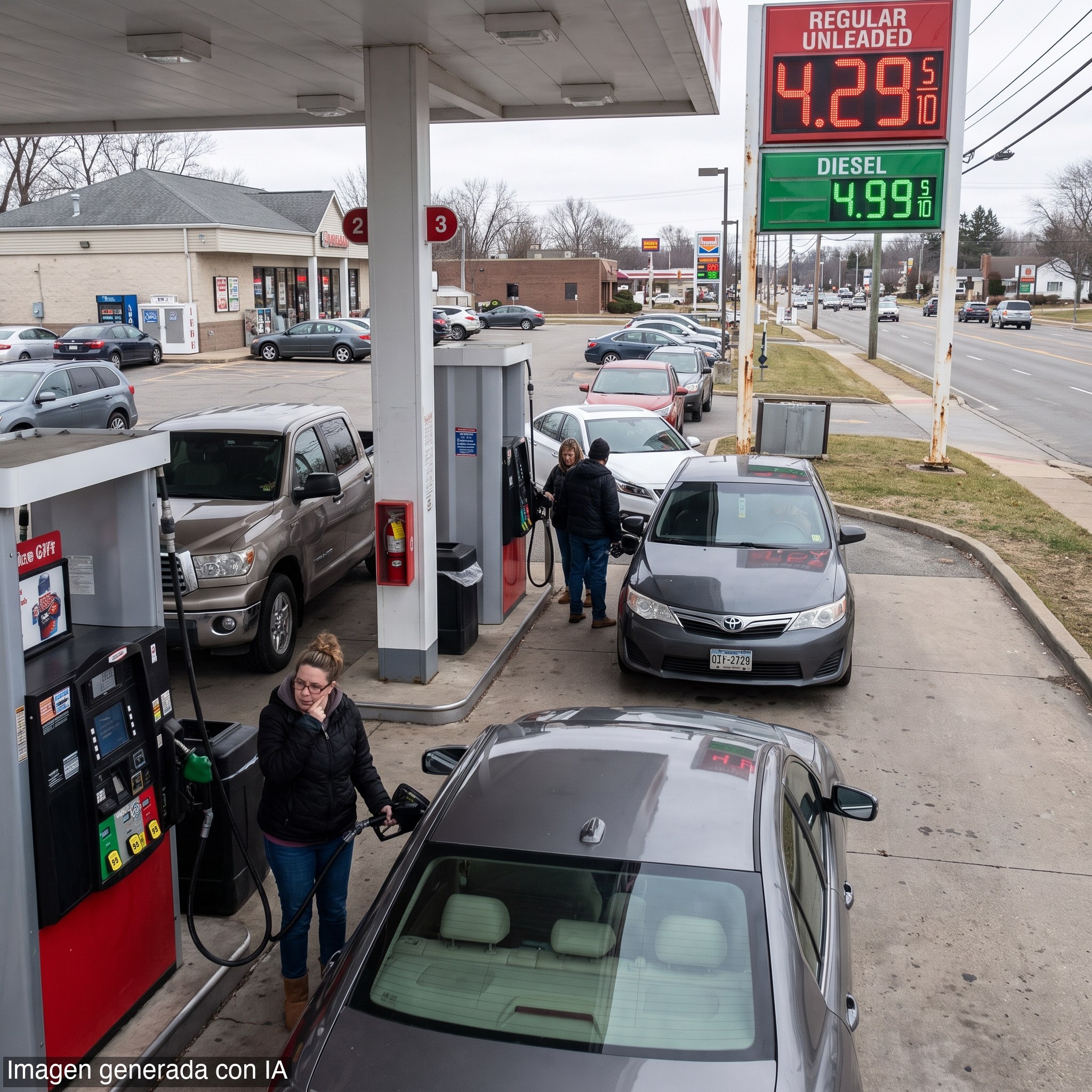
The pump math is straightforward — and painful.
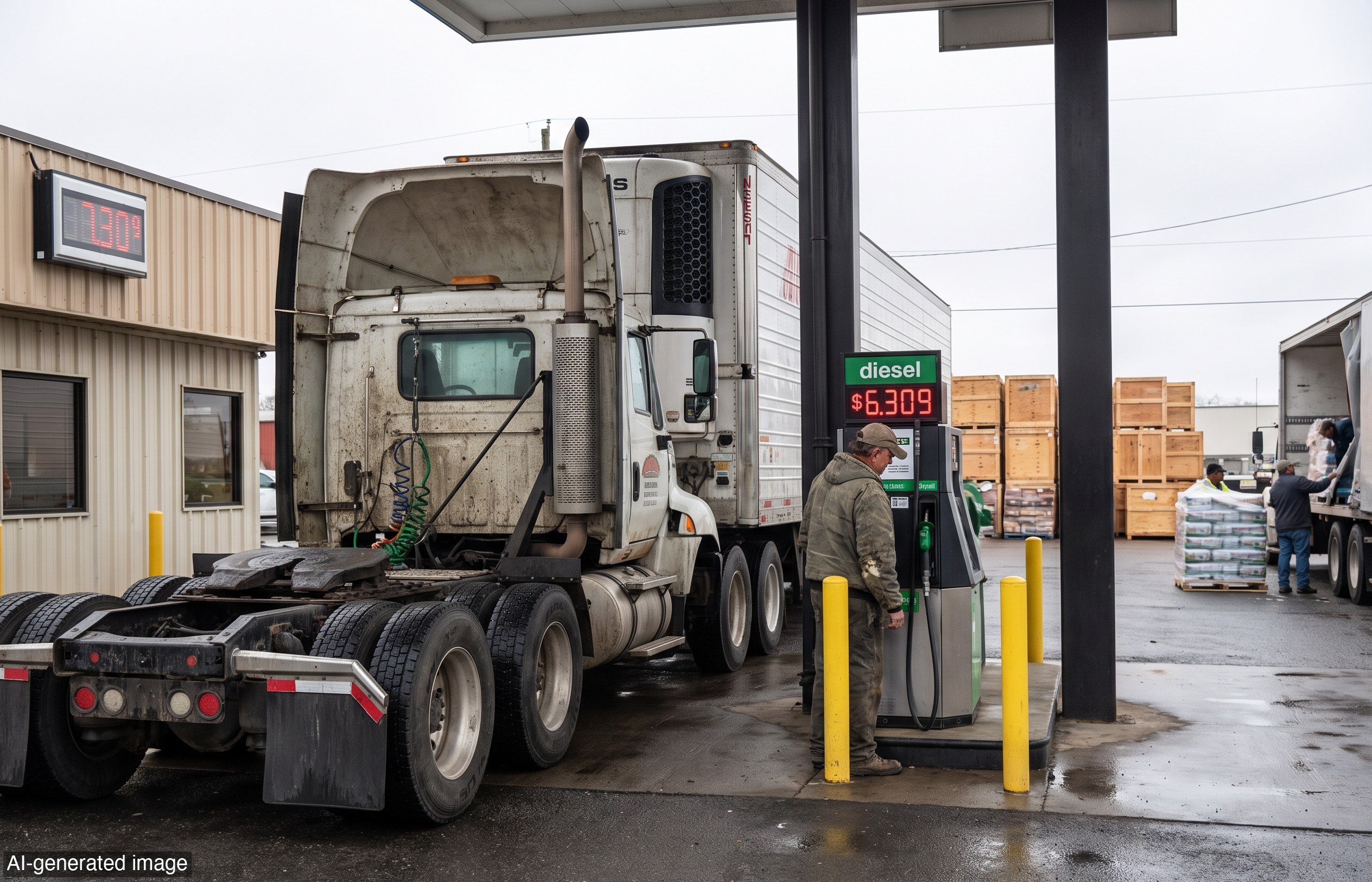
Crude oil typically accounts for more than half of what a driver pays per gallon. That means a $28 surge in Brent does not stay on a trading screen; it migrates to the forecourt, the freight invoice, and the grocery shelf. The transmission is fast on the way up — what analysts call the 'rockets and feathers' effect — and slow on the way down. Consumers absorb the spike immediately; they wait months for relief.
Shipping costs rise with oil. Heating costs rise with oil. The price of manufactured goods that travel from warehouse to shelf rises with oil. Inflation, in other words, has an energy address.
Supply levers exist — but none are instant.
The U.S. Strategic Petroleum Reserve exists precisely for moments of acute price pressure: sanctions, storm damage, war. It functions as an emergency buffer, not a long-term supply solution. Tapping it buys time; it does not replace barrels.
On the production side, the Trump administration moved in 2025 to reopen more than 1.5 million acres in the Coastal Plain of the Arctic National Wildlife Refuge for oil and gas leasing, reversing the Biden-era policy of restricting Arctic drilling. Expanded shale access follows the same logic: more domestic supply puts a ceiling on how far prices can run. But drilling decisions made today take months or years to reach the market.
Natural gas is not insulated either. When oil climbs, industries that can substitute natural gas for oil-dependent processes tend to do so, pushing natural gas demand — and prices — higher in parallel.
The futures market is already pricing the next move.
Oil prices update continuously while futures markets are open. Every geopolitical headline, every OPEC+ signal, every inventory report shifts the auction in real time. At $95.40, traders are not pricing tranquility.
---
CEO Times take: A $28 year-over-year increase in Brent crude is not background noise — it is a cost-of-living event that falls hardest on working Americans who drive to work, heat their homes, and buy food that traveled to get there. The free-market answer is supply: more domestic drilling, faster permitting, and the kind of regulatory rollback that turns shale potential into actual barrels. The Strategic Petroleum Reserve is a pressure valve, not an energy policy. Every acre of federal land kept off-limits to leasing is a subsidy to OPEC paid by the American consumer. The numbers come first — and right now they read $95.40 and rising.