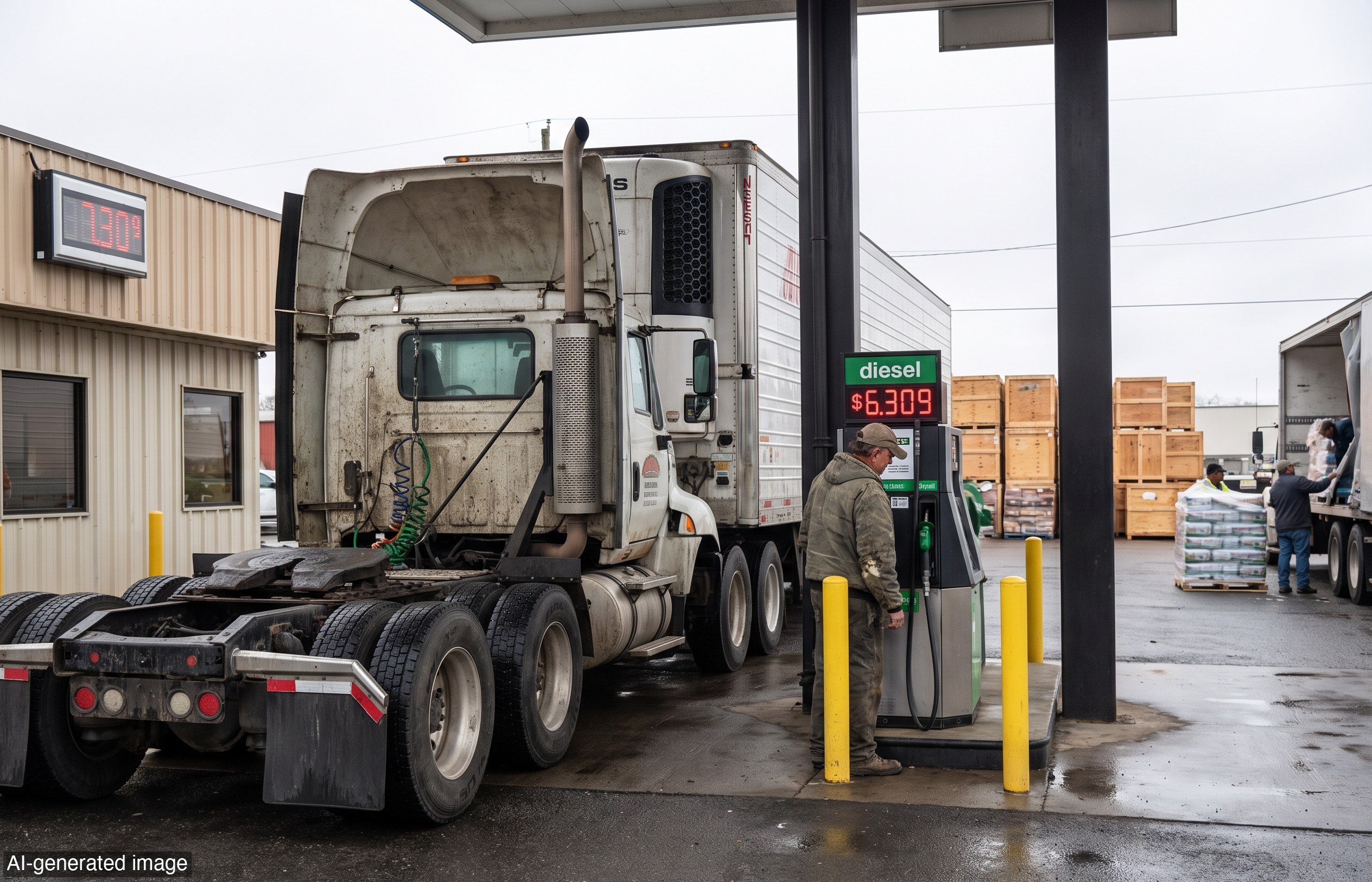
The numbers come first. Brent crude, the global benchmark, traded at $90.55 per barrel at 6:30 a.m. Eastern Time on August 28, 2026, according to Fortune. That marks a gain of 87 cents from the prior morning and roughly $22.34 higher than the same time last year.
Oil prices move on supply and demand, shaped by geopolitics, OPEC+ decisions, and how friendly a given administration is toward drilling, Fortune reports. The outlet notes that in 2025 the Trump administration moved to reopen more than 1.5 million acres in the Coastal Plain of the Arctic National Wildlife Refuge for oil and gas leasing, reversing the Biden administration's policy of limiting drilling in the Arctic.
Gas prices at the pump track crude closely but not exactly. Refining costs, transportation, taxes, and a local station's markup all layer on top of the crude price, per Fortune. Because crude makes up the majority of the per-gallon cost, a surge in oil tends to push pump prices up quickly — while declines in crude often filter down to consumers more slowly, a pattern the industry calls 'rockets and feathers.'
The United States maintains the Strategic Petroleum Reserve for emergencies — wars, storms, sanctions — as a temporary buffer rather than a long-term fix, Fortune notes, meant to keep essential services and industries running during supply shocks rather than to set prices over time.
Shale remains the other lever. Fortune describes it as 'energy yet to be tapped' — the more of it the U.S. accesses, the greater the domestic supply cushion against price spikes. Brent, meanwhile, has become the reference point of choice even for the U.S. Energy Information Administration's long-term outlooks, reflecting how thoroughly global crude trade now sets the tone for American energy costs.
Capital rewards clear rules. When a $22 swing in a single benchmark year-over-year can ripple through heating bills, freight costs, and grocery shelves, the policy choice between locking up acreage and opening it becomes a pocketbook issue for every American household, not an abstraction for Washington.
The contrast Fortune draws between the prior administration's Arctic restrictions and the current White House's decision to reopen more than a million and a half acres for leasing is not incidental. It is a live test of whether expanding domestic supply — rather than relying on OPEC+ discipline or drawing down the Strategic Petroleum Reserve — is the more durable answer to price volatility.
For the taxpayer and the driver alike, the lesson from the 'rockets and feathers' pattern is that markets punish scarcity fast and reward abundance slowly. An administration betting on more acreage, more shale, and fewer permitting roadblocks is wagering that supply, not stockpiles, is what ultimately keeps prices — and the broader cost of living — in check.