Brent Crude at $94.12 as of Sunday Morning
As of 9 a.m. Eastern Time on August 24, 2026, Brent crude sold for $94.12 per barrel — 54 cents lower than the prior morning but approximately $26.21 higher than a year ago, according to Fortune.
The Brent benchmark is the globally accepted reference for crude pricing and the primary measure used by the U.S. Energy Information Administration in its Annual Energy Outlook. That $26-plus annual gain is not a rounding error; it is a structural signal that energy markets remain tight.
What Is Driving the Move
Oil prices respond to supply, demand, and the expectations traders build around both. Geopolitical risk, OPEC+ production decisions, and domestic drilling policy all feed into the futures markets, where contracts trade continuously and prices update in real time.
On the domestic supply side, the Trump administration moved in 2025 to reopen more than 1.5 million acres in the Coastal Plain of the Arctic National Wildlife Refuge for oil and gas leasing, reversing the prior administration's restrictions on Arctic drilling. Greater access to shale and frontier acreage expands the supply base and, in theory, limits the ceiling on price spikes over time.
The Pump-Price Lag
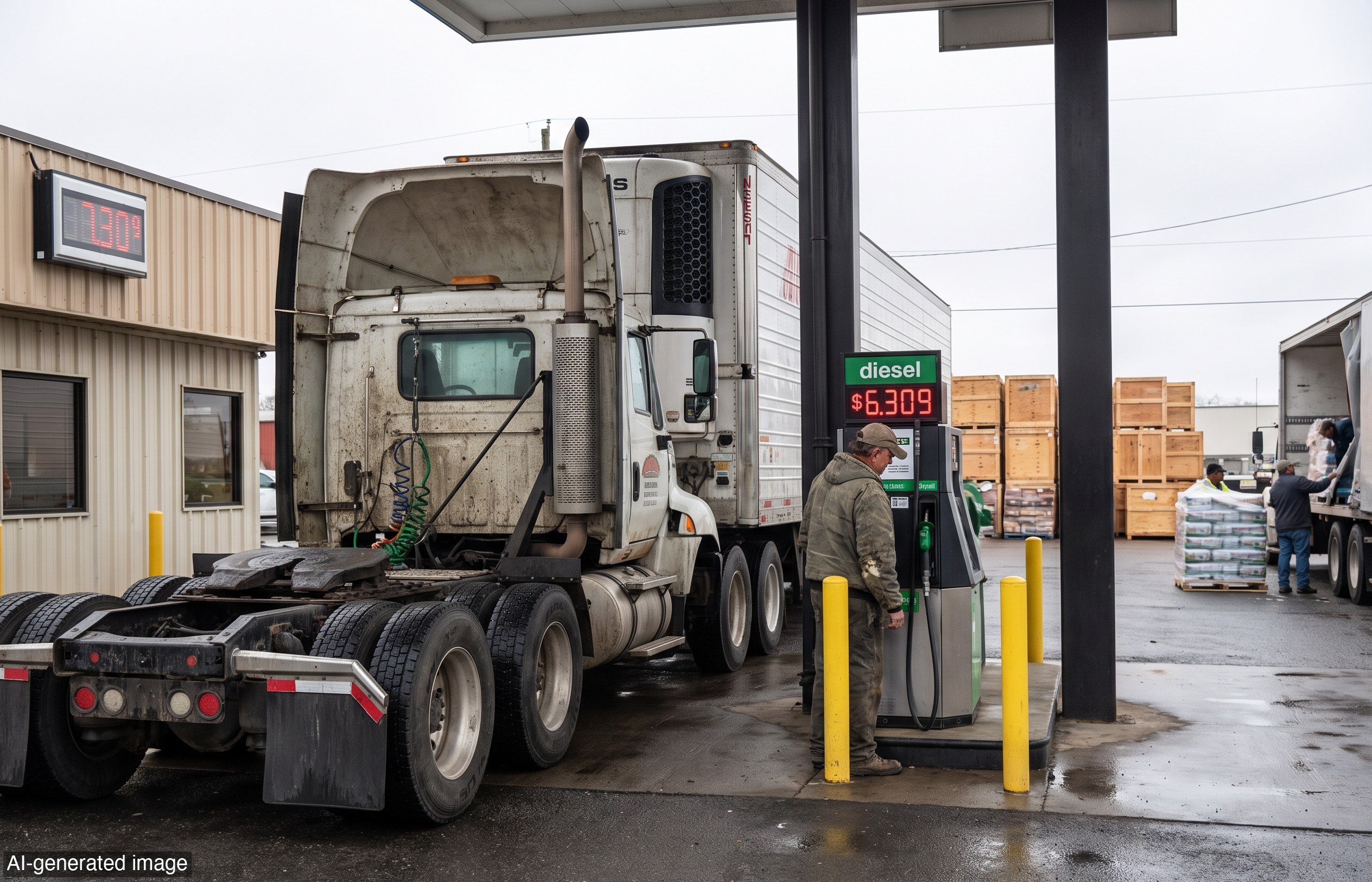
Crude oil typically accounts for more than half the price per gallon at the pump. Refining, wholesale distribution, taxes, and local markups make up the rest. When crude rises, retail gasoline follows quickly — the so-called 'rockets and feathers' dynamic means prices climb fast and fall slowly, a pattern that consistently frustrates consumers and erodes household purchasing power.
The U.S. Strategic Petroleum Reserve exists as a short-term buffer against supply shocks — wars, sanctions, severe weather — but it is not a long-run price solution. It buys time; it does not replace production.
Knock-On Effects Across the Economy
Higher oil prices ripple well beyond the gas station. Shipping costs rise, pushing up prices on groceries and manufactured goods. Industries that can substitute natural gas for oil in some operations tend to do so when crude spikes, lifting natural gas demand and prices in turn. The inflationary feedback loop is real and broad.
---
CEO Times take: A barrel of Brent at $94 — up more than $26 in a year — is a tax on every American who drives, heats a home, or buys anything that moves on a truck. The market has already voted: supply matters. Policies that expand domestic drilling, unlock federal acreage, and cut the regulatory friction around refinery capacity are not talking points; they are the only durable answer to energy inflation. When Washington gets out of the way of production, the Strategic Petroleum Reserve stays full and consumers keep more of their own money. The numbers make the case better than any speech.