The Number That Moves Everything Else
As of 6:20 a.m. Eastern Time on August 11, 2026, Brent crude was trading at $92.54 per barrel — $4.99 above the prior morning's level and roughly $25.38 higher than where it stood a year ago, according to Fortune.
That single figure ripples through the entire economy. Crude oil typically accounts for more than half the cost of a gallon of gasoline, and when it moves, consumers feel it — though not always symmetrically. The pattern known as 'rockets and feathers' means pump prices tend to rise fast and fall slowly.
Supply, Demand and the Policy Variable
Oil markets are shaped by a familiar set of forces: OPEC+ production decisions, geopolitical risk, global recession fears, and domestic drilling policy. On the supply side, the Trump administration moved in 2025 to reopen more than 1.5 million acres in the Coastal Plain of the Arctic National Wildlife Refuge for oil and gas leasing, reversing the prior administration's restrictions on Arctic drilling. Greater domestic access to shale and other reserves can dampen price spikes by expanding the supply base.
The U.S. Strategic Petroleum Reserve remains available as a short-term buffer during supply shocks — designed for crises such as sanctions, storm damage or war — though it is not a solution to structural, long-term price pressure.
The Downstream Effect
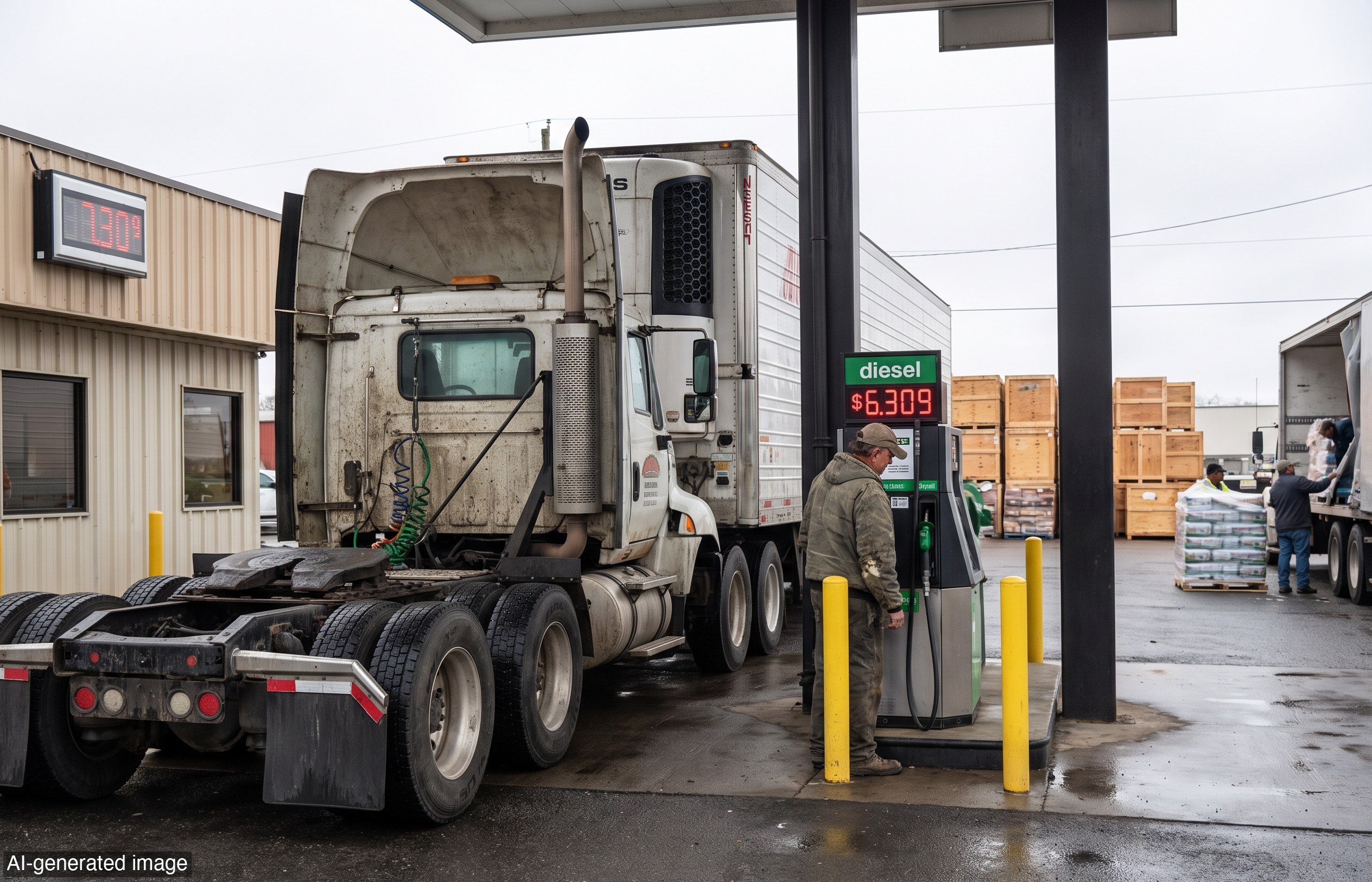
Higher crude prices do not stop at the gas station. Energy costs feed into shipping, logistics and manufacturing, which in turn affect grocery shelves and consumer goods broadly. When oil is expensive, the cost of moving products from farms and warehouses to retailers rises, and those costs are passed along.
Natural gas markets are also exposed. If oil prices stay elevated, some industrial users shift portions of their operations toward natural gas where substitution is possible, lifting demand — and prices — in that market as well.
What the Rally Means
A $25-per-barrel increase over twelve months is not noise — it is a structural shift in the cost of doing business across the American economy. The market has already voted: energy is more expensive, and every sector that moves goods, heats buildings or runs machinery is absorbing that cost.
The case for expanding domestic production — through Arctic leasing, shale development and streamlined permitting — has never been more straightforward. When Washington clears the way for American energy, supply grows, price spikes moderate and the taxpayer keeps more money in pocket. The alternative is watching foreign producers and OPEC+ set the price of American prosperity.