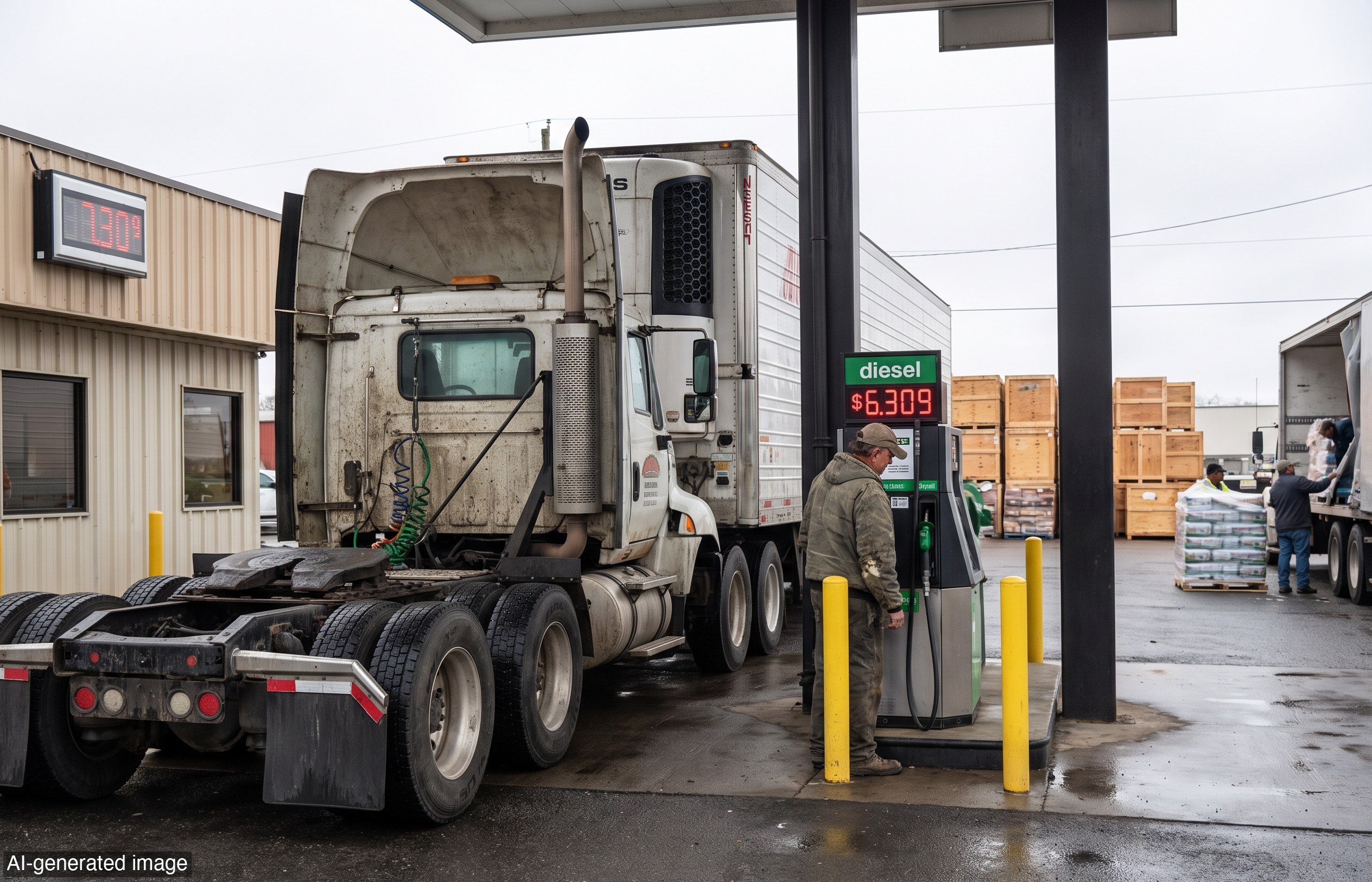
The numbers come first. At 7:15 a.m. Eastern on August 26, 2026, Brent crude traded at $87.41 per barrel — down $2.80 from the prior morning but roughly $20 higher than the same date one year ago, according to Fortune.
That $20 year-over-year gap is not an abstraction. It flows directly into the price every American pays at the pump, in the grocery aisle, and on every utility bill tied to heating or logistics. Crude oil typically represents more than half the cost of a gallon of gasoline, and the well-documented 'rockets and feathers' dynamic means consumers feel price increases faster than they feel relief when oil retreats.
The reserve question. The U.S. Strategic Petroleum Reserve — the emergency stockpile designed to buffer supply shocks from sanctions, storms, or conflict — has fewer than 300 million barrels remaining, a figure flagged separately in Fortune's own trending coverage. The SPR is engineered as a short-term stabilizer, not a structural solution. With inventories at those levels, the margin for error in any new supply disruption is materially narrower than it was a decade ago.
Supply policy matters. Fortune notes that in 2025 the Trump administration moved to reopen more than 1.5 million acres in the Coastal Plain of the Arctic National Wildlife Refuge for oil and gas leasing, reversing the prior administration's restrictions on Arctic drilling. Greater domestic access to shale and frontier acreage expands future supply, which in turn limits how sharply prices can spike when demand surges or geopolitical shocks hit.
What moves the price. Brent futures reprice continuously when markets are open, responding to OPEC+ production decisions, geopolitical signals, and macroeconomic data. The U.S. Energy Information Administration uses Brent as its primary reference in its Annual Energy Outlook precisely because it captures the broadest slice of globally traded crude. Historical Brent data shows extreme volatility — wars, recessions, and supply gluts have all produced dramatic swings in both directions.
Natural gas is not insulated from these moves. When oil prices climb, industries that can substitute natural gas for oil-dependent processes tend to do so, lifting natural gas demand and prices alongside crude.
---
CEO Times read: An $87 barrel is a tax on every sector of the American economy that moves goods, heats buildings, or runs machinery — which is to say, every sector. The case for aggressive domestic production policy writes itself in these numbers. When Washington clears the regulatory path for more drilling, more shale development, and more leasing, supply grows and the price ceiling lowers. The alternative — a depleted SPR, constrained domestic output, and dependence on OPEC+ goodwill — leaves American consumers and businesses exposed to every geopolitical tremor the world produces.
Capital rewards clear rules, and energy markets are no different. The Trump administration's move to reopen Arctic acreage is exactly the kind of supply-side signal that, over time, keeps Brent from becoming a permanent burden on household budgets and corporate margins alike.