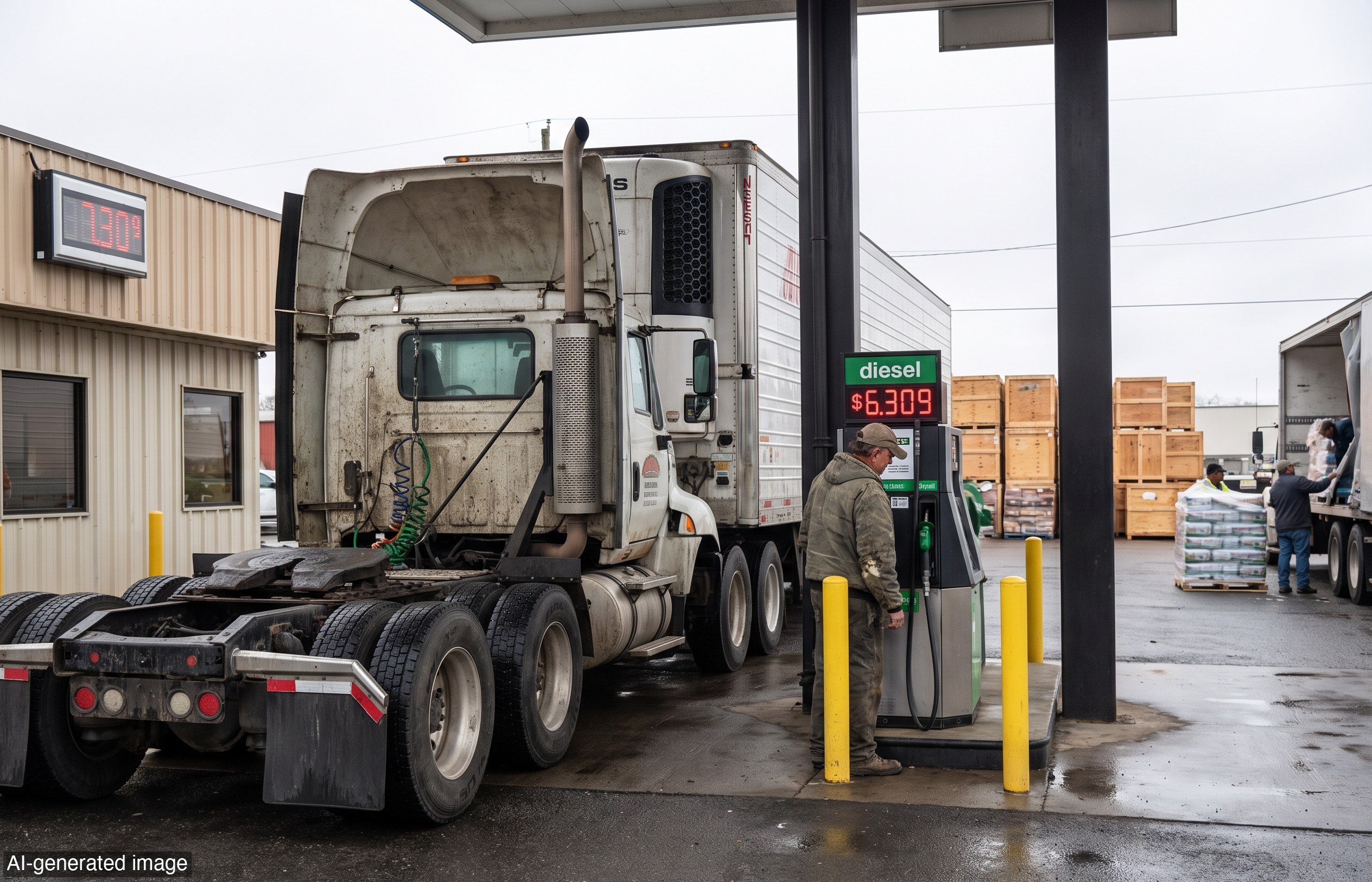
The numbers came in fast. Iran declared the Strait of Hormuz would stay closed until its conditions were met. By 2:08 p.m. New York time, the S&P 500 had shed 0.3%. Brent crude crossed $88 a barrel. The earlier session gains were gone.
The Nasdaq 100 fell harder, dropping 0.4%. Large-cap technology shares were the single biggest drag on the index. Energy, utilities, and industrials moved the other way — all finishing higher. The split tells the story: a supply shock rewards producers and punishes growth multiples.
Mark Hackett, Chief Strategist at Nationwide Funds Group, kept his tone measured. Rising oil prices and the absence of a peace deal put 'some modest pressure' on stocks, he said — but 'relative to last week's rally, investors are taking the news in relative stride.' That is not a ringing endorsement of calm. It is a description of a market that has not yet panicked.
The real test arrives Wednesday. The Bureau of Labor Statistics releases July CPI. The median projection in a Bloomberg survey puts the monthly gain at 0.1%, following a 0.4% decline in June. Bloomberg Economics expects core CPI to fall to its lowest year-over-year reading since March 2021. Energy is projected to subtract 11 basis points from the headline number.
The stakes are direct. Oil's climb has already moved the needle on Fed expectations. Markets are now pricing nearly a 50% chance of a rate hike in September, according to Bloomberg data. That is a meaningful shift.
Analysts are not aligned. Douglas Beath, global equity strategist at Wells Fargo Investment Institute, flags 'elevated refined energy product prices' and 'increasing stickiness in core services — especially rents and medical care' as reasons for a less optimistic near-term inflation view. Citigroup analyst Andrew Hollenhorst takes the opposite side. He expects CPI data to show cooling outside of energy, redirecting attention to domestic economic fundamentals.
Daniela Hathorn, senior market analyst at Capital.com, framed the fork in the road cleanly. A benign CPI report extends the rally. A hotter-than-expected reading pushes Treasury yields and the dollar higher — and forces markets to reconsider whether recent optimism around policy and valuations is justified.
Sentiment data adds another layer. The American Association of Individual Investors reports that bears have outnumbered bulls in 20 of the past 25 weeks. That degree of persistence was last seen in the aftermath of President Trump's rollout of global tariffs. Skeptics are not leaving.
One bright spot: the National Federation of Independent Business reported that small business optimism rose in July to its highest level in a year. The net share of small businesses planning to add jobs jumped to the highest level since October 2022. Inflation concerns eased in the survey as well. Main Street is reading the environment differently than Wall Street's options market.
The Hormuz closure is not a footnote. It is a sovereign chokepoint for roughly 20% of global oil supply. Tehran is using it as leverage. Every day it stays shut, the probability of a September rate hike climbs — and the Fed's room to stay patient shrinks. Free markets price risk in real time. Right now, they are pricing a Middle East that has not found its floor.