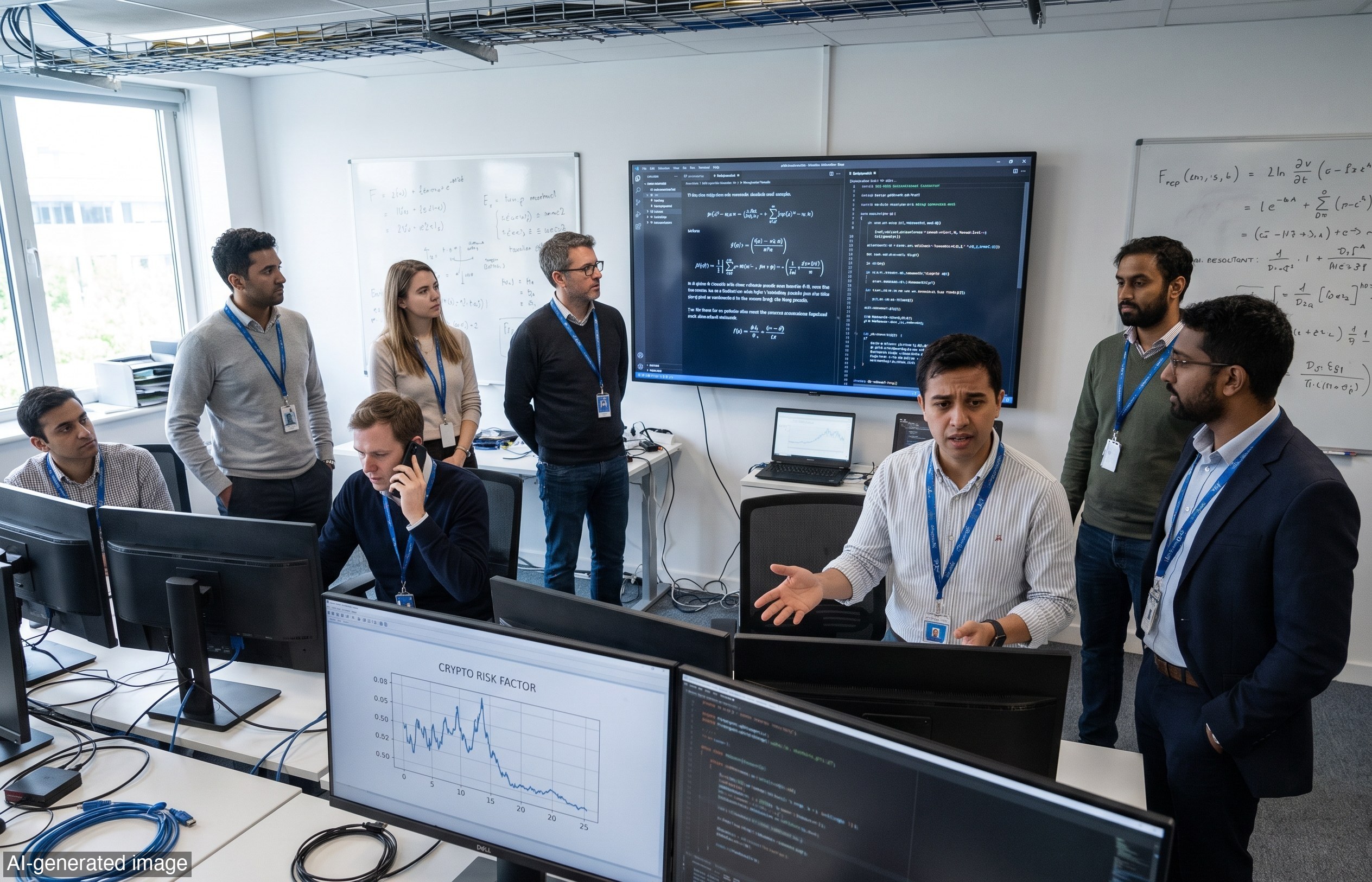
The U.S. Securities and Exchange Commission has sent subpoenas to major Wall Street banks seeking information about the trading activity of Situational Awareness, the AI-focused hedge fund that came under severe pressure last month, according to people familiar with the matter.
The subpoenas focus on banks that supervised the fund's trading and channeled funding to support it. Regulators have also warned those banks to preserve any information related to the hedge fund, according to The New York Times, which first reported the inquiry.
A Dramatic Unraveling
Situational Awareness, led by twentysomething OpenAI alum Leopold Aschenbrenner, built its strategy around concentrated AI investments and, for a period, delivered what sources describe as phenomenal growth. That run ended abruptly at the close of July, when a sharp downturn in AI stocks triggered a barrage of margin calls and forced the fund to begin liquidating equity positions.
Ken Griffin's Citadel stepped in to purchase the bulk of the fund's public stock bets during the unwind — a detail that underscores just how fast and how large the liquidation was.
The Fund's Response
Situational Awareness addressed the regulatory scrutiny directly. 'It is to be expected that regulators would closely examine any funds that are high profile, produce significant returns, or have particularly dramatic drawdowns,' the fund said in a statement. 'We are a highly-regulated business and will cooperate to the fullest extent with any regulatory request.'
The SEC declined to comment. Importantly, an SEC inquiry does not mean a firm or individual is the focus of a formal investigation, and a probe can end without any enforcement action. Situational Awareness has not been accused of any wrongdoing.
What the Numbers Say
The sequence here is straightforward: a concentrated bet on AI equities, a sector-wide selloff, billions in value erased, a forced liquidation, and now a regulatory examination of the paper trail. The market has already voted — Citadel absorbed the positions, and the fund survived, at least structurally.
The episode is a clean illustration of leverage risk in a momentum-driven sector. When the AI trade reversed, the margin calls did not wait for a second opinion. Capital rewards clear rules and disciplined position sizing; it does not reward narrative-driven concentration, however compelling the underlying technology may be.
For free-enterprise readers, the more consequential question is whether the SEC's inquiry produces proportionate oversight or becomes a pretext for the administrative state to second-guess investment strategies it does not understand. Regulators examining a near-collapse is reasonable. Regulators using that examination to impose new constraints on how private capital allocates to emerging technology is a different matter entirely — and one worth watching closely as this probe develops.