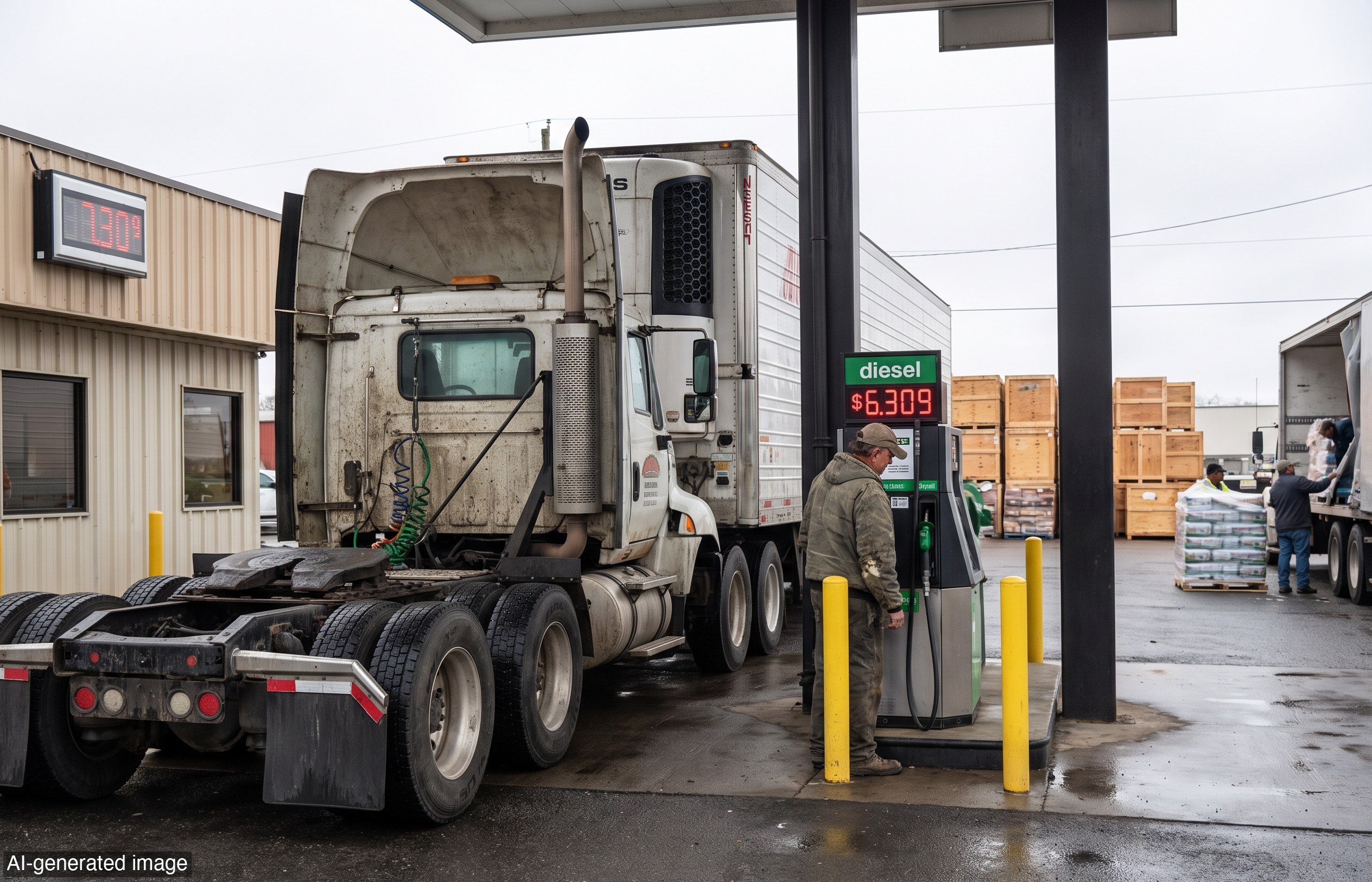
Brent Crude Holds Above $91 as Year-Over-Year Gains Pile Pressure on Consumers
At 6:35 a.m. Eastern Time on August 12, 2026, Brent crude was priced at $91.60 per barrel — down 94 cents from the previous morning but sitting approximately $25 higher than at the same point last year, according to Fortune.
That year-over-year gap is the number that matters most to households and businesses alike. Crude oil typically accounts for more than half of every gallon's pump price, so a $25-per-barrel premium does not stay on the trading floor for long. It moves into shipping costs, grocery shelves, heating bills, and the operating budgets of every industry that runs on fuel.
Supply, demand, and the policy backdrop
Oil prices respond to a wide range of signals, but supply and demand remain the primary drivers. Geopolitical tension, OPEC+ production decisions, and domestic drilling policy all feed into where futures contracts settle each session.
On the domestic supply side, the Trump administration moved in 2025 to reopen more than 1.5 million acres in the Coastal Plain of the Arctic National Wildlife Refuge for oil and gas leasing, reversing the prior administration's restrictions on Arctic drilling. Greater access to shale and other reserves expands the supply cushion that can moderate price spikes — a straightforward case of policy affecting market outcomes.
The U.S. Strategic Petroleum Reserve remains available as an emergency buffer, designed to stabilize supply during sanctions, severe weather events, or armed conflict. It is a short-term tool, not a structural fix.
The 'rockets and feathers' problem
Consumers have long noticed an asymmetry in how oil price moves translate to the pump. When crude rises, gas prices follow quickly — the so-called 'rockets' effect. When crude falls, retail prices ease down far more slowly — the 'feathers' side of the equation. At $91.60 a barrel, that dynamic keeps household energy budgets under pressure even on days when the futures market dips.
Natural gas markets are not insulated either. A sustained high oil price can push industrial users to substitute natural gas where operationally possible, lifting demand — and prices — in that market as well.
CEO Times take
A Brent price $25 above last year's level is not a rounding error — it is a tax on every mile driven, every package shipped, and every product manufactured with petrochemical inputs. The market has already voted: energy is expensive, and the cost is distributed across the entire economy.
The policy lesson is straightforward. Expanding domestic production — Arctic leasing, shale access, streamlined permitting — is the only durable answer to structurally elevated prices. Strategic reserves buy time; free-enterprise drilling buys supply. When Washington gets out of the way of American energy, the barrel price is the first thing that feels it.