The Numbers Come First
The Trump administration on Friday imposed new tariffs of 10% and 12.5% on goods from 60 trading partners — including the European Union — on the grounds that those countries were not doing enough to stop the export of goods produced with forced labor. The new levies took effect precisely as a temporary 10% global tariff expired.
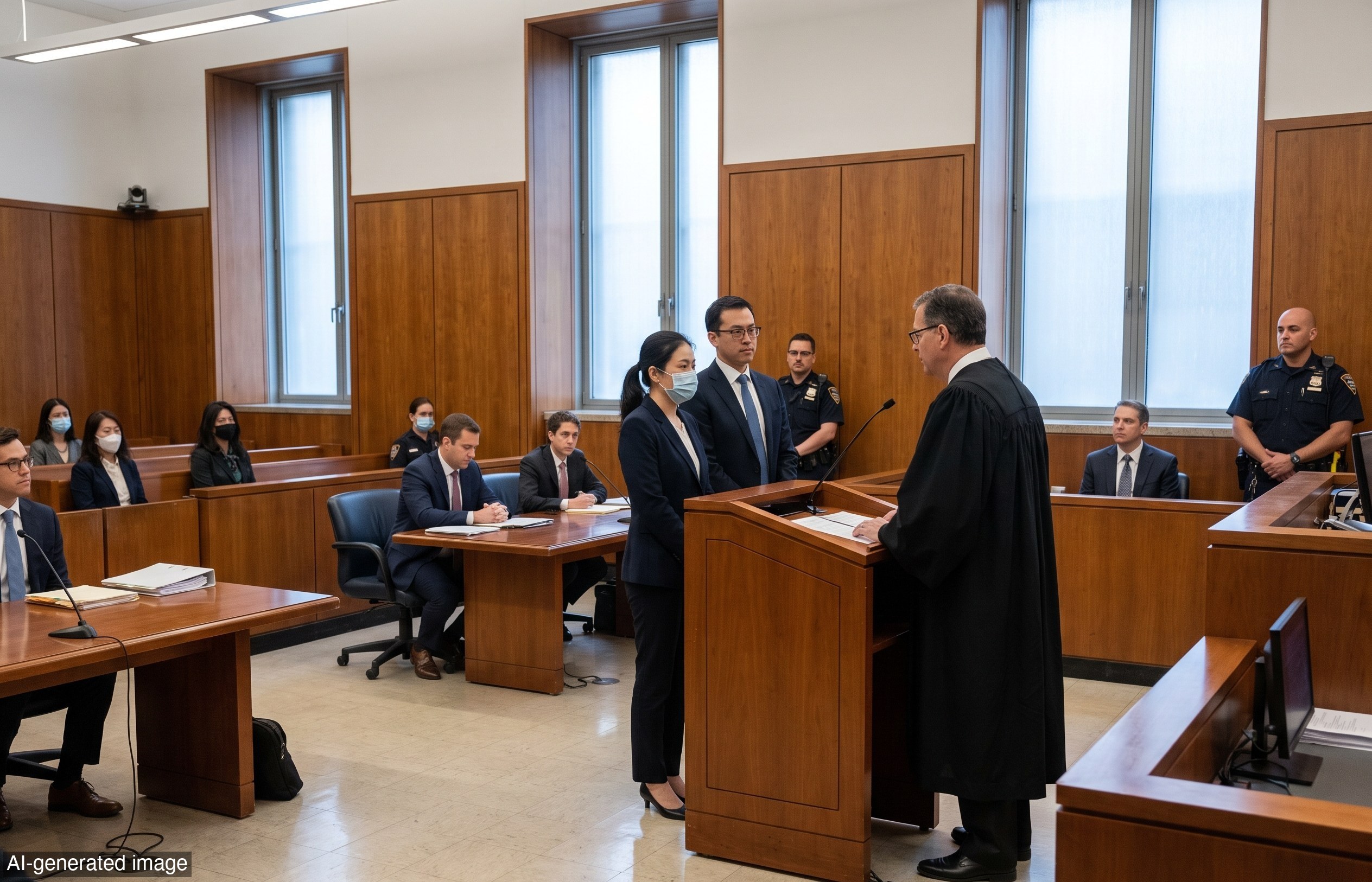
By Friday afternoon, two US small businesses, backed by a nonprofit legal group, had filed a challenge in the US Court of International Trade in New York. The suit argues that Section 301 of the Trade Act of 1974 requires detailed, country-specific findings about forced labor before tariffs of this scope can be legally justified — and that the administration's broad-brush approach has no historical precedent under that statute.
The Legal Scoreboard So Far
Friday's action marks the administration's third distinct legal theory for imposing wide-ranging import taxes. The Supreme Court ruled on Feb. 20 that the International Emergency Economic Powers Act (IEEPA) does not authorize the president to unilaterally impose tariffs on trading partners, striking down the widest-ranging levies. A subsequent temporary 10% global tariff, imposed under a separate statutory authority that no previous president had used for tariffs, was also ruled illegal by the US trade court; the administration is appealing that decision.
Section 301, by contrast, has a long bipartisan history. Past presidents have used it regularly — but always in targeted form, aimed at specific nations and specific industries with documented unfair practices. The plaintiffs argue that applying it simultaneously to 60 trading partners, framed around a generalized forced-labor allegation, stretches the statute beyond its legal limits.
The Trump administration has defended its tariff strategy as legitimate leverage in global trade negotiations, and the president has made tariffs a central pillar of his foreign policy.
What Is Actually at Stake
For American importers — particularly small businesses without the legal departments or balance sheets to absorb sudden cost spikes — the sequence of court battles has created a planning nightmare. Each new tariff round arrives with its own legal theory, its own expiration clock, and its own litigation risk. Capital rewards clear rules; this environment offers the opposite.
From this outlet's perspective, the administration's instinct to confront trading partners that tolerate forced labor is defensible on both moral and competitive grounds. American manufacturers cannot fairly compete against goods produced under coercion. But the mechanism matters. A durable trade policy requires statutory authority that survives judicial review, not a succession of emergency workarounds that courts keep striking down. If the White House wants tariffs that stick, it needs a legal foundation that sticks with them. The small businesses in this lawsuit are not arguing against fair trade enforcement — they are arguing, with some judicial wind at their backs, that the rule of law applies to the executive branch too.