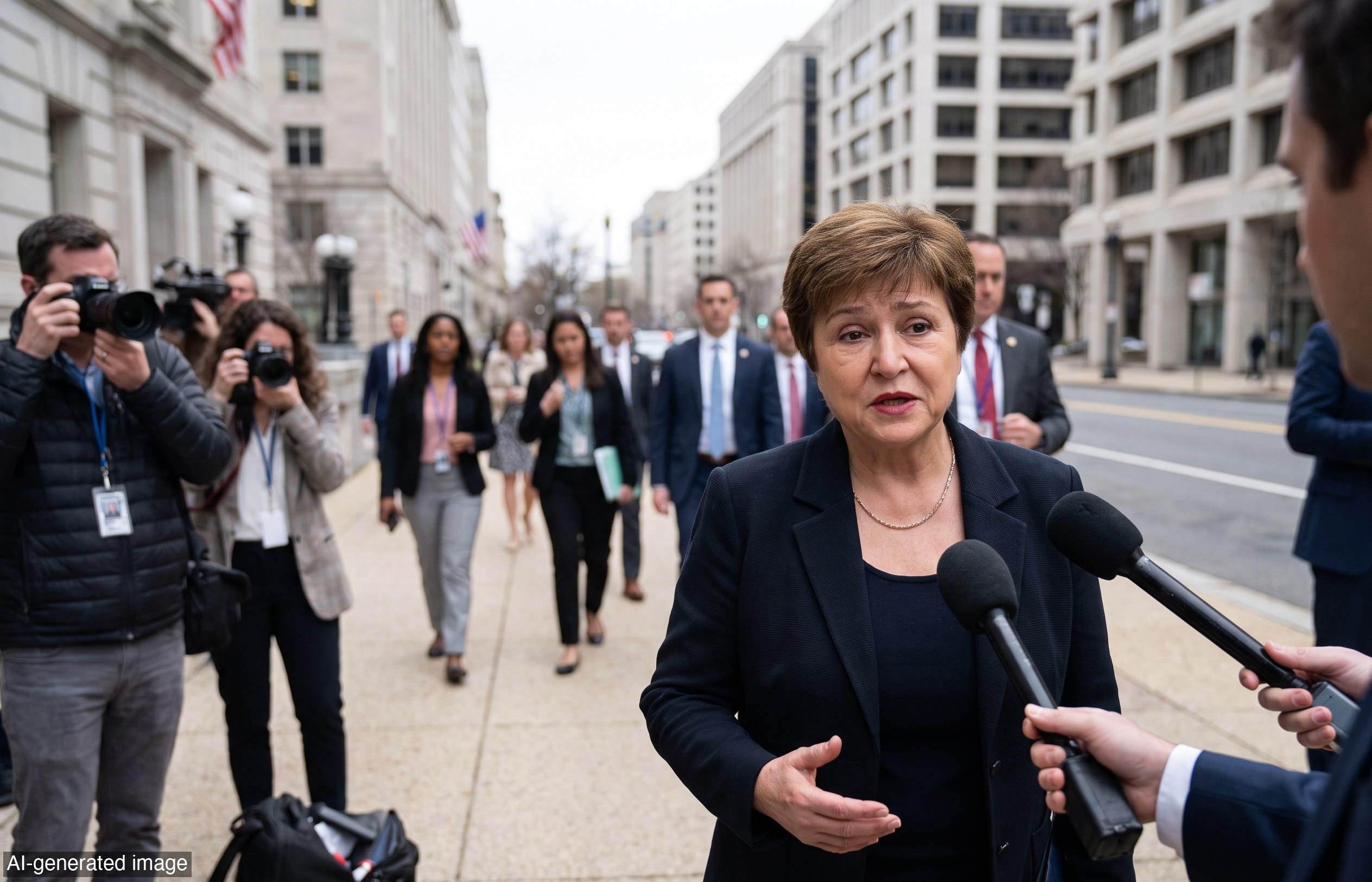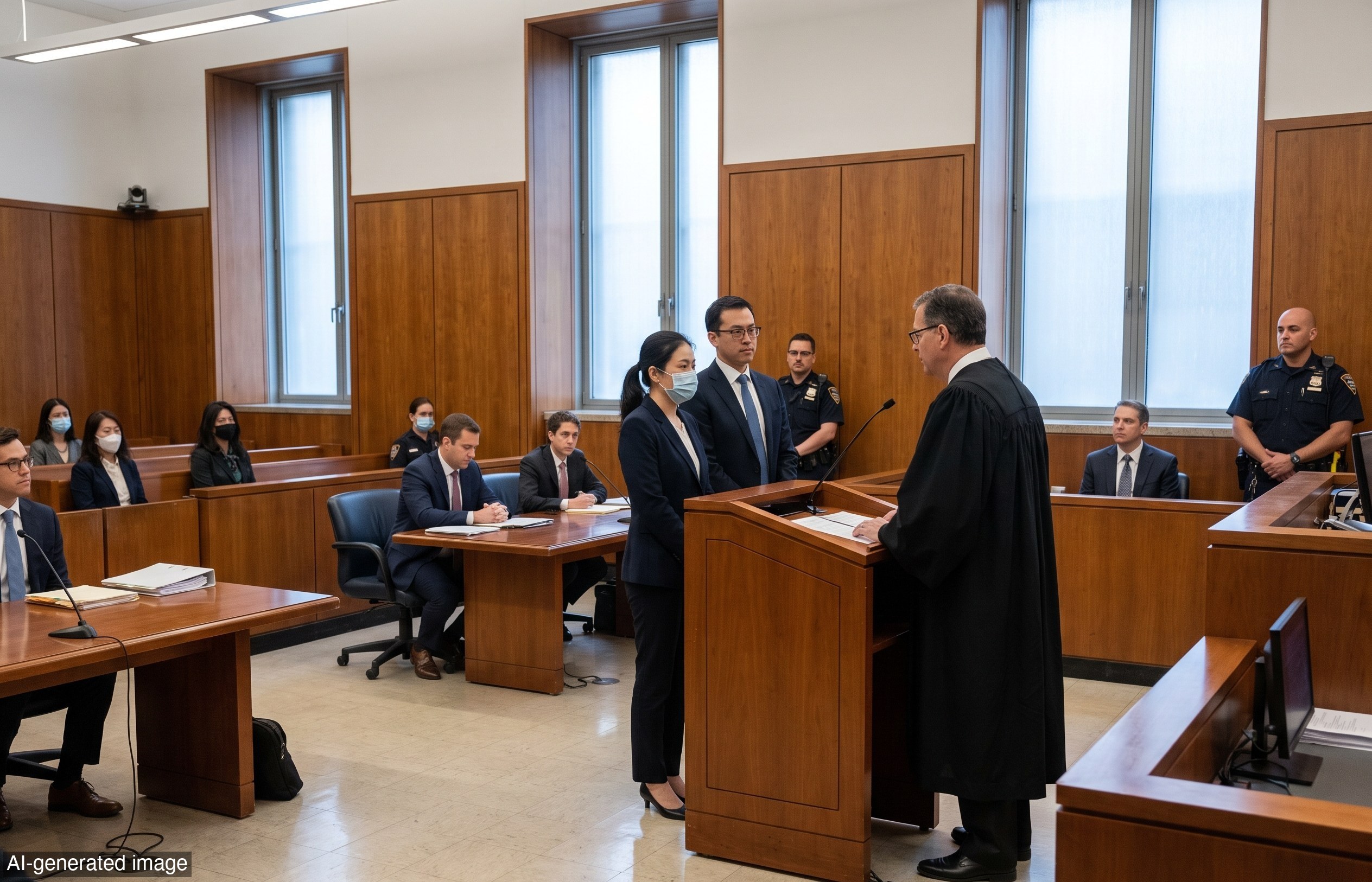
The numbers come first: more than 100. That is how many times Dr. Anthony Fauci invoked his Fifth Amendment right against self-incrimination when he appeared before the Senate Committee on Homeland Security and Governmental Affairs on July 29, 2026. One week later, the committee voted along party lines to hold him in contempt of Congress, opening the door to a Department of Justice referral and a potential prosecution for contempt.
The core legal dispute
Committee Chairman Sen. Rand Paul (R-KY) argued the Fifth Amendment protection did not apply because President Joe Biden issued Fauci a pardon last year, covering acts from 2014 through the day the pardon was signed in January 2025. 'Dr. Fauci faced no risk of federal prosecution,' Paul said at Thursday's hearing. 'All he had to do was tell the truth.'
Fauci and his legal team disagree. In a statement issued after the July 29 hearing, Fauci said he had good reason to fear criminal charges given what he described as Paul's 'determination to get me to say something, anything, that could vindicate his repeated public pledges that I end up, in his words, quote, behind bars, unquote.' His attorney, David Schertler, called the contempt resolution 'a continuation of Senator Paul's personal vendetta' and accused Paul of attempting to 'weaponize the Justice Department.'
Democrats on the committee voted unanimously against the resolution. Sen. Maggie Hassan (D-NH) argued the strategy was to wait for Fauci to make a misstatement and then pursue charges not covered by the existing pardon, leaving him 'little choice but to invoke his constitutional right to not walk directly into a trap.'
The procedural wrinkle
Paul has said he intends to transmit the referral directly to the Justice Department rather than bring the full resolution to the Senate floor, where the 60 votes required to pass it are considered unlikely. The committee's ranking Democrat, Sen. Gary Peters (D-MI), questioned whether that maneuver would be legally valid without full Senate approval. A referral to DOJ does not compel prosecutors to act; it would fall to the U.S. attorney in Washington to decide whether to investigate or pursue charges.
The Biden pardon, it is worth noting, does not shield Fauci from state-level prosecutions or from federal investigations into any testimony he did give that lawmakers deemed false. The Trump administration has also raised questions about whether Biden's pardons are valid at all, given Biden's reported frequent use of an autopen to conduct official business.
What it means
The precedent question is the one that outlasts Fauci. Sen. Peters warned that punishing a witness for asserting a constitutionally protected right will give future witnesses grounds to argue that appearing before Congress exposes them to punishment regardless of whether they comply with a subpoena. In plain terms: Congress's oversight power — one of the few institutional checks on executive-branch opacity — could be weakened by the very effort meant to enforce it.
For readers who believe in accountable government and the rule of law, the principle at stake is straightforward. A pardon strips the privilege against self-incrimination of its factual predicate. If a witness has been immunized from prosecution, silence is no longer a shield — it is a choice. The question the DOJ will now have to answer is whether the courts agree. Capital rewards clear rules, and so does constitutional governance. The country deserves an answer.