The headline number is real. The full bill is not.
The 2026 FIFA World Cup generated $3.5 billion in total economic output for the New York–New Jersey region, according to a final analysis conducted by Tourism Economics, an Oxford Economics company, and shared with Fortune by the FIFA World Cup 2026 New York New Jersey Host Committee. That figure beat the tournament's own pre-event projection of $3.3 billion.
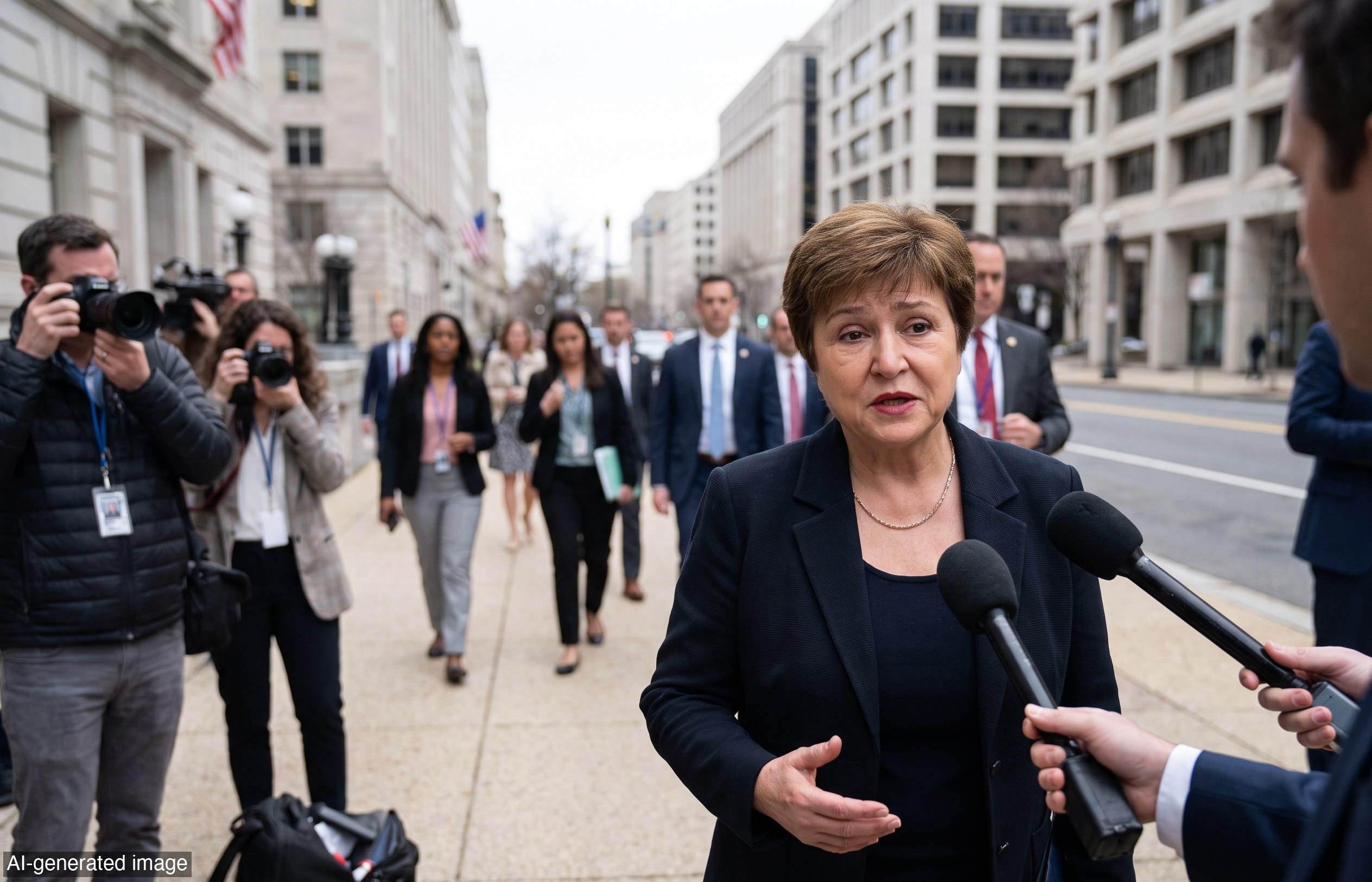
The numbers come first. More than 645,000 fans attended the region's eight matches, including the July 19 final at MetLife Stadium, where 80,663 packed the house to watch Argentina and Spain. Another 626,300 non-local visitors traveled to the area for Official Fan Events and related programming. Together, fans and visitors spent $1.7 billion in the regional economy. The Host Committee, FIFA, and other stakeholders added another $286 million in operational spending, bringing direct spending to $1.9 billion before indirect and induced effects were counted.
The tournament created 27,424 total jobs, including nearly 18,000 directly tied to World Cup operations and visitor spending. Food and beverage businesses led employment gains at roughly 4,500 jobs, followed by transportation at about 4,400 and lodging at 4,000. Those positions translated into $1.4 billion in total labor income.
'The final numbers demonstrate that New York and New Jersey didn't just rise to the occasion — we exceeded expectations and delivered an impact that will be felt long after the final whistle,' Host Committee CEO Alex Lasry said in a statement.
The tax return is smaller than the press release implies.
Of the $3.5 billion in total economic impact, $759.2 million flowed back to government coffers — roughly 22 cents of every dollar generated. That breaks down to $414.2 million for state and local governments and $344.9 million federal. The remainder of the $3.5 billion figure captures private-sector activity — hotel bookings, restaurant tabs, retail sales — that does not touch a public budget line.
On the cost side, the picture is murkier. State and city records put the combined public outlay at an estimated $245 million, though no single government agency has published one reconciled total. New Jersey accounts for roughly $155 million: $35 million directly to the Host Committee, plus $120 million budgeted for construction and security, including a new pedestrian bridge at MetLife Stadium. NJ Transit's board separately approved $100 million for a temporary bus terminal and a $35 million contract to design a dedicated bus corridor whose full construction cost was never publicly estimated. Some state legislators told reporters New Jersey's taxpayer cost topped $300 million.
New York City accounts for the remaining roughly $90 million: $29 million for the Economic Development Corporation, $20 million to the Host Committee, $12 million for NYPD security, and smaller sums for marketing and emergency management — against a projected $51 million in city tax revenue. City Comptroller Mark Levine has disputed the city's own figures.
The market has already voted — but the taxpayer deserves the full ledger.
The private-sector story here is straightforward and genuinely impressive: free enterprise delivered. Restaurants filled, hotels sold out, and labor markets responded with tens of thousands of jobs. When consumers choose to spend, capital follows — no mandate required.
The public-sector story is less tidy. Officials are quick to tout a $3.5 billion headline while the actual cost to taxpayers remains, by their own admission, unreconciled. Capital rewards clear rules and honest accounting. Before the next mega-event bid lands on a governor's desk, the taxpayer deserves a single, audited number — not a press release.