The Numbers Come First
Meta agreed this week to pay up to $18 billion over the next decade and restructure how Facebook and Instagram operate for users under 18, settling a lawsuit brought by a 51-state coalition that accused the company of designing its platforms to be addictive to children. The deal still requires court approval.
But New Mexico Attorney General Raúl Torrez — whose office already won the first jury verdict against Meta over child safety anywhere in the country — told Fortune the nationwide settlement does not reach the standard his state secured on its own.
'We had hoped a nationwide settlement might echo the full strength of the protections New Mexico secured in court — including a direct ban on romantic and sexualized AI chatbot interactions with minors and stronger safeguards against adults targeting kids in private messages,' Torrez told Fortune. 'But this settlement still represents real progress and adds momentum to finish the job of protecting kids online.'
What New Mexico Already Won
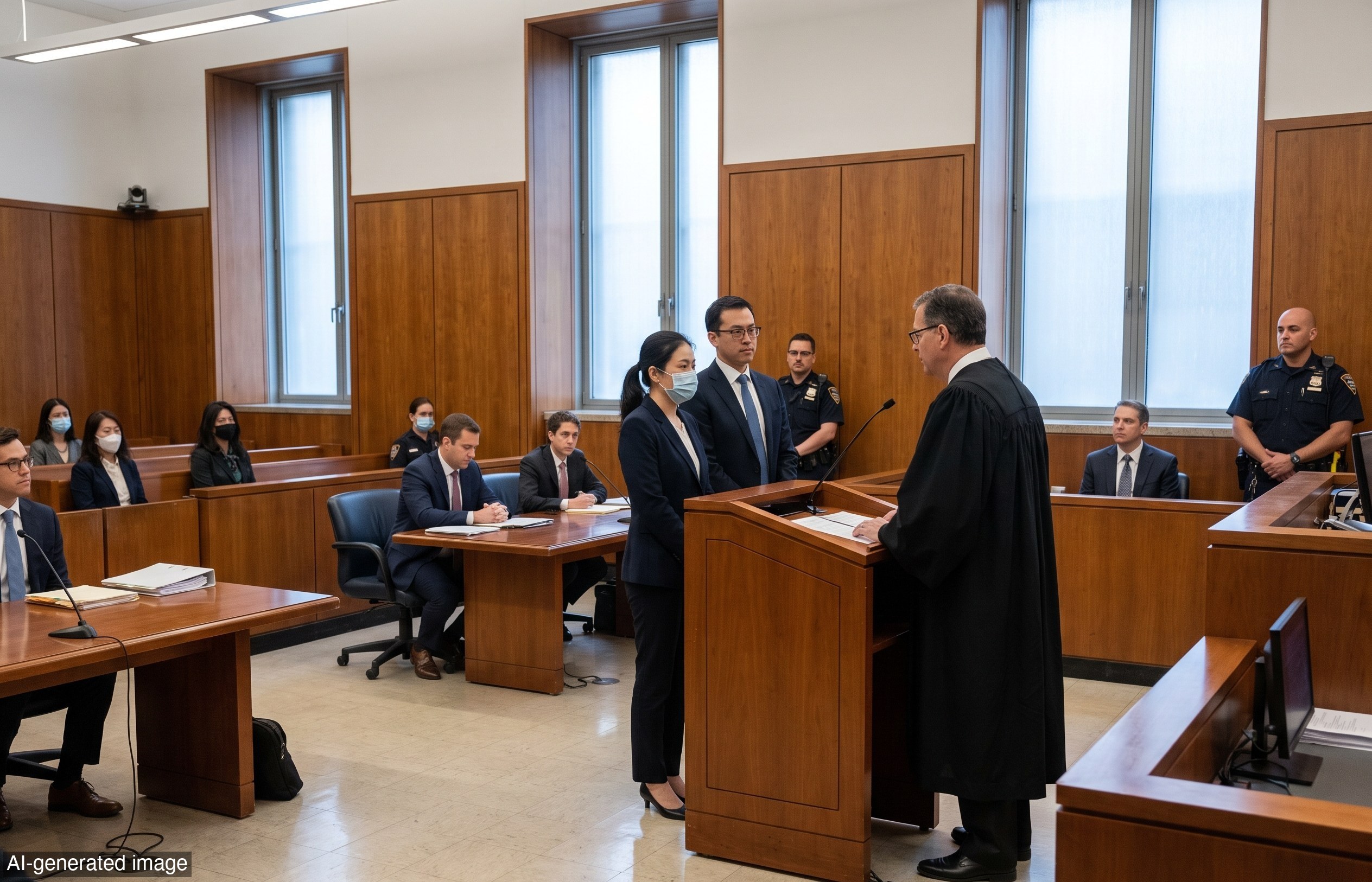
In March, a Santa Fe jury found Meta liable for 75,000 violations of the state's consumer protection law and ordered it to pay $375 million in civil penalties. A judge added another $567 million in August after ruling that Meta had created a 'public nuisance' similar to air pollution. New Mexico's own tally against the company now stands at roughly $942 million.
Torrez still called the multistate deal 'historic,' crediting attorneys general from both parties for refusing to let the company off the hook. California Attorney General Rob Bonta's office led the multistate case.
What the Settlement Requires
Under the agreement, Meta must implement a default two-hour daily time limit, a nighttime block between midnight and 6 a.m., muted notifications during the school day, hidden like counts, a ban on cosmetic-surgery and extreme makeup filters, stronger age verification, and an independent auditor to check compliance for five years.
Meta's Chief Legal Officer C.J. Mahoney said in a statement to Fortune that the company is calling on TikTok and YouTube to adopt the same framework immediately. Neither company responded to Fortune's request for comment.
Critics Flag the Gaps
Child advocacy group Fairplay called the deal 'a watershed moment' but flagged the same shortfall Torrez identified. 'We are disappointed that the settlement does not turn off by default recommendation algorithms that connect kids to predators,' the group said, adding that the financial penalties — while the largest Meta has ever faced — are 'not large enough to fundamentally change Meta's relentless targeting of youth.'
Fairplay also called for a floor vote on the Kids Online Safety Act, which the group says has stalled in Congress despite support from more than three-quarters of the U.S. Senate.
CEO Times Read
The $18 billion figure is headline-grabbing, but Torrez's critique cuts to the core of what settlements often sacrifice: specificity. New Mexico went to trial, put facts before a jury, and walked away with enforceable, court-ordered prohibitions that a negotiated deal could not replicate at scale. That is how the rule of law is supposed to work — not through backroom agreements that trade precision for breadth.
For free-enterprise readers, the more important question is whether a patchwork of state verdicts and multistate settlements is the right mechanism to govern a $1.4 trillion company's product design. Congress has had years to act. Until it does, the courtroom remains the only place where accountability has a price tag — and New Mexico just proved that price can be steep.