The Numbers Come First
New York City Mayor Zohran Mamdani launched his pied-à-terre tax as a signature early win — a surcharge on one-, two- and three-family homes valued above $5 million, and on condos and co-ops valued at $1 million or more, provided the unit is not the owner's primary residence. City Hall projected the levy would deliver $500 million annually to municipal coffers, paid largely by high earners who enjoy Manhattan life without paying city income taxes.
The rollout has been anything but smooth.
A Simple Idea Meets a Complex Market
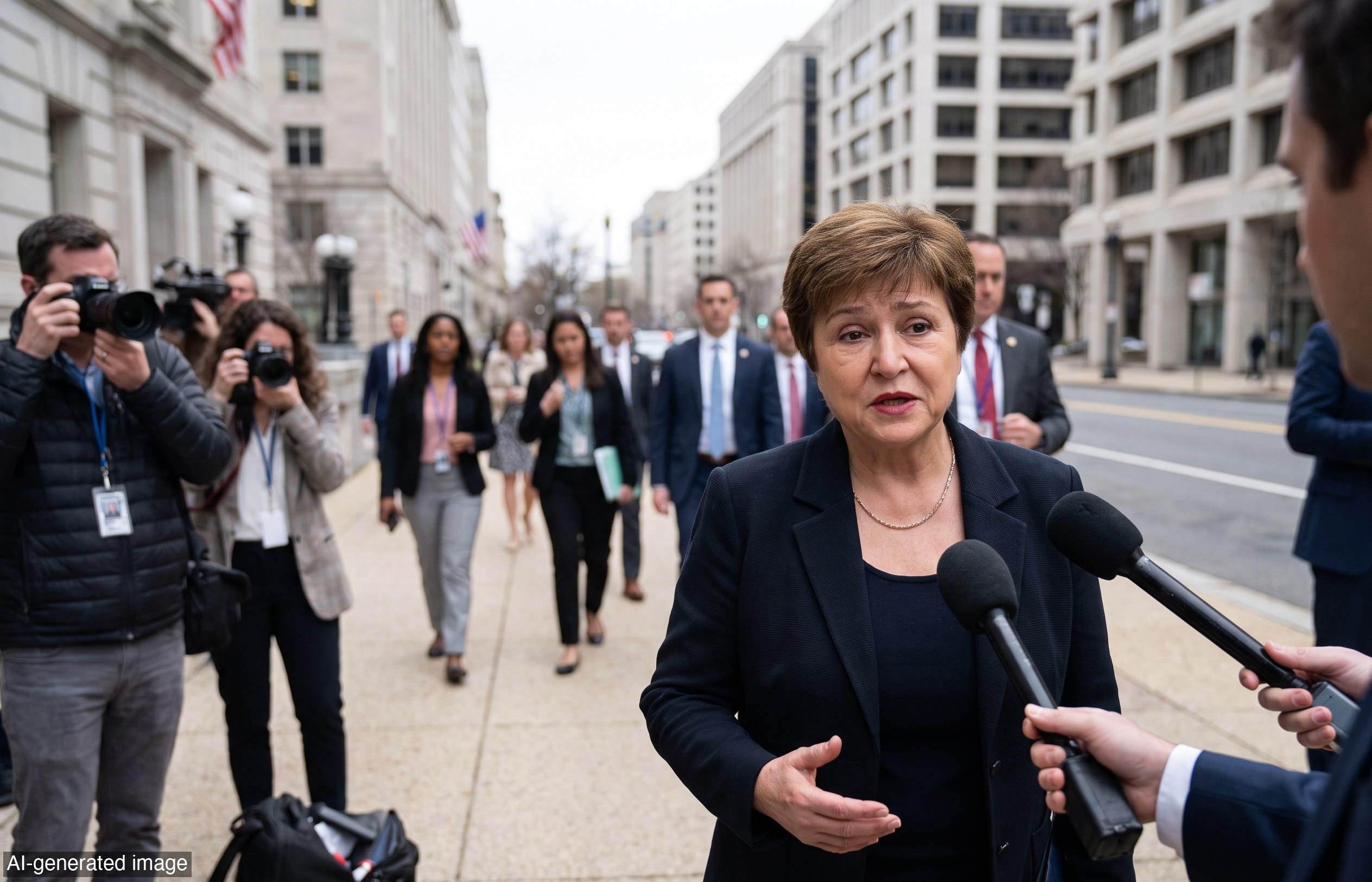
The city mailed notices to roughly 17,000 properties it suspected would be subject to the tax, instructing owners to apply for exemptions. Mamdani announced the mailers in a social-media post: 'If you have a second home in New York City worth more than $5M, check your mailbox when you're back in the five boroughs — because you've got mail.'
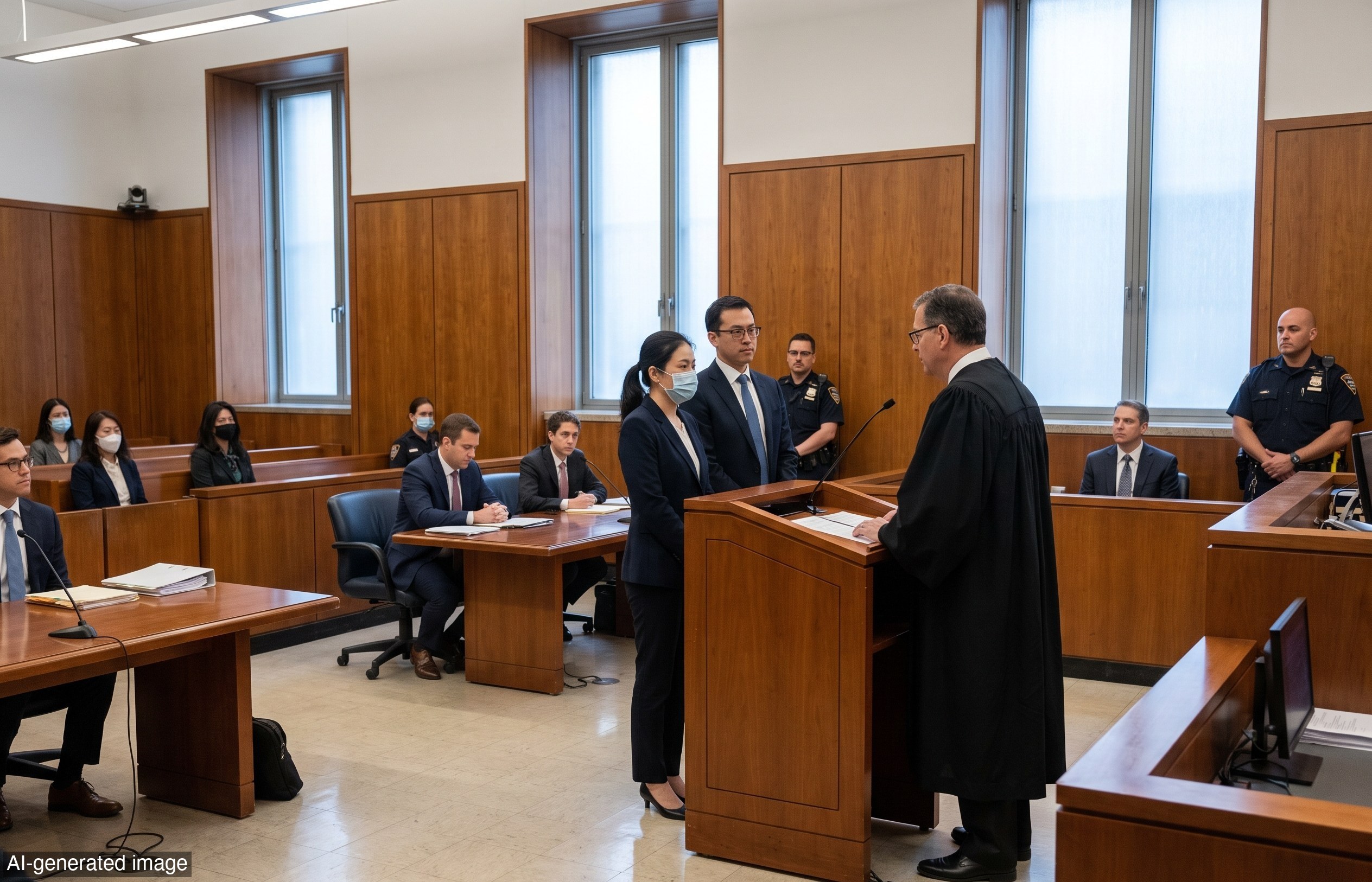
The celebratory tone collided with reality almost immediately. A group of homeowners sued, arguing that officials had not done enough to identify who actually owed the tax and had instead shifted that burden onto property owners. A judge temporarily paused the process; the city moved to appeal, allowing the effort to continue while litigation proceeds.
The underlying complexity is structural. High-value properties are routinely held in trusts or limited liability companies, obscuring ownership and complicating any determination of primary residency. Informal arrangements — a distant family member staying in a unit, tenants without documentation establishing primary residence — add further layers.
'It seems very simple but the more you dig into it, the more nuances you look at, the more complicated it gets,' said Gary Bingel, a state and local tax expert and partner at EisnerAmper. Mark Limardo, a partner at law firm Herrick in Manhattan, put it plainly: 'The concept is simple, but the ownership rules and the documentation rules have made it very complicated.'
From Griffin to Trump
Mamdani debuted the tax with a video filmed outside a Manhattan penthouse purchased by hedge fund CEO Ken Griffin for around $239 million. Griffin later called it 'frightening' that a public official would single out one of his homes, particularly after the killing of UnitedHealthcare CEO Brian Thompson in the same neighborhood.
President Donald Trump, whose primary residence is now in Florida, noted that his Manhattan penthouse could fall under the tax. He said he was looking into whether federal intervention could 'avert this disaster, before it is too late.'
The city also published an expansive online list of property owners potentially subject to the tax, including names, addresses and property values — a legally required disclosure that many owners characterized as doxing. Mamdani later pushed back the exemption deadline after public outcry from people who said they received notices in error or had difficulty navigating the process.
The Editorial Read
This is what happens when a government designs a tax around a slogan rather than a statute. The pied-à-terre levy was engineered for optics — a video outside a billionaire's penthouse, a triumphant mailer campaign — and the administrative machinery was built to match the press release, not the property rolls. When the real estate market's legitimate complexity asserted itself, the burden landed on owners, not on the bureaucracy that created the mess.
Free enterprise does not require sympathy for nine-figure penthouses. It does require that tax obligations be clear, prospective and fairly administered. A levy that generates litigation before it generates a single dollar of revenue is not a fiscal policy — it is a political performance, and New York City's taxpayers will foot the legal bill either way.