The Allegations, the Denials, and the Bank's Own Verdict
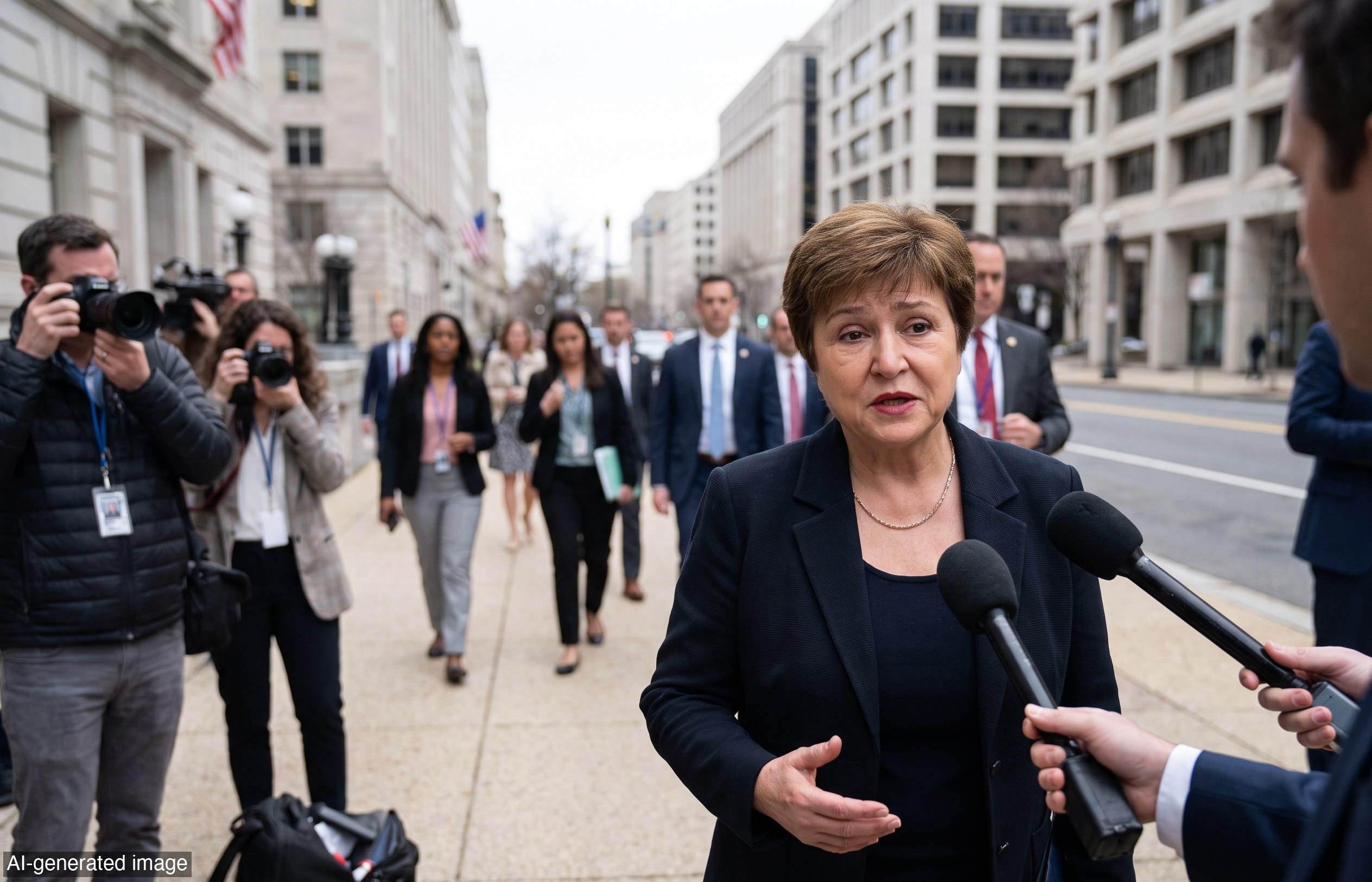
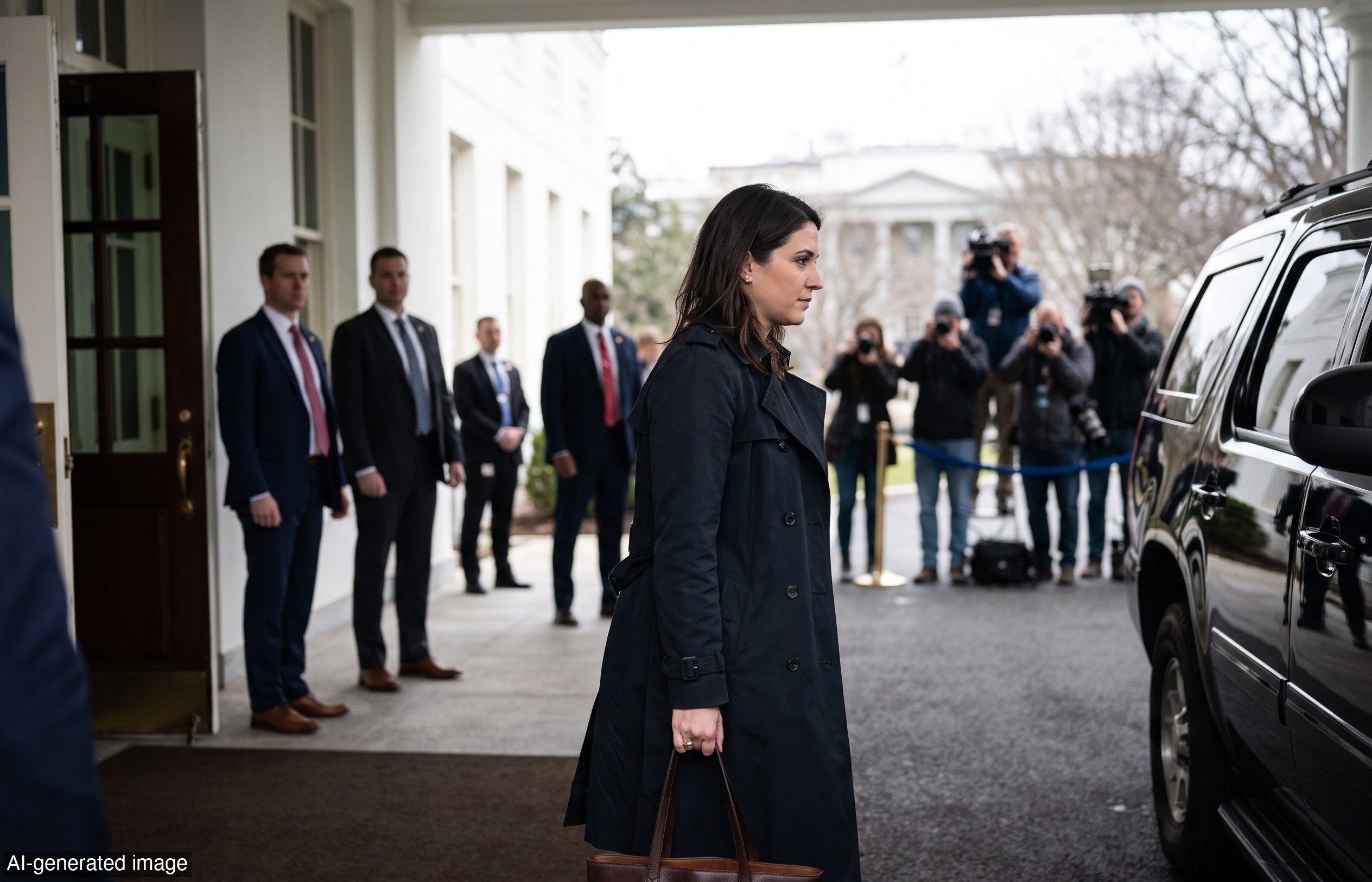
The Wall Street Journal this week published a lengthy report on Frank Bisignano, Donald Trump's IRS commissioner, alleging that more than a decade ago — while serving as co-chief operating officer at JPMorgan Chase — he spied on fellow executives by accessing sensitive internal communications without apparent business justification, and misused the corporate jet for personal purposes.
The Journal said its 'reporting is accurate, thoroughly vetted, and backed by multiple knowledgeable sources.' Bisignano, through a lawyer, denied both the spying allegation and the jet allegation.
JPMorgan's position is unambiguous. A senior bank executive with firsthand knowledge of the claims told the New York Post that JPMorgan 'looked into the allegations of spying and misuse of funds and found no evidence of wrongdoing.' The bank had previously described Bisignano as 'a trusted adviser for years who we have known for decades and who is distinguished for his grit and determination,' adding that it applauds 'his service to our country both at the Social Security Administration and the IRS.'
Wells Fargo CEO Charles Scharf, who was JPMorgan's consumer bank chief at the time and is named in the Journal report as one of the executives allegedly monitored, told the Post he and Bisignano are friends. 'All I know is what I've seen and I've never seen any spying,' Scharf said. The two men spoke after the story ran and, according to Scharf, 'joked' about it.
Context the Story Requires
A former JPMorgan colleague offered a structural explanation: as co-COO, Bisignano oversaw compliance — the in-house function responsible for monitoring internal and external communications to ensure adherence to firm policy. 'ALL senior managers were told to work with compliance,' the former colleague said. 'Frank was given the job by Jamie and made something of it. They looked at everything we did.'
Bisignano left JPMorgan in 2013. He subsequently served as CEO of payments processor First Data and later led Fiserv after the two companies merged. He joined the Trump administration to reform two agencies the New York Post describes as 'known for their bureaucratic bloat.' He recently hired former JPMorgan executive Vince LaPadula as his No. 2 at the IRS. LaPadula said he consulted Jamie Dimon before accepting the role, and Dimon's answer was unambiguous: 'absolutely… he's Mr. Fix It.'
The stakes of the story are not trivial. As the Journal noted, Bisignano now sits atop two government organizations that store 'vast reams of sensitive financial data about every taxpayer.' That fact alone demands scrutiny of anyone who holds the post.
CEO Times Read
The numbers here are not financial — they are institutional. Bisignano was brought in precisely because Washington needed someone who knows how large, complex organizations actually work. JPMorgan's internal investigation found nothing. His former targets call him a friend. His new deputy got a personal endorsement from Jamie Dimon. That is not exoneration by press release; it is a paper trail assembled by people with every incentive to tell the truth.
What the taxpayer deserves is a straight answer, not a decade-old grievance aired at the moment Bisignano holds maximum authority over the nation's revenue and retirement infrastructure. The market for credibility runs both ways: the Journal's sources carry weight, and so does a bank that investigated the claims and closed the file. Both facts belong in the record.