Harvard Medical School has agreed to pay $53 million to settle class action lawsuits filed by relatives of body donors whose remains were stolen and sold on the black market by its former morgue manager, Cedric Lodge.
Harvard Medical School Deans George Q. Daley and Bernard S. Chang announced the settlement in a letter to the community on Tuesday, describing Lodge's conduct as 'despicable, abhorrent, and a flagrant betrayal of our values as a medical community.' Pending court approval, two class action settlement funds totaling $53 million will be established.
The lawsuits were brought by 47 relatives of people whose remains were potentially mishandled and sold. Those remains had been donated for research and education. The settlement covers relatives or designees of donors who gave their remains to Harvard Medical School between Jan. 1, 2018, and March 31, 2023.
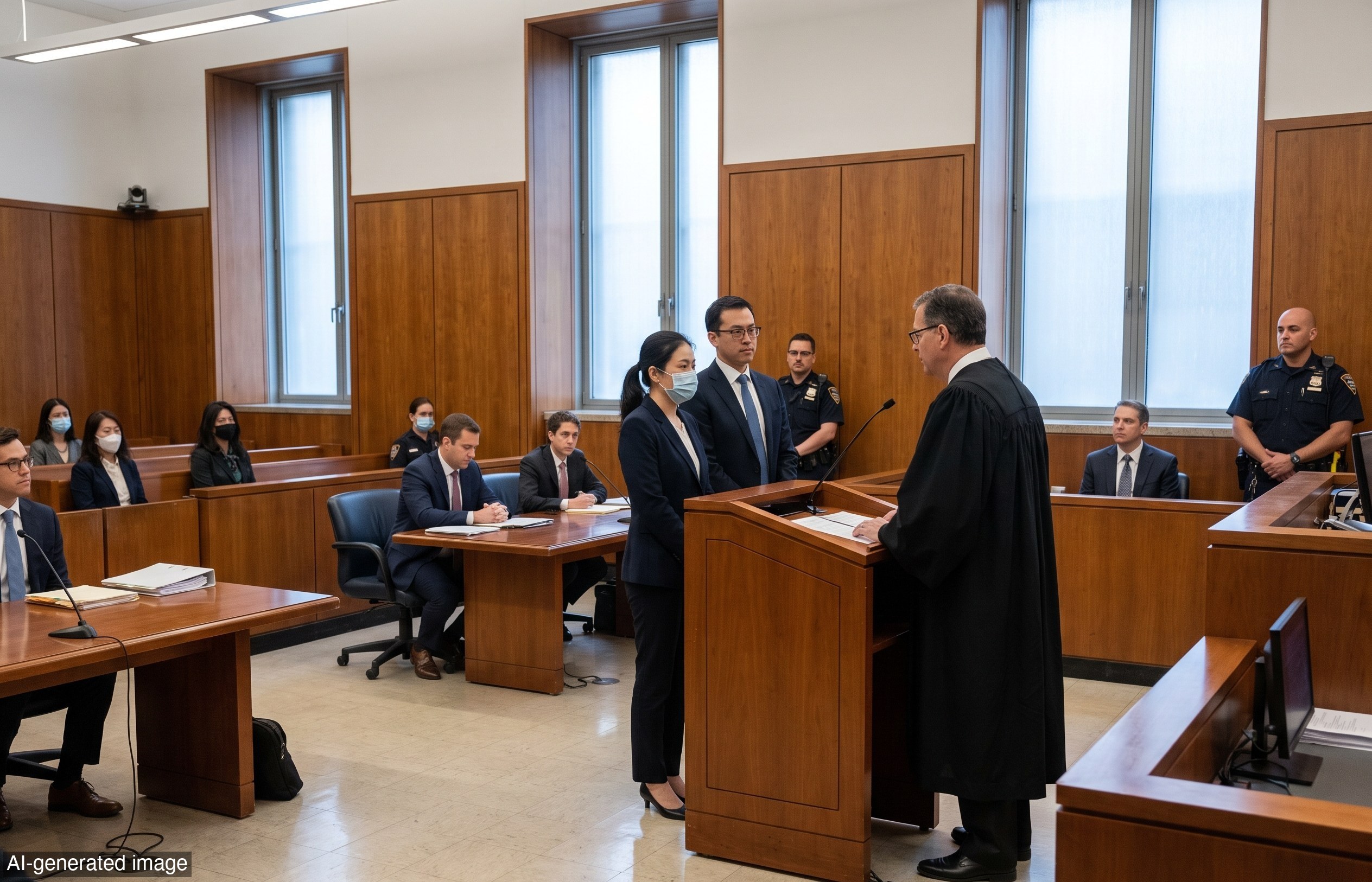
Last year, Lodge was sentenced to eight years in prison for stealing and selling body parts that authorities said he treated 'as if they were baubles.' Prosecutors said Lodge shipped brains, skin, hands and faces from cadavers to buyers in Pennsylvania and elsewhere. In one documented instance, Assistant U.S. Attorney Alisan Martin noted in a court filing that Lodge provided skin to a buyer so it could be tanned into leather and bound into a book — a 'deeply horrifying reality.'
Lodge's wife, Denise Lodge, was sentenced to just over a year in prison for assisting him. Six other individuals who purchased remains from Cedric Lodge also pleaded guilty and have been sentenced, according to Harvard.
Harvard has said it cannot determine precisely which donors' remains Lodge stole. After he was charged in 2023, the school reviewed federal investigator records alongside cremation logs and Lodge's campus access history to identify potentially affected donors. Harvard has maintained that Lodge acted without the school's knowledge or permission.
Beyond the financial settlement, Harvard Medical School agreed to provide affected families with a formal statement condemning Lodge's actions and summarizing improvements made to its Anatomical Gift Program. The school also plans to establish an annual financial aid scholarship for medical students beginning in the 2027-28 academic year to honor anatomical donors. Harvard said it has already enacted recommendations from a panel of outside experts appointed in 2023 to review the program.
The numbers come first — and here they are damning. Fifty-three million dollars is the price tag on an institutional failure that unfolded over five years inside one of the most prestigious medical schools in the world. The families who trusted Harvard with their loved ones' bodies in an act of profound generosity received, in return, a betrayal that no settlement figure can fully repair. What this case exposes is not merely one rogue employee but the institutional complacency that allowed him to operate undetected for years. Elite credentials and billion-dollar endowments are no substitute for basic oversight, accountability and the kind of institutional culture that treats every donor — not just every donor dollar — with genuine reverence. The market for trust, once broken, is expensive to rebuild.