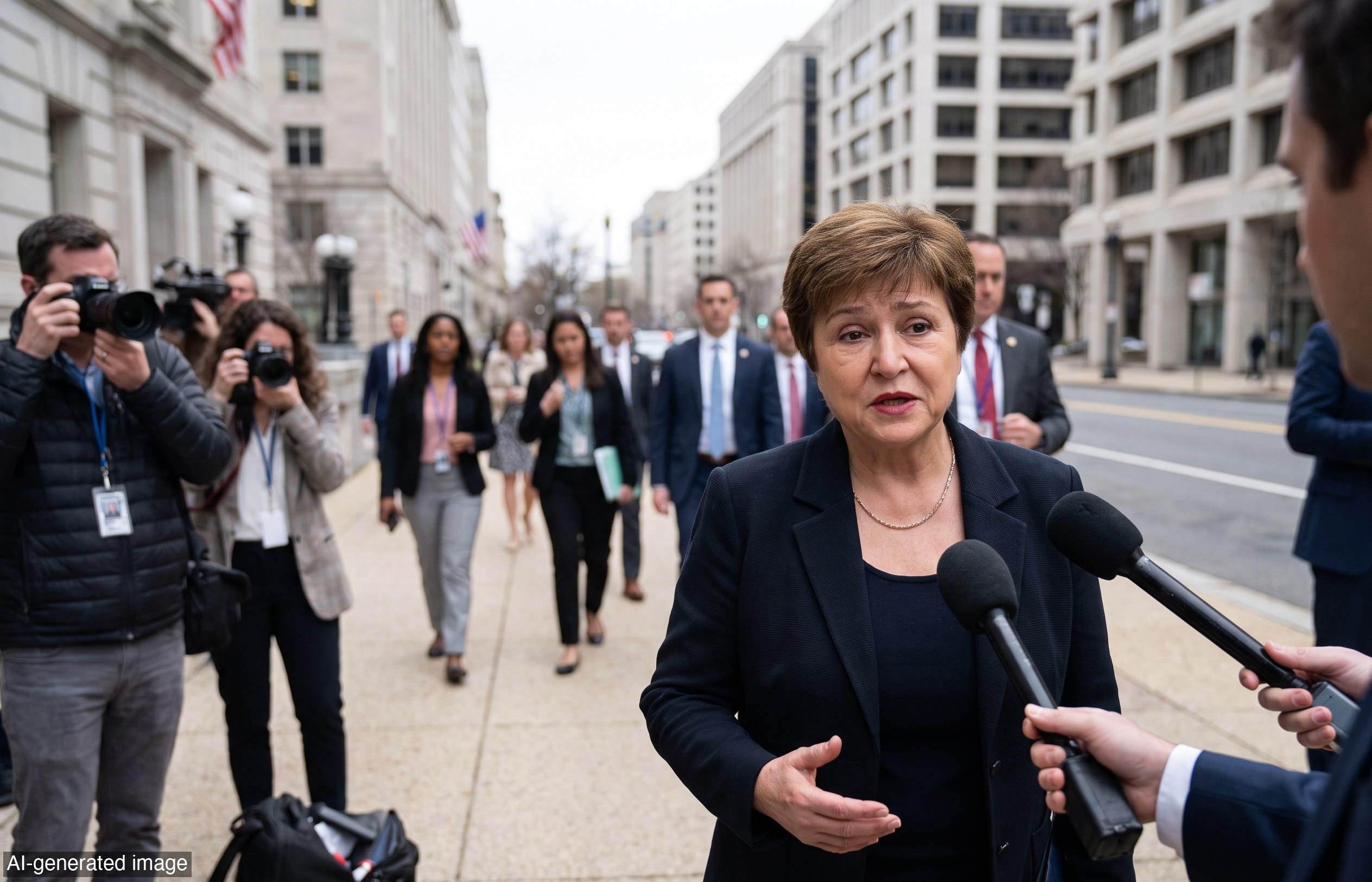
Trade talks between Washington and Ottawa collapsed in late August, and the United States responded by imposing a 50% tariff on roughly $20 billion (C$27.6 billion) of Canadian goods under Section 338 of the Tariff Act of 1930, a Depression-era statute that lets the president retaliate against countries deemed to discriminate against U.S. commerce.
Canadian Prime Minister Mark Carney vowed to match the U.S. 'dollar for dollar,' and Ottawa unveiled retaliatory tariffs on close to 900 American products, set to take effect September 8.
'Canada will match those tariffs dollar for dollar,' Carney said. 'Because we were attacked. Like, you're at war when you get attacked.'
Paper goods take the heaviest hit. Canada's retaliation places a 25% duty on U.S. toilet paper and facial tissue, and a 50% duty on paper towels, napkins, and raw wood pulp. Ottawa is also charging 50% on American dairy products, except cheese, which draws 25%, and 25% on American fish and seafood, including frozen lobster — a move that drew criticism from Maine Senator Susan Collins.
The U.S., for its part, has placed a 25% tariff on Canadian cars and auto parts, and Trump is threatening to double that to 50% if no deal is reached by January 1, 2027. To cushion the blow at home, Ottawa announced a C$7.5 billion relief package for small and medium Canadian businesses hurt by the standoff.
The numbers come first, and the history is not reassuring for anxious shoppers. On March 12, 2020, U.S. toilet paper sales surged 734% versus the same day a year earlier, and roughly 70% of the world's grocery stores ran out of the product at some point during the pandemic. Researchers later found no actual break in production — mills kept running. Hoarding, not a supply failure, drove nearly all of the shortage.
The stakes are outsized for American households. Americans make up just 4% of the world's population but use more than 20% of the world's tissue supply, burning through an average of 141 rolls a year, the highest rate globally, just ahead of Germany's 134. In 2024, Canada supplied $328 million worth of toilet paper to the United States, more than any other country, with retailers like Costco sourcing heavily from north of the border.
Capital rewards clear rules, and a tariff fight that escalates on both sides of the border does the opposite: it injects uncertainty into supply chains for a product Americans buy by the roll. Whatever leverage Washington gains from Section 338, Ottawa's 25% and 50% duties are a tax that will eventually show up in the price American families pay at the register — a cost with no line item, paid quietly at checkout.
Carney's 'war' rhetoric plays well domestically, but Ottawa's own C$7.5 billion relief package for its businesses is itself an admission that retaliation carries a price for Canadian producers too. The lesson for policymakers on both sides of the 49th parallel is the same one markets have priced in before: tariffs are taxes, and taxpayers on both sides of the border eventually foot the bill.