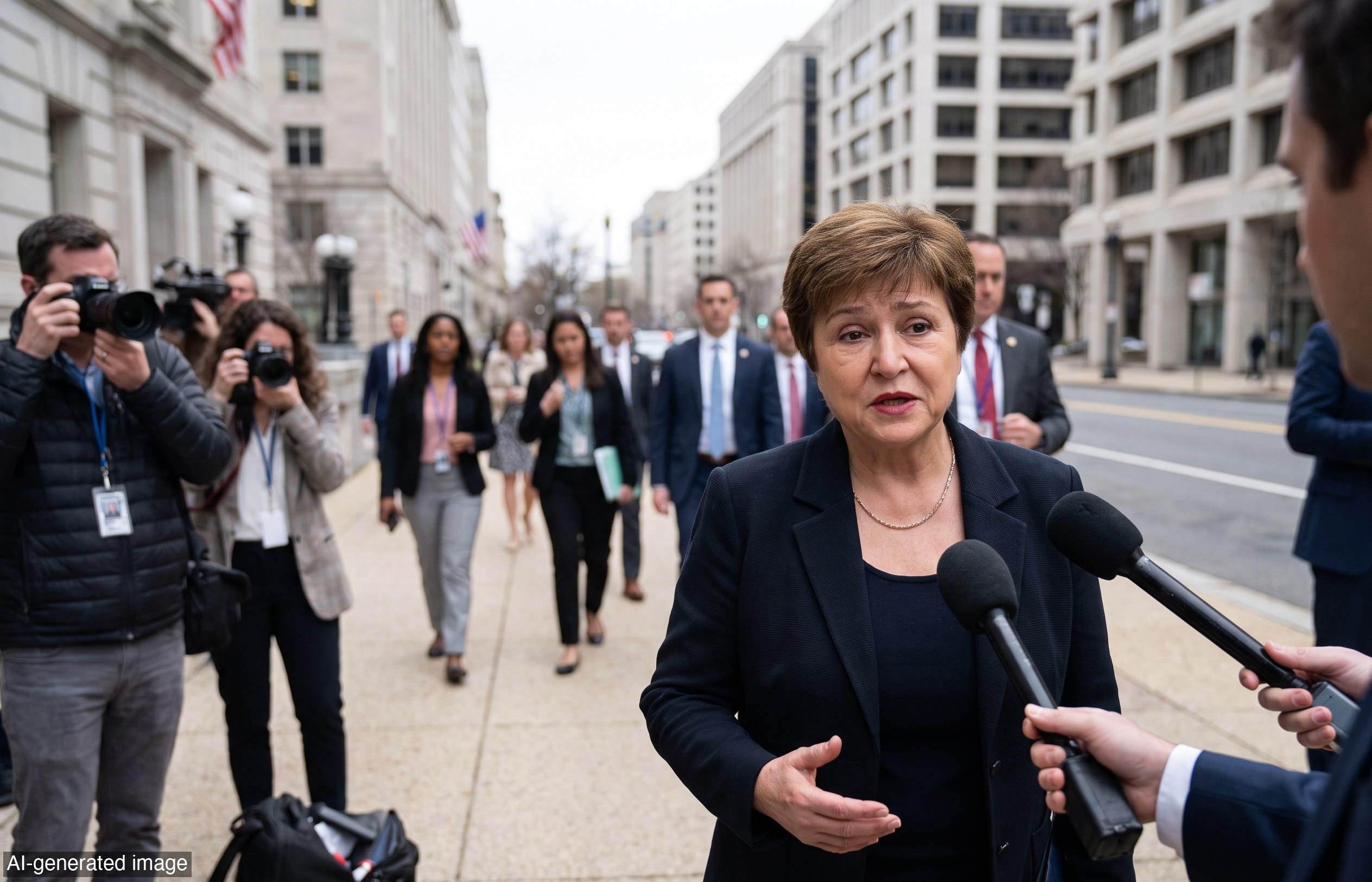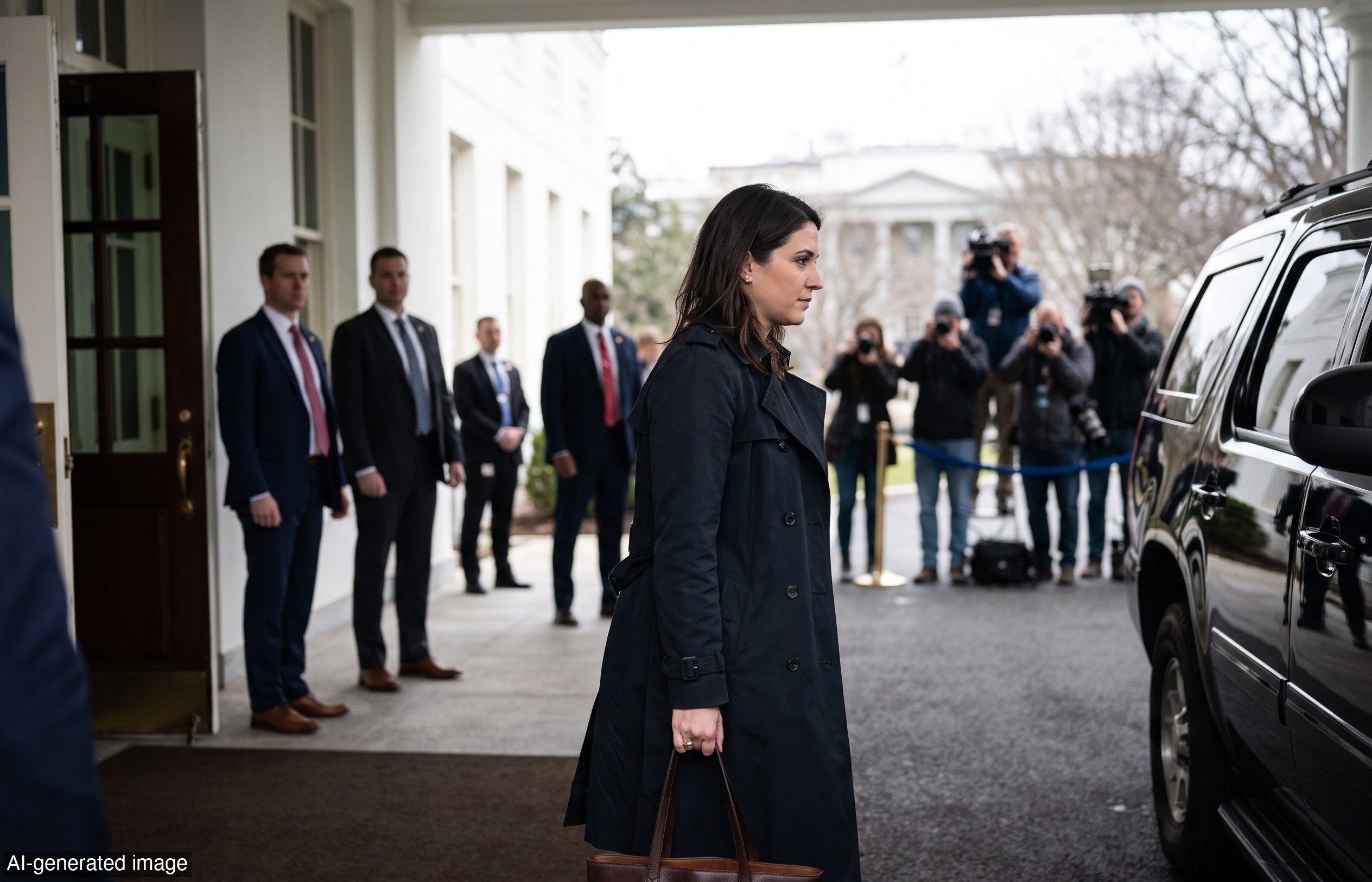
Treasury Secretary Scott Bessent opened the week vowing an 'economic onslaught' against Iran and its trading partners, comparing the effort to the 1944 D-Day landings. By Friday, the campaign had produced far less than advertised, according to Fortune.
China, which buys 90% of Iran's oil, issued a defiant warning to Washington rather than back down. Bank Melli branches in Abu Dhabi stayed open for business. Commercial flights between Iran and Turkey, and between Iran and the United Arab Emirates, continued despite the UAE's earlier pledge to sever all trade and financial ties with Tehran. Routes to Thailand, Azerbaijan, Russia and China went unaffected.
The capstone action — sanctions on the UAE-based branches of Egypt's Banque Misr — fell well below Bessent's own promise of 'a major announcement of a financial institution being sanctioned by the end of this week.'
'As the war passes the six-month mark, the public actions taken by the Treasury Department this week do not match the hype,' said Alex Zerden, a former Treasury official now at Capitol Peak Strategies. He called the effort 'a continuation of 47 years of restrictive economic measures against Iran' without 'a clearer theory of economic or military victory.'
The Treasury Department did not respond to a request for comment.
Leland Miller, CEO of China Beige Book and a commissioner on the US-China Economic and Security Review Commission, put the core problem bluntly: 'You can't unleash meaningful economic warfare on Iran while ignoring the one country that absorbs 90% of its oil exports.'
Asked Thursday which countries the US had approached, President Trump said, 'About Iran? There's not a lot to speak to. We don't want to speak to them. We're not looking to meet or anything.'
The UAE, a key US ally, told Bloomberg its move to cut financial ties with Iran was a 'sovereign decision reflecting its strategic assessment of the national interest.' Turkey, meanwhile, has received no formal US guidance on how the restrictions apply and believes it has time before compliance is required.
Bessent is expected to face finance ministers this weekend at a G20 gathering in Asheville, North Carolina, where the central question, per Atlantic Council economist Josh Lipsky, will be whether Washington is willing to sanction an actual Chinese financial institution.
The numbers come first, and the numbers here are unforgiving: a superpower buying nine-tenths of Iran's oil, an allied banking hub still processing Iranian transactions, and a headline sanctions target — an Egyptian bank's UAE branch — that reads more like a press release than a financial strike.
Capital rewards clear rules and credible enforcement, not grand historical analogies. Comparing a unilateral pressure campaign to a coordinated multinational invasion invites the very scrutiny Bessent is now getting, and markets, allies and adversaries alike take note when rhetoric outruns follow-through. The real test of American leverage was never Cairo's banks or Abu Dhabi's branch offices — it was always Beijing. Until Washington is willing to confront that fact, Tehran's trading partners have little reason to change their behavior, and the credibility cost falls on the United States.