Decentralizing the Checkbook
Steve and Connie Ballmer have given away more than $8 billion over the past two decades. Now they are changing who decides where the next dollars land.
The couple's Ballmer Group — founded in 2015 and focused on economic mobility — is spinning its three regional offices into independent nonprofits: MoveUp Southeast Michigan, MoveUp LA, and MoveUp Washington. Each will build its own board, run its existing regional programs, and adapt to local needs. Current grantees keep their commitments without disruption, according to a Ballmer Group release dated July 1.
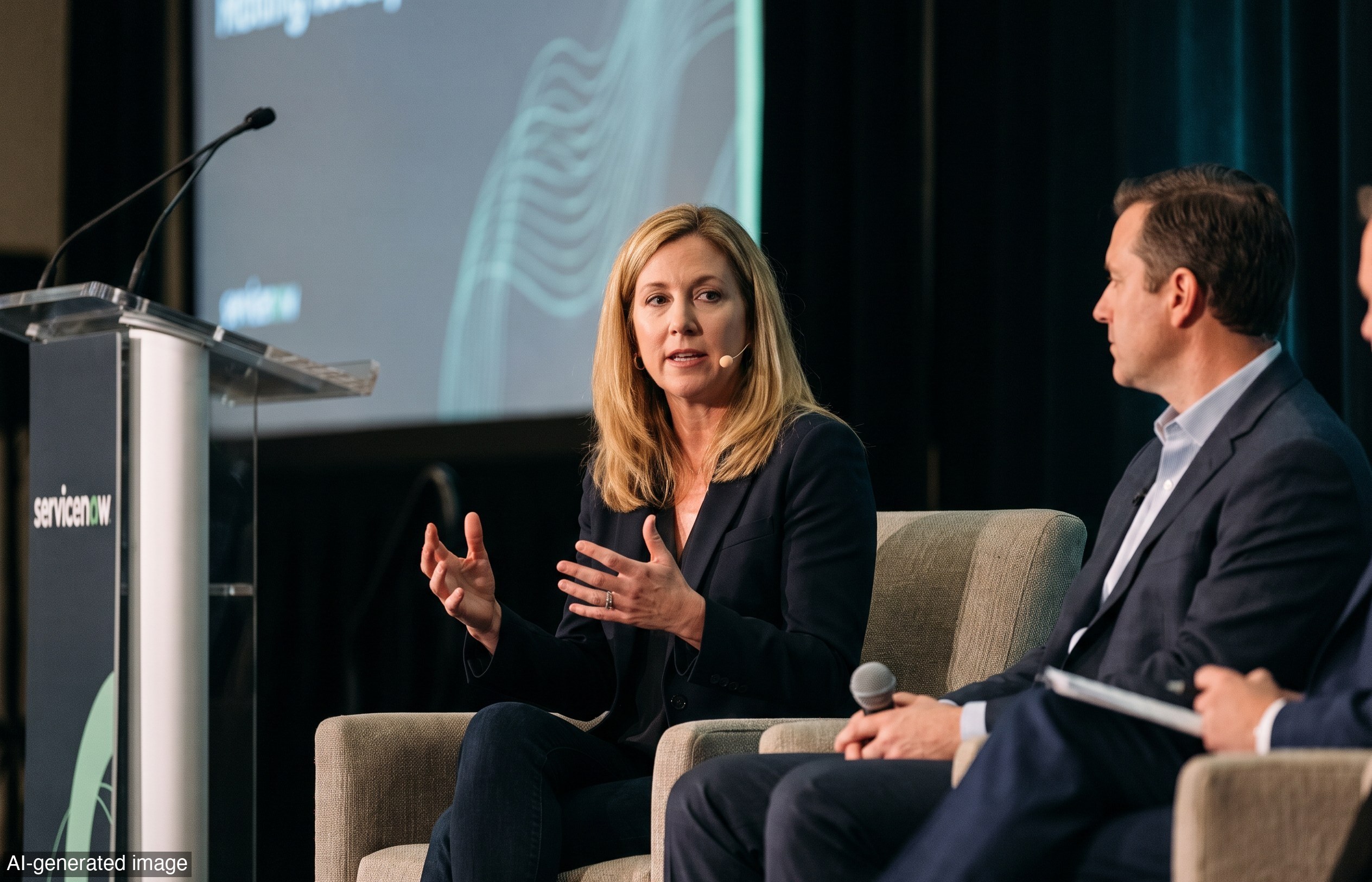
Ballmer Group CEO Terri Ludwig, who joined in 2019 from Enterprise Community Partners, told Fast Company she views the new entities as startups, not spin-offs. 'How do we keep staying close to the work, and how do we empower our leaders?' Ludwig said. She will serve as a founding board member for all three organizations while continuing to lead Ballmer Group, which will narrow its focus to a smaller set of large, scalable national initiatives.
'Our intention is to ensure that these local philanthropies can be permanent, ongoing resources in each region, while we concentrate our national efforts on advancing economic mobility in new ways,' Steve and Connie Ballmer said in a joint statement.
The Geography Is Personal
The regional choices are not arbitrary. Steve grew up in Southeast Michigan. The couple owns the Clippers in Los Angeles County. Washington State is home — and where Connie began the couple's philanthropic work roughly 25 years ago, writing checks from their kitchen table focused on the state's foster-care system.
The financial structure of the new organizations is still being worked out; an endowment is one option under consideration, according to GeekWire.
Some of the Ballmer Group's largest commitments to date include a $425 million gift to the University of Oregon to establish the Ballmer Institute for Children's Behavioral Health, a $237.5 million gift to Blue Meridian Partners for its Place Matters Initiative, and an up-to $165 million pledge to Communities In Schools to scale its student-support model to 1,000 new schools.
Steve, who served as Microsoft's CEO from 2000 to 2014, carries an estimated net worth of $177 billion, ranking him ninth on the Bloomberg Billionaires Index.
What the Market Reads Here
The Ballmer restructuring is a textbook application of a principle free-market thinkers have long championed: subsidiarity — the idea that decisions are best made by those closest to the problem, not by a central authority insulated from consequences. By pushing governance down to regional boards staffed with people already doing the work, the Ballmers are, in effect, introducing competitive accountability into their giving. Each MoveUp entity will have to justify its results to a local board, not just to a national headquarters.
That is a sharper incentive structure than most philanthropic bureaucracies tolerate. Ludwig's own advice to newly minted billionaires from the AI boom captures the logic: 'Start with the problem you deeply care about. Find the people who are closest to the challenge, learn from them, and begin.' Private capital, when it follows that discipline, tends to outperform the administrative state at solving the problems government programs have managed for decades without resolution. The Ballmers are betting their structure on it.