The Numbers Come First
A three-judge panel of the U.S. Court of Appeals for the First Circuit has declined to suspend a lower-court injunction blocking federal agencies from enforcing President Donald Trump's mail-ballot executive order in approximately twenty states and the District of Columbia.
The Justice Department had asked the appellate court to clear the way for full implementation before the November 3 congressional elections. The panel refused, leaving intact a ruling issued in late June by a Boston federal judge who declared several sections of the executive order 'unconstitutionally void.'
What the Court Found
Judges Gustavo Gelpí and Julie Rikelman, both appointed by former President Joe Biden, wrote in a joint opinion that the plaintiff states had presented sufficient evidence of harm and standing at this early stage of the case. The record, they noted, showed the order had already produced 'incredible strain' on state election officials and their teams, citing compressed timelines and anticipated changes to established electoral processes.
Judge Joshua Dunlap, appointed during Trump's current term, dissented in part. He wrote that he would have allowed one specific section to proceed — the provision directing the Department of Homeland Security to prepare a list of potentially eligible U.S. citizen voters as a reference guide for states administering elections.
The Stakes on the Ground
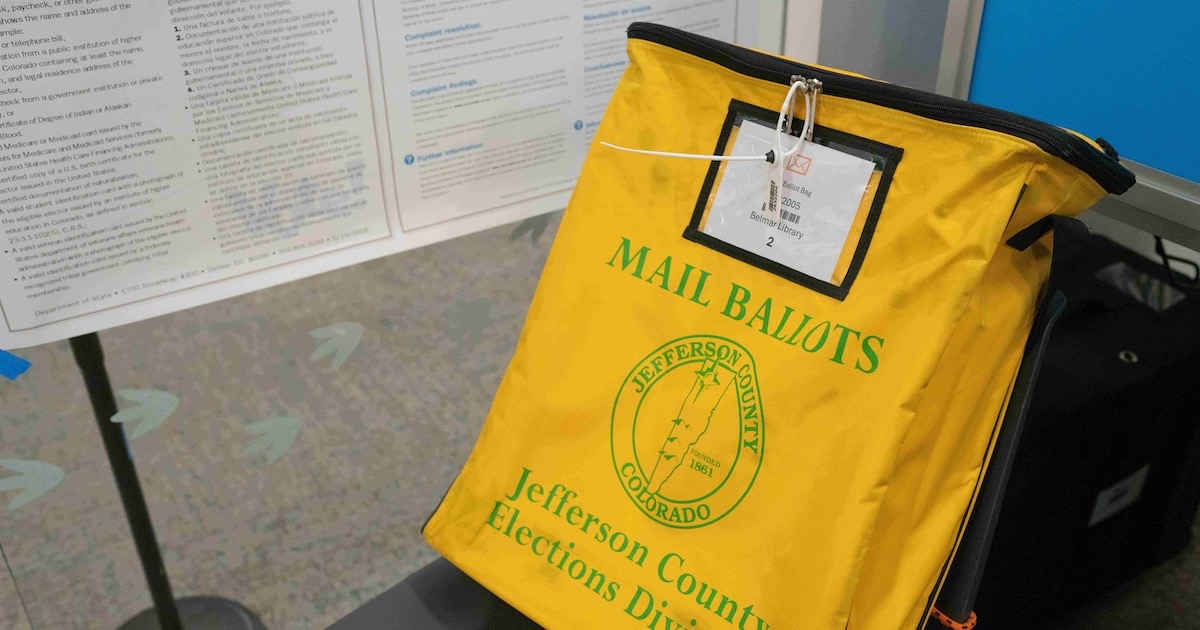
The administration has framed the executive order as a safeguard against electoral fraud. Among its directives: requiring the U.S. Postal Service to redesign mail ballots and adopt rules obligating states to coordinate their voter rolls with the agency before sending out ballots. Plaintiff states argued that provision would illegally transform the Postal Service into an 'electoral regulator' with authority to refuse ballot delivery.
State officials who sued also pointed to language in the order they said appeared to threaten criminal prosecution if they did not use federal lists to determine voter eligibility — a charge the government disputed, saying the Homeland Security list was intended solely as an optional resource.
A coalition led by California's attorney general brought the suit. A dozen Republican state attorneys general intervened on the president's behalf. Spokespeople for California's AG office, the Justice Department, and the White House did not respond to requests for comment, according to the source.
A parallel challenge filed by the Democratic National Committee and congressional Democratic leaders remains active in Washington. A federal district judge there declined in May to block the order, ruling the challenge premature because agencies had not yet acted. Shortly after that decision, the Postal Service began formal rulemaking. Democratic officials in that case have asked the D.C. Circuit to step in before November.
The Justice Department has previously indicated it would consider taking the fight to the Supreme Court.
CEO Times View
The First Circuit's decision is a significant procedural setback for an administration that has made election integrity a centerpiece of its second-term agenda. Whatever one thinks of the underlying policy, the ruling underscores a recurring tension in American federalism: who controls the mechanics of voting — Washington or the states?
Free-market conservatives have long championed limited federal reach into state-run processes. The irony here is that a Republican executive order is being blocked, in part, by invoking that very principle. Capital rewards clear rules, and so do voters. With November closing fast, the courts — not Congress, not the executive — are now setting the terms.