The numbers came in fast on Tuesday. Global shares were mostly higher after a Wall Street rally driven by easing oil prices, with investors digesting two simultaneous signals: a joint U.S.-Japan yen intervention and President Donald Trump's weekend announcement that he had decided to hold off on new strikes against Iran.
European indexes led the charge. France's CAC 40 added 0.3% to 8,643.50 in early trading. Germany's DAX surged 0.9% to 26,232.04. Britain's FTSE 100 edged up nearly 0.4% to 10,897.75. On Wall Street, Dow futures rose 0.1% to 53,409.00, while S&P 500 futures climbed 0.2% to 7,644.00.
Asia was broadly positive as well. Japan's Nikkei 225 gained 0.3%, finishing at 63,957.53. South Korea's Kospi jumped 1.6% to 6,358.95. Australia's S&P/ASX 200 added 1.4% to 9,145.80. Hong Kong's Hang Seng bucked the trend, falling 0.6% to 25,852.92, while the Shanghai Composite edged up 0.3% to 3,822.28.
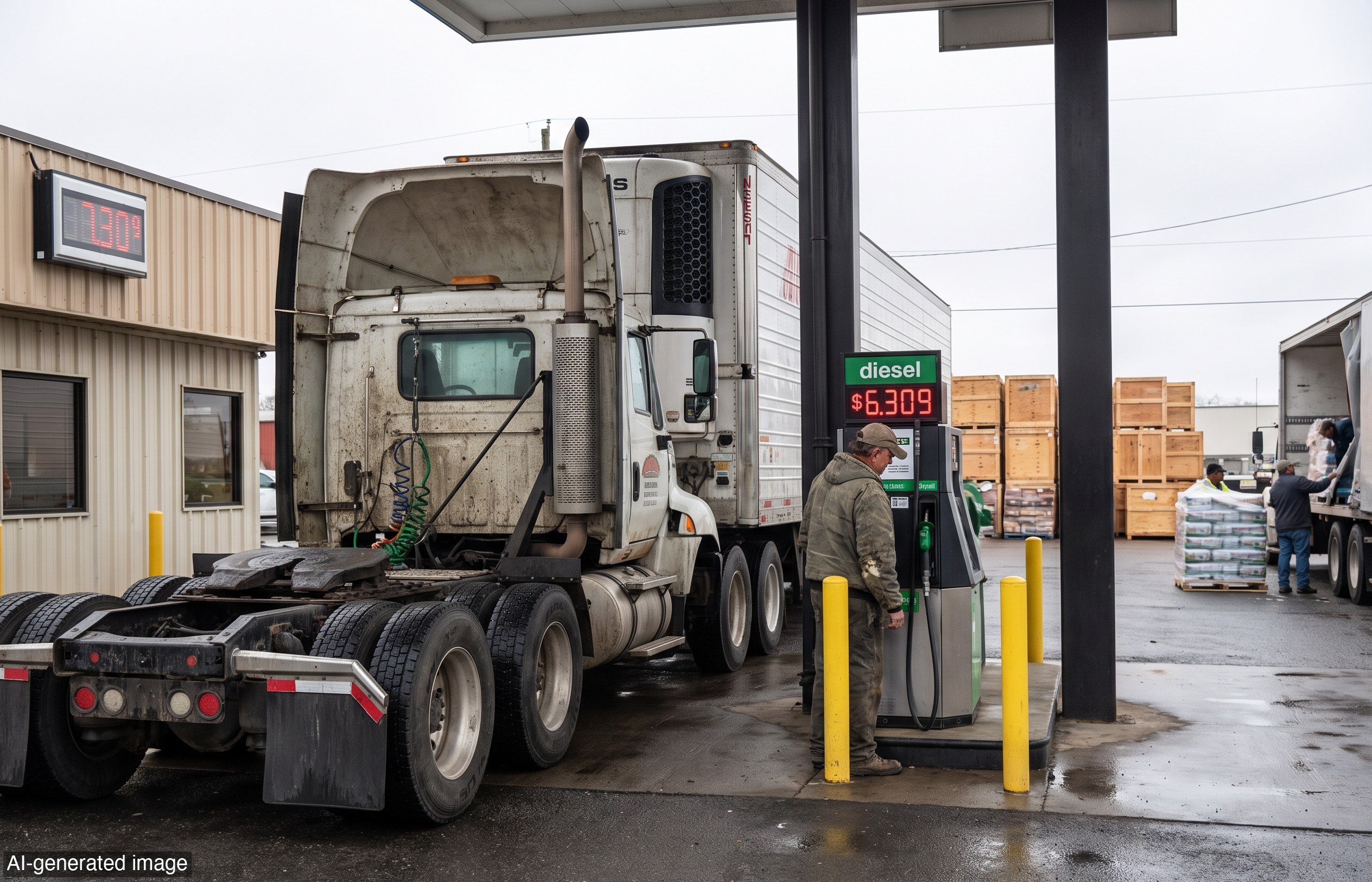
Oil told the clearest story. A day before Tuesday's modest rebound — benchmark U.S. crude gaining 15 cents to $80.49 a barrel, Brent crude jumping 98 cents to $84.75 — prices had dropped more than 5% after Trump's announcement. The volatility was stark: Brent's price had careened between $72 and $102 last month as fears rose and fell over the war in Iran and whether oil tankers would be allowed to freely exit the Persian Gulf to deliver crude to customers worldwide.
The yen intervention added a second variable. The U.S. dollar rose to 157.80 Japanese yen from 157.18 yen on Tuesday, after having traded at 160-yen levels before regulators stepped in. The yen had fallen to nearly 40-year lows before the joint U.S.-Japan operation. Some analysts cautioned that the move may not hold. A report by BMI, a unit of Fitch Solutions, noted that 'any U.S. contribution will probably be constrained by size,' even as it acknowledged that 'a U.S.-backed operation carries far more signaling weight than Tokyo acting alone.' Matthew Ryan, head of market strategy at Ebury, was more optimistic, calling the development 'historic and meaningful for the yen' and saying it 'materially improves confidence' in a bullish outlook for the currency.
The market has already voted. Trump's decision to pause military escalation against Iran removed the most acute risk premium from the oil market in a single weekend — a 5% drop in a day is not noise, it is a verdict. For American consumers still absorbing elevated energy costs, that kind of executive restraint translates directly into relief at the pump and lower input costs across the supply chain. Free markets do not reward uncertainty; they price it, painfully. When the commander-in-chief chooses strategic patience over reflexive escalation, capital responds accordingly.
The yen story is more complicated. Currency interventions — even joint ones — do not fix the underlying interest-rate and inflation differentials that drove the yen to four-decade lows. Clear rules and sound monetary fundamentals are what capital rewards over the long run. Coordinated intervention buys time; it does not substitute for policy discipline.