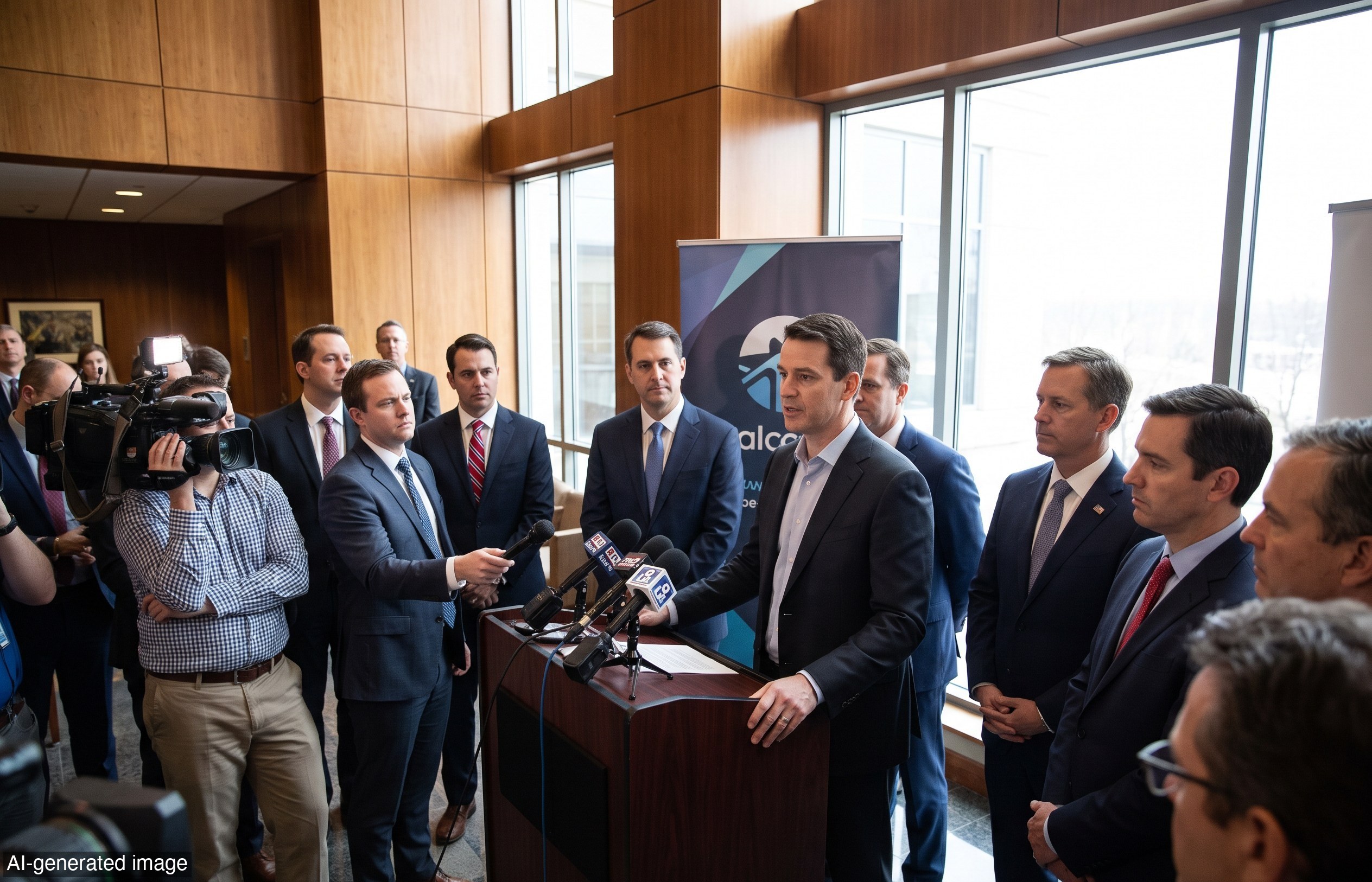
The numbers are striking. SpaceX's IPO this summer is projected to create an estimated 4,400 new millionaires overnight, according to a Fortune op-ed published August 7, 2026. Anthropic and OpenAI are expected to follow. Goldman Sachs projects a historic year for IPO proceeds, driven entirely by the AI boom.
The question Max Simkoff, founder and CEO of Doma Technology, and Lisa Countryman-Quiroz, CEO of JVS Bay Area, are asking is blunt: how much of that wealth reaches the people who actually need it?
The 'move fast and break things' problem
Writing in Fortune, Simkoff and Countryman-Quiroz warn of what they call 'an alarming misapprehension circulating in tech circles' — that the nonprofit sector lacks the talent, speed, and ambition to deploy capital at scale. The instinct among newly wealthy technologists, they argue, is to rebuild philanthropy in tech's image rather than fund what already works.
The facts push back on that instinct. There are 1.8 million nonprofits operating in the U.S. right now, deploying roughly $600 billion in charitable giving each year. The sector has a track record that includes eradicating smallpox and lifting more than a billion people out of extreme poverty — outcomes no startup pitch deck has yet matched.
MacKenzie Scott's experiment answers the absorption question
The strongest data point in the piece comes from MacKenzie Scott's giving record. Since 2019, Scott has distributed more than $26 billion in large, unrestricted gifts to existing nonprofits. The Center for Effective Philanthropy studied outcomes over three years and found that 90% of recipients reported stronger financial positions, expanded programs, reduced staff burnout, and increased capacity to innovate. The early concern that nonprofits could not absorb capital at that scale, the authors note, 'turned out to be unfounded across more than a thousand organizations.'
That is not a theoretical argument. It is a controlled, documented result.
Workforce development as the test case
Simkoff and Countryman-Quiroz point to workforce development as the sector where AI wealth carries the most direct responsibility. At JVS Bay Area, they write, the organization has sunsetted job training programs in tech and developed new programs in sectors more resistant to automation — healthcare and the skilled trades. AI skills have been integrated across all training programs. Despite the uncertainty of 2025, program graduates secured meaningful employment within less than a month, on average, according to the piece.
That is the kind of operational discipline, the authors argue, that comes from having to raise an entire operating budget from scratch every single year.
CEO Times take
The free-market case here is straightforward: private capital, deployed voluntarily through proven intermediaries, produces better outcomes than government programs and avoids the bureaucratic drag of top-down reinvention. The MacKenzie Scott data is not a progressive talking point — it is a return-on-investment figure. Ninety percent of recipients strengthened their balance sheets and expanded output. Any fund manager would call that a strong vintage.
The instinct to disrupt for disruption's sake is a cost, not a feature. When AI's new millionaires finally cash out, the highest-leverage move is not to build a new philanthropic infrastructure from scratch — it is to find the operators who already know their communities, fund them without strings, and get out of the way. Capital rewards clear rules and proven execution. The nonprofit sector, whatever its flaws, has both.