For decades, the biweekly paycheck was an unquestioned fixture of American working life. That fixture is cracking.
Only 3% of employers currently offer earned wage access — the ability for employees to draw on pay they have already earned before the scheduled payday — according to the International Foundation of Employee Benefit Plans. Yet the market has already voted: roughly 10 million workers tapped some form of early wage access in 2022, moving nearly $32 billion, according to a 2024 Consumer Financial Protection Bureau study.
Three million of those workers bypassed their employers entirely and turned to consumer apps, the CFPB found. Nearly all of them paid a fee for the privilege of accessing money they had already earned. That is a tax on impatience that employers could eliminate — and largely have not.
The gig economy set the new standard
Andrew Brandman, COO of DailyPay, a tech company that gives employees access to earned pay before payday, points directly at the gig economy as the catalyst. Uber drivers can access earnings as soon as a job is completed. That expectation has migrated into the salaried workforce.
'I hear this from employers all the time: they're competing for a workforce now that's looking for instant,' Brandman said.
The quiet resistance from employers, Brandman noted, has rested on a paternalistic assumption — that workers might not manage their money responsibly if given faster access to it. Free enterprise runs on the opposite premise: that individuals, given clear information and real choices, make better decisions for themselves than institutions make for them.
It is not just hourly workers
The demand is not confined to the lower end of the wage scale. Brandman says higher-wage workers are increasingly using his platform. 'There's this misnomer that if you're salaried, you must not be living paycheck to paycheck,' he said.
The data support him. The $32 billion figure moved through early wage access channels in a single year represents a structural gap between when labor is delivered and when it is compensated — a gap that exists not because of operational necessity but because of institutional inertia.
What the numbers mean for employers
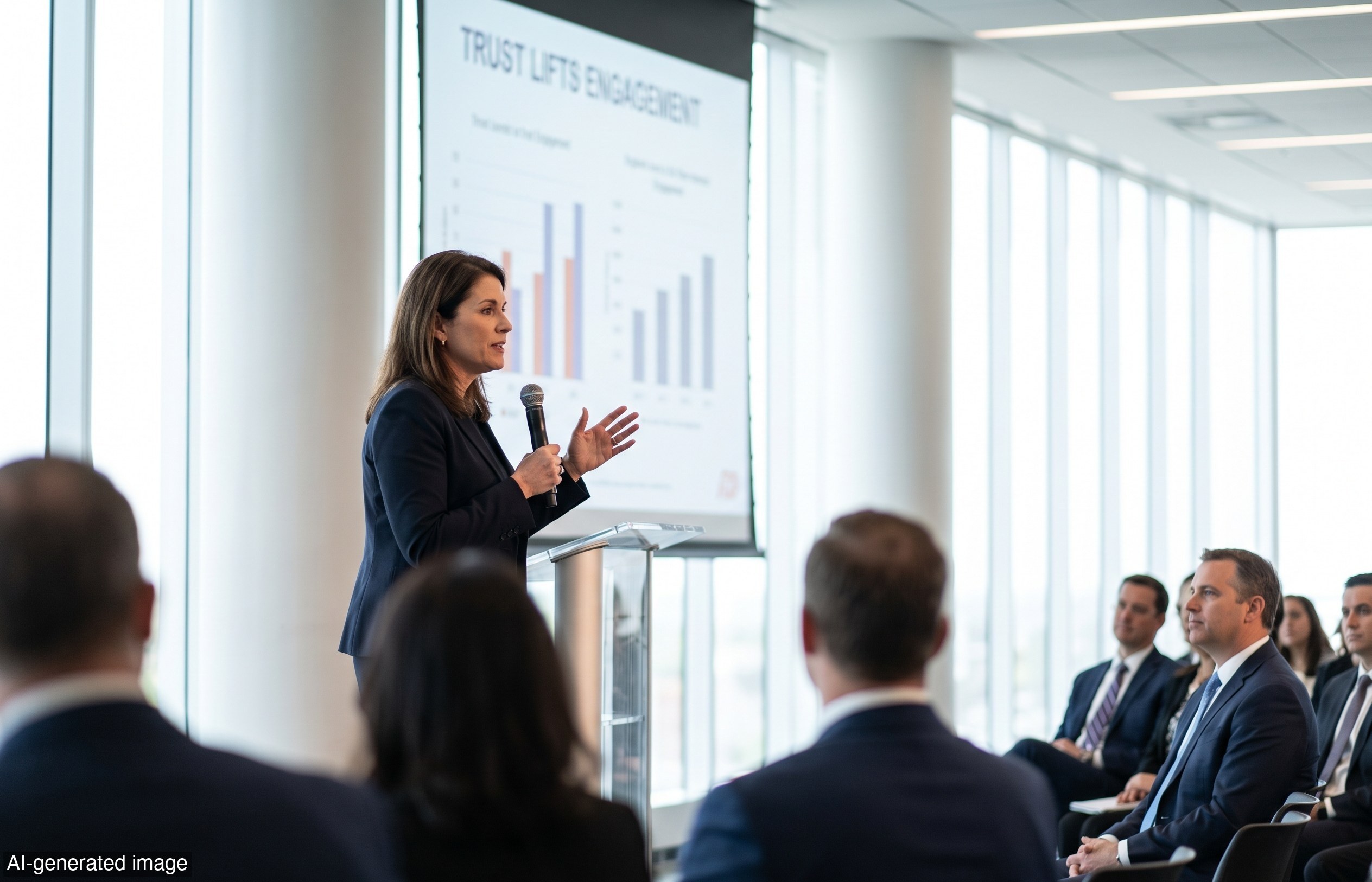
Brandman's prescription is straightforward: HR leaders should talk to employees about the benefits they actually need, and then talk to peers across the industry about why pay timing has gone unchanged for decades. His case for engagement is practical. 'What we see is when employees feel like they're covered, that the employer's got their back, they feel a different connection,' he said. 'Suddenly you get a workforce that's way more engaged.'
Most employer-partnered earned wage providers offer both free and fee-based options, meaning the cost barrier to adoption is low.
CEO Times take
This is a free-enterprise story, not a regulatory one. The market is already solving the problem — 10 million workers found a way to access their own earnings with or without employer cooperation. The only question is whether employers get credit for the benefit or cede it to a third-party app that charges a fee.
The paternalistic assumption that workers cannot be trusted with their own earned wages is precisely the kind of institutional thinking that erodes loyalty and productivity. Capital rewards clear rules and fast settlement. There is no principled reason the labor market should operate on a slower clock than every other corner of the modern economy.