The Numbers Come First
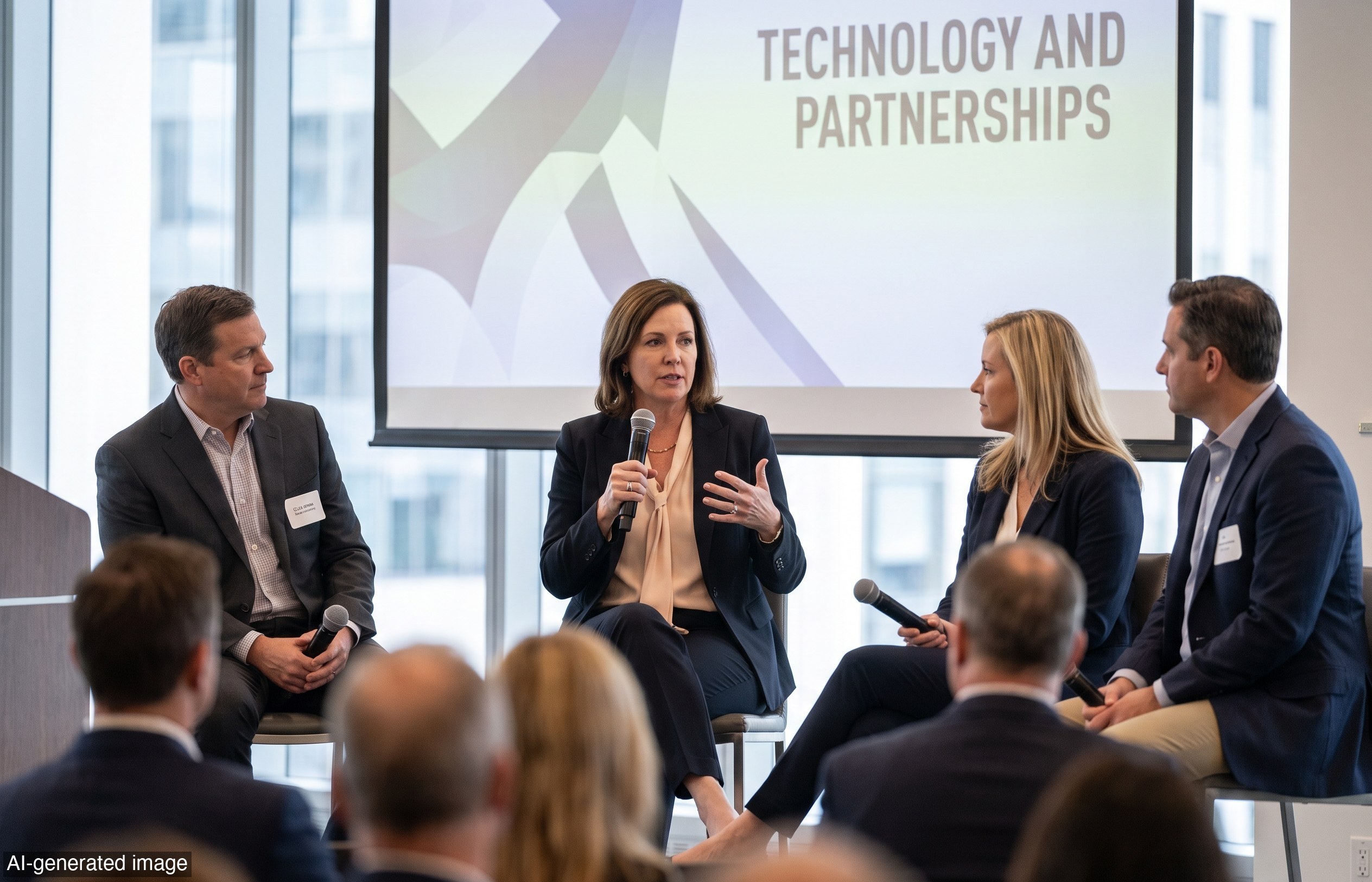
Amy Prosenjak, president and CEO of A to Z Wineworks LLC, oversees three brands — A to Z, Erath and Rex Hill — that account for roughly one in every four bottles of Oregon-origin wine sold in U.S. multi-outlet retail, according to Circana data. That channel covers grocery, mass, club and drugstores, but excludes restaurants, tasting rooms and most independent wine shops.
The scale is real. When Prosenjak arrived at A to Z, the company was producing about 80,000 cases a year. Production across the company's brands fell approximately 32% in 2025 to 550,000 9-liter cases, according to the company. A to Z expects to remain around that level in 2026.
'We're going to follow the consumer,' Prosenjak said. 'If we need to be a slightly smaller company, we will do that because we're going to stay true to our winemaking values. But we want to stay profitable.'
From Furniture to Vineyards
Prosenjak was running inventory for a billion-dollar furniture company in Ohio when her husband suggested she pursue a career in wine. She found a CFO opening at A to Z on WineJobs.com and, by her own account, sent her resume 'kind of on a whim.'
Founder Bill Hatcher, who was CEO at the time, asked whether she understood cost accounting. Her answer was direct: 'I'm the director of inventory for a $1 billion furniture company. That is my specialty.' Hatcher's reply: 'Well, I can teach you the wine business.' He did. Prosenjak sold her house, relocated across the country and began what she calls a 'wonderful and wild 20-year ride.'
Her corporate background gave the growing winery a framework to scale. She moved from CFO to president to CEO in a progression she describes as more organic than planned. Today, at 53, she reports monthly results to a board that includes representatives from Sycamore Partners, the private equity firm that wholly owns A to Z Wineworks LLC.
The Private Equity Chapter
Sycamore Partners acquired Ste. Michelle Wine Estates from Altria for approximately $1.2 billion in 2021. Ste. Michelle then acquired A to Z in September 2022; the terms of that transaction were not disclosed. Prosenjak and her management team retain operating autonomy, according to the company.
'It's different than being family-owned, but it is a different time in the industry cycle,' Prosenjak said.
A to Z's roughly 65-person core team is approximately 52% female, with about 55% of management also identifying as female, according to Prosenjak. She notes that distribution remains heavily male-dominated and that she still sometimes walks into distributor meetings as the only woman in the room.
The Editorial Read
Prosenjak's story is a clean case study in what free enterprise actually rewards: domain expertise transferred across industries, a willingness to relocate and take risk, and the discipline to cut volume rather than chase unprofitable growth. The 32% production reduction is not a retreat — it is margin management, the kind of decision that private ownership makes faster than any bureaucracy could.
The market has already voted. Capital, in the form of Sycamore's backing, stayed in the room. When a CEO says 'we want to stay profitable' and means it, that is the signal investors — and consumers — should be watching.