Diplomacy Moves Markets Before the Opening Bell
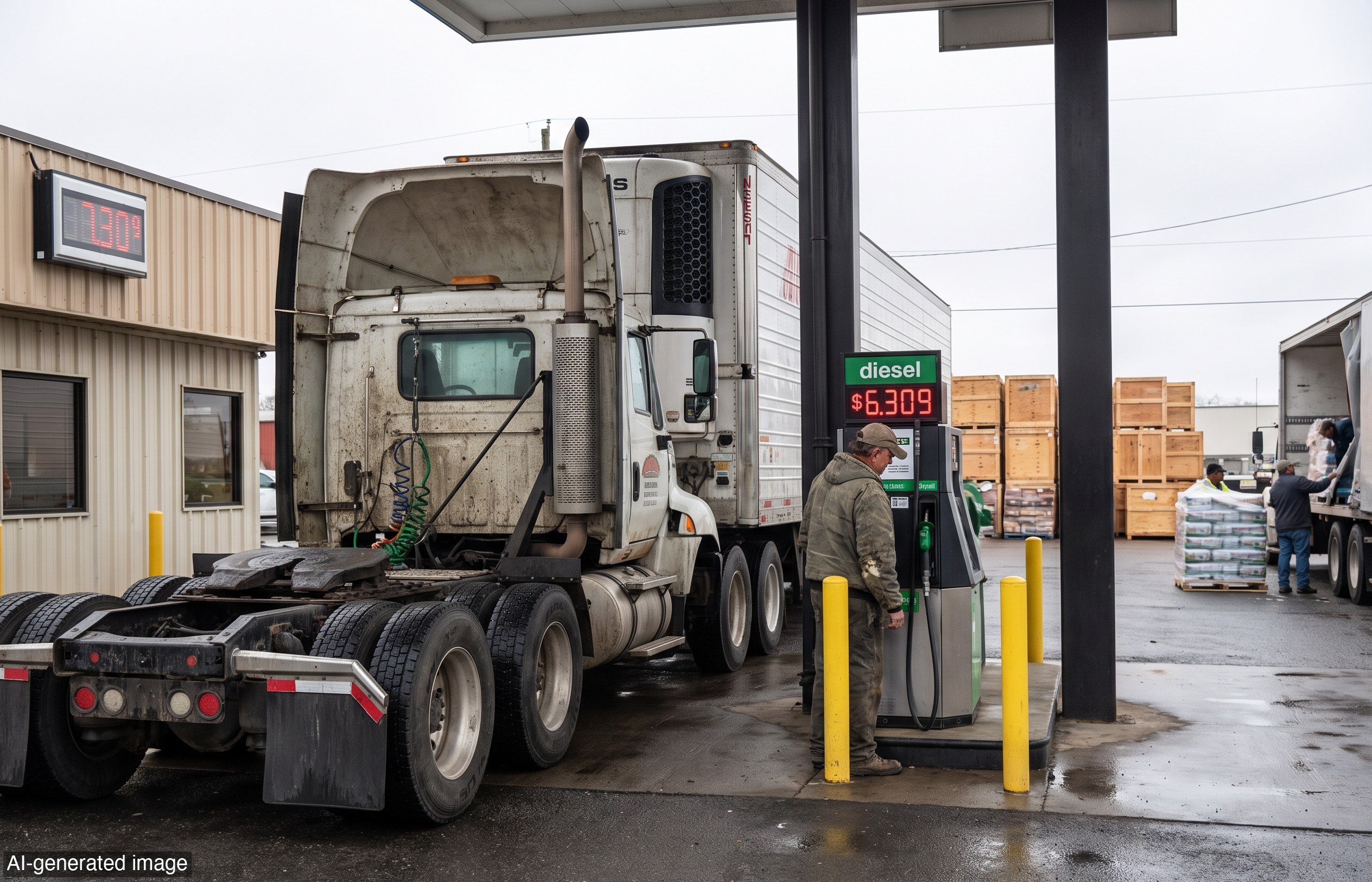
The numbers came in fast on Monday morning. Brent crude, the international benchmark, fell $4.27 — a 4.9% drop — to $83.66 per barrel. U.S. benchmark crude lost $4.86, or 5.8%, settling at $79.81 per barrel. Meanwhile, futures for the S&P 500 rose 0.6%, Dow Jones Industrial Average futures climbed 1.1%, and Nasdaq futures were up 0.3% before the opening bell.
By midday, the cash session confirmed the move. The Nasdaq Composite led the major indexes, rising 1.7%. The S&P 500 gained 1.1% and the Dow Jones Industrial Average increased 1%.
The catalyst: President Donald Trump announced he would order U.S. forces to refrain from attacks against Iran and said a deal to end the fighting — and reopen the Strait of Hormuz — was close. 'Get to work, everybody, and get it DONE,' Trump posted on Truth Social.
The reversal was sharp by any measure. Just a day earlier, Trump had said he was 'losing faith' in negotiations with Tehran and warned that the U.S. military 'will be hitting them very hard.' The on-and-off signals have been the primary driver of oil's volatility since the U.S. and Israel attacked Iran in late February.
Manufacturing Data and Earnings Add Fuel
Markets got additional support from a strong ISM purchasing managers' index reading. The manufacturing PMI rose 2.3 percentage points above June's figure to reach 55.6%, firmly in expansionary territory. Earnings season is also in full swing, with Palantir Technologies reporting Monday and SpaceX set to deliver its first quarterly results as a public company. McDonald's, The Walt Disney Co. and Uber are also on the calendar this week.
The week closes with Friday's July jobs report, which is expected to show further employment gains.
Currency Intervention Adds a Second Headline
A second major market event ran in parallel. The U.S. and Japan confirmed coordinated currency intervention to support the yen, which had recently traded near 164 per dollar — a 40-year high for the U.S. currency. After the official announcement, the dollar fell to 155.20 yen in Tokyo trading. The U.S. Treasury bought yen through the Federal Reserve Bank of New York, according to analysts. Stephen Innes of SPI Asset Management called it a strong signal: 'Washington is no longer merely giving Tokyo permission to defend the yen. It is prepared to stand on the same side of the trade,' he said.
Japan's Nikkei 225 lost 0.9% to 63,754.90. South Korea's Kospi dropped 5.1% to 6,257.45 after its historic 17.9% single-session gain on Friday. In Europe, Germany's DAX gained 1.5% and the CAC 40 in Paris climbed 1.1%.
The Market Has Already Voted
This is what executive-level diplomacy looks like when it actually works: oil down nearly five percent, equities up across three continents, and a manufacturing sector expanding at 55.6% — all before lunch on a Monday. The market has already voted on the value of a deal over a prolonged military engagement in one of the world's most critical shipping lanes.
For American businesses, lower energy costs function as a tax cut that no legislature had to pass. Every dollar off the barrel of crude is a dollar that stays in corporate margins, in household budgets and in the productive economy — rather than being burned in a conflict that was always going to be settled at a negotiating table. Capital rewards clear rules, and right now the clearest signal in the room is coming from the Oval Office.