The Lockup Clock Runs Out
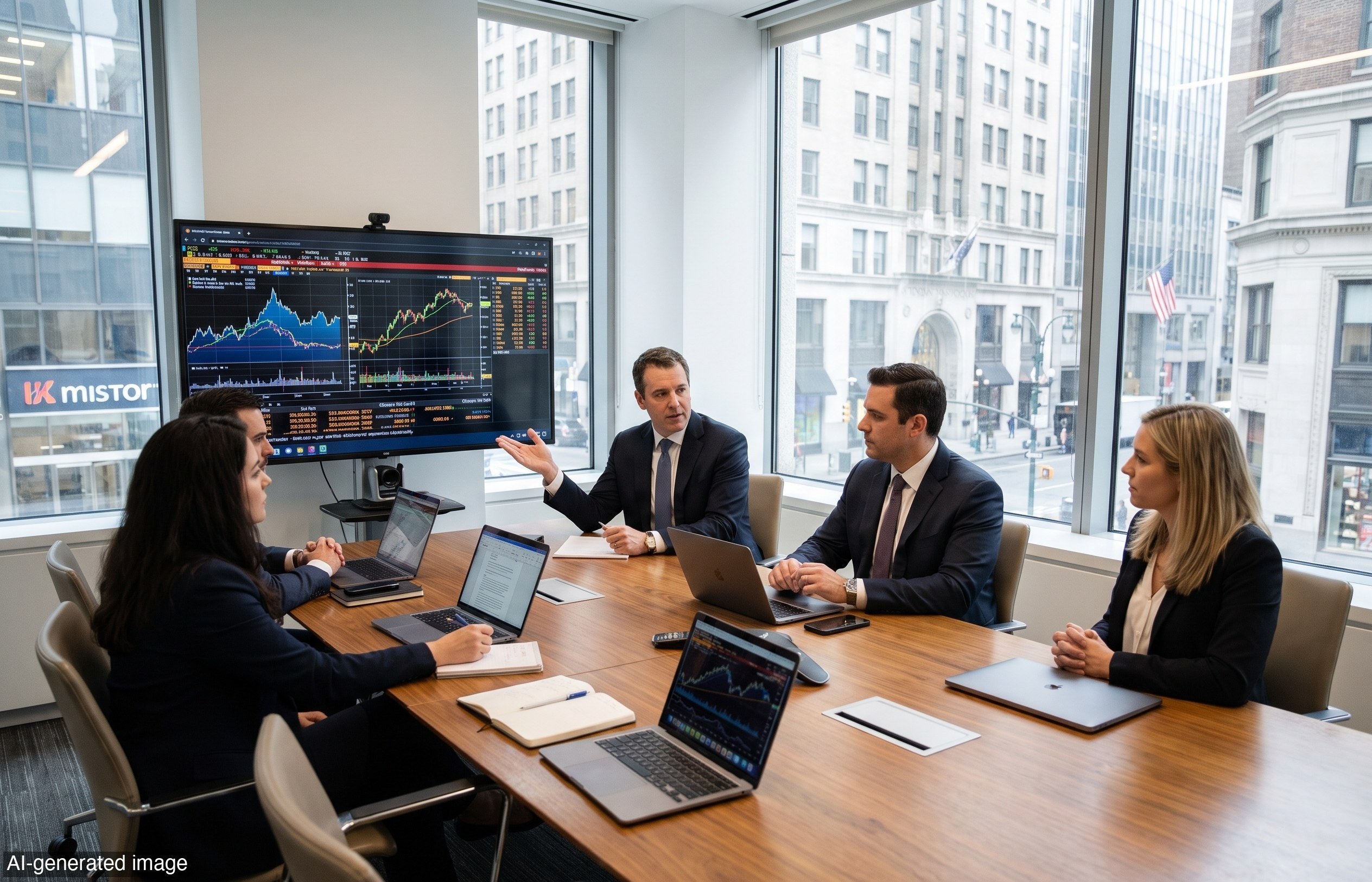
On Thursday, nearly a billion shares of SpaceX held by early employees and pre-IPO investors will break free from their lockup agreements. At current prices, the block totals around $100 billion — more supply than the IPO itself delivered to the market.
Gil Luria, head of technology research at D.A. Davidson, framed the moment plainly: early employees may believe in the company, but after spending decades with most of their wealth tied to a single stock, many will want to diversify. That transfer from private insiders to public investors is, in his words, 'the natural course of business' — and by definition it puts pressure on the share price as fresh supply enters the market.
The Index 'Bailout'
SpaceX did not arrive at this moment unprotected. Within 25 days of listing, four index providers — CRSP, FTSE Russell, MSCI, and Nasdaq — added the stock, forcing passive funds inside millions of 401(k)s to buy in. JPMorgan estimates the Nasdaq inclusion alone transferred $4 billion of SpaceX into passive accounts.
Luria called the accelerated path into the indexes 'a little bit of a bailout.' Without it, he said, SpaceX would face the lockup expiration with the supply from lockups but none of the demand generated by index funds or the arbitrage traders buying ahead of them. Instead, the company secured 'very substantial demand from index inclusion' precisely at a time when 'there's a lot of supply coming.'
It was 'very important,' Luria added, that SpaceX and its bankers negotiated the accelerated index entry before the IPO. The arrangement effectively spread out the buying, giving the selling at lockup expiration a cushion it otherwise would not have had. Two trading teams at hedge fund Millennium reportedly made about $3.6 billion in June from those index-rebalancing trades.
The Earnings Backdrop
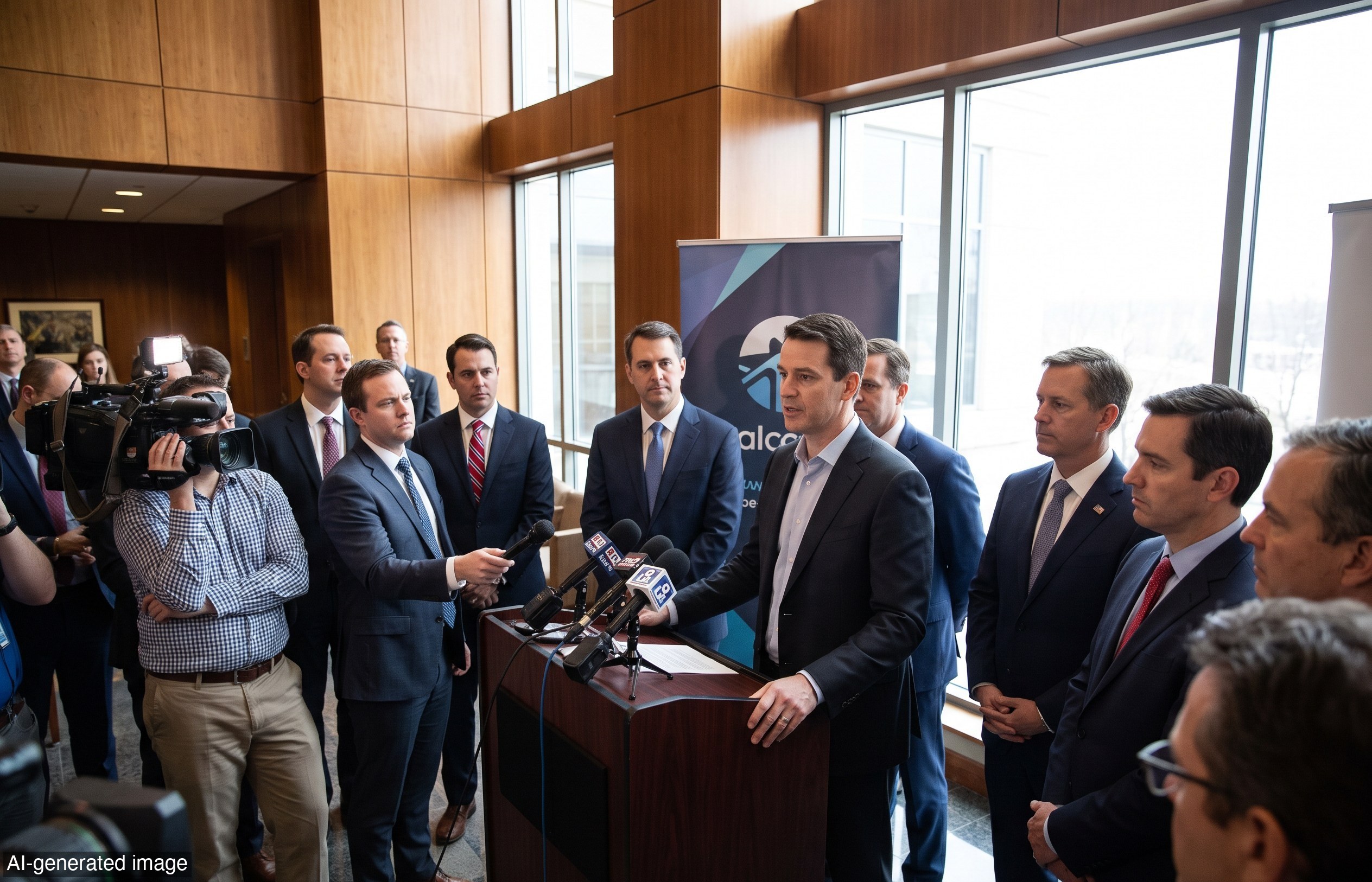
Musk used Tuesday's earnings report — his last chance to shape sentiment before Thursday — to project a $100 billion revenue run rate by year-end. The report also revealed $15 billion in AI spending in a single quarter and raised new questions about whether Starlink growth is beginning to slow. The stock fell another 9% on Wednesday, extending a decline that has erased half of SpaceX's value since the IPO.
Analysts held firm regardless. JPMorgan lifted its price target from $220 to $240. 'You never bet against Elon,' Luria said, calling it 'a truism in the investing community' after years in which short-sellers lost enormous sums betting against Tesla. Morgan Stanley, for its part, described the lockup as an opportunity 'to gain exposure to a potential generational compounder.'
Luria also noted that institutional investors who received pre-IPO allocations have reputational skin in the game: behave badly at lockup and risk being shut out of future deals.
CEO Times Read
The SpaceX lockup is a textbook case of how capital markets distribute risk — and reward — when a private giant finally goes public. The index-inclusion maneuver was smart financial engineering, not a scandal: it matched supply with structured demand and protected ordinary retirement savers from a one-day price cliff. The market has already voted on the AI spending surge and Starlink deceleration; the 9% single-day drop is the price of transparency.
What matters now is whether the $100 billion revenue run-rate target is achievable or aspirational. Free enterprise rewards execution, not narrative. Thursday's trading will tell investors which one SpaceX is delivering.