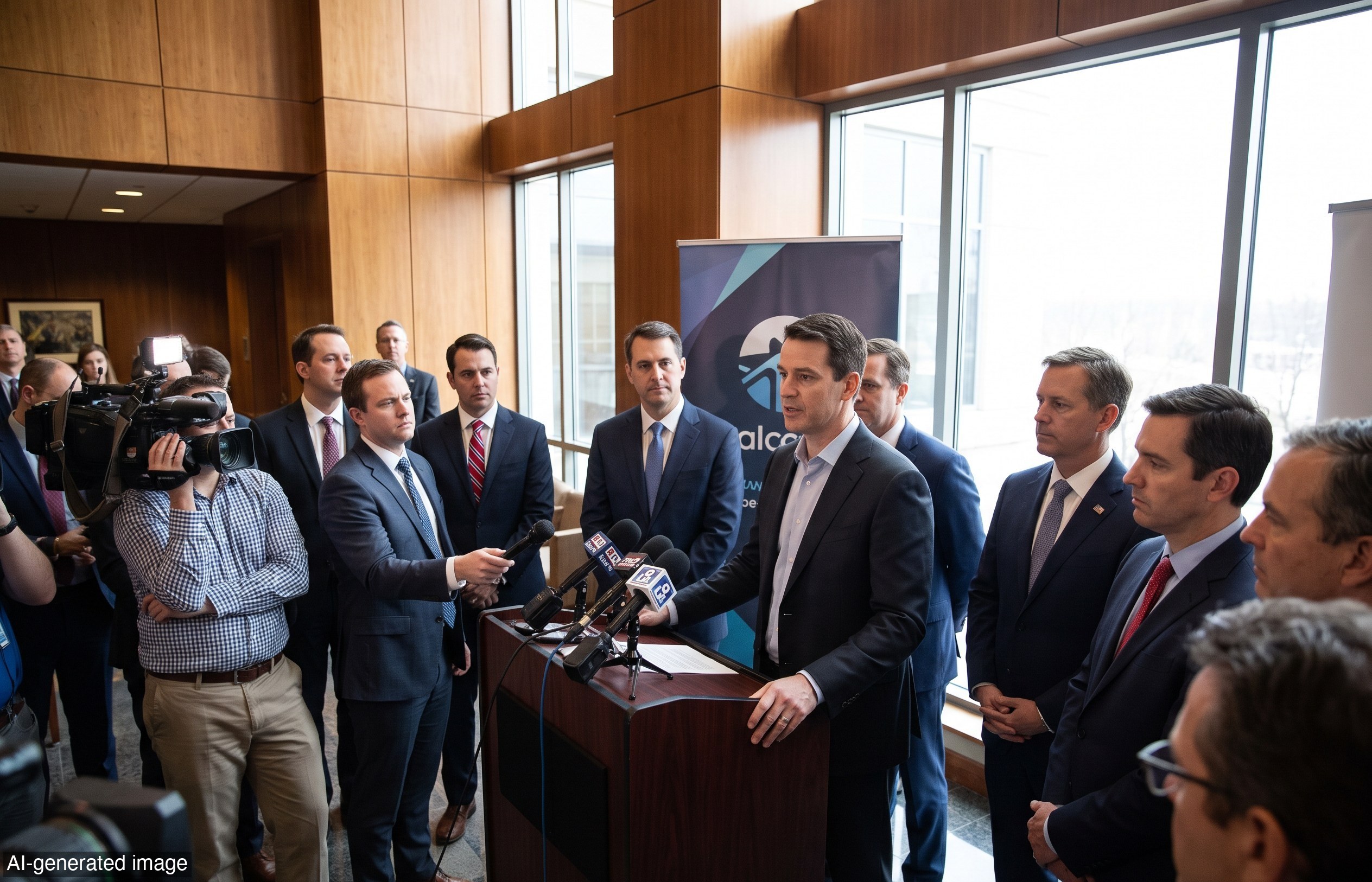
From MIT Dorm to $22 Billion Exchange
Kalshi, the prediction-market platform co-founded by 30-year-old CEO Tarek Mansour and co-founder Luana Lopes Lara, reached a $22 billion valuation in May 2026 — up from $2 billion as recently as June 2025. The company now counts four million active users and, according to Fortune, both founders carry estimated net worths of about $2.6 billion each.
The numbers come first: that is an eleven-fold valuation jump in under twelve months, a trajectory that has drawn comparisons to the fastest-scaling fintech platforms of the last decade.
Built Without the Playbook
Mansour is unapologetic about how he got there. 'The worst advice that most people get is that you should go and seek out a bunch of advice,' he told The New York Times. 'People are over-reliant on advice, and people love giving advice because it makes them feel smart and powerful. It's usually mostly trash.'
Speaking on a Sequoia Capital podcast last month, Mansour described his operating philosophy in blunter terms: 'I have a lot of, I'm gonna make it up as I go.' He and Lopes Lara, who met as classmates at MIT and carried résumés that included Goldman Sachs, Palantir, Citadel, and Bridgewater Associates, launched Kalshi in 2018 less than a year after graduating.
The early road was rocky. Kalshi spent years navigating regulatory approval before the Commodity Futures Trading Commission cleared it as a financial exchange in 2020. Approval to offer contracts tied to U.S. election outcomes followed in 2024. 'Every day you wake up and you're like, What am I doing?' Mansour admitted.
Earlier this summer, the Financial Times reported that Kalshi was exploring a new funding round that could value the company at $40 billion.
New York Fires Back
The growth has not gone uncontested. New York filed a lawsuit against Kalshi last week, alleging the company is operating an unlicensed gambling platform. The state is asking the court to impose civil penalties of $100,000 for each unauthorized sports-betting offer — a figure the filing estimates could total approximately $36 billion.
Mansour appeared on CNBC the day after the suit was filed and pushed back directly. 'I think the more interesting thing that's at play here is that you have an industry, the prediction market industry, that is disruptive, that is growing fast, consumers are adopting it, and it's threatening a legacy incumbent industry that is unhappy about that,' he said, adding that Kalshi operates under federal rules.
The Principle at Stake
The market has already voted: a platform that received CFTC approval, scaled to millions of users, and created billions in private wealth is now being targeted by a state government seeking penalties that dwarf the company's own valuation. That arithmetic should concern anyone who believes federal regulatory clarity ought to mean something.
Free enterprise rewards the founders willing to absorb risk and navigate genuine regulatory process — Kalshi did both. When a state moves to impose $36 billion in penalties on a federally licensed exchange, the question is no longer whether Mansour ignored the management books. The question is whether the administrative state will allow a disruptive market to exist at all.