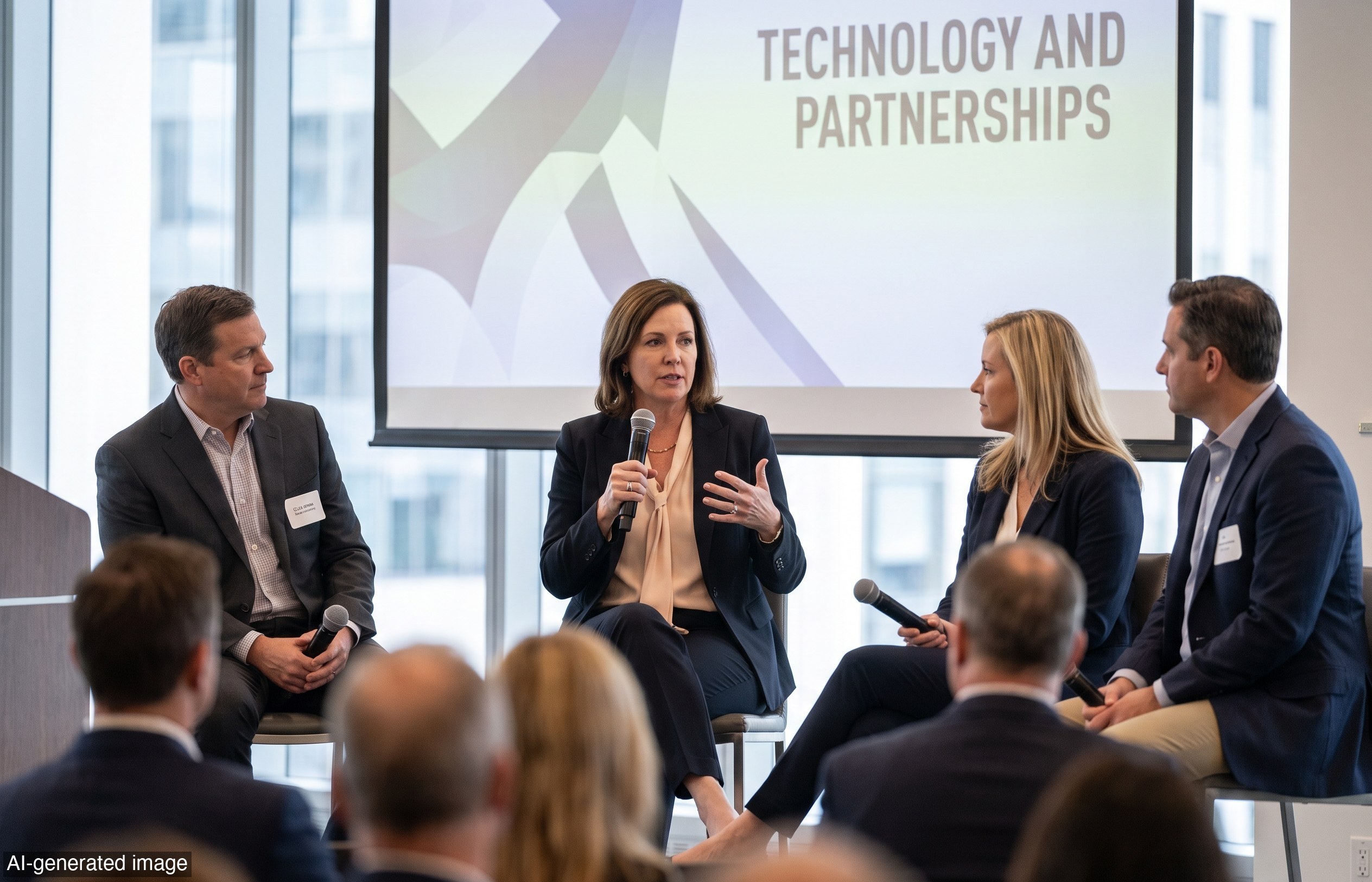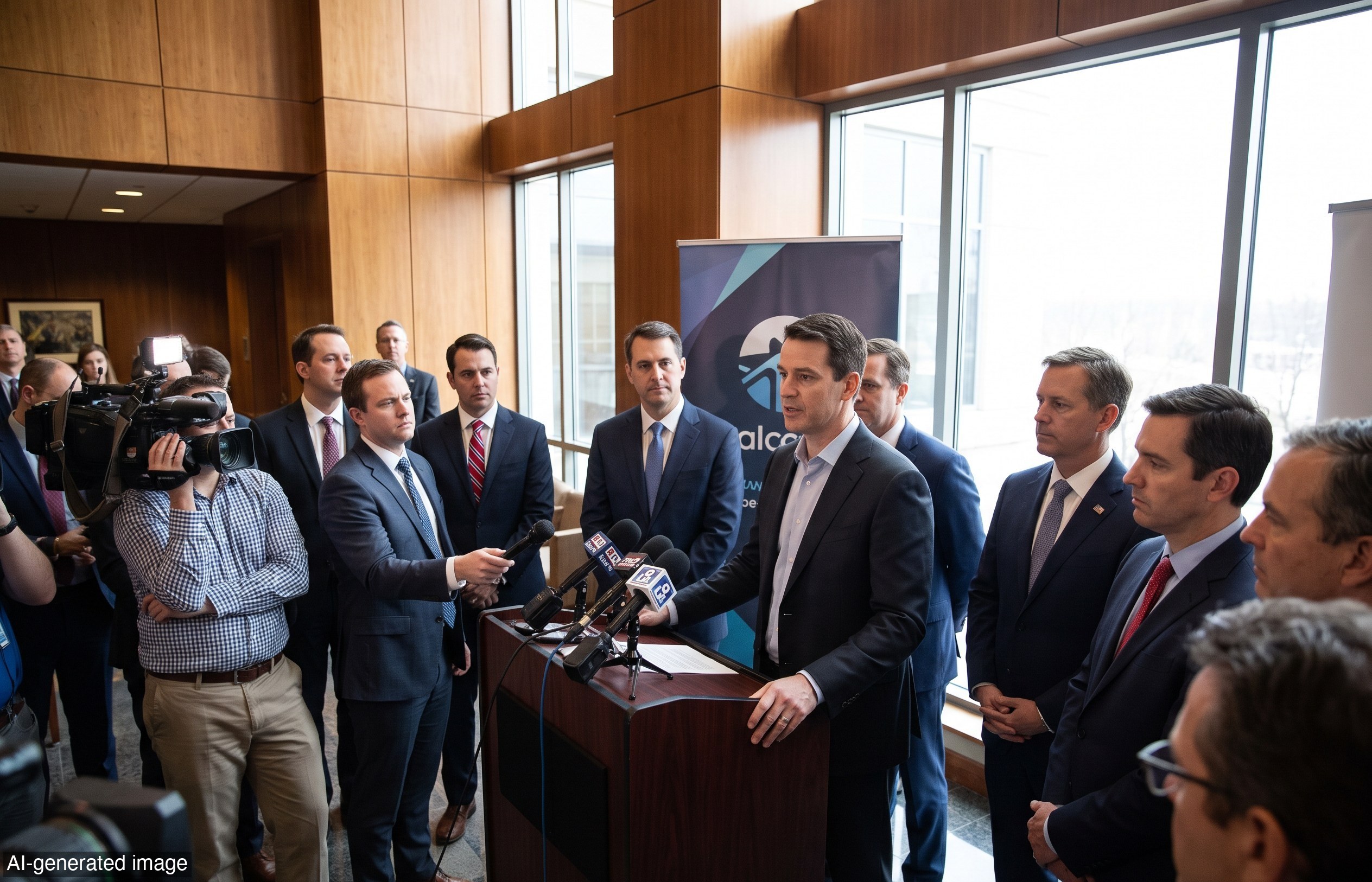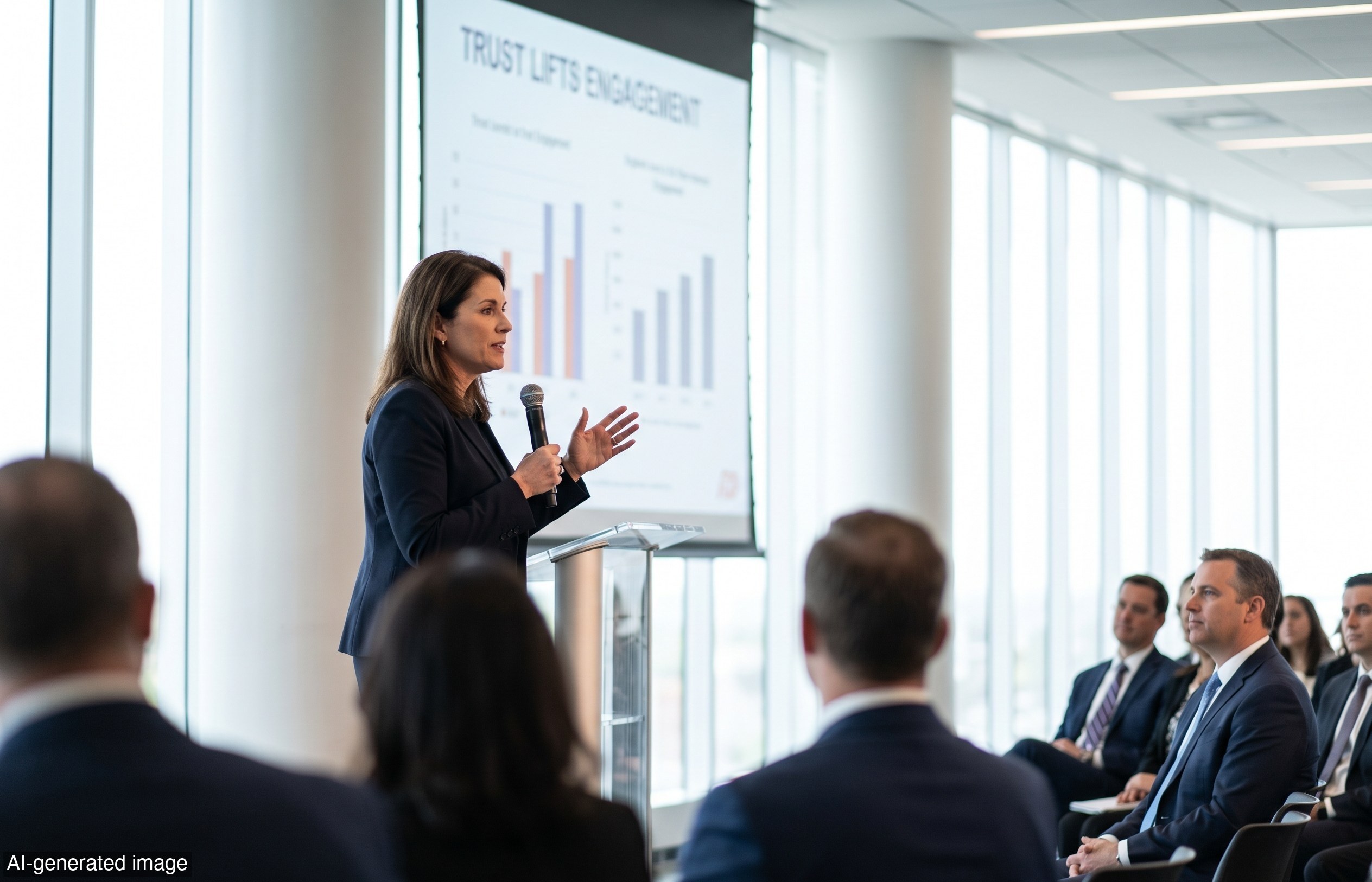
The numbers come first. Per-token AI costs fell sharply during 2023–2025, then leveled off. Now new model token prices are rising again, and the Tokenomics Foundation's executive director J.R. Storment says AI costs have become 'the largest and fastest-growing line item on enterprise technology budgets.' That is the problem 29 founding members are paying to solve.
The Linux Foundation officially launched the Tokenomics Foundation on August 4, 2026, with backing from JPMorgan Chase, Accenture, BNY, IBM, KPMG, Oracle, SAP, ServiceNow, Booking.com, and Flexera, among others. The foundation's stated mission is to standardize how companies measure and manage AI token costs and connect that consumption to demonstrable business value.
A CFO problem hiding inside a technology budget. Storment told Fortune's CFO Daily that the core dysfunction is structural: credit pricing, seat licenses, and bundled 'unlimited AI' plans sever usage from cost, making it impossible to allocate spend to outcomes. His prescription is direct — build visibility into consumption by model, workload, team, and project, then tie budgets to value rather than flat limits. A flat limit, he noted, 'tells you nothing about whether the spend earned anything.'
The foundation's governing board convened on July 30. A technical steering committee is forming next. Storment said the group has already published a lightweight framework called Big-T Notation and plans to present additional projects at an event called Tokenomicon in Amsterdam in September. He projected 'nearly monthly releases of new frameworks and value metric definitions through the end of the year.'
Competitors at the same table. The founding roster spans hyperscalers, enterprise software vendors, consulting giants, and the financial sector — organizations that compete directly with one another. Storment acknowledged the tension and pointed to the Linux Foundation's track record of vendor-neutral governance. The foundation's outputs, he said, will always target 'vendor-agnostic best practices.' There will be coordination with the existing FinOps Foundation, but Storment argued that the AI token supply chain is 'broader and deeper' with distinct technical challenges requiring dedicated governance.
The foundation draws on a global technology value community of more than 120,000 people for best-practice development, according to Storment.
---
CEO Times reads this as a market-discipline story, not a technology story. When AI spending was a rounding error, loose governance was tolerable. Now that tokens are a CEO-level budget line — and rising — the pressure to prove return on that capital is exactly what free enterprise demands. A vendor-neutral standard that forces every AI workload to justify its cost is, in principle, the opposite of bureaucracy: it is accountability imposed by the market rather than by a regulator.
The risk, as always with industry consortia, is that supplier interests dilute the framework before it reaches production. Twenty-nine founding members include both the buyers burning tokens and the vendors selling them. Capital rewards clear rules — but only if those rules survive the drafting committee intact.