Markets Vote Early on a Hormuz Deal
The numbers came in before Monday's opening bell. Dow futures surged 337 points, or 0.65%. S&P 500 futures jumped 0.80%. Nasdaq futures shot up 1.28%. The catalyst: the United States and Iran have halted their mutual strikes, opening space for negotiations that could reopen the Strait of Hormuz — the narrow chokepoint through which a significant share of global oil flows.
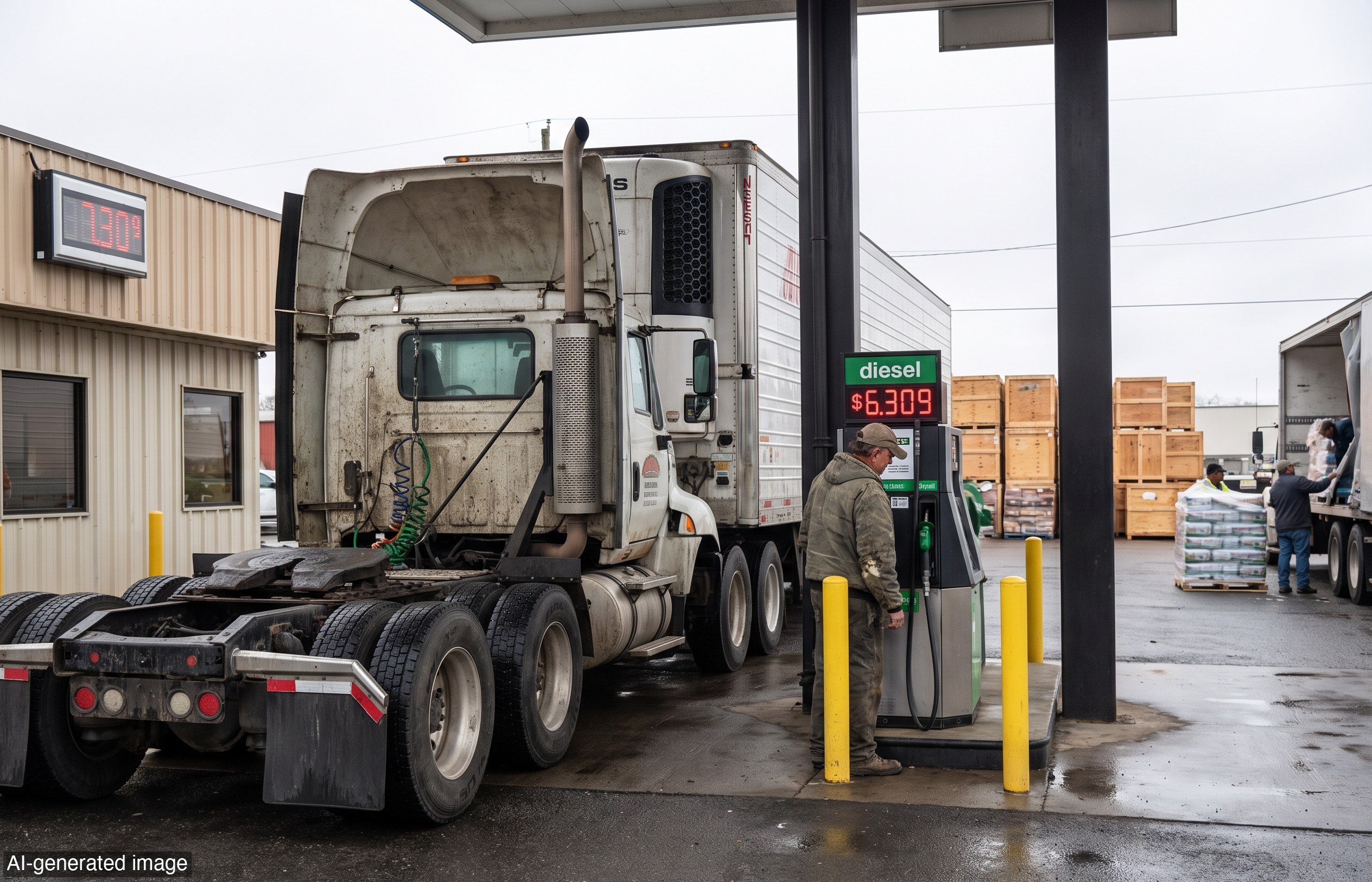
U.S. oil prices tumbled 5.44% to $84.45 a barrel. Brent crude dived 5.25% to $91.70. Gold, the classic hedge against uncertainty, rose 1.15% to $4,118 per ounce. The market has already voted: any credible path to reopening Hormuz is worth a sizable premium.
Asia Confirms the Signal
South Korea's Kospi index — which has served as a bellwether for global equities in recent weeks — climbed 74 points, or 1.1%. The move was reinforced by chip-sector news: AI developer Anthropic has asked memory-chip giant SK Hynix for supplies to make its own semiconductors, according to SK Group Chairman Chey Tae Won. Separately, Samsung Electronics won a contract worth more than $200 billion to make chips for Broadcom as both companies seek to expand in the AI infrastructure market.
Diplomacy's Narrow Window
President Donald Trump and Iranian officials have both confirmed active diplomatic engagement after nearly two weeks of daily bombardment. Iran and Oman are also in separate talks, with a potential arrangement centered on having Iran run vessel transit through the Strait of Hormuz with fewer restrictions on ships.
The path is not clear. The U.S. and Iran's neighbors are unlikely to accept any deal that formally recognizes Tehran's control over the waterway, according to the Fortune report. Still, Trump ordered a pause on Friday after Iranian attacks killed U.S. troops in Jordan — crossing what had been described as his red line for resuming full-scale war.
Sources told Axios that U.S. Central Command chief Adm. Brad Cooper recommended stopping the recent bombing campaign because it had reached the limit of its effectiveness. Gen. Dan Caine, chairman of the Joint Chiefs of Staff, privately warned, according to The New York Times, that restarting major combat operations was doable but that Iran's retaliation would force Central Command to deplete its stockpile of interceptors to dangerous lows. Ukraine's strike on an Iranian supply ship in the Caspian Sea has meanwhile expanded the diplomatic map, raising speculation it could serve as leverage in U.S.-Iran talks.
The Fed and Big Tech Converge
Wall Street's bullish open faces two immediate tests. The Federal Reserve meets this coming week, and investors expect another internal debate over whether to hike rates or hold steady — a decision that directly feeds into the AI capital-expenditure trade, which has slumped as investors push back against massive spending commitments. Google parent Alphabet beat earnings estimates last week but revealed negative cash flow on heavy spending. Microsoft and Meta report Wednesday; Apple and Amazon follow Thursday.
CEO Times Take
Free markets price geopolitical risk faster than any government can manage it. A 5% single-session drop in crude on the mere possibility of a Hormuz deal is the clearest evidence that diplomacy — not forty days of bombardment — is the instrument that actually moves oil inventories and inflation expectations. The Trump administration's willingness to pause and negotiate, however reluctant, is the kind of pragmatism that capital rewards.
The harder question is what comes next. Oil inventories are described as heading toward critically low levels. If the diplomatic window closes without a durable arrangement, the inflation pressure the Fed is already fighting will intensify — and the AI rally, which depends on cheap capital, will face a far less forgiving rate environment. Clear rules and open straits are the foundation of free enterprise. The market knows it. The negotiators should.