The numbers come first.
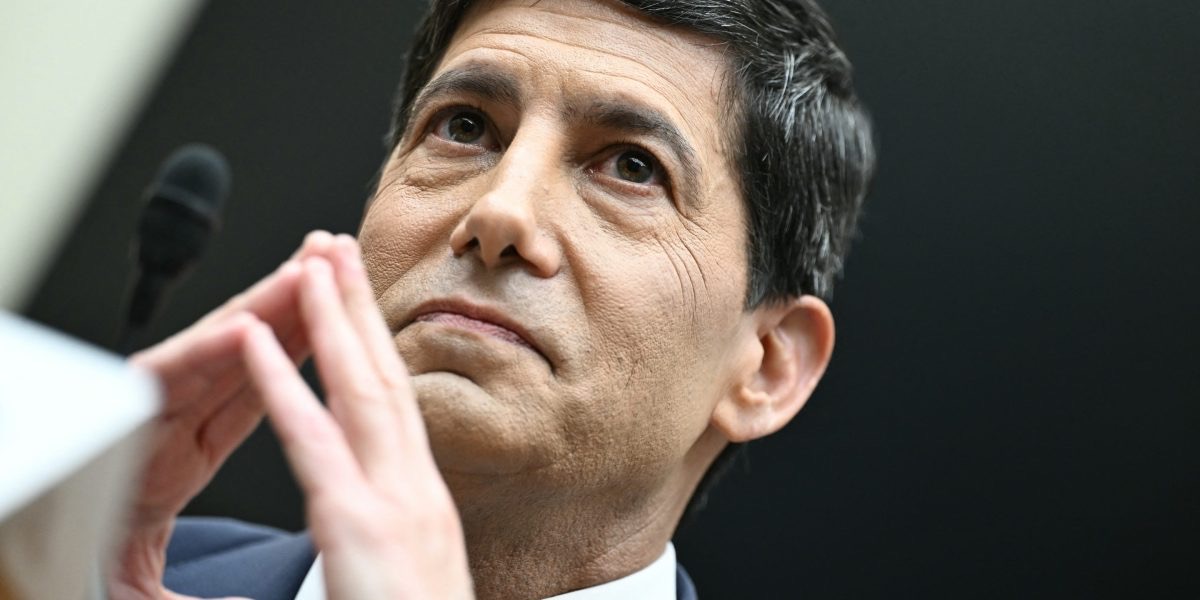
The Federal Open Market Committee convenes Tuesday and Wednesday for its second meeting under Chairman Kevin Warsh — and unlike the unanimous hold that closed his first session in June, this one arrives with real pressure to tighten.
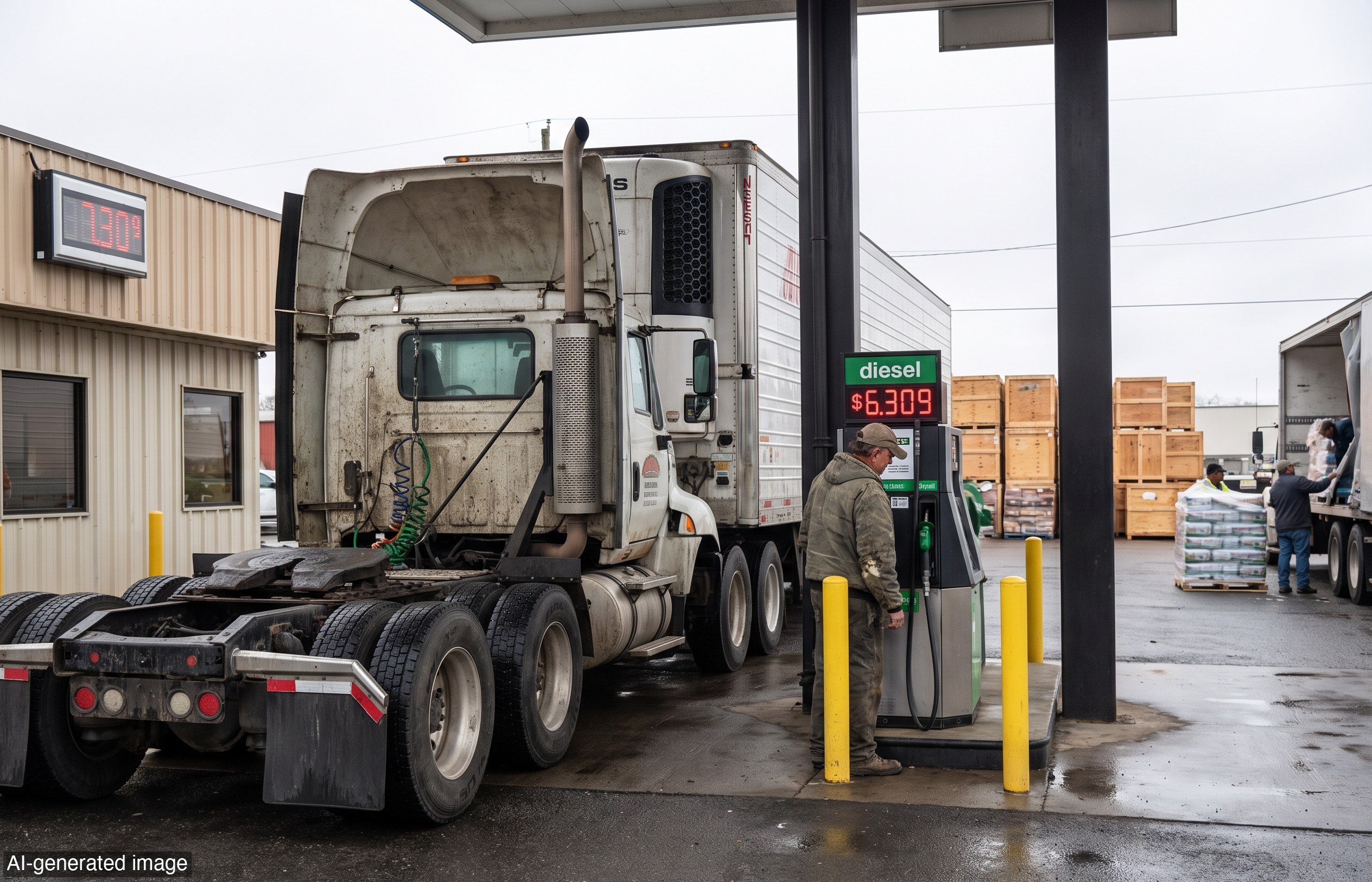
Investors are now pricing 34.2% odds of a quarter-point rate increase on Wednesday, up sharply from 12.8% just one week ago, according to CME Group's FedWatch tool. The catalyst is straightforward: the U.S.-Iran ceasefire has collapsed, renewed fighting has pushed oil prices higher, stockpiles are nearing operational lows, and ship traffic is under attack in the Red Sea, Black Sea, and Persian Gulf simultaneously.
Layered on top of the energy shock, chip shortages tied to the AI investment boom have driven up prices for consumer electronics. Hyperscalers show no sign of cooling their capital expenditure pace, adding a second inflationary vector that hawks on the committee can point to directly.
Five years above target. That is the central fact driving the hawkish bloc. Several Fed officials have signaled they have exhausted their patience with inflation that has exceeded the 2% goal for half a decade. Fed Governor Chris Waller warned that 'sternly staring at inflation until it melts before our withering gaze is not an option.' Dallas Fed President Lorie Logan stated that 'inflation has been too high, for too long, and does not appear to be on track all the way back to 2%.' Cleveland Fed President Beth Hammack went further, writing that she is 'hearing from businesses who say they think we need to take action to curb inflation, and from consumers who can't make ends meet about a growing sense of despair.'
Oscar Munoz, head of U.S. economics at TD Securities, called the meeting 'a family feud… just as Kevin Warsh intended,' forecasting that policy will likely hold for one more meeting but flagging that 'hawkish momentum is building' and predicting two hawkish dissents. JPMorgan chief U.S. economist Michael Feroli echoed that view, identifying Hammack and Logan as the likely dissenters while noting that Vice Chairman Philip Jefferson, Governor Lisa Cook, and New York Fed President John Williams are signaling patience.
Bank of America analysts put the decision bluntly: 'Not hiking could challenge the Fed's credibility on inflation. But raising rates would go against his framework of looking through supply shocks.' BofA reiterated a forecast of three quarter-point hikes this year and concluded that Warsh 'has enough votes either way' — making July ultimately his call.
---
CEO Times read: Five years of above-target inflation is not a transitory blip — it is a compounding tax on every wage earner, saver, and small-business operator in the country. Warsh was brought in precisely to restore the Fed's credibility after years of institutional drift, and the 'family feud' framework he has cultivated is the right medicine: open debate, clear accountability, and a chairman willing to own the outcome. Whether he hikes Wednesday or holds one final meeting, the signal to markets is already being sent. Capital rewards clear rules, and a Fed that finally means what it says about 2% is better for free enterprise than one that talks tough and flinches. The bond market will be watching the vote count as closely as the decision itself.