eBay's Numbers Come First
eBay reported second-quarter revenue of $3.1 billion, a 15% year-over-year increase, while net income surged 51% to $552 million. The company also raised its full-year guidance. For a marketplace ranked No. 353 on the Fortune 500, those are not incremental improvements — they are a strategic inflection point.
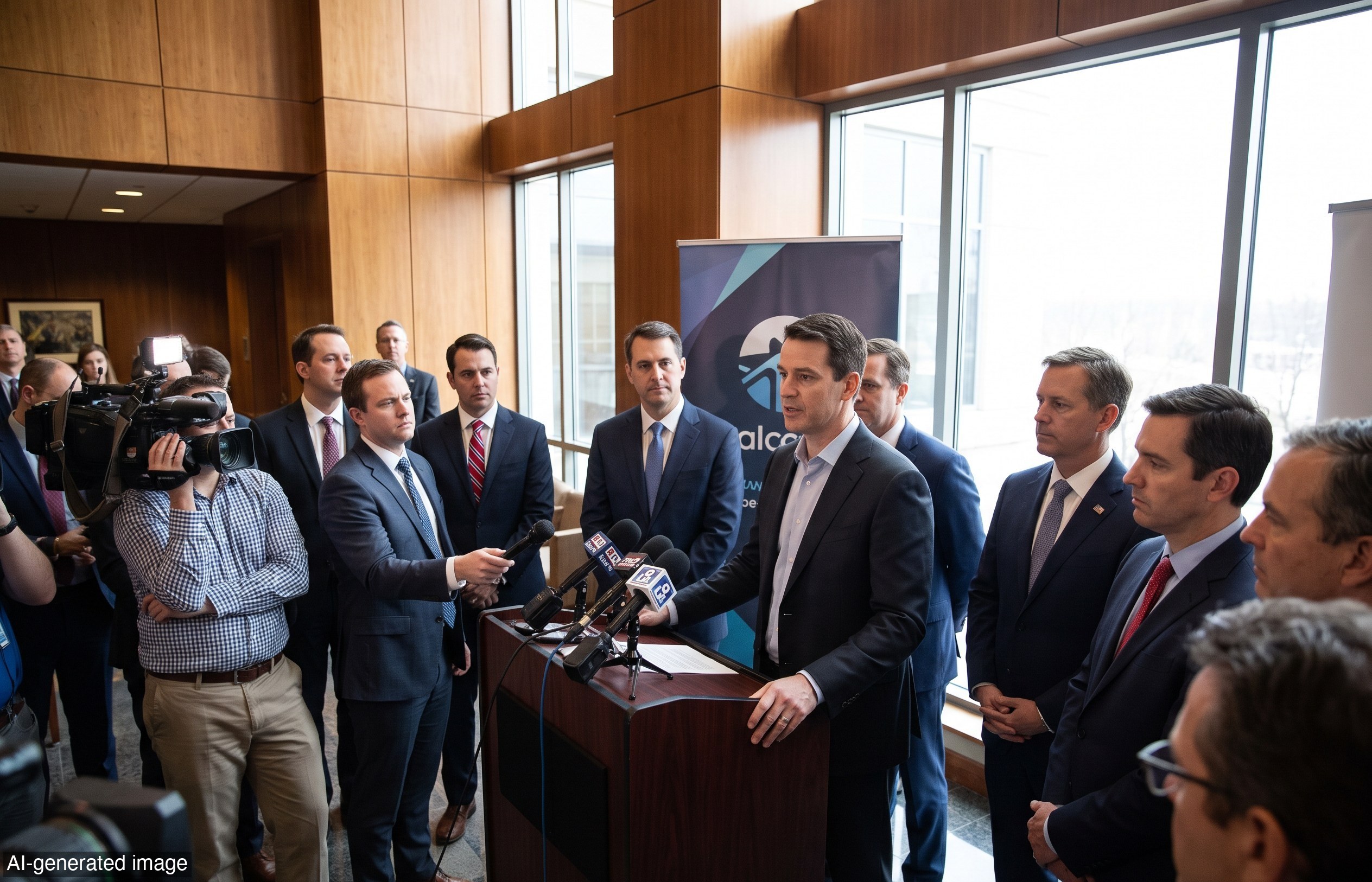
CEO Jamie Iannone, speaking from a trading-card convention in Chicago, framed the results around a deliberate positioning choice: double down on 'non-new-in-season' — used and refurbished goods that do not compete head-on with Amazon and Walmart. The logic is clean. Find the white space the giants cannot easily occupy, then use technology to widen the moat.
AI as a Seller's Multiplier
The clearest proof of concept is eBay's 'magical listings' feature. The AI tool extrapolates item details, pricing guidance and shipping information directly from a smartphone photograph. 'You just basically hold your phone up to something and AI guides you,' Iannone told Fortune. The result: sellers who use the tool post 50% more listings per lister in the U.S. and generate higher transaction value overall.
eBay's seller base skews amateur — precisely the demographic that historically lacked access to professional merchandising tools. Lowering that barrier is not a social mission; it is a margin strategy. More listings mean more gross merchandise volume, more commissions and a denser catalog that keeps buyers on the platform.
Iannone also cited the company's authentication record: over 15 million items authenticated with, according to him, zero counterfeits reaching buyers. Trust infrastructure at that scale is a competitive asset that new entrants cannot replicate overnight.
Blocking the Bots, Closing the Deals
Not every AI application gets a welcome mat. eBay has banned autonomous AI shopping agents — software that scrapes marketplaces and purchases items on a buyer's behalf without human interaction. The business logic is straightforward: if a bot completes the transaction, eBay loses the engagement loop that justifies its commission structure and advertising revenue. Iannone's goal is to enhance the human experience, not outsource it to an algorithm.
The strategic housekeeping did not stop at the bot ban. eBay simultaneously closed a $50 million litigation settlement tied to a 2019 harassment campaign orchestrated under former CEO Devin Wenig, in which former employees targeted a couple whose newsletter criticized the company. Separately, the company finalized the $1.4 billion acquisition of Depop, the fashion resale platform popular with Millennials and Gen Z. The two moves — one closing a chapter of reputational liability, the other opening a generational growth runway — arrived on the same day.
CEO Times Take
The eBay quarter is a textbook illustration of what free enterprise looks like when management makes disciplined bets instead of chasing every trend. Iannone did not deploy AI indiscriminately; he deployed it where it enlarges the seller base and protects the commission stack, then drew a hard line where AI would undercut the very revenue model it is supposed to serve. That is capital allocation, not technology theater.
The Depop acquisition signals that eBay sees the resale economy — already a structurally growing market — as its long-term competitive perimeter. A platform that can authenticate 15 million items, equip amateur sellers with professional-grade tools and lock out parasitic bots is not fighting Amazon. It is building something Amazon cannot easily copy. The market will be watching whether the 51% net income growth holds as Depop integration costs hit the books.